Logo
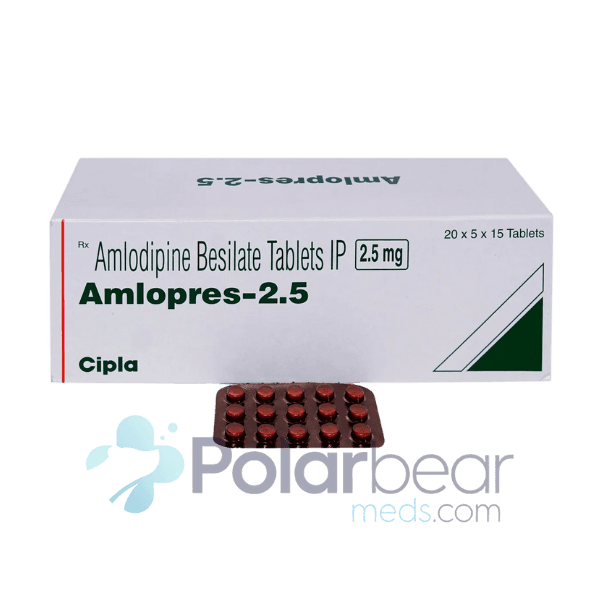
Amlopres - Image 1

Amlopres

No packages found
price-match-guarantee

Price Match Guarantee

We offer competitive pricing on all our medications. Find a lower price? We'll match it from any verified Canadian online pharmacy! Know More

Similar Medications

How to Order

Ordering your medication online is simple and convenient.

STEP 01

Select the prescribed dosage and quantity, then proceed to checkout.

STEP 02

Sign in or create a new account.

STEP 03

Upload your prescription.

STEP 04

Complete your purchase by processing the payment.

Shipping takes approximately 3-5 business days.

Our Pharmacy Reviews

Read what our customers have to say about their shopping experience.

Product Details

Description

Amlopres is a medication primarily used to treat hypertension (high blood pressure) & angina (chest pain). This medication also reduces the risk or chances of heart attack and stroke. It contains amlodipine, a calcium channel blocker that relaxes your blood vessels, improving blood flow and reducing strain on the heart. Available in various strengths (2.5 mg, 5 mg, 10 mg) and combination tablets (with atenolol, telmisartan, or losartan), the dosage varies based on the condition and patient response. So, if you want to buy Amlopres for high blood pressure management, get a valid prescription from your doctor.

Amlopres, containing amlodipine, is prescribed for hypertension, chronic angina, and cardiovascular risk reduction. As a calcium channel blocker, it dilates blood vessels, enhancing circulation and decreasing cardiac workload. The standard starting dose for hypertension is 5 mg once daily, adjustable to 10 mg if needed, while angina management typically ranges between 5–10 mg daily. Combination tablets (e.g., Amlopres AT, TL, or Z) integrate amlodipine with atenolol, telmisartan, or losartan for synergistic effects in resistant cases. Patients must adhere to prescribed dosages and avoid abrupt discontinuation to prevent blood pressure spikes or worsening angina.

Common side effects, such as headaches, dizziness, and peripheral edema, are usually mild and transient. However, severe reactions—including angioedema, arrhythmias, or hypotension—demand urgent care. Contraindications of this medication include cardiogenic shock, severe aortic stenosis, and hypersensitivity to amlodipine. Caution is highly advised for patients with liver impairment, as reduced metabolism may elevate drug levels. Pregnancy and breastfeeding require strict medical supervision due to potential fetal risks. Additionally, alcohol and grapefruit juice should be avoided, as they can exacerbate hypotension or drug toxicity.

Amlopres interact with NSAIDs (reducing efficacy), CYP3A4 inhibitors (increasing side effects), and simvastatin (raising muscle injury risk). Herbal supplements like St. John’s wort may diminish its effectiveness. Alternatives such as Norvasc (amlodipine), Tenormin (atenolol), or Losar (losartan) are available but should only be used under medical guidance. Regular monitoring and lifestyle modifications (low-salt diet, exercise) complement treatment. Patients must consult healthcare providers before combining medications or adjusting regimens to ensure safety and efficacy.

Uses and Benefits

This medication is used to treat the following:

  • Treatment of Hypertension (High Blood Pressure)
  • Reduction of Heart Attack and Stroke Risk
  • Prevention of Angina (Heart-Related Chest Pain)
Dosage

What Are the Forms & Strengths of Amlopres?

This medication is available in tablet forms and has the following strengths:

Amlopres Tablets

  • 2.5 mg
  • 5 mg
  • 10 mg

Amlopres AT Tablets

  • Combination of Atenolol 50 mg & Amlodipine 5 mg

Amlopres TL Tablets

  • Combines Amlodipine 5 mg & Telmisartan 40 mg

Amlopres Z Tablets

  • Contains Amlodipine 5 mg & Losartan 50 mg

What Is the Recommended Amlopres Dosage?

The recommended dosage of Amlopres varies depending on the medical condition being treated & the patient's response to the tablet. Here are some general guidelines:

Amlopres Dosage for Hypertension (High Blood Pressure)

  • The starting dose is 5 mg for one time daily, which may be increased to 10 mg once daily if needed.

Amlopres Dosage for Angina (Chest Pain)

  • The general dose ranges from 5 mg to 10 mg once daily.

[Note: Remember, these recommendations for Amlopres may vary from person to person. Discuss it with your healthcare provider, and they'll customize your Amlopres dosage accordingly.]


Usage Guide

When you buy Amlopres online, consider the following administration guidelines:

  • Always follow the exact Amlopres dosage and administration instructions provided by your doctor.
  • To maintain consistent levels in your body, take the Amlopres tablet once a day, ideally at the same time every day.
  • Consume the Amlopres tablet with water; do not crush or chew it.
  • Amlopres can be taken with meals or on an empty stomach.
  • Regularly check or monitor your blood pressure to track the effectiveness of the medication.
  • For best results, complement the medication with a healthy diet, exercise, and reduced salt intake.
  • Always consult your doctor or healthcare giver for specific advice, and never adjust the dosage on your own.

[Note: Your doctor will decide the right Amlopres amount for you based on your condition, following guidelines & studies on the drug. They'll adjust it as needed over time.]


How It Works

Amlopres is a calcium channel blocker that effectively relaxes and widens the blood vessels, promoting smoother blood circulation throughout the body. By reducing vascular resistance, it helps lower high blood pressure (hypertension) and decreases strain on the heart, making it very easy for the heart to pump blood efficiently. This mechanism not only aids in managing chronic hypertension but also plays a major role in preventing angina (chest pain) by enhancing blood flow to the heart muscle. Additionally, improved circulation ensures better oxygen supply to cardiac tissues, further reducing episodes of chest discomfort and lowering the risk of cardiovascular complications.

Side Effects

What Are the Side Effects of Amlopres?

Common Amlopres Side Effects: Amlopres, like many medications, may cause some common side effects as your body adjusts to the treatment. These effects are generally mild and temporary. They include:

  • Headache: One of the most frequently reported common side effects of Amlopres is a mild to moderate headache. This occurs because the medication dilates blood vessels, which can temporarily alter blood flow to the brain. Headaches usually diminish within a few days as the body adapts. Drinking plenty of water, resting, or using over-the-counter pain relief (if approved by your doctor) may help. If headaches continue or become severe, consult your physician.
  • Fatigue: Some individuals experience fatigue or a sense of tiredness while taking Amlopres. This happens because the drug reduces blood pressure, which can sometimes lead to decreased energy levels, especially during the initial phase of treatment. To manage this, avoid sudden physical exertion, maintain a consistent sleeping schedule, and give your body time to adjust. If fatigue is excessive or prolonged, seek medical advice.
  • Dizziness: Dizziness or lightheadedness is another common side effect, particularly when standing up quickly. This results from a sudden drop in blood pressure (postural hypotension). To minimize dizziness, rise slowly from lying or sitting positions, stay hydrated, and avoid alcohol, which can worsen the effect. If dizziness leads to fainting or falls, contact your healthcare provider immediately.
  • Nausea: Amlopres may cause mild nausea in some users, often due to changes in blood pressure or digestion. Taking Amlopres tablets with food or splitting the dose (as directed by a doctor) can help reduce stomach discomfort. If nausea continues or is accompanied by vomiting, a medical evaluation is recommended.
  • Swelling of the Ankles or Feet (Edema): A notable side effect of Amlopres is swelling (edema) in the lower legs, ankles, or feet. This occurs because the medication relaxes blood vessels, allowing fluid to pool in tissues. Elevating your legs, reducing salt intake, and wearing compression socks may help. If swelling is severe, painful, or spreads to other areas, inform your doctor, as it may require dosage adjustment or additional treatment.
  • Flushing: Some patients experience flushing—a warm, red sensation in the face, neck, or chest—due to widened blood vessels. This reaction is usually harmless and fades over time. Avoiding spicy foods, alcohol, and hot environments can lessen flushing.

Serious Side Effects of Amlopres: In rare cases, Amlopres may cause serious side effects that require immediate medical attention. These serious Amlopres side effects include:

  • Severe Swelling (Angioedema): Amlopres can sometimes cause angioedema—a deep, rapid swelling under the skin, often around the face, lips, throat, or extremities. This occurs due to abnormal fluid retention and may obstruct breathing if the throat is affected. Difficulty swallowing, an uneasy feeling in the throat, or sudden facial puffiness are warning signs. Immediate treatment is very important to prevent life-threatening complications.
  • Shortness of Breath (Dyspnea): If you develop sudden or worsening shortness of breath, it could indicate fluid accumulation in the lungs or a severe cardiovascular reaction. This side effect is more likely in patients with pre-existing heart conditions. Labored breathing, wheezing, or a sensation of suffocation warrants emergency care.
  • Rapid or Irregular Heartbeat (Arrhythmia): Amlopres may occasionally trigger palpitations, tachycardia (fast heartbeat), or arrhythmias (irregular rhythms). These could signal an electrolyte imbalance or reduced blood flow to the heart. Symptoms like a racing, fluttering, or pounding heart—especially if accompanied by chest discomfort—should be evaluated promptly to rule out serious cardiac issues.
  • Severe Allergic Reactions (Anaphylaxis): Though rare, allergic reactions to Amlopres may manifest as hives, itching, swelling, rash, or anaphylaxis (a life-threatening response). Signs include throat tightness, difficulty breathing, and a rapid drop in blood pressure. Administering epinephrine and seeking emergency care is critical in such cases.
  • Serious Chest Pain (Worsening Angina or Heart Attack): While Amlopres is used to prevent angina, paradoxical worsening chest pain may occur in rare instances. This could indicate insufficient blood flow to the heart (myocardial ischemia) or even a heart attack. Crushing chest pain radiating to the arm, jaw, or back—especially with sweating or nausea—requires immediate medical attention.

[Note: Remember, the above list might not cover all potential side effects of Amlopres. Always consult with your pharmacist, doctor, or healthcare provider for medical advice about side effects.]


Warnings

Are There Any Warnings for Amlopres?

Yes, there are some major warnings associated with Amlopres. This includes:

  • Allergic Reactions: Avoid taking Amlopres if you have a known allergy to Amlodipine or other medications in the same class (calcium channel blockers). Allergic reactions may include symptoms like rash, itching, swelling, severe dizziness, or difficulty breathing. Seek immediate attention from a doctor if such symptoms occur.
  • Low Blood Pressure (Hypotension): Amlopres can lower blood pressure significantly. If you have a history of low blood pressure, it can lead to dizziness, fainting, or extreme fatigue. Careful monitoring & dose adjustments may be required.
  • Heart Conditions: Patients with severe aortic stenosis (a condition where the heart’s aortic valve is narrowed) should use Amlopres with caution. It may not be well-tolerated and could lead to complications due to the increased workload on the heart. Additionally, those with unstable heart failure should consult a doctor before using this medication.

Liver Impairment: Amlopres is metabolized in the liver. If you have liver problems, such as liver failure or cirrhosis, the drug may accumulate in your system and increase the risk of side effects. Dose modifications might be necessary under a doctor's supervision.

Safety Guide

If you plan to buy Amlopres (amlodipine) online, consider the following precautionary guidelines:

  • Pregnancy: The safety of Amlopres during pregnancy and breastfeeding has not been fully established. Pregnant women should only use this medication if absolutely necessary and under strict medical supervision, as it may pose risks or chances to the developing fetus.
  • Breastfeeding: Mothers should consult their healthcare giver or doctor before taking Amlopres, as small amounts of the drug may pass into breast milk & potentially affect the infant. A healthcare provider will assess the benefits versus the risks before recommending its use during these periods.
  • Driving: Amlopres may cause dizziness, lightheadedness, or fatigue in some people, especially when starting treatment or after a dose increase. These side effects can impair alertness and reaction time, making activities like driving or operating heavy machinery potentially dangerous. Patients should avoid such tasks until they are certain how the medication affects them. If dizziness or drowsiness persists, medical advice should be sought.

Children: Amlopres can be safely prescribed to children aged 6–12 years, but only under the supervision of a pediatric specialist. The Amlopres dosage must be carefully adjusted based on the child’s age, weight, and medical condition. Amlopres-5 Tablet should never be given to children without consulting a doctor, as improper use may lead to adverse effects. A child specialist will determine the appropriate treatment plan to ensure safety and effectiveness.

Contraindications

Amlopres is contraindicated with the following conditions:

  • Avoid Amlopres if you have cardiogenic shock, a condition where the heart cannot pump enough blood to meet the body's needs.
  • Patients with serious narrowing of the aortic valve should not use Amlopres, as it may lead to complications.
  • It is contraindicated in cases of heart failure following a recent heart attack.
Missed Dose

If you happen to miss a dose of Amlopres (Amlodipine), it's best to take it as soon as you remember, provided only a few hours have passed since your scheduled dose. However, if it is almost time for your next dose, simply skip the missed one and continue with your regular dosing schedule, avoiding the temptation to double up doses. Missing Amlopres doses can lead to fluctuations in blood pressure or symptoms of angina, so maintaining consistency is crucial. If you find yourself frequently forgetting doses, consult your healthcare provider or doctor for advice, as they may adjust your treatment plan or suggest strategies to help you stay on track. Utilizing reminders or establishing a routine can be helpful in ensuring you don’t miss doses.

[Note: If you have missed an Amlopres dose and are unsure about when to take the next dose, immediately consult your healthcare provider, doctor, or pharmacist.]


Overdose

Taking too much Amlopres (Amlodipine) can lead to an overdose, which can cause signs or symptoms such as severe low blood pressure (hypotension), dizziness, fainting, or a rapid heartbeat. In extreme cases, it may result in shock or cardiac complications. If you suspect an Amlopres overdose, it's crucial to seek immediate attention to prevent serious health risks.

[Note: If you consumed more than the recommended Amlopres dose, get medical help right away or call the Poison Help line at 1-800-222-1222.]


Storage Guide

If you buy Amlopres online to treat hypertension, consider the following storage guidelines:

  • Store Amlopres tablets away from direct sunlight, moisture, and heat.
  • Ideally, keep it at room temperature (around 20–25°C) but below 30°C.
  • Keep Amlopres in its original blister pack or container to protect it from environmental factors.
  • Ensure it's kept out of reach of children and pets.
  • Bathrooms can have fluctuating temperature and humidity levels, so choose a stable environment to store Amlopres tablets.

[Note: Discuss with your healthcare giver about the proper disposal of any unused Amlopres tablets and any questions you might have regarding their storage.]


Interactions

Amlopres (amlodipine) can interact with certain medications, potentially altering their effectiveness or causing side effects. Some notable interactions include:

  • Interaction with NSAIDs: Amlodipine, a medication commonly prescribed to treat high blood pressure, may interact with nonsteroidal anti-inflammatory drugs (NSAIDs). NSAIDs are used to reduce inflammation, relieve pain, and lower fever. Common examples of NSAIDs include aspirin, ibuprofen (sold under brand names like Advil and Motrin), and naproxen (available as Aleve and Naprosyn). While these medicines are effective for short-term pain relief, long-term or frequent use of NSAIDs can lead to an increase in blood pressure. Since amlodipine works to lower blood pressure, taking NSAIDs regularly may counteract its effects, making it less effective in managing hypertension. However, occasional use of NSAIDs—such as for a headache or minor injury—is unlikely to impact blood pressure or interfere with amlodipine’s effectiveness significantly.
  • Interaction with Certain Antibiotics: Amlodipine may also interact with certain antibiotics, which are medications used to treat bacterial infections. Some antibiotics can alter the way amlodipine works in the body. Examples of antibiotics that may interact with amlodipine include ciprofloxacin (Cipro), clarithromycin, erythromycin (Ery-Tab and others), and a group of antibiotics called rifamycins (such as rifabutin, rifampin, and rifapentine). The effects of these medicine interactions vary depending on the antibiotic. For instance, ciprofloxacin, clarithromycin, and erythromycin can increase the concentration of amlodipine in the bloodstream, potentially leading to an increased chance or risk of side effects such as low blood pressure or swelling (edema). Older adults (65 and above) and those with liver or kidney issues might be at higher risk of these side effects. On the other hand, rifamycins (rifabutin, rifampin, and rifapentine) can decrease amlodipine levels, reducing its effectiveness in treating high blood pressure or angina.
  • Interaction with Simvastatin (Zocor): Another important interaction occurs between amlodipine and simvastatin (Zocor), a medication used to lower high cholesterol levels. When taken together, amlodipine can increase the amount of simvastatin in the body, potentially raising the risk of side effects associated with simvastatin. One of the most concerning side effects of statins like simvastatin is muscle-related problems, including pain, weakness, and, in rare cases, a serious condition called rhabdomyolysis. Patients taking both amlodipine and simvastatin should be aware of these risks and report any unexplained muscle pain or weakness to their doctor immediately.
  • Interaction with CYP3A4 Inhibitors: Amlodipine is metabolized (broken down) in the liver by an enzyme called CYP3A4. Certain medications, known as CYP3A4 inhibitors, can slow down this process, leading to higher-than-intended levels of amlodipine in the bloodstream. This may increase the risk of side effects such as dizziness, excessive lowering of blood pressure, swelling in the legs (edema), or an irregular heartbeat (arrhythmia). Common CYP3A4 inhibitors that may interact with amlodipine include diltiazem (a calcium channel blocker used for high blood pressure and heart conditions) and ritonavir (an antiviral medication used in HIV treatment). Other examples of CYP3A4 inhibitors include ketoconazole (an antifungal), clarithromycin (an antibiotic), and grapefruit juice (in large amounts). Patients taking these medications alongside amlodipine should be closely monitored by their healthcare provider, as a dose adjustment of amlodipine may be necessary to prevent excessive drug accumulation and adverse effects.
  • Interaction with Beta Blockers: When amlodipine is taken with beta-blockers (such as atenolol, bisoprolol, metoprolol, or propranolol), the combination can lead to an enhanced blood pressure-lowering effect. While this may be beneficial for some patients with hypertension or heart disease, it can also increase the risk of excessively low blood pressure (hypotension), which may cause symptoms like dizziness, fainting, fatigue, or blurred vision. Additionally, combining amlodipine (a calcium channel blocker) with beta-blockers can sometimes slow the heart rate too much (bradycardia), particularly in individuals with pre-existing heart conditions. However, in certain cases—such as in the treatment of angina (chest pain) or heart failure—doctors may deliberately prescribe this combination under careful supervision. Patients taking both medications should have their blood pressure and heart rate monitored regularly, and any unusual symptoms or signs should be reported to a healthcare provider immediately to prevent complications.

What Are the Other Amlopres Interactions?

Apart from medication interactions, Amlopres (amlodipine) may also interact with supplements, herbs, vitamins, foods, and other substances. This includes:

  • Supplements: Before starting amlodipine, it is important to inform your pharmacist about any herbal supplements, vitamins, or dietary supplements you are taking. Some supplements may interfere with how amlodipine works in your body, either reducing its effectiveness or increasing the risk of side effects. By sharing this information, your healthcare provider can help you avoid possible interactions and adjust your treatment plan if necessary.
  • Herbs: Amlodipine can interact with certain herbal supplements, such as St. John’s wort, which is commonly used to manage depression and anxiety. When taken with amlodipine, St. John’s wort may decrease the levels of the medication in your body, making it less effective at controlling blood pressure. If you are using St. John’s wort or any other herbal supplement while on amlodipine, consult your doctor or a pharmacist first to determine if it is safe for you.
  • Vitamins: Currently, there are no known interactions between amlodipine and vitamins. However, this does not rule out the possibility of future discoveries. To ensure your safety, always check with your doctor or healthcare provider before taking any vitamin supplements while on amlodipine. They can advise whether certain vitamins may affect your medication or overall health.
  • Grapefruit: Grapefruit juice is known to interact with amlodipine. Grapefruit contains natural substances that block certain enzymes needed to break down amlodipine, causing the drug to stay in your system longer. This can lead to higher-than-intended levels of the medication in your bloodstream, increasing the risk of side effects such as swelling in the ankles, dizziness, or an excessive drop in blood pressure. For this reason, doctors often advise avoiding grapefruit and grapefruit juice entirely while on amlodipine. If you're unsure about other foods or drinks that might interact with your medication, it's best to consult your pharmacist for guidance.
  • Vaccines: There are currently no reported interactions between amlodipine and vaccines. However, if you are scheduled to receive any vaccinations while taking amlodipine, it is best to inform your doctor. They can assess whether any precautions are needed based on your specific health condition.
  • Lab Tests: No known interactions exist between amlodipine and laboratory tests. However, if you are undergoing any medical tests while on this medication, it is a good practice to inform the healthcare professional ordering the test so they can determine if amlodipine could influence the results or if any adjustments are necessary.
  • Alcohol: Alcohol should be avoided while taking Amlopres Tablet, as it can cause excessive lowering of blood pressure (hypotension), resulting in dizziness, fainting, or other complications. Always follow your doctor’s advice regarding dietary restrictions while on this medication.

[Note: This is not a complete list, and there could be other drugs that interact with Amlopres. Make sure to tell your pharmacist about any prescription, over-the-counter medications, and herbal products you’re taking.]


Alternatives

There are several alternatives to Amlopres (amlodipine) that are used to treat hypertension and related conditions. Some of these include:

  • Norvasc (amlodipine)
  • Tenormin (atenolol)
  • Ciplar (propranolol)
  • Envas (enalapril)
  • Losar (losartan)
  • Adalat (nifedipine)
  • Sibelium (flunarizine)

[Note: Your doctor will choose what alternative is best for you. Don’t use any of these alternative medicines without consulting your healthcare provider or doctor. Taking them by yourself may cause serious side effects.]


Cost & Coupons

Amlopres is a medication primarily used to treat hypertension and angina. The price can vary depending on health insurance coverage, pharmacy, and prescription type and duration. Many people face high costs, especially when their insurance doesn’t cover medications like Amlopres, making it difficult to access the treatment they need.

At Polar Bear Meds, we believe in providing affordable healthcare solutions. That’s why we offer options to buy Amlopres at low cost, ensuring you don’t have to compromise on your health. Additionally, you can buy Amlopres with a coupon to save even more—use code “WELCOMEPB10” at checkout for an extra 10% off on your first order.


FAQ

Guarantee

AtPolarBearMeds.com, we assure you the most affordable price to buy Amlopres online from Canada. Rest easy knowing that your order will be dispatched from a reputable Licensed Canada Pharmacy Online, adhering to the highest standards of quality and authenticity. Our discounted medications are shipped directly from Canada to your doorstep, ensuring a swift and secure delivery experience. To conveniently buy Amlopres for high blood pressure management at a substantial cost, call us at1-888-779-2193toll-free.

Important Notice

The content provided on the Polar Bear Meds website serves to increase knowledge about healthcare products and medical conditions and is strictly for informational purposes. It should not replace professional medical advice. We urge you to consult with a qualified healthcare professional prior to utilizing any prescription or over-the-counter medication. Our platform grants access to an extensive array of products, sourced internationally, including Canada. We collaborates with a licensed pharmacy partner in Canada and trusted dispensing pharmacies globally. All affiliated fulfillment centers are accredited by the regulatory authorities of their respective countries.

Dr. Jackson Miller

Medically Reviewed by "Dr. Jackson Miller (M.D)"

Dr. Jackson Miller is a board-certified medicine physician & hospitalist. He is a healthcare professional with a strong background in patient care. With years of experience and a patient-first approach, he believes the foundation of good health is a patient who feels informed and empowered. He contributes to medical content review, drawing on his background in clinical practice and patient education. He focuses on presenting health information in a clear, accurate, and accessible way to help readers make informed decisions. His work emphasizes clarity, evidence-based guidance, and understandable explanations of medical topics.

Find Dr. Jackson Miller on:LinkedIn
Price matching guarantee certificate

We offer competitive pricing on all our medications. We'll match if you find a lower price on an identical product at a verified Canadian online pharmacy!

Eligibility Criteria:

  • The competitor's price must be active (no past/future sales).
  • It is only valid for Canadian online pharmacies with a verifiable address.
  • The product must match the strength, pack size, quantity, manufacturer & origin.
  • There are no price matches on used/expired medications.
  • You must submit your requests before placing an order.
  • We cannot adjust prices after purchase.
  • Request via live chat or phone before placing your order.

Need help? Call our friendly support team at 1-888-779-2193 or fill out the Contact Form