Logo
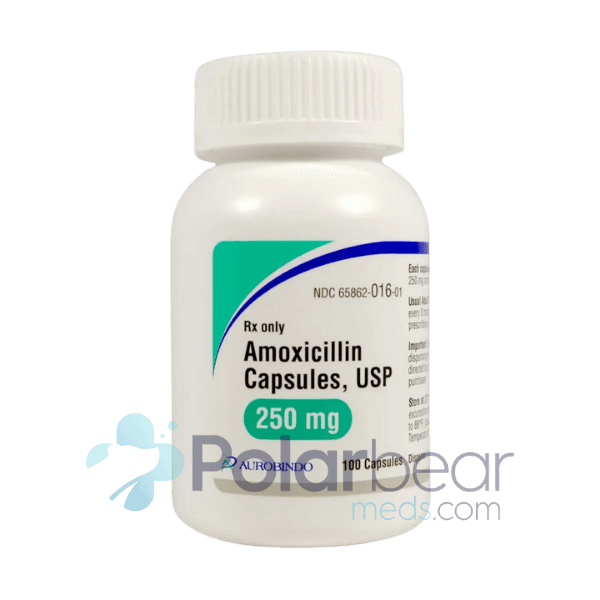
Amoxicillin - Image 1

Amoxicillin

No packages found
price-match-guarantee

Price Match Guarantee

We offer competitive pricing on all our medications. Find a lower price? We'll match it from any verified Canadian online pharmacy! Know More

Similar Medications

How to Order

Ordering your medication online is simple and convenient.

STEP 01

Select the prescribed dosage and quantity, then proceed to checkout.

STEP 02

Sign in or create a new account.

STEP 03

Upload your prescription.

STEP 04

Complete your purchase by processing the payment.

Shipping takes approximately 3-5 business days.

Our Pharmacy Reviews

Read what our customers have to say about their shopping experience.

Product Details

Description

Amoxil is a widely prescribed antibiotic used to treat bacterial infections such as respiratory, urinary tract, skin, and ear infections. It works by inhibiting bacterial growth, making it highly effective against various infections. Available in Amoxil 250 mg capsule and Amoxil 500 mg capsule, it provides flexible dosing options based on the severity of the infection. You can buy Amoxil online from reputable sources for a convenient and cost-effective way to get your prescription. It is available in capsules, chewable tablets, and oral suspension to suit different patient needs. Taking Amoxil as prescribed is crucial to prevent antibiotic resistance and ensure a full recovery. Always consult your healthcare provider before starting this medication, especially if you have allergies to penicillin or are taking other medications.

Amoxil is a widely trusted antibiotic used to treat a variety of bacterial infections, including respiratory tract infections, urinary tract infections, skin infections, and ear, nose, and throat infections. It belongs to the penicillin family and works by inhibiting bacterial cell wall synthesis, effectively eliminating harmful bacteria from the body. Available in multiple forms and strengths, including Amoxil 250 mg capsule and Amoxil 500 mg capsule, this antibiotic ensures tailored treatment for patients with different medical needs. Whether prescribed for mild infections or more severe bacterial conditions, Amoxil remains a preferred choice due to its high efficacy and broad-spectrum coverage.

For those looking for a reliable source to purchase their medication, you can now buy Amoxil online with ease. Online purchasing offers the convenience of doorstep delivery and access to cost-effective pricing compared to traditional pharmacies. Amoxil is available in capsule form, chewable tablets, and an oral suspension, catering to different patient preferences. It is generally well-tolerated, but patients must complete the full course of treatment as their healthcare provider prescribes to prevent antibiotic resistance and completely eradicate bacterial infections.

Amoxil should be taken exactly as your doctor directs, with or without food. The Amoxil 250 mg capsule is commonly prescribed for milder infections, while the Amoxil 500 mg capsule is recommended for more severe bacterial conditions. Patients with penicillin allergies should avoid taking this medication and consult their healthcare provider for alternative antibiotics. When purchasing online, always ensure you get genuine, high-quality Amoxil from a reputable supplier to guarantee safety and effectiveness in your treatment.

Uses and Benefits

Amoxicillin is primarily used to treat a variety of bacterial infections. These include infections of the:

  • Ear, nose, and throat (such as tonsillitis, sinusitis, and otitis media)
  • Respiratory tract (including pneumonia and bronchitis)
  • Urinary tract
  • Skin and soft tissue
  • It is combined with other medications to eliminate H. pylori, a bacteria that causes ulcers.
Dosage

What Are the Forms & Strengths of Amoxicillin?

Amoxicillin is available in various forms and strengths, catering to different medical needs. The common forms of Amoxicillin include oral tablets, chewable tablets, capsules, and a powder that can be mixed with water to create an oral suspension. The strengths of Amoxicillin vary across these forms, ranging from:

  • Capsules are available in 250 mg and 500 mg.
  • Chewable tablets in 125 mg, 200 mg, 250 mg, and 400 mg.
  • Tablets in 500 mg and 875 mg strengths.
  • Oral suspension in concentrations like 125 mg/5 mL, 200 mg/5 mL, 250 mg/5 mL, and 400 mg/5 mL​

What Is the Recommended Dosage of Amoxicillin?

Amoxicillin is a widely used antibiotic that is effective against various bacterial infections. The recommended dosage varies based on the type and severity of the infection, as well as patient-specific factors such as age and weight. Below are general guidelines:

Adults and Children Weighing 40 kg or More

  • Mild to Moderate Infections:
    • 500 mg every 12 hours, or
    • 250 mg every 8 hours.
  • Severe Infections:
    • 875 mg every 12 hours, or
    • 500 mg every 8 hours.

Children Younger Than 40 kg

  • Mild to Moderate Infections:
    • 20 mg/kg/day divided every 8 hours, or
    • 25 mg/kg/day divided every 12 hours.
  • Severe Infections:
    • 40 mg/kg/day divided every 8 hours, or
    • 45 mg/kg/day divided every 12 hours.

Infants Aged 3 Months or Younger

  • 30 mg/kg/day divided every 12 hours.

Treatment of Helicobacter pylori Infection in Adults

  • Dual Therapy:
    • 1,000 mg of Amoxicillin and 30 mg of lansoprazole were administered thrice daily for 14 days.
  • Triple Therapy:
    • 1,000 mg of Amoxicillin, 500 mg of clarithromycin, and 30 mg of lansoprazole, all taken twice daily for 14 days.

[Note: Remember, these recommendations may vary from person to person. Discuss it with your doctor, and they'll customize your dosage accordingly.]

Usage Guide

Using Amoxicillin properly is essential for clearing up infections and preventing the development of antibiotic-resistant bacteria. Here, we outline essential guidelines on the correct usage of Amoxicillin, from dosage accuracy to the importance of completing the full course of therapy. Follow these practices to maximize the antibiotic's benefits and protect your health.

  • Always take Amoxicillin exactly as prescribed by your doctor. The medication can be taken with or without food, but taking it with food might help avoid stomach upset. Ensure to take your doses at the same times each day to maintain a consistent level of medication in your body.
  • If you're using Amoxicillin oral suspension, shake the bottle well before measuring a dose. Use the measuring device with the medicine or a specially marked spoon—not a regular household spoon—to ensure you get the correct dose.
  • If chewable tablets are prescribed, make sure to chew them thoroughly before swallowing.
  • Swallow Amoxicillin capsules and regular tablets whole; do not crush, break, or chew them.
  • It's crucial to complete the full course of treatment as prescribed, even if you start to feel better earlier. Stopping the medication too soon can lead to the development of antibiotic-resistant bacteria.
  • Inform your doctor about all other medications you are taking, as Amoxicillin can interact with them, potentially leading to side effects or reduced effectiveness.

[Note: Your doctor will decide the right amount for you based on your condition, following guidelines and studies on the drug. They'll adjust it as needed over time.]

How It Works

Amoxicillin works by killing bacteria that cause infections. It does this by stopping the bacteria from making their cell walls, which are needed for them to survive. When the bacteria try to grow and divide, they can't form these protective walls and eventually break apart and die. This action helps to clear up the infection in your body. Amoxicillin is effective against a variety of bacteria, making it one of the most commonly used antibiotics for infections like throat infections, ear infections, and sinus infections.

Side Effects

What Are the Side Effects of Amoxicillin?

Common Side Effects: Amoxicillin is generally well-tolerated, but it can cause side effects like all medications. Here are some common side effects of Amoxicillin, each explained in detail:

  • Nausea and Vomiting: These are common gastrointestinal reactions to Amoxicillin. Your stomach might feel upset, and you may feel like vomiting. This happens because the antibiotic can disrupt the balance of bacteria in your stomach.
  • Diarrhea: Amoxicillin can affect the balance of bacteria in your intestines, leading to diarrhea. This occurs fairly commonly and can range from mild to severe. It's important to stay hydrated if you experience this side effect.
  • Skin Rash: It is common to develop a rash while taking Amoxicillin. Rashes may appear as small, flat, or raised discolored patches on the skin, often starting on the chest, stomach, or back. While these rashes are usually not caused by a severe allergic reaction, they can be uncomfortable and itchy.
  • Vaginal Yeast Infection: Since Amoxicillin can kill both harmful and beneficial bacteria, it may disrupt the normal balance of yeast and bacteria in the vagina, leading to yeast infections. Symptoms include itching, redness, and a discharge that may look like cottage cheese.
  • Abnormal Taste Sense: Some people may experience a change in taste, such as a metallic taste, while taking Amoxicillin. This is due to the drug's effect on how the body absorbs minerals like zinc, which can influence taste sensations.

Serious Side Effects of Amoxicillin: Amoxicillin can cause several serious side effects, although these are relatively rare. Here are some of the serious side effects associated with Amoxicillin, each explained in detail:

  • Anaphylaxis: This is a life-threatening allergic reaction that can occur with Amoxicillin. Symptoms include severe swelling of the face, lips, tongue, or throat, difficulty breathing, rapid heartbeat, and dizziness. Immediate medical attention is required as anaphylaxis can be fatal if not treated promptly.
  • Stevens-Johnson Syndrome (SJS): This serious disorder affects the skin and mucous membranes, causing symptoms like painful red or purplish rash that spreads and blisters, eventually leading to the top layer of skin dying and shedding. It requires hospitalization and can be life-threatening.
  • Toxic Epidermal Necrolysis (TEN): Similar to SJS but more severe, TEN involves widespread skin peeling that can lead to severe infections and fluid loss. It is extremely dangerous and carries a high risk of mortality, requiring immediate medical intervention.
  • Hepatitis and Cholestatic Jaundice: Amoxicillin can cause liver damage, manifesting as hepatitis (inflammation of the liver) or cholestatic jaundice (where bile flow from the liver is blocked, causing yellowing of the skin, eyes, and mucous membranes). Symptoms include dark urine, light-colored stools, and yellowing of the skin or eyes.
  • Pseudomembranous Colitis: This condition involves colon inflammation due to the overgrowth of Clostridium difficile bacteria, which can occur when antibiotics disrupt the normal bacterial balance in the gut. Symptoms include severe diarrhea, abdominal pain, and fever. Treatment might require stopping Amoxicillin and starting specific antibiotics for Clostridium difficile.
  • Hemolytic Anemia: This type of anemia occurs when red blood cells are destroyed faster than they can be made. In the context of Amoxicillin use, it is an immune reaction that can lead to symptoms such as fatigue, pale skin, shortness of breath, and dark urine.
  • Interstitial Nephritis: This kidney disorder involves inflammation of the kidney's tubules and surrounding structures. It can lead to problems like kidney failure if not treated. Symptoms may include fever, rash, blood in the urine, and changes in urine output.

[Note: Remember, this list may not cover all possible side effects. Always consult with your healthcare giver for medical advice about side effects.]

Warnings

If you’ve been prescribed Amoxicillin, there are a few important things you need to know to stay safe. While it’s a powerful antibiotic, it can also cause unexpected reactions if not taken properly. From drug interactions to possible allergies, here’s what you should watch out for to ensure a smooth recovery.

  • Allergic Reactions: Do not use Amoxicillin if you are allergic to any penicillin antibiotic, including ampicillin and penicillin. Signs of an allergic reaction include rash, itching, swelling, severe dizziness, and trouble breathing.
  • Mononucleosis: If you have mononucleosis (often called "mono"), you may be more likely to develop a rash from Amoxicillin.
  • Kidney Disease: Patients with kidney disease may need an adjusted dose of Amoxicillin or choose a different antibiotic altogether.
  • Pregnancy and Breastfeeding: Amoxicillin is generally considered safe during pregnancy and breastfeeding, but you should always inform your doctor if you are pregnant or plan to become pregnant while using the medication. Although Amoxicillin passes into breast milk, it is considered safe for nursing infants.
  • Interaction with Birth Control: Amoxicillin can make hormonal birth control pills less effective, so consider using additional non-hormonal birth control methods like condoms while taking Amoxicillin.
  • Diarrhea: Antibiotics, including Amoxicillin, can cause severe diarrhea associated with Clostridium difficile. If you develop severe diarrhea, it is important to contact a healthcare provider immediately.
  • Drug Interactions: Amoxicillin can interact with other medications, such as blood thinners like warfarin, increasing the risk of bleeding, and allopurinol, which can increase the risk of developing a rash. Always inform your healthcare provider about all the medications you are taking to manage potential interactions effectively.
Safety Guide

Amoxicillin is a commonly prescribed antibiotic, but proper precautions must be taken to ensure its safe and effective use. Understanding potential allergic reactions, drug interactions, and appropriate dosage guidelines can help prevent adverse effects. Read further to learn the essential safety measures for taking Amoxicillin responsibly.

  • Allergic Reactions: Inform your doctor if you have a history of allergies to Amoxicillin, penicillin, or cephalosporin antibiotics. Allergic reactions can range from mild skin rashes to severe anaphylaxis, which is life-threatening. Symptoms may include itching, hives, swelling, and difficulty breathing. Immediate medical attention is crucial if these occur.
  • Medication Interactions: Disclose all medications, supplements, and herbal products you are currently taking to your healthcare provider. Amoxicillin can interact with other drugs, potentially altering its effectiveness or increasing the risk of side effects. For example, it may reduce the efficacy of oral contraceptives, necessitating additional contraceptive measures during treatment.
  • Mononucleosis: Avoid using Amoxicillin if you have mononucleosis, commonly known as "mono." Administering Amoxicillin in such cases has been associated with developing a distinctive skin rash, which may complicate the clinical picture and cause discomfort.
  • Kidney or Liver Disease: If you have a history of kidney or liver disease, inform your doctor. Impaired kidney or liver function can affect the metabolism and excretion of Amoxicillin, potentially leading to increased drug levels in the body and a higher risk of adverse effects. Dosage adjustments or alternative treatments may be necessary.
  • Pregnancy and Breastfeeding: Discuss with your healthcare provider if you are pregnant, planning to become pregnant, or breastfeeding. While Amoxicillin is generally considered safe during pregnancy and lactation, it's essential to weigh the benefits and potential risks to the fetus or infant.
  • Completing the Full Course: Even if you feel better before finishing the prescribed course of Amoxicillin, continue taking it as directed. Stopping the medication prematurely can result in the incomplete eradication of bacteria, leading to a resurgence of the infection and the development of antibiotic-resistant strains.
  • Severe Diarrhea: Be vigilant for symptoms of severe diarrhea, which may indicate a condition called Clostridioides difficile-associated diarrhea. This can occur during or after antibiotic treatment and requires prompt medical attention. Avoid using anti-diarrheal products without consulting your doctor, as they may worsen the condition.
Contraindications

Amoxicillin is contraindicated in patients who have experienced a serious hypersensitivity reaction (e.g., anaphylaxis or Stevens-Johnson syndrome) to Amoxicillin or other β-lactam antibiotics, such as penicillins and cephalosporins.

Additionally, individuals with a history of hypersensitivity to any penicillin should not use Amoxicillin. Furthermore, patients with infectious mononucleosis are advised to avoid Amoxicillin, as its use in these individuals has been associated with the development of a rash.

Therefore, Amoxicillin is contraindicated in patients with:

  • A history of serious hypersensitivity reactions to Amoxicillin or other β-lactam antibiotics.
  • Known hypersensitivity to any penicillin.
  • Infectious mononucleosis is due to the increased risk of rash development.
Missed Dose

If you miss a dose of Amoxicillin, take it as soon as you remember. However, if it's almost time for your next dose, skip the missed dose and continue with your routine dosing schedule. Do not take a double dose to make up for the missed dose.

Note that consistently taking your medicines as prescribed is essential to effectively clear the infection and prevent bacteria from becoming resistant to antibiotics. If you miss multiple doses or are unsure about what to do, consult your healthcare professional for guidance. To help remember your doses, consider setting alarms, linking medication times to daily routines, or using a pill organizer. These strategies can improve adherence to your prescribed regimen.

[Note: If you have missed a medication dose and are unsure when to take the next one, immediately consult your doctor or pharmacist.]

Overdose

Accidentally taking an extra dose of Amoxicillin is unlikely to cause serious harm. However, it may increase the likelihood of experiencing side effects such as stomach pain, diarrhea, nausea, or vomiting. If you have taken more than one extra dose, are concerned, or experience severe side effects, it's advisable to consult your doctor or seek medical advice promptly. In the event of an overdose, symptoms may include nausea, vomiting, diarrhea, and decreased urination. While serious complications are present, it's important to seek immediate medical attention if you suspect an overdose.

[Note: If you consumed more than the recommended dose, get medical help immediately or call the Poison Help line at 1-800-222-1222.]

Storage Guide

Proper storage of Amoxicillin is essential to maintain its effectiveness and prevent degradation. Whether in tablet, capsule, or liquid form, following the right storage guidelines ensures the medication remains stable and safe. Below are key recommendations on how to store Amoxicillin correctly for optimal results.

  • Tablets and Capsules: Store at room temperature between 20°C and 25°C (68°F and 77°F). Keep them in a tightly closed container, away from moisture, heat, and direct light.
  • Oral Liquid Suspension:
    • To maintain stability and improve taste, store in the refrigerator at 2°C to 8°C (35°F to 46°F).
    • If refrigeration isn't possible, it can be kept at room temperature between 20°C and 25°C (68°F and 77°F).
    • Discard any unused liquid after 14 days, regardless of storage method.
  • General Tips:
    • Do not store Amoxicillin in damp areas like bathrooms, as moisture can degrade the medication.
    • Keep the medication away from direct sunlight to prevent degradation.
    • Do not freeze Amoxicillin, especially in its liquid form, as it can alter its effectiveness.

[Note: Discuss with your healthcare professional the proper disposal of unused medicine and any questions you may have regarding its storage.]

Interactions

Amoxicillin, a widely used antibiotic, can interact with various medications, potentially altering their effects or increasing the risk of adverse reactions. Notable interactions include:

  • Anticoagulants (e.g., warfarin): Amoxicillin may enhance the effects of anticoagulants, leading to an increased risk of bleeding. Patients on both medications should have their blood clotting parameters closely monitored, and dosage adjustments may be necessary.
  • Allopurinol: Co-administration with allopurinol, a medication used to manage gout, has been associated with an increased incidence of skin rashes. The exact mechanism is not fully understood, but caution is advised when these drugs are used together.
  • Probenecid: This medication, also used in gout treatment, can decrease the renal excretion of Amoxicillin, resulting in higher and prolonged blood levels of the antibiotic. This interaction may enhance both the therapeutic and adverse effects of Amoxicillin.
  • Methotrexate: Amoxicillin can reduce the renal clearance of methotrexate, a drug used in cancer therapy and autoimmune diseases, potentially leading to toxic levels. Patients receiving both medications should be monitored for signs of methotrexate toxicity, and dose adjustments may be necessary.
  • Other Antibiotics (e.g., chloramphenicol, macrolides, sulfonamides, tetracyclines): These antibiotics may interfere with the bactericidal action of Amoxicillin, potentially reducing its effectiveness. Combining these agents should be approached with caution, and alternative therapies may be considered.
  • Oral Contraceptives: While the evidence is not conclusive, some studies suggest that Amoxicillin may reduce the effectiveness of oral contraceptives by altering gut flora and enterohepatic circulation of estrogens. Patients are often advised to use additional contraceptive measures during antibiotic therapy.
  • Live Oral Typhoid Vaccine: Antibiotics like Amoxicillin can diminish the efficacy of live oral typhoid vaccines. It's recommended to avoid administering the vaccine during and for at least 24 hours after completing antibiotic therapy.

What Are the Other Amoxicillin Interactions?

Amoxicillin, like many medications, can interact with certain foods, medical conditions, and other substances, potentially affecting its effectiveness and safety. While some interactions may be minor, others can lead to complications requiring medical attention. Understanding these interactions—whether with food, diseases, or other drugs—can help you take Amoxicillin safely and maximize its benefits. Below is a detailed guide on important Amoxicillin interactions to be aware of.

  • Food Interactions:
    • Dairy Products: Unlike some antibiotics, Amoxicillin's absorption is not significantly affected by dairy products. Therefore, you can consume milk, cheese, and other dairy items while taking Amoxicillin without impacting its effectiveness.
  • Disease Interactions:
    • Colitis: Amoxicillin and other antibiotics can disrupt the natural balance of gut flora, potentially leading to Clostridioides difficile-associated diarrhea (CDAD). This condition ranges from mild diarrhea to severe colitis. Patients with a history of gastrointestinal diseases, especially colitis, should use Amoxicillin cautiously and report any severe or persistent diarrhea to their healthcare provider.
    • Mononucleosis: Administering Amoxicillin to patients with mononucleosis has been associated with the development of a pruritic erythematous maculopapular rash. This reaction is typically self-limiting and resolves upon discontinuation of the drug. Therefore, Amoxicillin is generally avoided in individuals diagnosed with mononucleosis.
    • Renal Dysfunction: Since Amoxicillin is primarily excreted by the kidneys, impaired renal function can lead to increased serum levels and prolonged half-life of the drug. Patients with renal dysfunction may require dosage adjustments and should be monitored for potential toxicity.
    • Phenylketonuria (PKU): Some formulations of Amoxicillin, particularly chewable tablets and suspensions, may contain aspartame, which metabolizes into phenylalanine. Individuals with PKU must monitor their phenylalanine intake to prevent adverse effects.
    • Diabetes: High urine concentrations of Amoxicillin may result in false-positive reactions when testing for glucose in urine using certain methods (e.g., Clinitest®, Benedict's Solution, or Fehling's Solution). Diabetic patients should use glucose tests based on enzymatic glucose oxidase reactions to avoid misleading results.
  • Other Interactions
    • Alcohol: Moderate alcohol consumption does not appear to interfere with the efficacy of Amoxicillin. However, combining alcohol with antibiotics can exacerbate side effects like stomach upset, dizziness, and drowsiness. It's advisable to limit alcohol intake during treatment to allow the body to effectively combat the infection.
    • Live Vaccines: Antibiotics like Amoxicillin can potentially reduce the efficacy of live bacterial vaccines (e.g., typhoid vaccine). It's recommended to avoid administering live vaccines during antibiotic therapy and consult with a healthcare provider for appropriate timing.

[Note: This isn't a complete list, and there could be other drugs that interact with Amoxicillin. Make sure to tell your doctor about any prescription, over-the-counter medicines, and herbal products you’re taking.]

Alternatives

If Amoxicillin isn't suitable for you due to allergies, resistance, or other medical reasons, several alternative antibiotics can effectively treat bacterial infections. These substitutes belong to different antibiotic classes and target various bacterial strains, ensuring appropriate treatment based on the type and severity of the infection. Below are some common alternatives:

  • Augmentin (Amoxicillin/clavulanate)
  • Keflex (cephalexin)
  • Omnicef (cefdinir)
  • Zithromax (azithromycin)
  • Vibramycin (doxycycline)
  • Levaquin (levofloxacin)
  • Cleocin (clindamycin)
  • Ceftin (cefuroxime)
  • Vantin (cefpodoxime)
  • Rocephin (ceftriaxone)

[Note: Your doctor will choose what’s best for you. Don’t use any of these alternative medications without consulting your healthcare provider. Taking them by yourself may cause serious side effects.]

Cost & Coupons

Managing bacterial infections shouldn’t strain your budget. While Amoxicillin is a widely trusted antibiotic for treating a variety of bacterial infections, its cost in some regions can make consistent access challenging. At Polar Bear Meds, we are dedicated to providing affordable, high-quality medications so you can get the treatment you need without overspending. If you're looking for a cost-effective option, buy Amoxicillin with a coupon from Canada and receive top-quality medication at a lower price. Take advantage of our exclusive discount to make your purchase even more budget-friendly. Use the code “WELCOMEPB10” at checkout to get 10% off your first order. With competitive pricing, reliable suppliers, and fast shipping, we ensure you receive genuine Amoxicillin without the hefty price tag. Don't let infections disrupt your health—order Amoxicillin online today and enjoy convenient, affordable treatment delivered right to your doorstep!

FAQ

Guarantee

AtPolarBearMeds.com, we assure you the most affordable price to buy Amoxicillin online from Canada. Rest easy knowing that your order will be dispatched from a reputable Licensed Canada Pharmacy Online, adhering to the highest standards of quality and authenticity. Our discounted medications are shipped directly from Canada to your doorstep, ensuring a swift and secure delivery experience. To conveniently buy Amoxicillin online at a substantial cost, call us at 1-888-779-2193 toll-free.

Important Notice

The content provided on the Polar Bear Meds website serves to increase knowledge about healthcare products and medical conditions and is strictly for informational purposes. It should not replace professional medical advice. We urge you to consult with a qualified healthcare professional prior to utilizing any prescription or over-the-counter medication. Our platform grants access to an extensive array of products, sourced internationally, including Canada. We collaborates with a licensed pharmacy partner in Canada and trusted dispensing pharmacies globally. All affiliated fulfillment centers are accredited by the regulatory authorities of their respective countries.

Dr. Jackson Miller

Medically Reviewed by "Dr. Jackson Miller (M.D)"

Dr. Jackson Miller is a board-certified medicine physician & hospitalist. He is a healthcare professional with a strong background in patient care. With years of experience and a patient-first approach, he believes the foundation of good health is a patient who feels informed and empowered. He contributes to medical content review, drawing on his background in clinical practice and patient education. He focuses on presenting health information in a clear, accurate, and accessible way to help readers make informed decisions. His work emphasizes clarity, evidence-based guidance, and understandable explanations of medical topics.

Find Dr. Jackson Miller on:LinkedIn
Price matching guarantee certificate

We offer competitive pricing on all our medications. We'll match if you find a lower price on an identical product at a verified Canadian online pharmacy!

Eligibility Criteria:

  • The competitor's price must be active (no past/future sales).
  • It is only valid for Canadian online pharmacies with a verifiable address.
  • The product must match the strength, pack size, quantity, manufacturer & origin.
  • There are no price matches on used/expired medications.
  • You must submit your requests before placing an order.
  • We cannot adjust prices after purchase.
  • Request via live chat or phone before placing your order.

Need help? Call our friendly support team at 1-888-779-2193 or fill out the Contact Form