Polarbearmeds - Home
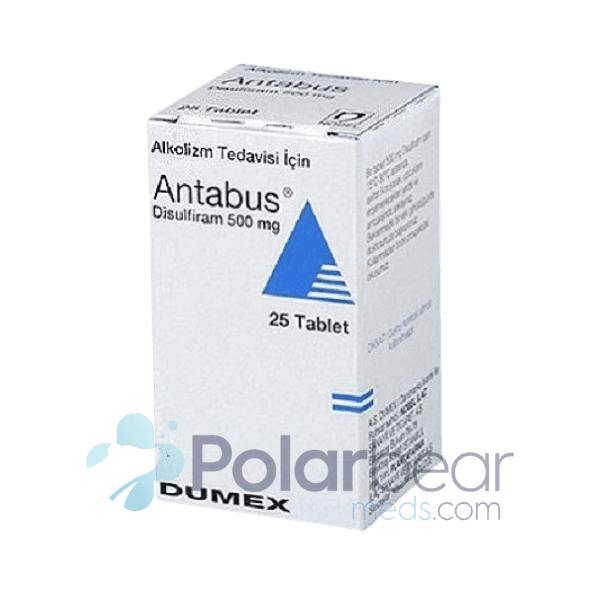
Antabus - Image 1

Antabus

No packages found
price-match-guarantee

Price Match Guarantee

We offer competitive pricing on all our medications. Find a lower price? We'll match it from any verified Canadian online pharmacy! Know More

How to Order

Ordering your medication online is simple and convenient.

STEP 01

Select the prescribed dosage and quantity, then proceed to checkout.

STEP 02

Sign in or create a new account.

STEP 03

Upload your prescription.

STEP 04

Complete your purchase by processing the payment.

Shipping takes approximately 3-5 business days.

5 Star Excellence award from Shopper Approved

Product Details

Description

Description

Antabus is a clinically proven medication that helps individuals with alcohol dependence by causing unpleasant effects when alcohol is consumed. By blocking the breakdown of alcohol in the body, Antabus leads to flushing, nausea, vomiting, dizziness, and rapid heartbeat, discouraging alcohol intake and supporting long-term abstinence. For a safe and affordable solution, you can buy Antabus online from Canada at a competitive price. Many individuals choose to buy Antabus at low cost to ensure continuous access to their medication without financial burden. Available in 250 mg and 500 mg oral tablets, Antabus is taken once daily, with a maintenance dose ranging from 125 mg to 500 mg per day. To ensure safety, avoid alcohol-containing products, including cough syrups, mouthwashes, and certain food extracts, as they may trigger a reaction.

Overcoming alcohol dependence can be challenging, but Antabus is a trusted medication that helps individuals maintain sobriety. Antabus works by blocking the enzyme aldehyde dehydrogenase, which prevents the body from metabolizing alcohol properly. When alcohol is consumed, it leads to a buildup of acetaldehyde, causing unpleasant reactions such as severe nausea, vomiting, flushing, dizziness, rapid heartbeat, and low blood pressure. This discourages alcohol consumption and supports long-term sobriety.

You can buy Antabus online from Canada at an affordable price, ensuring access to safe and high-quality medication for alcohol dependence treatment. Many individuals prefer to buy Antabus at low cost to support their recovery journey without financial strain. Antabus is available in oral tablet form with strengths of 250 mg and 500 mg. The typical initial dose is 500 mg once daily for 1–2 weeks, followed by a maintenance dose of 125 mg to 500 mg daily, depending on individual tolerance. It is crucial to avoid alcohol in all forms, including in everyday products like mouthwashes, cough syrups, and cooking extracts, as even small amounts can trigger a reaction.

For those looking for alternative treatments, medications like Naltrexone (ReVia, Vivitrol), Acamprosate (Campral), and Topiramate (Topamax) can also help reduce alcohol cravings.

Take control of your recovery today! Buy Antabus online from Canada for a reliable and effective alcohol deterrent, ensuring a safe, structured path to sobriety.

Uses and Benefits

Uses and Benefits

  • Alcohol Dependence Treatment
  • Alcohol Use Disorder (AUD) Management
  • Relapse Prevention in Alcoholism
  • Support in Abstinence Programs
Dosage

Dosage

What Are the Forms & Strengths of Antabus?

  • Forms:
    • Oral Tablets
  • Strengths:
    • 250 mg
    • 500 mg

What Is the Recommended Dosage of Antabus?

The dosage of Antabus varies based on the patient's medical condition, response to treatment, and physician's guidance. Below are the standard dosage recommendations:

Dosage for Adults (Alcohol Dependence Treatment)

  • Initial Dose: 500 mg once daily for 1–2 weeks.
  • Maintenance Dose: 125 mg to 500 mg once daily, adjusted based on response.
  • Maximum Dose: 500 mg per day.

Dosage for Elderly Patients

  • Start at a lower dose (e.g., 250 mg daily) due to potential sensitivity.
  • Adjust based on tolerance and medical conditions.

3. Dosage for Patients with Liver or Kidney Impairment

  • Lower starting dose (125 mg to 250 mg per day) to reduce the risk of toxicity.
  • Regular liver function monitoring is required due to potential liver damage.

4. Dosage for Long-Term Maintenance Therapy

  • 125 mg to 500 mg daily, based on individual tolerance.
  • Some patients may take Antabus every other day if their doctor advises them to do so.

[Note: Remember, these recommendations may vary from person to person. Discuss it with your doctor, and they'll customize your dosage accordingly.]

Usage Guide

Usage Guide

To ensure the safe and effective use of Antabus for alcohol dependence treatment, follow these guidelines:

  • Take as Prescribed: Follow your doctor's instructions carefully. Do not change the dosage without medical supervision.
  • Wait Before Starting: Ensure you have not consumed alcohol for at least 12 hours before taking the first dose to prevent severe reactions.
  • Take Once Daily: Typically, Antabus is taken once a day, preferably in the morning. If drowsiness occurs, your doctor may recommend taking it at night.
  • Swallow Whole: Take the tablet with a full glass of water. Do not crush, chew, or break it unless directed by your doctor.
  • Avoid Alcohol in All Forms: Even small amounts of alcohol, including in cough syrups, mouthwashes, cooking extracts, and certain skincare products, can trigger severe reactions.
  • Be Consistent: For best results, take Antabus at the same time each day to maintain a steady level in your system.
  • Do Not Stop Abruptly: Stopping without consulting your doctor may lead to a higher risk of relapse.
  • Monitor for Side Effects: Report any symptoms, such as dizziness, nausea, vomiting, or severe headaches, to your doctor.
  • Inform Healthcare Providers: Before any medical or dental procedures, inform professionals that you are taking Antabus, as certain anesthetics and medications may interact with it.

[Note: Your doctor will decide the right amount for you based on your condition, following guidelines and studies on the drug. They'll adjust it as needed over time.]

How It Works

How It Works

This medication works by creating an intense sensitivity to alcohol, making drinking unpleasant and discouraging alcohol consumption. It blocks the enzyme aldehyde dehydrogenase, which is responsible for breaking down acetaldehyde, a toxic byproduct of alcohol metabolism. When alcohol is consumed, acetaldehyde accumulates in the body, leading to severe discomfort, known as the disulfiram-alcohol reaction. This reaction causes flushing, nausea, vomiting, headache, sweating, rapid heartbeat, dizziness, and low blood pressure within 10 to 30 minutes of alcohol intake. The effects can last for several hours, reinforcing the negative physical consequences associated with drinking.

Antabus does not cure alcoholism but serves as a deterrent by discouraging alcohol consumption. It is most effective when combined with counseling, therapy, and a structured sobriety program to support long-term abstinence. The medication remains active in the body for up to 14 days after the last dose, meaning alcohol should be avoided even after stopping treatment.

Side Effects

Side Effects

What Are the Side Effects of Antabus?

While Antabus is effective in treating alcohol dependence, it may cause some side effects. Below are the most common side effects of this medication that one may experience:

  • Drowsiness and Fatigue: Many individuals experience drowsiness or fatigue when taking Antabus. This occurs because disulfiram affects the body's metabolism and nervous system, leading to a feeling of tiredness or sluggishness. If drowsiness is severe, it may interfere with daily activities such as driving or operating heavy machinery. Taking the medication at night may help minimize daytime fatigue.
  • Headache: Antabus can cause frequent headaches, especially in the early stages of treatment. These headaches result from changes in blood circulation and the way the body metabolizes toxins. While headaches are usually mild to moderate, persistent or severe headaches should be reported to a doctor, as they may indicate an underlying issue.
  • Metallic or Garlic-Like Taste in Mouth: One of the most common complaints among Antabus users is a persistent metallic or garlic-like taste in the mouth. This occurs due to the way disulfiram interacts with the body's metabolism and oral secretions. The taste can be unpleasant and last throughout the day, but staying hydrated and using sugar-free gum or mints may help reduce the sensation.
  • Skin Rash or Itching: Some individuals develop skin rashes or itching after taking Antabus. This reaction occurs due to increased sensitivity to the medication or an allergic response. If the rash is mild, it may subside on its own. However, severe itching, swelling, or hives should be reported to a doctor, as they may indicate an allergic reaction.
  • Nausea and Vomiting: Even without consuming alcohol, some users experience nausea or vomiting as a side effect of Antabus. This is due to the way the medication affects the digestive system and liver enzymes. Eating small, frequent meals and avoiding spicy or greasy foods may help reduce nausea. Persistent vomiting may require medical attention.
  • Weakness and Dizziness: Antabus may cause weakness or dizziness, particularly when standing up quickly. This happens because the medication can lower blood pressure slightly, leading to a temporary drop in circulation. To avoid dizziness, stand up slowly from a sitting or lying position and stay hydrated throughout the day.
  • Liver Function Changes: Antabus is metabolized in the liver, and in rare cases, it can cause elevated liver enzyme levels or liver toxicity. Symptoms of liver problems include yellowing of the skin or eyes (jaundice), dark urine, abdominal pain, or unusual fatigue. Regular liver function tests are recommended to monitor for potential complications.
  • Numbness or Tingling in Hands and Feet (Peripheral Neuropathy): Some individuals may experience tingling, numbness, or burning sensations in their hands and feet while taking Antabus. This is due to the medication’s effect on the nervous system. If symptoms worsen or become painful, consult a doctor, as long-term use of Antabus may contribute to nerve damage in rare cases.
  • Decreased Sexual Ability: Antabus may cause reduced libido or erectile dysfunction in some individuals. This occurs due to its effects on the central nervous system and blood circulation. While this side effect may improve over time, individuals experiencing persistent sexual dysfunction should discuss alternative treatment options with their healthcare provider.
  • Increased Sensitivity to Certain Products: Because Antabus blocks alcohol metabolism, users may react negatively to alcohol-containing products such as mouthwashes, aftershaves, perfumes, and certain medications (like cough syrups). Even small amounts of alcohol from these products can trigger symptoms like flushing, nausea, dizziness, and headache. Reading product labels carefully and avoiding alcohol-based products is essential.

Serious Side Effects of Antabus

Although Antabus is effective in treating alcohol dependence, it can lead to serious side effects in some individuals. These complications may include liver damage, nerve issues, heart problems, and severe allergic reactions. Some effects develop gradually, while others can occur suddenly. If any severe symptoms arise, seek immediate medical attention to avoid serious health risks.

  • Severe Liver Toxicity (Hepatotoxicity): Antabus can cause serious liver damage, leading to hepatitis, liver failure, or jaundice. Symptoms may include yellowing of the skin or eyes (jaundice), dark urine, upper abdominal pain, fatigue, nausea, and loss of appetite. Liver enzyme levels should be monitored regularly while on Antabus, and the medication should be discontinued if liver toxicity develops.
  • Peripheral Neuropathy (Nerve Damage): Long-term use of Antabus may lead to nerve damage, causing tingling, numbness, burning sensations, muscle weakness, or coordination issues, especially in the hands and feet. This occurs due to its effect on the nervous system and may worsen over time if untreated. If neuropathy symptoms appear, the medication should be reassessed by a doctor.
  • Psychotic Reactions (Severe Mental Changes): In rare cases, Antabus can cause hallucinations, paranoia, confusion, severe mood swings, or psychotic episodes. This may happen due to changes in neurotransmitter levels in the brain. Individuals with a history of mental health disorders are at a higher risk and should use Antabus with extreme caution.
  • Cardiovascular Complications (Heart-Related Issues): Antabus can trigger low blood pressure, rapid heart rate (tachycardia), arrhythmias, or chest pain, especially if alcohol is consumed. In rare cases, it can lead to severe hypotension or heart failure, which can be life-threatening. People with pre-existing heart disease should be closely monitored while on this medication.
  • Severe Allergic Reactions (Anaphylaxis & Angioedema): Some individuals may experience a life-threatening allergic reaction to Antabus, leading to swelling of the face, throat, or tongue, difficulty breathing, severe rash, itching, or dizziness. This condition requires immediate emergency medical attention, as it can progress to anaphylactic shock if left untreated.
  • Optic Neuritis (Vision Problems): Antabus can cause optic neuritis, an inflammation of the optic nerve that may result in blurred vision, eye pain, color vision disturbances, or even vision loss. If any changes in vision occur, the medication should be stopped, and an ophthalmologist should be consulted immediately.
  • Seizures and Convulsions: In rare cases, Antabus can lower the seizure threshold, increasing the risk of seizures, particularly in individuals with a history of epilepsy. Seizures may present as sudden convulsions, muscle rigidity, loss of consciousness, or involuntary movements. If seizures occur, the medication must be discontinued, and emergency care should be sought.
  • Respiratory Depression (Breathing Difficulties): Severe reactions to Antabus, especially when combined with alcohol or certain medications, can cause difficulty breathing, shortness of breath, or respiratory depression. This condition can be life-threatening and requires immediate medical intervention, particularly in individuals with pre-existing lung conditions like asthma or COPD.

[Note: Remember, this list may not cover all possible side effects. Always consult with your healthcare giver for medical advice about side effects.]

Warnings

Warnings

Antabus carries several important warnings that must be considered before and during use. These warnings help prevent serious complications and ensure safe treatment:

  • Severe Reaction with Alcohol: Even small amounts of alcohol—including those found in mouthwash, cough syrups, cooking extracts, and some skincare products—can trigger an intense reaction with symptoms like severe nausea, vomiting, chest pain, rapid heartbeat, low blood pressure, and difficulty breathing. This reaction can be life-threatening in some cases.
  • Liver Toxicity: Antabus may cause serious liver damage, leading to hepatitis, jaundice, or liver failure. Patients should undergo regular liver function tests and seek immediate medical attention if they experience yellowing of the skin or eyes, dark urine, persistent nausea, or abdominal pain.
  • Neurological Effects: Long-term use of Antabus can cause peripheral neuropathy, leading to tingling, numbness, burning sensations, or muscle weakness, particularly in the hands and feet. Patients should report any unusual nerve-related symptoms to their doctor.
  • Psychiatric Reactions: Antabus may worsen mental health conditions and, in rare cases, cause paranoia, hallucinations, depression, or psychotic episodes. Patients with a history of mental illness should use Antabus with caution and be closely monitored.
  • Heart Risks: Some patients may experience dangerous heart-related effects, including low blood pressure, rapid heart rate (tachycardia), and arrhythmias. Those with a history of heart disease or high blood pressure should be closely monitored while on this medication.
  • Seizure Risk: Antabus may lower the seizure threshold, increasing the risk of convulsions in individuals with a history of epilepsy or seizure disorders. If seizures occur, the medication should be stopped immediately, and medical help should be sought.
  • Respiratory Depression: In rare cases, Antabus can cause breathing difficulties, particularly in individuals with pre-existing lung conditions such as asthma or COPD. Any signs of shortness of breath, wheezing, or respiratory distress should be reported immediately.

Not Recommended for Pregnant or Breastfeeding Women: Antabus should only be used during pregnancy if absolutely necessary, as its effects on fetal development are not well-studied. It is also not recommended for breastfeeding mothers, as it may pass into breast milk and affect the infant.

Safety Guide

Safety Guide

Before taking Antabus, certain precautions must be followed to ensure safe and effective use. These guidelines help reduce risks and improve treatment outcomes:

  • Avoid All Sources of Alcohol: Even small amounts of alcohol in mouthwash, cough syrups, vinegar, perfumes, and cooking extracts can trigger a severe reaction. Read labels carefully and avoid alcohol-based products.
  • Wait Before Starting Treatment: Do not take Antabus unless you have been alcohol-free for at least 12 hours to prevent an immediate and dangerous reaction.
  • Monitor Liver Function Regularly: Antabus may cause serious liver damage. Routine liver function tests are necessary, and any signs of jaundice (yellowing of the skin or eyes), dark urine, or persistent nausea should be reported to a doctor immediately.
  • Be Cautious with Medical Procedures: Inform all healthcare providers, including dentists and surgeons, that you are taking Antabus, as some anesthetics, antiseptics, and medications may contain alcohol.
  • Use with Caution in Patients with Heart Disease: Antabus can cause low blood pressure, arrhythmias, and rapid heart rate. Patients with a history of cardiovascular disease, hypertension, or stroke should be closely monitored.
  • Watch for Neurological Symptoms: Long-term use of Antabus may lead to nerve damage (peripheral neuropathy), causing numbness, tingling, or weakness in the hands and feet. Report any unusual sensations to your doctor.
  • Be Aware of Psychiatric Side Effects: Some patients may experience severe mood changes, depression, paranoia, or hallucinations. If new or worsening mental health symptoms occur, contact a healthcare provider immediately.
  • Caution in Patients with Seizure Disorders: Antabus can lower the seizure threshold, making individuals with a history of epilepsy or convulsions more susceptible to seizures.
  • Not Recommended for Pregnant or Breastfeeding Women: The effects of Antabus on unborn babies are not fully known, and it may pass into breast milk, potentially affecting the infant.

Avoid Driving or Operating Heavy Machinery: Antabus may cause drowsiness, dizziness, or coordination issues, which can affect daily activities requiring focus.

Contraindications

Contraindications

Antabus is contraindicated in certain medical conditions and situations where its use may lead to serious health risks. It should not be used in the following cases:

  • Recent Alcohol Consumption: Antabus should not be taken if alcohol has been consumed within the past 12 hours, as it can trigger a severe and potentially dangerous reaction, including vomiting, rapid heartbeat, difficulty breathing, and fainting.
  • Severe Liver Disease or Hepatitis: Individuals with active liver disease, cirrhosis, or hepatitis should avoid Antabus, as it can cause severe liver toxicity, leading to jaundice, liver failure, or life-threatening complications.
  • Severe Heart Disease: Patients with a history of heart conditions such as coronary artery disease, heart failure, arrhythmias, or uncontrolled hypertension should not take Antabus, as it may cause low blood pressure, irregular heart rhythms, or increased heart strain.
  • Psychotic Disorders: Antabus is contraindicated in individuals with a history of psychosis, schizophrenia, or severe psychiatric disorders, as it may worsen mental health symptoms, cause paranoia and hallucinations, or lead to psychotic episodes.
  • Hypersensitivity to Disulfiram or Related Compounds: Individuals who have had an allergic reaction to disulfiram or similar drugs (such as thiuram derivatives found in pesticides or rubber products) should avoid Antabus due to the risk of severe allergic reactions, including anaphylaxis.
  • History of Severe Neuropathy: Patients with peripheral neuropathy (nerve damage) or a history of neurological disorders should not take Antabus, as it can worsen symptoms like numbness, tingling, muscle weakness, or coordination problems.
  • Severe Kidney Disease: Individuals with severe renal impairment should avoid Antabus, as the medication may accumulate in the body, leading to toxicity and worsening kidney function.
  • Pregnancy and Breastfeeding: Antabus is not recommended during pregnancy, as its safety in fetal development is uncertain. It should also be avoided while breastfeeding, as it may pass into breast milk and affect the infant.

History of Seizure Disorders: Antabus may lower the seizure threshold, making it unsuitable for individuals with a history of epilepsy or uncontrolled seizures.

Missed Dose

Missed Dose

If you miss a dose of Antabus, follow these guidelines to avoid potential issues:

  • Take the missed dose as soon as you remember unless it is close to your next scheduled dose.
  • If it is almost time for your next dose, skip the missed dose and continue with your regular dosing schedule.
  • Do not double the dose to make up for a missed one, as this may increase the risk of side effects such as drowsiness, dizziness, or liver toxicity.
  • Maintain a consistent routine to help avoid missing doses. Consider setting a daily alarm or reminder to take Antabus at the same time each day.
  • If you frequently forget doses, speak with your doctor or pharmacist, as missing multiple doses may reduce the effectiveness of the treatment in preventing alcohol consumption.

[Note: If you have missed a dose of your medication and are unsure about when to take the next one, immediately consult your doctor or pharmacist.]

Overdose

Overdose

Taking too much Antabus can lead to serious toxicity and life-threatening complications. The severity of an overdose depends on the amount taken, individual tolerance, and whether alcohol was consumed.

Common Symptoms of Antabus Overdose:

  • Severe drowsiness and confusion: High doses can impair cognitive function, leading to disorientation, memory loss, and difficulty concentrating.
  • Extreme nausea and vomiting: Overdose can cause persistent nausea, stomach pain, and excessive vomiting, leading to dehydration.
  • Low blood pressure (hypotension): Excessive doses may cause dangerously low blood pressure, resulting in dizziness, fainting, or shock.
  • Rapid or irregular heartbeat (arrhythmias): Overdose may lead to severe heart rhythm disturbances, potentially causing cardiac arrest.
  • Seizures and convulsions: In some cases, Antabus overdose can trigger seizures, particularly in individuals with a history of epilepsy or neurological disorders.
  • Severe liver toxicity: High doses can damage the liver, leading to jaundice (yellowing of the skin/eyes), dark urine, abdominal pain, and acute liver failure.

Respiratory depression: In extreme cases, an overdose may cause slow or shallow breathing, leading to coma or respiratory failure.

What to Do in Case of an Overdose?

  • Call emergency services (911 or your local poison control center) immediately.
  • Do not attempt to induce vomiting unless instructed by a healthcare professional.
  • Provide supportive care such as keeping the person awake, ensuring they are breathing properly, and preventing choking if unconscious.
  • Hospital treatment may include activated charcoal, IV fluids, blood pressure stabilization, seizure management, and intensive monitoring for liver and heart complications.

An Antabus overdose is a medical emergency, and immediate treatment is crucial to prevent serious or fatal outcomes. Always follow prescribed dosing instructions and seek medical advice before making any changes to your medication regimen.

[Note: If you consumed more than the recommended dose, get medical help right away or call the Poison Help line at 1-800-222-1222.]

Storage Guide

Storage Guide

Proper storage of Antabus ensures its effectiveness and prevents deterioration. Follow these guidelines to store it safely:

  • Store at room temperature: Keep Antabus between 20°C to 25°C (68°F to 77°F). Short-term exposure to slightly higher or lower temperatures is acceptable, but extreme heat or cold should be avoided.
  • Keep in a dry place: Avoid storing the medication in humid areas such as the bathroom, near sinks, or in the kitchen, as moisture can degrade the tablets.
  • Protect from direct sunlight and heat: Store in a cool, dry place away from direct light, high temperatures, or open flames, which can affect its stability.
  • Keep in the original container: Store Antabus in its pharmacy-provided bottle with the cap tightly closed to prevent contamination and exposure to air.
  • Keep out of reach of children and pets: Accidental ingestion can be dangerous, so store the medication in a secure location.
  • Do not refrigerate or freeze: Antabus should not be stored in extremely cold conditions unless specifically advised by a pharmacist.
  • Properly dispose of expired or unused medication: Do not flush it down the toilet. Instead, follow local disposal guidelines or return it to a pharmacy take-back program.

[Note: Discuss with your healthcare professional about the proper disposal of any unused medicine and any questions you may have regarding its storage.]

Interactions

Interactions

Antabus interacts with several medications, which can lead to serious side effects, reduced drug effectiveness, or toxic buildup. Below are key drug interactions and their potential risks.

  • Alcohol-Containing Medications (e.g., Cough Syrups, Mouthwashes, Liquid Antibiotics): Even small amounts of alcohol in medications like NyQuil, Robitussin, and certain liquid antibiotics (e.g., metronidazole suspension) can trigger a severe disulfiram-alcohol reaction. This may cause flushing, nausea, vomiting, severe headache, sweating, rapid heartbeat, and low blood pressure. Patients should check medication labels and avoid alcohol-based products.
  • Metronidazole (Flagyl): Metronidazole, an antibiotic used to treat bacterial infections, can cause severe nausea, vomiting, rapid heartbeat, and psychotic reactions when combined with Antabus. This combination increases the risk of serotonin toxicity and nervous system complications, leading to confusion, hallucinations, or agitation. It should be avoided in patients taking Antabus.
  • Warfarin (Coumadin) and Other Blood Thinners: Antabus can inhibit the metabolism of warfarin, leading to an increased risk of bleeding. This interaction can cause bruising, prolonged bleeding from minor cuts, nosebleeds, or even life-threatening internal bleeding. Patients on warfarin should have regular blood clotting tests (INR levels) and be closely monitored.
  • Phenytoin (Dilantin) and Other Anticonvulsants: Antabus inhibits the breakdown of phenytoin, leading to dangerously high levels in the bloodstream. This can result in drowsiness, confusion, slurred speech, lack of coordination, or severe toxicity, including seizures. Patients taking anticonvulsants should have drug-level monitoring to prevent overdose.
  • Isoniazid (Used for Tuberculosis Treatment): Isoniazid and Antabus together may cause liver toxicity, extreme drowsiness, memory loss, and confusion. The combination increases the risk of hepatitis or liver failure, requiring regular liver function tests (LFTs) for monitoring. Patients experiencing jaundice, abdominal pain, or persistent nausea should seek immediate medical attention.
  • Benzodiazepines (e.g., Diazepam, Lorazepam, Alprazolam, Clonazepam): Antabus may slow the metabolism of benzodiazepines, leading to excessive sedation, dizziness, confusion, and respiratory depression. Patients taking benzodiazepines for anxiety or seizures may require dose adjustments to prevent an overdose. Combining these drugs should be done only under close medical supervision.
  • Tricyclic Antidepressants (e.g., Amitriptyline, Nortriptyline, Imipramine): Antabus can alter the metabolism of tricyclic antidepressants, leading to unpredictable mood changes, excessive drowsiness, dizziness, and increased heart rate. Patients on these medications should be monitored for worsening depression, confusion, or hallucinations, and dosage adjustments may be necessary.
  • Theophylline (Used for Asthma and COPD): Antabus may increase the levels of theophylline, leading to nausea, vomiting, tremors, nervousness, and irregular heartbeats. This interaction can cause serious cardiovascular complications, making it necessary to adjust theophylline dosing or choose an alternative treatment for respiratory conditions.
  • Chlorpromazine (Used for Schizophrenia and Psychotic Disorders): Combining Antabus with chlorpromazine can increase sedation, confusion, and dizziness. It may also exacerbate psychotic symptoms or cause severe low blood pressure. Patients taking antipsychotic medications should be carefully monitored for excessive drowsiness and mental health changes.

Rifampin (Used for Tuberculosis and Bacterial Infections): Rifampin may reduce the effectiveness of Antabus by increasing its metabolism, leading to reduced alcohol deterrent effects. This may increase the risk of relapse into alcohol use. Patients taking both drugs should have their Antabus dose adjusted as needed.

What Are the Other Antabus Interactions?

Apart from medications, Antabus can interact with certain foods, beverages, medical conditions, and lifestyle factors. These interactions may affect its effectiveness or increase the risk of severe side effects.

  • Alcohol-Containing Products: Even trace amounts of alcohol in mouthwashes, cough syrups, aftershaves, perfumes, vinegar, cooking extracts (like vanilla or rum extract), and certain skin products can trigger a disulfiram-alcohol reaction. This can cause flushing, nausea, severe vomiting, dizziness, rapid heartbeat, and low blood pressure. Patients must read labels carefully and avoid all alcohol-based products.
  • Certain Medical Conditions (Liver, Kidney, and Heart Diseases)
    • Liver Disease: Antabus can cause liver toxicity, making it risky for individuals with cirrhosis, hepatitis, or liver dysfunction. Regular liver function tests (LFTs) are required.
    • Kidney Disease: Antabus may accumulate in the body in patients with renal impairment, leading to increased toxicity.
    • Heart Disease: Antabus can cause low blood pressure, rapid heart rate, or arrhythmias, which may worsen conditions like hypertension, heart failure, or coronary artery disease.
  • High-Sugar or Fermented Foods: Certain fermented or high-sugar foods can contain small amounts of naturally occurring alcohol, which may trigger a mild disulfiram-like reaction. Foods to be cautious of include:
    • Fermented foods: Sauerkraut, kimchi, kombucha, miso, soy sauce, and pickles.
    • Ripe or overripe fruits: Bananas, grapes, and citrus fruits.
    • Bakery items: Some bread and pastries made with yeast fermentation.
  • Caffeine and Stimulants: Antabus may slow the metabolism of caffeine, leading to increased effects like nervousness, insomnia, rapid heart rate, and jitteriness. Patients should limit coffee, energy drinks, or caffeinated sodas while on the medication.
  • Tobacco and Smoking: Smoking or using nicotine-containing products (such as vapes or nicotine patches) while on Antabus can increase the risk of high blood pressure, heart palpitations, and dizziness. Nicotine metabolism may also be affected, leading to increased cravings or withdrawal symptoms.
  • Hot Weather and Dehydration: Antabus can cause excessive sweating, flushing, and low blood pressure, especially in hot weather or during intense physical activity. Patients should stay hydrated, avoid prolonged sun exposure, and take breaks during strenuous activities.
  • Psychological Stress and Mood Changes: Some individuals experience increased anxiety, depression, irritability, or paranoia while taking Antabus. Stressful situations may worsen mood swings, making it important to incorporate counseling, therapy, or relaxation techniques to manage mental health.
  • Sleep Disturbances and Fatigue: Antabus may cause drowsiness or fatigue, leading to difficulty focusing, especially when driving or operating heavy machinery. Patients should assess their alertness levels before engaging in activities requiring attention.
  • Driving and Operating Heavy Machinery: Patients should exercise caution when driving or handling machinery due to potential drowsiness, dizziness, or impaired reflexes. Alcohol exposure may worsen these effects, making it essential to stay fully alert before engaging in such activities.
  • Surgery and Medical Procedures: Certain anesthetics and antiseptics used in surgery or dental procedures contain alcohol, which may trigger an adverse reaction. Patients should inform doctors and dentists about taking Antabus before any medical procedure to avoid complications.

[Note: This isn't a complete list, and there could be other drugs that interact with Antabus. Make sure to tell your doctor about any prescription, over-the-counter medicines, and herbal products you’re taking.]

Alternatives

Alternatives

If Antabus is not suitable due to side effects, medical conditions, or personal preference, several alternative medications can be used to support alcohol dependence treatment. These medications work through different mechanisms, such as reducing alcohol cravings or blocking the pleasurable effects of alcohol.

  • Campral (acamprosate)
  • ReVia (naltrexone)
  • Vivitrol (naltrexone, extended-release injection)
  • ReVia (naltrexone)
  • Vivitrol (naltrexone, extended-release injection)
  • Topamax (topiramate)
  • Neurontin (gabapentin)
  • Zofran (ondansetron)

[Note: Your doctor will choose what’s best for you. Don’t use any of these alternative medications without consulting your healthcare provider. Taking them by yourself may cause serious side effects.]

Cost & Coupons

Cost & Coupons

Overcoming alcohol dependence shouldn’t be financially overwhelming. Antabus is a proven medication that helps individuals stay sober by triggering unpleasant reactions when alcohol is consumed. However, the cost of treatment can be a concern for many. At Polar Bear Meds, we believe in providing affordable, high-quality medications to support your recovery journey. If you’re searching for a cost-effective option, buy Antabus online from Canada and get a trusted solution at a lower price. To make your purchase even more affordable, take advantage of our exclusive discount—buy Antabus with coupon and save more! Use code "WELCOMEPB10" at checkout for 10% off your first order. With competitive pricing, reliable suppliers, and fast shipping, we ensure that you receive genuine Antabus without high costs. Take control of your sobriety today—buy Antabus online from Canada and enjoy safe, budget-friendly alcohol dependence treatment delivered straight to your door!

FAQ

FAQ

Guarantee

Guarantee

AtPolarBearMeds.com, we assure you the most affordable price to buy Antabus online from Canada. Rest easy knowing that your order will be dispatched from a reputable Licensed Canada Pharmacy Online, adhering to the highest standards of quality and authenticity. Our discounted medications are shipped directly from Canada to your doorstep, ensuring a swift and secure delivery experience. To conveniently buy Antabus online at a substantial cost, call us at1-888-779-2193toll-free.

Dr. Jackson Miller

Medically Reviewed by Dr. Jackson Miller (M.D)

Dr. Jackson Miller is a board-certified medicine physician & hospitalist. He is a healthcare professional with a strong background in patient care. With years of experience and a patient-first approach, he believes the foundation of good health is a patient who feels informed and empowered. He contributes to medical content review, drawing on his background in clinical practice and patient education. He focuses on presenting health information in a clear, accurate, and accessible way to help readers make informed decisions. His work emphasizes clarity, evidence-based guidance, and understandable explanations of medical topics.

Find Dr. Jackson Miller on:LinkedIn

Learn more about Antabus and related topics