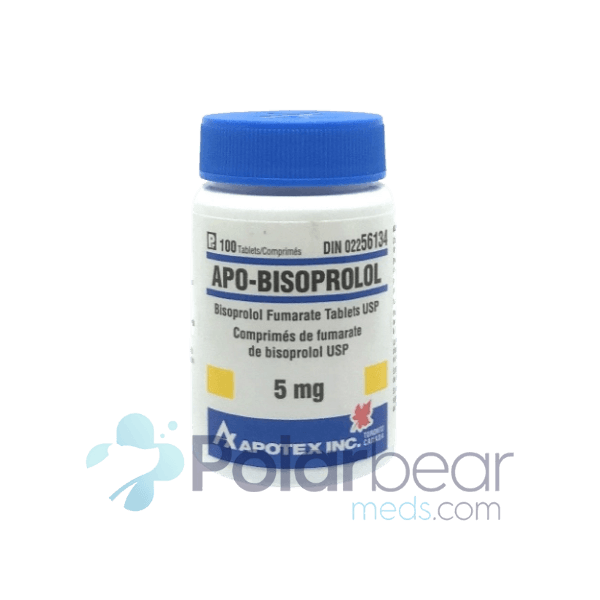
Ordering your medication online is simple and convenient.
STEP 01
Select the prescribed dosage and quantity, then proceed to checkout.
STEP 02
Sign in or create a new account.
STEP 03
Upload your prescription.
STEP 04
Complete your purchase by processing the payment.
STEP 01
Select the prescribed dosage and quantity, then proceed to checkout.
STEP 02
Sign in or create a new account.
STEP 03
Upload your prescription.
STEP 04
Complete your purchase by processing the payment.
Shipping takes approximately 3-5 business days.

Our Pharmacy Reviews
Read what our customers have to say about their shopping experience.
Product Details
Description
Looking for an affordable and effective way to manage your heart health? Buy Apo-Bisoprolol online from Canada at a low cost and get reliable treatment for high blood pressure, angina, and heart failure. This beta-blocker works by slowing the heart rate and reducing the heart’s workload, helping to maintain healthy blood pressure and prevent heart-related complications. Apo-Bisoprolol is available in oral tablet form with strengths of 2.5 mg, 5 mg, and 10 mg. It is typically taken once daily, with or without food. For best results, take it at the same time every day and avoid stopping suddenly, as this may lead to heart complications or a spike in blood pressure. Some common side effects include dizziness, fatigue, nausea, and a slow heart rate. Patients with asthma, severe low blood pressure, or heart block should consult their doctor before use.
Apo-Bisoprolol is a beta-blocker commonly prescribed to manage high blood pressure (hypertension), chronic stable angina (chest pain), and mild to moderate heart failure. It works by slowing the heart rate and reducing the heart's workload, helping to lower blood pressure and prevent complications like heart attacks and strokes. Doctors may also prescribe it off-label for conditions such as atrial fibrillation, migraine prevention, and post-heart attack care.
This medication is available in oral tablet form in 2.5 mg, 5 mg, and 10 mg strengths. It is typically taken once daily, with or without food, at the same time each day. Patients should not suddenly stop taking Apo-Bisoprolol, as this may lead to worsening heart conditions, irregular heartbeats, or a sudden rise in blood pressure. If a dose is missed, it should be taken as soon as possible but never doubled to make up for a missed dose.
Individuals with asthma, severe low blood pressure, slow heart rate, or heart block should consult their doctor before using this medication. Some common side effects include dizziness, fatigue, slow heart rate, nausea, and cold hands or feet. If you're looking for an affordable way to manage your heart health, you can buy Apo-Bisoprolol online from Canada at a low cost. Ordering online provides a cost-effective, convenient, and reliable way to get your medication without overpaying. Make sure to buy from a trusted Canadian pharmacy to ensure you receive a genuine, high-quality product.
Uses and Benefits
Hypertension (High Blood Pressure)
Chronic Stable Angina
Heart Failure (Mild to Moderate)
Atrial Fibrillation (Off-label Use)
Prevention of Heart Attacks (Off-label Use)
Migraine Prevention (Off-label Use)
Dosage
What Are the Forms & Strengths of Apo-Bisoprolol?
Forms:
Oral Tablets
Strengths:
2.5 mg
5 mg
10 mg
What Is the Recommended Dosage of Apo-Bisoprolol?
The dosage of Apo-Bisoprolol varies based on the patient's condition, overall health, and response to treatment. Below are the standard dosage recommendations:
Dosage for Hypertension (High Blood Pressure) in Adults
Starting Dose: 5 mg once daily
Maintenance Dose: 5–10 mg once daily, adjusted based on response
Maximum Dose: 20 mg once daily
Dosage for Chronic Stable Angina
Starting Dose: 5 mg once daily
Maintenance Dose: 5–10 mg once daily
Maximum Dose: 20 mg once daily
Dosage for Heart Failure (Mild to Moderate)
Starting Dose: 1.25 mg once daily
Titration: Increase the dose gradually every 1-2 weeks based on tolerance
Target Maintenance Dose: 10 mg once daily
Maximum Dose: 10 mg once daily
Dosage for Atrial Fibrillation (Off-label Use)
Starting Dose: 2.5–5 mg once daily
Maintenance Dose: 5–10 mg once daily
Maximum Dose: 20 mg once daily
Dosage for Migraine Prevention (Off-label Use)
Starting Dose: 2.5 mg once daily
Maintenance Dose: 5 mg once daily
Maximum Dose: 10 mg once daily
Dosage for Elderly Patients
A lower starting dose (2.5 mg once daily) is recommended, with adjustments based on individual tolerance and kidney function.
Dosage for Patients with Kidney or Liver Impairment
Mild to Moderate Kidney or Liver Impairment: Maximum recommended dose of 10 mg once daily
Severe Kidney or Liver Impairment: Maximum recommended dose of 5 mg once daily
Dosage Adjustment Guidelines
Dose increases should be gradual (every 1–2 weeks), especially for patients with heart failure or underlying conditions.
Abruptly stopping Apo-Bisoprolol can cause rebound hypertension, worsening angina, or heart complications. Always taper off gradually under a doctor’s supervision.
[Note: Remember, these recommendations may vary from person to person. Discuss it with your doctor, and they'll customize your dosage accordingly.]
Usage Guide
Using Apo-Bisoprolol correctly is essential for adequate blood pressure control and heart function support. Follow these guidelines to ensure safe and optimal use of the medication.
Follow Your Doctor’s Instructions:
Take Apo-Bisoprolol exactly as prescribed by your doctor.
Do not adjust the dose or stop the medication without medical guidance.
A gradual dose reduction is necessary if discontinuing to avoid serious complications.
Take It Once Daily at the Same Time:
Apo-Bisoprolol is usually taken once a day to maintain consistent blood levels.
Take it at the same time each day, either in the morning or evening, as your doctor advises.
If you experience fatigue or dizziness, taking it at bedtime may help.
Swallow the Tablet Whole:
Take the tablet with a full glass of water.
Do not crush, chew, or break the tablet, which may alter its effectiveness.
It Can Be Taken With or Without Food:
You can take Apo-Bisoprolol with or without meals.
Taking it with food may help reduce nausea or stomach discomfort.
[Note: Your doctor will decide the right amount for you based on your condition, following guidelines and studies on the drug. They'll adjust it as needed over time.]
How It Works
Apo-Bisoprolol is a beta-blocker that selectively blocks beta-1 adrenergic receptors in the heart. By doing so, it reduces the effects of stress hormones like adrenaline (epinephrine), which normally increase heart rate and blood pressure. As a result, Apo-Bisoprolol slows down the heart rate, decreases the force of heart contractions, and reduces the workload on the heart. This leads to lower blood pressure, improved blood circulation, and reduced oxygen demand by the heart muscle, making it beneficial for conditions like hypertension (high blood pressure), chronic stable angina, and heart failure. Additionally, by stabilizing heart rhythm and preventing excessive strain, Apo-Bisoprolol helps reduce the risk of cardiovascular complications such as heart attacks and arrhythmias. Unlike non-selective beta-blockers, Apo-Bisoprolol mainly targets the heart’s beta-1 receptors, with minimal effects on beta-2 receptors found in the lungs and blood vessels, making it a preferred choice for patients who need precise heart rate control with fewer respiratory side effects.
Side Effects
What Are the Side Effects of Apo-Bisoprolol?
Common Side Effects of Apo-Bisoprolol
While Apo-Bisoprolol is generally well-tolerated, some individuals may experience common side effects, especially when starting the medication or adjusting the dosage. Below are the most common side effects, each explained in detail.
Fatigue and Tiredness: Many individuals feel tired, sluggish, or weak while taking Apo-Bisoprolol. This occurs because the medication slows down the heart rate and reduces overall energy demand. While this effect typically improves as the body adjusts, persistent fatigue should be reported to a doctor, which may indicate an excessively low heart rate or blood pressure.
Dizziness or Lightheadedness: Apo-Bisoprolol lowers blood pressure, sometimes leading to dizziness or feeling faint, especially when standing up too quickly. This is due to temporarily reduced blood flow to the brain (orthostatic hypotension). Patients should stand up slowly from sitting or lying down and stay well-hydrated to prevent falls or fainting episodes.
Slow Heart Rate (Bradycardia): Since Apo-Bisoprolol reduces the heart rate, some people may experience bradycardia (a heart rate below 60 beats per minute). While a slower heart rate is expected, an excessively slow pulse can cause dizziness, shortness of breath, chest discomfort, or fainting. If these symptoms occur, dosage adjustments may be necessary under a doctor’s guidance.
Cold Hands and Feet: Beta-blockers like Apo-Bisoprolol can reduce blood circulation to the extremities, leading to cold fingers and toes, numbness, or tingling. This occurs because the medication narrows small blood vessels (vasoconstriction). Wearing warm clothing and keeping the hands and feet actively moving can help improve circulation.
Headache: Some individuals may experience mild to moderate headaches when starting Apo-Bisoprolol. This occurs due to changes in blood flow and blood pressure regulation. Headaches usually improve as the body adjusts, but if they persist or become severe, consulting a doctor may be necessary to evaluate possible alternative treatments.
Nausea or Upset Stomach: Apo-Bisoprolol can cause stomach discomfort, nausea, or occasional vomiting in some patients. These effects may be due to reduced blood flow to the digestive tract or stomach lining irritation. Taking the medication with food may help minimize this side effect. Persistent nausea should be reported to a doctor.
Sleep Disturbances (Insomnia or Nightmares): Some patients experience trouble sleeping, vivid dreams, or nightmares while taking Apo-Bisoprolol. This is because beta-blockers affect melatonin production, a hormone responsible for regulating sleep cycles. If sleep disturbances become problematic, taking the medication earlier in the day or switching to a different beta-blocker may help.
Shortness of Breath (Mild Dyspnea): Although Apo-Bisoprolol is selective for the heart (beta-1 blocker), it can still cause mild airway constriction, especially in people with asthma or chronic obstructive pulmonary disease (COPD). Patients who experience worsening shortness of breath, wheezing, or chest tightness should inform their doctor immediately, as the medication may need to be adjusted.
Mild Depression or Mood Changes: Some individuals report feeling low, less energetic, or mildly depressed while taking Apo-Bisoprolol. This occurs because beta-blockers can reduce stress hormone activity, potentially leading to lower motivation and emotional dullness. If symptoms of depression become severe or persistent, a doctor may consider switching to an alternative treatment.
Weakness or Muscle Pain: Apo-Bisoprolol may cause muscle weakness or mild cramps, particularly in the legs. This happens due to reduced circulation and electrolyte imbalances. Staying hydrated, maintaining a balanced diet, and engaging in light physical activity may help relieve these symptoms. If severe muscle weakness occurs, consult a doctor immediately.
Serious Side Effects
Apo-Bisoprolol is generally considered safe; however, some individuals may experience rare but serious side effects that warrant immediate medical evaluation. Though uncommon, these adverse effects can be severe. Below is a detailed explanation of the possible health risks associated with this medication.
Dangerously Slow Heart Rate: Apo-Bisoprolol reduces heart rate, but in some cases, it can cause bradycardia (a heart rate below 50 beats per minute), leading to extreme dizziness, fainting, shortness of breath, confusion, and fatigue. If the heart beats too slowly, oxygen-rich blood may not reach vital organs, increasing the risk of shock or heart failure. If you experience these symptoms, seek emergency medical care immediately.
Dangerously Low Blood Pressure: Excessive blood pressure lowering can lead to hypotension, causing severe dizziness, fainting, blurred vision, nausea, and confusion. Low blood pressure can also result in shock, reduced kidney function, or decreased blood flow to the brain, leading to loss of consciousness. Patients with pre-existing heart failure or dehydration are at higher risk and should be monitored closely.
Heart Failure Worsening: In some cases, Apo-Bisoprolol may worsen existing heart failure, causing leg swelling (edema), extreme fatigue, shortness of breath (even at rest), and rapid weight gain due to fluid retention. This occurs when the heart’s pumping ability is excessively reduced, leading to fluid buildup in the lungs and body. If these symptoms occur, seek immediate medical attention.
Severe Breathing Difficulties: Although Apo-Bisoprolol primarily targets heart beta-1 receptors, it may still affect lung function, especially in individuals with asthma or chronic obstructive pulmonary disease (COPD). Symptoms such as wheezing, tightness in the chest, persistent coughing, and severe shortness of breath require urgent medical intervention, as they may indicate a life-threatening bronchospasm.
Chest Pain or Worsening Angina: While Apo-Bisoprolol is used to manage angina (chest pain due to reduced blood flow to the heart), improper use or sudden discontinuation can cause worsening chest pain, irregular heartbeats or even heart attack (myocardial infarction). If you experience severe chest pain that spreads to the arms, jaw, or neck, call emergency services immediately.
Sudden Severe Fatigue or Weakness: Long-term use of Apo-Bisoprolol can suppress the body's ability to respond to stress, leading to adrenal insufficiency. Symptoms include severe fatigue, nausea, vomiting, muscle weakness, and dangerously low blood pressure. Additionally, electrolyte imbalances (such as low potassium or sodium levels) may lead to heart rhythm disturbances, confusion, or seizures.
Depression and Mood Changes: Some individuals may develop severe depression, mood swings, or even suicidal thoughts while on Apo-Bisoprolol. Beta-blockers can affect brain neurotransmitters, leading to emotional numbness, lack of motivation, anxiety, or persistent sadness. If mood changes become severe or suicidal thoughts occur, seek immediate psychiatric help.
Irregular or Unstable Heart Rhythm: Apo-Bisoprolol may cause irregular heartbeats (arrhythmias), including atrial fibrillation, ventricular tachycardia, or heart block. Symptoms include palpitations, fluttering in the chest, dizziness, shortness of breath, and fainting. In severe cases, arrhythmias can lead to cardiac arrest. Patients experiencing these symptoms should seek emergency medical care.
Liver Dysfunction or Elevated Liver Enzymes: Though rare, Apo-Bisoprolol may cause liver damage, leading to jaundice (yellowing of the skin and eyes), dark urine, persistent nausea, vomiting, upper abdominal pain, and extreme fatigue. If liver function is affected, discontinuing the medication under a doctor's guidance may be necessary.
Allergic Reactions (Anaphylaxis & Angioedema): Some individuals may develop severe allergic reactions to Apo-Bisoprolol, characterized by facial swelling (angioedema), hives, difficulty breathing, or throat tightness. Anaphylaxis is a life-threatening emergency requiring immediate administration of epinephrine (EpiPen) and emergency medical care.
[Note: Remember, this list may not cover all possible side effects. Always consult with your healthcare giver for medical advice about side effects.]
Warnings
When taking bisoprolol, it is essential to be aware of its potential risks and adverse effects. While generally well-tolerated, this medication may cause complications in certain individuals, particularly those with pre-existing health conditions. Patients should remain vigilant for symptoms indicating worsening heart failure, respiratory distress, allergic reactions, or other serious side effects. Close monitoring and regular communication with a healthcare provider are advised to ensure safe and effective use.
Heart Failure Worsening: In some cases, bisoprolol may exacerbate existing heart failure, leading to symptoms such as shortness of breath, swelling of the hands, feet, ankles, or lower legs, and unusual weight gain. Patients should monitor for these signs and consult their healthcare provider if they occur.
Respiratory Issues: Bisoprolol can cause bronchospasm, leading to breathing difficulties, especially in patients with asthma or chronic obstructive pulmonary disease (COPD). Symptoms include wheezing and shortness of breath. Patients with respiratory conditions should use bisoprolol cautiously and under medical supervision.
Severe Allergic Reactions: Although rare, bisoprolol can trigger severe allergic reactions, including anaphylaxis. Symptoms may involve swelling of the face, lips, tongue, or throat, leading to difficulty breathing. Immediate medical attention is crucial in such cases.
Blood Circulation Problems: Bisoprolol may worsen peripheral vascular diseases, such as Raynaud's phenomenon, causing reduced blood flow to extremities. Patients may experience cold or numb fingers and toes. Those with blood vessel disorders should discuss potential risks with their healthcare provider.
Masking Hypoglycemia Symptoms: Bisoprolol can mask the typical symptoms of low blood sugar (hypoglycemia), such as rapid heartbeat. Diabetic patients should monitor their blood glucose levels closely and be aware that bisoprolol may conceal hypoglycemic warning signs.
Thyroid Disorder Masking: Bisoprolol may mask symptoms of hyperthyroidism (overactive thyroid), such as rapid heartbeat. Abrupt discontinuation of the medication can potentially worsen hyperthyroid symptoms, which could be life-threatening. Patients with thyroid disorders should consult their doctor before making any changes to their bisoprolol regimen.
Liver and Kidney Function Impairment: Liver or kidney disease can affect how bisoprolol is metabolized and excreted, potentially leading to increased side effects. Patients with impaired liver or kidney function should discuss with their doctor how bisoprolol may impact their condition and whether any special monitoring is needed.
Interaction with Pheochromocytoma: Bisoprolol can worsen the symptoms of pheochromocytoma (a tumor of the adrenal gland) if taken alone. Patients with this condition should consult their doctor to determine appropriate treatment and monitoring while using bisoprolol.
Occupational Hazards: Bisoprolol may cause drowsiness and lightheadedness. Patients should avoid activities requiring alertness, such as driving or operating heavy machinery until they understand how bisoprolol affects them.
Severe Allergies: Individuals with severe allergies should be cautious, as bisoprolol may make it more difficult to treat allergic reactions with epinephrine. Patients prone to anaphylactic reactions should discuss emergency treatment options with their healthcare provider.
Safety Guide
Apo-Bisoprolol is a beta-blocker prescribed for managing high blood pressure and heart-related conditions. To ensure its safe and effective use, consider the following precautions:
Medical History Disclosure: Before starting Apo-Bisoprolol, inform your healthcare provider about any existing medical conditions, especially:
Heart Issues: Such as heart failure or slow/irregular heartbeats.
Lung Conditions: Including asthma or chronic obstructive pulmonary disease (COPD).
Liver or Kidney Disorders: As these organs process the medication.
Diabetes: Bisoprolol can mask symptoms of low blood sugar.
Thyroid Problems: It may conceal signs of an overactive thyroid.
Medication Interactions:
Prescription Drugs: Particularly other heart or blood pressure medications.
Over-the-counter medicines: Such as cold remedies, may elevate blood pressure.
Supplements and Herbal Products: These can interact with bisoprolol.
Surgical Considerations: If you're scheduled for surgery, including dental procedures, inform your healthcare provider that you're taking Apo-Bisoprolol. They may advise adjusting or temporarily discontinuing the medication to prevent potential complications during surgery.
Avoid Abrupt Discontinuation: Do not suddenly stop taking Apo-Bisoprolol without consulting your doctor. Abrupt cessation can lead to worsening heart conditions or other serious cardiovascular issues. If discontinuation is necessary, your doctor will guide you to gradually reduce the dosage.
Alcohol Consumption: Be cautious with alcohol intake while on Apo-Bisoprolol. Alcohol can enhance the blood pressure-lowering effects of the medication, leading to dizziness or fainting. It's advisable to limit alcohol consumption and discuss it with your healthcare provider.
Operating Machinery and Driving: Apo-Bisoprolol may cause dizziness, tiredness, or light-headedness, especially after the first dose or when increasing the dosage. Ensure you know how the medication affects you before driving or operating heavy machinery.
Pregnancy and Breastfeeding: If you're pregnant, planning to become pregnant, or breastfeeding, consult your doctor before taking Apo-Bisoprolol. The medication should only be used if the potential benefits justify the potential risks to the fetus or infant.
Blood Sugar Monitoring: Diabetic patients should closely monitor their blood sugar levels, as Apo-Bisoprolol can mask symptoms of hypoglycemia, such as rapid heartbeat. Adjustments to diabetes medications may be necessary under medical supervision.
Allergic Reactions: Inform your doctor about any known allergies, especially to bisoprolol or other beta-blockers. Allergic reactions can range from mild skin rashes to severe anaphylactic responses requiring immediate medical attention.
Regular Medical Check-ups: Attend all scheduled appointments with your healthcare provider. Regular monitoring ensures the medication's effectiveness and allows for timely adjustments to your treatment plan.
Contraindications
Apo-Bisoprolol, like any medication, isn’t suitable for everyone. Certain medical conditions and situations make its use unsafe or require extra caution. Before starting this medication, it’s important to be aware of its contraindications, which include:
Severe Bradycardia: This medication can further slow heart rate, posing serious risks for those with an already low heart rate.
Cardiogenic Shock: In cases of acute heart failure or cardiogenic shock, bisoprolol can further weaken the heart’s ability to pump blood.
Severe Hypotension: Low blood pressure can worsen with bisoprolol, leading to dizziness, fainting, or organ damage.
Advanced Heart Block: Patients with second- or third-degree AV block (without a pacemaker) should avoid bisoprolol as it can disrupt electrical signaling in the heart.
Severe Asthma or COPD: Beta-blockers may cause bronchospasms, making breathing difficult for those with respiratory conditions.
Untreated Pheochromocytoma: This adrenal gland tumor can cause dangerously high blood pressure, which beta-blockers may worsen if not managed properly.
Severe Peripheral Arterial Disease: Bisoprolol can further reduce circulation, exacerbating symptoms like pain and poor wound healing.
Hypersensitivity to Bisoprolol: Individuals allergic to bisoprolol or similar beta-blockers should avoid it to prevent severe allergic reactions.
Missed Dose
If you miss a dose of Apo-Bisoprolol, don’t panic, but follow these guidelines to manage the situation safely:
Take It as Soon as You Remember: If it’s only been a short time since your missed dose, take it immediately.
Skip It If It’s Almost Time for Your Next Dose: If your next scheduled dose is near, just wait and take that one instead. Avoid doubling up to make up for the missed dose.
Never Take Extra Medicine: Doubling the dose can lead to dangerously low heart rate, dizziness, or severe drops in blood pressure.
Monitor for Symptoms: If you start feeling lightheaded, weak, or notice unusual heart symptoms, seek medical advice.
Set Reminders: To prevent missing future doses, consider using alarms, pill organizers, or mobile apps.
[Note: If you have missed a dose of your medication and are unsure about when to take the next one, immediately consult your doctor or pharmacist.]
Overdose
Taking too much Apo-Bisoprolol can lead to serious and potentially life-threatening complications due to its effects on heart rate and blood pressure. Overdose symptoms may include extreme bradycardia (slow heart rate), which can cause dizziness, fainting, or even loss of consciousness. Severe hypotension (low blood pressure) may result in weakness, confusion, or shock. Some individuals may experience breathing difficulties, especially those with asthma or COPD, due to bronchospasms. In severe cases, overdose can lead to heart failure, cardiogenic shock, or even seizures and coma. If an overdose is suspected, immediate medical attention is crucial. Do not attempt to induce vomiting unless directed by a healthcare professional. Emergency treatment may include intravenous fluids, medications to stabilize heart rate and blood pressure, or, in severe cases, temporary pacing to restore normal heart function. Acting quickly can prevent serious complications and improve the chances of a full recovery.
[Note: If you consumed more than the recommended dose, get medical help right away or call the Poison Help line at 1-800-222-1222.]
Storage Guide
Proper storage of Apo-Bisoprolol helps maintain its effectiveness and ensures safety. Follow these guidelines to store it correctly:
Keep at Room Temperature: Store it between 15°C and 30°C (59°F and 86°F). Avoid extreme heat or cold.
Protect from Moisture: Keep it in a dry place, away from humidity (e.g., avoid storing it in the bathroom).
Keep Away from Direct Light: Store the medication in its original light-resistant container to prevent degradation.
Tightly Close the Bottle: Ensure the container is sealed properly to maintain the tablet's integrity.
Keep Out of Reach of Children & Pets: Store it in a secure location to prevent accidental ingestion.
Avoid Storing Near Chemicals or Food: Keep it separate from household cleaners or food items to prevent contamination.
Do Not Use Expired Medication: Check the expiration date regularly and dispose of expired tablets properly.
[Note: Discuss with your healthcare professional about the proper disposal of any unused medicine and any questions you may have regarding its storage.]
Interactions
Several medications interact with Apo-Bisoprolol, potentially increasing the risk of adverse effects. Below are some key interactions and their impact:
Calcium Channel Blockers (e.g., Verapamil, Diltiazem): These medications also lower heart rate and blood pressure, and when combined with bisoprolol, they can cause severe bradycardia, hypotension, and even heart failure. Verapamil, in particular, should not be given intravenously alongside bisoprolol, as it can dangerously suppress cardiac function.
Antiarrhythmic Drugs: These medications regulate heart rhythm, but when used with bisoprolol, they can excessively slow the heart rate and impair electrical conduction, increasing the risk of heart block or other conduction abnormalities. The combination should be carefully monitored to avoid life-threatening arrhythmias.
Beta-Agonists: These are used in asthma, COPD, and allergic reactions to open airways, but bisoprolol can blunt their effects, making it harder to relieve bronchospasms. This interaction is particularly dangerous for people with respiratory conditions, as it can lead to worsening breathing difficulties.
Insulin and Oral Diabetes Medications (e.g., Metformin, Sulfonylureas, SGLT2 Inhibitors): Bisoprolol can mask symptoms of low blood sugar (hypoglycemia), such as tachycardia (fast heart rate), making it harder for diabetics to recognize and treat hypoglycemia in time. It can also enhance the blood sugar-lowering effects of these medications, increasing the risk of severe hypoglycemia.
Nonsteroidal Anti-Inflammatory Drugs (NSAIDs) (e.g., Ibuprofen, Naproxen, Diclofenac): NSAIDs can reduce the antihypertensive effects of bisoprolol, potentially leading to uncontrolled high blood pressure. Long-term use of NSAIDs may also contribute to fluid retention and worsen heart failure, making this combination risky in hypertensive or heart disease patients.
Clonidine: It is used to lower blood pressure, but combining it with bisoprolol can cause extreme drops in blood pressure and heart rate. Additionally, if clonidine is stopped suddenly while on bisoprolol, it can trigger rebound hypertension, a dangerous spike in blood pressure. Gradual tapering is required when discontinuing.
Digoxin: Used for heart failure and atrial fibrillation, digoxin slows heart rate. When taken with bisoprolol, the risk of bradycardia increases significantly, which can lead to fatigue, dizziness, and even cardiac arrest in severe cases. Regular monitoring of heart rate and digoxin levels is essential when using both drugs.
Monoamine Oxidase Inhibitors: These antidepressants can enhance the blood pressure-lowering effects of bisoprolol, leading to severe hypotension. At the same time, sudden withdrawal of MAOIs can cause a hypertensive crisis, making careful medication management necessary.
Anesthetic Agents: Bisoprolol can enhance the heart-suppressing effects of anesthetics, leading to profound bradycardia, hypotension, and difficulty recovering from anesthesia. Patients undergoing surgery should inform their anesthesiologist if they are taking bisoprolol so that dosages can be adjusted accordingly.
Other Beta-Blockers: Combining multiple beta-blockers can exaggerate the drug’s effects, leading to dangerously low blood pressure, severe bradycardia, and an increased risk of heart failure. This combination is usually unnecessary and avoided unless specifically instructed by a cardiologist.
What Are the Other Apo-Bisoprolol Interactions?
Apart from medication interactions, Apo-Bisoprolol can also interact with certain substances, including supplements, foods, and lifestyle factors. Below is a list of notable interactions with their generic and brand names:
Alcohol: Enhances the blood pressure-lowering effect, increasing the risk of dizziness, fainting, and severe hypotension.
Caffeine (found in coffee, tea, energy drinks, and some medications like Excedrin): May counteract bisoprolol’s effects by increasing heart rate and blood pressure, reducing its effectiveness.
Potassium Supplements and Potassium-Sparing Diuretics: Can increase potassium levels, leading to hyperkalemia, which may cause irregular heartbeats and muscle weakness.
Antacids (Containing Aluminum or Magnesium Hydroxide): It may reduce bisoprolol's absorption, making it less effective. It’s best to take bisoprolol a few hours apart from these.
Herbal Supplements (e.g., St. John’s Wort, Ginseng, Licorice, Ephedra):
St. John’s Wort may reduce bisoprolol’s effectiveness by increasing its metabolism.
Ginseng and ephedra can counteract its effects by increasing blood pressure.
Licorice can cause potassium loss, increasing the risk of irregular heart rhythms.
Grapefruit and Grapefruit Juice: This may alter bisoprolol metabolism, leading to unpredictable changes in drug levels and potentially causing increased side effects or reduced effectiveness.
Smoking: Nicotine can reduce the effectiveness of bisoprolol by increasing heart rate and blood pressure, making it harder to control hypertension.
Thyroid Medications: This can either increase or decrease bisoprolol’s effectiveness, making it harder to stabilize blood pressure and heart rate.
Cold and Cough Medications: These medications can increase blood pressure and counteract bisoprolol’s effects, making hypertension harder to control.
Non-Prescription Weight Loss Supplements: These supplements can increase heart rate and blood pressure, reduce bisoprolol’s effectiveness, and increase the risk of heart-related side effects.
[Note: This isn't a complete list, and there could be other drugs that interact with Apo-Bisoprolol. Make sure to tell your doctor about any prescription, over-the-counter medicines, and herbal products you’re taking.]
Alternatives
If Apo-Bisoprolol isn’t suitable for you due to side effects, availability, or specific medical conditions, several alternative beta-blockers may be prescribed. These medications serve similar purposes, such as managing high blood pressure, heart failure, and arrhythmias, but differ in their properties and effects. Below is a list of Apo-Bisoprolol alternatives:
Lopressor, Betaloc, Toprol-XL (metoprolol)
Tenormin (atenolol)
Coreg, Dilatrend (carvedilol)
Bystolic, Nebilet (nebivolol)
Inderal, Hemangeol, InnoPran XL (propranolol)
Trandate, Normodyne (labetalol)
Sectral (acebutolol)
Brevibloc (esmolol)
Betapace, Sorine, Sotylize (sotalol)
Corgard (nadolol)
[Note: Your doctor will choose what’s best for you. Don’t use any of these alternative medications without consulting your healthcare provider. Taking them by yourself may cause serious side effects.]
Cost & Coupons
Managing high blood pressure and heart conditions shouldn’t be a financial burden. Apo-Bisoprolol is a trusted medication that helps regulate blood pressure and improve heart function, ensuring better cardiovascular health. However, the cost of treatment can be a concern for many. At Polar Bear Meds, we are committed to offering affordable, high-quality medications to support your well-being. If you’re looking for a budget-friendly option, buy Apo-Bisoprolol online from Canada and get a reliable solution at a lower price. To make your purchase even more cost-effective, take advantage of our exclusive discount—buy Apo-Bisoprolol with a coupon and save more! Use code "WELCOMEPB10" at checkout for 10% off your first order. With competitive pricing, trusted suppliers, and fast shipping, we ensure you receive genuine Apo-Bisoprolol without excessive costs. Take charge of your heart health today—buy Apo-Bisoprolol online from Canada and enjoy safe, affordable treatment delivered right to your door!
FAQ
Guarantee
AtPolarBearMeds.com, we assure you the most affordable price to buy Apo-Bisoprolol online from Canada. Rest easy knowing that your order will be dispatched from a reputable Licensed Canada Pharmacy Online, adhering to the highest standards of quality and authenticity. Our discounted medications are shipped directly from Canada to your doorstep, ensuring a swift and secure delivery experience. To conveniently buy Apo-Bisoprolol online at a substantial cost, call us at 1-888-779-2193 toll-free.

Important Notice
The content provided on the Polar Bear Meds website serves to increase knowledge about healthcare products and medical conditions and is strictly for informational purposes. It should not replace professional medical advice. We urge you to consult with a qualified healthcare professional prior to utilizing any prescription or over-the-counter medication. Our platform grants access to an extensive array of products, sourced internationally, including Canada. We collaborates with a licensed pharmacy partner in Canada and trusted dispensing pharmacies globally. All affiliated fulfillment centers are accredited by the regulatory authorities of their respective countries.
Medically Reviewed by "Dr. Jackson Miller (M.D)"
Dr. Jackson Miller is a board-certified medicine physician & hospitalist. He is a healthcare professional with a strong background in patient care. With years of experience and a patient-first approach, he believes the foundation of good health is a patient who feels informed and empowered. He contributes to medical content review, drawing on his background in clinical practice and patient education. He focuses on presenting health information in a clear, accurate, and accessible way to help readers make informed decisions. His work emphasizes clarity, evidence-based guidance, and understandable explanations of medical topics.
We offer competitive pricing on all our medications. We'll match if you find a lower price on an identical product at a verified Canadian online pharmacy!
Eligibility Criteria:
The competitor's price must be active (no past/future sales).
It is only valid for Canadian online pharmacies with a verifiable address.
The product must match the strength, pack size, quantity, manufacturer & origin.
There are no price matches on used/expired medications.
You must submit your requests before placing an order.
We cannot adjust prices after purchase.
Request via live chat or phone before placing your order.