Logo
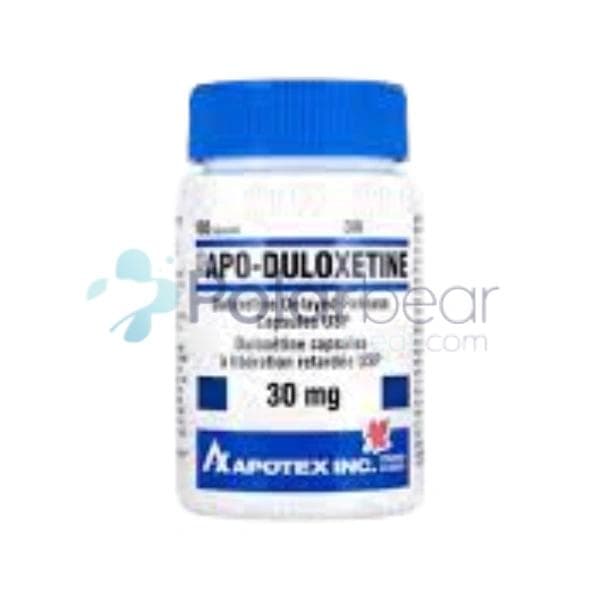
Apo-Duloxetine - Image 1
USA Flag
Average USA Price$153.5Save $130.8

Apo-Duloxetine

No packages found
price-match-guarantee

Price Match Guarantee

We offer competitive pricing on all our medications. Find a lower price? We'll match it from any verified Canadian online pharmacy! Know More

Similar Medications

How to Order

Ordering your medication online is simple and convenient.

STEP 01

Select the prescribed dosage and quantity, then proceed to checkout.

STEP 02

Sign in or create a new account.

STEP 03

Upload your prescription.

STEP 04

Complete your purchase by processing the payment.

Shipping takes approximately 3-5 business days.

Our Pharmacy Reviews

Read what our customers have to say about their shopping experience.

Product Details

Description

Apo-Duloxetine is an FDA-approved medication that contains Duloxetine hydrochloride, commonly used to treat depression, anxiety, and nerve-related pain by balancing certain brain chemicals. Available in various strengths, it is typically taken once daily, with or without food, and should be swallowed whole. It is prescribed for adults and some adolescents under medical guidance. Common side effects of Duloxetine include nausea, dizziness, dry mouth, and fatigue. For safe and effective use of the medication, you should consult a licensed healthcare professional before using it and seek their guidance regarding the usage, dosage, and more. You can buy Apo-Duloxetine Hydrochloride at low cost from reputable online pharmacies.

Apo-Duloxetine contains Duloxetine hydrochloride, a serotonin-norepinephrine reuptake inhibitor (SNRI). Duloxetine is primarily used to treat anxiety disorder, diabetic peripheral neuropathic pain, major depressive disorder, generalized and fibromyalgia. Duloxetine functions by raising the levels of serotonin & norepinephrine in the brain, helping to alleviate nerve pain and regulate mood.

Apo-Duloxetine is available in 30 mg and 60 mg delayed-release capsules. It should be taken exactly as prescribed by a healthcare professional, usually once daily, with or without food. The capsules should be swallowed whole, not crushed, chewed, or opened. Apo-Duloxetine is intended for adults and some adolescents, depending on the condition being treated. Its effects may take a few weeks to become noticeable. Common side effects of Duloxetine may include fatigue, dry mouth, nausea, dizziness, constipation, and sweating.

Serious side effects associated with the use of this medicine, such as liver problems, suicidal thoughts, or serotonin syndrome, require immediate medical attention. Patients with liver disease, severe kidney impairment, or a history of seizures should consult a doctor before use. If you miss a dose, it should be taken as soon as possible unless it is close to the next scheduled dose. Avoid doubling doses. In case of a Duloxetine overdose, seek emergency medical help. Store Apo-Duloxetine at room temperature, away from moisture and heat. Always follow medical guidance and do not abruptly stop taking Duloxetine without consulting a healthcare practitioner.

Uses and Benefits

It is used to treat:

  • Major depressive disorder
  • Generalized anxiety disorder
  • Diabetic neuropathy
  • Fibromyalgia
  • Chronic pain associated with muscle and bones
Dosage

What Are the Forms & Strengths of Apo-Duloxetine?

It comes in the form of delayed-release capsule with the following strengths:

  • 30mg
  • 60mg
  • 90mg

What Is the Recommended Dosage of Apo-Duloxetine?

The recommended dosage of Apo-Duloxetine varies according to multiple factors from person to person. These factors include the age, condition, and tolerability of the patient. It is also based on how long and often you take the medicine. The strength and type of the medicine may also affect the dosing. The dosage given here is applicable to everyone, and if your doctor has prescribed you a different dosing than the one given here, follow their instructions and take Apo-Duloxetine exactly as they have directed you. Do not take it more or less than recommended, in large doses, or more often, as it can cause harm.

For Treating Anxiety

  • Adults: The initial recommended dosage is 60mg once each day. Some individuals may start taking the medication at 30mg once daily for one week before gradually increasing the dosage to 50mg once daily. Your doctor may make dosage alterations as required. However, the recommended dosage should not exceed more than 120mg each day.
  • Geriatric patients: The starting dosage for older individuals is 30mg once daily for two weeks before increasing the dosage to 60mg once daily. Your doctor may increase the dosage based on your tolerability and needs. However, the dosage is not more than 120mg daily.
  • Children 7 years and older: The initial dosage is 30mg once daily for two weeks before increasing to 60mg daily. Your doctor may increase the dosage as needed. The maximum recommended dosage is 120mg daily.
  • Children under 7 years of age: A healthcare professional should determine the usage and dosage. Consult your doctor before using Apo-Duloxetine in patients in this age group.

For Treating Chronic Muscle Pain

  • Adults: 60mg once daily. Some individuals may start taking it at 30mg daily for one week before increasing the dosage to 60mg once daily.
  • Children: Usage & dosage should be determined by a healthcare professional.

For Treating Depression

  • Adults: 40mg twice daily to 60mg daily, given either as a single dosage or twice daily. Your doctor may increase your medication dosage as required. The maximum dosage is 120mg daily.
  • Children: The usage and dosage should be determined by a healthcare professional.

For Diabetic Peripheral Neuropathy

  • Adults: 60mg once daily.
  • Children: Usage & dosage should be determined by a healthcare professional.

For Fibromyalgia

  • Adults: 60mg once each day. Some individuals may start using this medication at 30mg once daily for one week before increasing the dosage to 60mg once daily.
  • Children aged 13 or more: The initial recommended dosage is 30mg once daily. Your doctor may increase your dosage as required. However, the recommended dosage should not exceed more than 60mg daily.
  • Children under 13 years of age: A licensed healthcare professional should determine the usage and dosage.

[Note: Remember, these recommendations may vary from person to person. Discuss it with your doctor, and they'll customize your dosage accordingly.]

Usage Guide
  • Before taking Apo-Duloxetine for the first time, and each time you get a refill, you should refer to the patient information leaflet and medication guide that came along with your prescription or was given by your pharmacist or healthcare provider. If you have difficulty understanding any part of the leaflet or if you have questions or concerns about the medication use, ask your doctor or healthcare professional.
  • To benefit your condition as much as possible, you should take Apo-Duloxetine exactly as your doctor has directed you. Do not take it more or less than prescribed, in large quantities, or more often than recommended, as it can do harm.
  • You should swallow the delayed-release Apo-Duloxetine capsule whole with or without food. You should not chew, break, crush, or open the capsule. If you have difficulty swallowing the capsule as a whole, ask your doctor or pharmacist.
  • Typically, you can open certain capsules belonging to some brands of Apo-Duloxetine, sprinkle its contents over one tablespoon of applesauce, and swallow the mixture immediately. Do not save any of the mixture for later use.
  • You can also open the capsule, pour its contents into a syringe, and add 50ml of water. Do not use any other liquid. Gently shake the contents for ten seconds, and then use them through a nasogastric tube.
  • If required, you can also rinse with additional water.
  • You may be required to take this medicine for several weeks before you start feeling better. Continue to use Apo-Duloxetine even if you feel better, and ask your doctor if you have any queries or concerns.
  • While being treated with this medication, tell your doctor if you experience any changes in your sexual function, including disinterest in sex, difficulty having an orgasm, or problems of erection or ejaculation in men. Some sexual problems can be treated. Get in touch with your doctor for further information.
  • Your symptoms may not improve for up to a month. You should not discontinue using this medication abruptly, or you may experience unpleasant symptoms. Discuss with your doctor before discontinuing this medicine.

[Note: Your doctor will decide the right amount for you based on your condition, following guidelines and studies on the drug. They'll adjust it as needed over time.]

How It Works

Apo-Duloxetine, also known as Duloxetine, functions as a serotonin-norepinephrine reuptake inhibitor (SNRI). It primarily functions by hindering the reuptake of two key neurotransmitters, serotonin & norepinephrine, in the brain. By blocking their reabsorption, it raises the levels of the above mentioned neurotransmitters in the synaptic cleft, which helps improve mood and alleviate pain. Duloxetine is often prescribed for conditions such as generalized anxiety disorder, major depressive disorder, diabetic peripheral neuropathy, and chronic musculoskeletal pain, as serotonin & norepinephrine play crucial roles in regulating mood & pain perception. Through its action on these neurotransmitters, Duloxetine enhances neurotransmission and helps manage symptoms associated with these conditions.

Side Effects

What Are the Side Effects of Apo-Duloxetine?

Common side effects of Apo-Duloxetine: Similar to other medicines, Apo-Duloxetine can cause certain side effects in some users, which usually resolve on their own without the need for medical intervention within a couple of days or weeks. If any of the symptoms persist or worsen, seek medical advice. You should report any new or worsening symptoms to your doctor or healthcare provider. Your doctor has prescribed you this medication after determining that the benefits of this medication justify the risks associated with its use. Common side effects of Apo-Duloxetine may include:

  • Nausea: Nausea is a common side effect of Duloxetine, often occurring during the initial stages of treatment. The exact mechanism behind why this happens is not fully understood, but it is believed that increased serotonin levels in the gastrointestinal tract may play a role. To manage nausea, taking the medication with food, starting at a reduced dose, and gradually increasing it as directed by a medical practitioner can be helpful. If nausea persists, consulting a medical professional is advisable.
  • Dry Mouth: Dry mouth, or xerostomia, occurs when Duloxetine affects the salivary glands, reducing saliva production. This can lead to discomfort & an increased risk of dental issues. To alleviate dry mouth, patients can sip water regularly, chew sugar-free gum, or use saliva substitutes. Maintaining good oral hygiene and avoiding caffeine and tobacco can also help.
  • Dizziness: Dizziness may result from Duloxetine's impact on blood pressure or its influence on the central nervous system. Patients experiencing dizziness should rise slowly from sitting or lying positions to prevent falls. Ensuring adequate hydration & avoiding alcohol can also mitigate this side effect. If dizziness continues or worsens, medical advice should be sought.
  • Drowsiness or Tiredness: Duloxetine can cause drowsiness or fatigue, possibly due to its sedative effects on the brain. To manage these symptoms, taking the medication at bedtime may be beneficial. Patients should avoid using heavy machinery or driving until they understand how Apo-Duloxetine affects them. Engaging in regular physical activity & following a fixed sleep schedule can also help reduce fatigue.
  • Constipation: Constipation is a frequent side effect of Duloxetine, likely due to its influence on gastrointestinal motility. Increasing dietary fiber intake, drinking plenty of water, and regularly engaging in physical exercise can promote bowel regularity. If constipation persists, over-the-counter laxatives may be used after consulting with a healthcare provider.
  • Decreased Appetite: Some people using Apo-Duloxetine may experience a reduced appetite while taking Duloxetine. This may lead to weight loss if not managed properly. Eating small, frequent meals & choosing nutrient-dense foods can help maintain adequate nutrition. Monitoring weight regularly and discussing significant changes with a healthcare provider is recommended.
  • Sweating: Increased sweating, or hyperhidrosis, can occur with Duloxetine use. The exact cause is not well understood but may be related to the medication's effect on the autonomic nervous system. Wearing lightweight, breathable clothing and using antiperspirants can help manage this symptom. If excessive sweating becomes bothersome, consulting a healthcare provider is advisable.
  • Slowed Growth (in Children): Duloxetine has been associated with slowed growth in pediatric patients. The exact mechanism behind this side effect is not entirely understood but may involve alterations in metabolic processes. Regular monitoring of height & weight is essential for children on Duloxetine. If significant growth delays are observed, a healthcare provider may consider adjusting the treatment plan.
  • Diarrhea (in Children): Children taking Duloxetine may experience diarrhea, possibly due to increased serotonin activity in the gastrointestinal tract. Ensuring the child stays hydrated is crucial. Offering a bland diet and avoiding foods that can irritate the stomach may help. If diarrhea persists or is severe, medical attention should be sought.

Serious side effects of Apo-Duloxetine: Rarely can Apo-Duloxetine cause certain severe side effects in some people using it. These symptoms require immediate medical attention & may become life-threatening if not treated promptly. You should discontinue using Apo-Duloxetine and call a medical professional or 911 if you experience any of the symptoms given below.

  • Severe Allergic Reactions: Duloxetine can trigger severe allergic responses, including breathing difficulties, rapid heartbeat, fever, swollen lymph nodes, facial swelling, throat tightness, itching, hives, nausea, vomiting, dizziness, stomach cramps, and joint pain. These reactions occur when the immune system identifies the drug as a threat, releasing chemicals like histamines. To prevent such reactions, inform your healthcare provider of any known allergies before starting Duloxetine. If symptoms emerge, discontinue use and seek immediate medical attention.
  • Suicidal Thoughts or Actions: Antidepressants, including Duloxetine, may increase the chance of suicidal ideation or actions, particularly in individuals under 25, during initial treatment or dosage adjustments. This risk is linked to changes in brain chemistry affecting mood and behavior. Close monitoring by healthcare providers, especially during the first few months of treatment, is essential. If you or someone you know experiences new or worsening depression, suicidal thoughts, or unusual behavior changes, contact a healthcare provider immediately. In emergencies, call emergency services.
  • Liver Damage: Duloxetine has been associated with liver damage, presenting symptoms like nausea, vomiting, abdominal pain, fever, fatigue, itching, loss of appetite, light-colored stools, dark urine, and jaundice. The exact mechanism is not fully understood but may involve the drug's metabolism in the liver. To minimize risk, avoid excessive alcohol consumption and inform your doctor of any pre-existing hepatic conditions. Regular liver function tests may be suggested during treatment. If symptoms of liver damage occur, stop taking Duloxetine and consult your healthcare provider promptly.
  • Low Blood Pressure Upon Standing and Falls: Duloxetine can cause a sudden drop in your (BP) blood pressure upon standing, leading to dizziness, lightheadedness, or fainting. This occurs due to its effect on norepinephrine levels, influencing vascular tone. To manage this, rise slowly from sitting or lying positions. If you have dizziness, sit or lie down until it passes. Let your healthcare provider know if these symptoms persist, as dosage adjustments may be necessary.
  • Serotonin Syndrome: This is a potentially fatal problem resulting from excessive serotonin accumulation, especially when Duloxetine is combined with other serotonergic drugs. Symptoms include sweating, fever, confusion, agitation, hallucinations, dizziness, rapid heartbeat, nausea, vomiting, muscle twitching, tremors, and seizures. To prevent this, avoid combining Duloxetine with other serotonergic medications without medical supervision. If symptoms arise, seek emergency medical attention.
  • Increased Blood Pressure (Hypertension): Duloxetine may elevate blood pressure or exacerbate pre-existing hypertension due to increased norepinephrine levels. Regular monitoring of blood pressure is recommended during treatment. If significant increases are detected, consult your healthcare provider for potential dosage adjustments or additional interventions.
  • Abnormal Bleeding: Duloxetine can increase the risk of bleeding, particularly when taken with NSAIDs, aspirin, or blood thinners. This is likely due to its effect on serotonin reuptake in platelets, impairing clot formation. Be vigilant for signs of unusual bruising or bleeding, and inform your healthcare provider if they occur. Discuss all medications you're taking to assess bleeding risk.
  • Extremely Elevated Mood (Mania): In individuals with bipolar disorder, Duloxetine may induce manic episodes characterized by increased energy, reduced need for sleep, racing thoughts, reckless behavior, grandiosity, excessive happiness, or irritability. This is due to its impact on neurotransmitter balance. Screening for bipolar disorder before initiating treatment is crucial. If manic symptoms develop, contact your healthcare provider immediately.
  • Severe Skin Reactions: Adverse skin reactions, such as (SJS) Stevens-Johnson Syndrome & (TEN) Toxic Epidermal Necrolysis, though rare, have been reported with Duloxetine use. Symptoms include painful red or purple skin that peels, blisters on mucous membranes, and red, painful, watery eyes. The mechanism may involve an immune-mediated response. Discontinue Duloxetine and seek immediate medical attention if these symptoms occur.
  • Glaucoma: Duloxetine may increase intraocular pressure, potentially triggering narrow-angle glaucoma in susceptible individuals. Symptoms include vision loss, eye pain or redness, severe headache, vomiting, and seeing halos around lights. Inform your healthcare provider of any history of glaucoma before starting treatment. Seek immediate medical intervention if you have any of these glaucoma symptoms.
  • Seizures: Seizures have been reported in some people taking Duloxetine, possibly due to its influence on neurotransmitter activity. Those with a history of seizures should use Duloxetine cautiously. If you experience muscle twitching, stiffness, anxiety, confusion, dizziness, or loss of consciousness, contact your healthcare provider immediately.
  • Low Sodium Level (Hyponatremia): Duloxetine may cause hyponatremia, particularly in older adults or those taking diuretics. Symptoms include headache, drowsiness, muscle weakness, nausea, fatigue, dizziness, weight gain, restlessness, confusion, hallucinations, and seizures. Regular monitoring of sodium levels may be necessary. If symptoms arise, discontinue Duloxetine and consult your healthcare provider.
  • Inability to Empty Bladder (Urinary Retention): Duloxetine might cause urinary retention, especially in individuals with pre-existing urinary issues. This occurs due to its effect on norepinephrine, which can influence bladder function.

[Note: Remember, this list may not cover all possible side effects. Always consult with your healthcare giver for medical advice about side effects.]

Warnings
  • Patients who have ever had an allergic reaction to Duloxetine, cymbalta, drizalma sprinkle, or any of the active or inactive ingredients present in Apo-Duloxetine should avoid using it. This product may also contain certain inactive ingredients that may cause hypersensitivity reactions or other issues. If you are not aware of all the ingredients it contains, you should ask your doctor. Before using this medication, you should let your doctor know if you have ever had an allergic reaction in the past to any of the ingredients listed in the product.
  • You should not use Apo-Duloxetine while being treated with certain other medicines. Before you start using Duloxetine, tell your doctor or healthcare professional about all the medicines you are using, including all prescription, non-prescription, herbs, supplements, and over-the-counter drugs. This information helps you and your doctor determine the potential interactions.
  • This medicine should not be used if you suspect your liver is not working as well as it should be. If you have any concerns about the health of your liver, you should tell your doctor. They will suggest you undergo certain tests to decide if it is working well enough to take this medicine.
  • You should not use Apo-Duloxetine if it is suspected that your kidneys are not working properly. If you are concerned about your kidney’s health, your doctor may do tests to determine if they are working well enough to take Duloxetine.
  • You should not take this medication within five days before or 14 days after taking an MAO inhibitor, including isocarboxazid, linezolid, methylene blue injection, phenelzine, tranylcypromine, and others, as a potentially fatal drug interaction could occur.
  • Individuals with an existing mental illness may experience thoughts about suicide while being treated with this medicine. Some young individuals may have increased suicidal behavior and ideation during the initial days of being treated with this medicine. Inform your doctor or healthcare provider immediately if you have any changes in your mood or behavior or if you have new or worsening thoughts about suicide or self-harm.
  • You should not discontinue using this medication without talking to your doctor first, as it can lead to unfavorable outcomes.
Safety Guide
  • You should visit your healthcare professional at regular intervals to ensure that this medication is working as it should, determine if you require a dosage adjustment, and look for any unwanted side effects.
  • You should not take Apo-Duloxetine with a monoamine oxidase inhibitor in the past two weeks or within five days of discontinuing this medication. If you do so, you may develop unwanted side effects such as agitation, confusion, restlessness, sudden high body temperatures, stomach or gastrointestinal symptoms, severe convulsions, or restlessness. Ask your doctor if you are not sure if you take an MAOI, including linezolid or methylene blue injection.
  • This medication may cause some teenagers and young adults to feel agitated, irritable, or show certain abnormal behaviors. It may also cause certain people with existing mental illness to have suicidal thoughts and tendencies or to become more depressed. Some individuals may also have difficulty sleeping or staying asleep, get easily upset, start to act recklessly, or have a big increase in energy. If you or your caregiver have any of these unwanted side effects, you should tell your doctor immediately. Tell your doctor if you or anyone in your family has bipolar disorder or has a history of suicidal ideation or behavior.
  • Get in touch with your doctor immediately if you have pain or tenderness in the upper abdomen, pale stools, reduced appetite, nausea, dark urine, or vomiting. These could indicate a serious liver problem.
  • Apo-Duloxetine can increase your risk of bleeding problems. Make sure your doctor or anyone who treats you knows if you are taking any blood thinner, including aspirin, NSAID pain medicines, or warfarin.
  • You should not abruptly discontinue using this medicine without consulting your doctor first. If your doctor has recommended you to discontinue using Duloxetine, you should ask your doctor how to slowly decrease the dosage. This will reduce your risk of developing withdrawal symptoms such as nausea, headache, dizziness, vomiting, irritability, difficulty sleeping, nightmares, or prickling or tingling sensations.
  • Apo-Duloxetine can affect your levels of blood glucose. If you are diabetic and notice a change in the blood or urine sugar test results, get in touch with your doctor and discuss with them the ways to manage it.
  • Apo-Duloxetine may cause blurred vision, drowsiness, dizziness, and trouble concentrating or controlling body movements, which may further lead to falls, fractures, or other types of injuries. Make sure you know how Apo-Duloxetine affects you before you drive a vehicle, use heavy machines, or engage in any other activity that may be hazardous if you are unable to see clearly or have difficulty thinking clearly. This medicine may also make you feel lightheaded or dizzy when you suddenly get up from sitting or lying down for extended periods. So, you should get up slowly, avoid jerky movements, and avoid going up or down the stairs unless you can do so safely. If these symptoms are troublesome or are hampering your daily life, you should immediately let your doctor know.
  • Before starting to use Apo-Duloxetine and while being treated with it, your doctor will most likely suggest you measure your blood pressure. If you have questions regarding this, ask your doctor.
  • Hyponatremia can occur in some individuals being treated with Apo-Duloxetine. Get in touch with your doctor immediately if you experience signs and symptoms of low sodium in the blood, such as nausea or vomiting, headache, confusion, decreased urine output, memory issues, trouble breathing, or unusual fatigue or weakness.
  • Apo-Duloxetine can cause sexual problems. Consult with your doctor immediately if you experience reduced interest in sex, loss in sexual performance, desire, drive, or ability or inability to have or keep an erection (in men).
  • You should avoid smoking while being treated with this drug. If you have any questions about this, you should check with your doctor.
Contraindications

Apo-Duloxetine is contraindicated for use in patients who have:

  • Allergy to Duloxetine or any of its ingredients.
  • A history of liver disease
  • Been using an MAOI or have taken one in the last 14 days
  • Severe kidney disease
  • Uncontrolled narrow-angle glaucoma
  • Taking fluvoxamine or other medications that affect drug metabolism in the liver.
Missed Dose
  • If you have missed a dose of Apo-Duloxetine, you should take it as soon as you think of it, unless it is almost time to take your next dose. In that case, you should omit the missed dose and continue taking your medicine according to the regular dosing schedule.
  • You should not take double or extra doses of the same medicine to make up for the missed dose, as it can cause harm.
  • If you often forget to take your medicine on time, you should set a reminder on your mobile phone or mark your calendar to help you remember to take it on time.

[Note: If you have missed a dose of your medication and are unsure about when to take the next one, immediately consult your doctor or pharmacist.]

Overdose

You should not take Apo-Duloxetine more than the prescribed dose, in large quantities, or more often than recommended, as it can cause harm. Symptoms of a Duloxetine overdose may include vomiting, dizziness, seizures, loss of consciousness, or fainting. If you or someone else has taken Apo-Duloxetine more than the prescribed dose, you should seek immediate medical assistance. You can call 911 or a licensed healthcare professional. You can also go to the nearest emergency room.

[Note: If you consumed more than the recommended dose, get medical help immediately, or call the Poison Help line at 1-800-222-1222.]

Storage Guide
  • You should keep Apo-Duloxetine in a tightly closed container in a cool and dry place at a controlled temperature to keep it protected from direct exposure to sunlight, moisture, and excess heat.
  • Do not store the medicine in the bathroom, near the sink, or in other places where there is high moisture, as high humidity can cause harm to certain medicines.
  • You should keep all medicines, including Apo-Duloxetin,e in a safe and secure place, such as a high cupboard away from the sight and reach of children & pets, to prevent accidental consumption.
  • You should not keep drugs that have passed their expiration date or are no longer required with you. Discard them safely in such a way that does not let children, animals, or other people consume them.
  • Do not flush unused or unwanted medicines down the toilet, pour them into the drain, or throw them into the household garbage bin unless instructed to do so by a licensed healthcare professional.
  • You should ask your pharmacist, healthcare provider, or local garbage disposal company about the best ways to dispose of unwanted medicines.

[Note: Discuss with your healthcare professional about the proper disposal of any unused medicine and any questions you may have regarding its storage.]

Interactions

Certain products may interact with Apo-Duloxetine Hydrochloride and affect how it works or cause unfavorable side effects. To prevent and manage potential interactions, you should tell your doctor and healthcare provider about all the medicines you are using or plan to use, including all prescription, non-prescription, over-the-counter drugs, herbs, or vitamin supplements. This information helps your doctor identify potential drug interactions. If an interaction is found, your doctor may alter your dose or recommend you to use an alternative treatment option altogether. Some of the drugs that may interact with Apo-Duloxetine Hydrochloride may include:

  • Bromopride
  • Isocarboxazid
  • Linezolid
  • Mavorixafor
  • Methylene Blue
  • Metoclopramide
  • Ozanimod
  • Phenelzine
  • Procarbazine
  • Rasagiline
  • Safinamide
  • Selegiline
  • Thioridazine
  • Tranylcypromine
  • Viloxazine
  • Abciximab
  • Abiraterone Acetate
  • Aceclofenac
  • Alfentanil
  • Amineptine
  • Amitriptyline
  • Amoxapine
  • Amphetamine
  • Anagrelide
  • Apixaban
  • Aripiprazole
  • Asenapine
  • Aspirin
  • Atomoxetine
  • Azathioprine
  • Benzhydrocodone
  • Betrixaban
  • Brexpiprazole
  • Bromfenac
  • Buprenorphine
  • Bupropion
  • Buspirone
  • Butorphanol
  • Carbamazepine
  • Celecoxib
  • Chlorpromazine
  • Cimetidine
  • Citalopram
  • Clomipramine
  • Clopidogrel
  • Clozapine
  • Cocaine
  • Codeine
  • Cyclobenzaprine
  • Deferasirox
  • Desipramine
  • Desvenlafaxine
  • Dexibuprofen
  • Dextroamphetamine
  • Dextromethorphan
  • Diclofenac
  • Dihydrocodeine
  • Dipyridamole
  • Dixyrazine
  • Dolasetron
  • Donepezil
  • Doxepin
  • Edoxaban
  • Eletriptan
  • Escitalopram
  • Ethylmorphine
  • Etodolac
  • Etoricoxib
  • Fenfluramine
  • Fentanyl
  • Fluoxetine
  • Fluphenazine
  • Flurbiprofen
  • Fluvoxamine
  • Frovatriptan
  • Granisetron
  • Haloperidol
  • Hydrocodone
  • Hydromorphone
  • Ibuprofen
  • Iloperidone
  • Imipramine
  • Indomethacin
  • Ketoprofen
  • Ketorolac
  • Lasmiditan
  • Levomilnacipran
  • Levorphanol
  • Lisdexamfetamine
  • Lithium
  • Lofepramine
  • Lorcainide
  • Lornoxicam
  • Loxoprofen
  • Lumiracoxib
  • Mefenamic Acid
  • Melitracen
  • Meloxicam
  • Meperidine
  • Methadone
  • Methamphetamine
  • Methotrexate
  • Milnacipran
  • Mirtazapine
  • Morphine
  • Nabumetone
  • Nalbuphine
  • Naproxen
  • Naratriptan
  • Nefazodone
  • Nimesulide
  • Nortriptyline
  • Oliceridine
  • Ondansetron
  • Opium
  • Oxycodone
  • Oxymorphone
  • Palonosetron
  • Parecoxib
  • Paroxetine
  • Pentazocine
  • Perphenazine
  • Phenylbutazone
  • Pimozide
  • Piritramide
  • Piroxicam
  • Pitolisant
  • Prasugrel
  • Prochlorperazine
  • Promazine
  • Promethazine
  • Protriptyline
  • Quinidine
  • Remifentanil
  • Risperidone
  • Rivaroxaban
  • Rizatriptan
  • Rofecoxib
  • Salicylic Acid
  • Sertraline
  • Sibutramine
  • Sumatriptan
  • Tamoxifen
  • Tapentadol
  • Tenoxicam
  • Thiethylperazine
  • Tianeptine
  • Ticlopidine
  • Tramadol
  • Trazodone
  • Trifluoperazine
  • Trimipramine
  • Venlafaxine
  • Vilazodone
  • Vorapaxar
  • Vortioxetine
  • Warfarin
  • Ziprasidone
  • Zolmitriptan

What Are the Other Apo-Duloxetine Interactions?

Apart from medicines, Apo-Duloxetine is known to interact with certain substances such as herbs, supplements, beverages, and food items. It is also said that alcohol and Duloxetine do not mix well together, and alcohol can worsen the side effects caused by Apo-Duloxetine or increase its risk. However, the combination of alcohol and Apo-Duloxetine can increase the risk of liver damage. The risk is higher for people who drink heavily over a long period of time.

[Note: This isn't a complete list, and there could be other drugs that interact with Apo-Duloxetine. Make sure to tell your doctor about any prescription, over-the-counter medicines, and herbal products you’re taking.]

Alternatives

If you plan to switch your prescription or start a new one, you should not use it without consulting with your doctor first. Based on your condition, age, and other factors, they will help you determine the medicine that is most suitable for you to use. Some of the most effective alternatives of Apo-Duloxetine may include:

  • Wellbutrin XL
  • Zoloft
  • Trintellix
  • Prozac
  • Lexapro
  • Cymbalta

[Note: Your doctor will choose what’s best for you. Don’t use any of these alternative medications without consulting your healthcare provider. Taking them by yourself may cause serious side effects.]

Cost & Coupons

The price of Apo-Duloxetine may vary based on multiple factors, such as the health insurance coverage plan, prescription type, duration, and the pharmacy you choose to buy it online. Many Americans discover that their health insurance plan does not usually cover medicines such as Apo-Duloxetine. This leads to out-of-pocket costs, which deter patients from getting the treatment they need. To manage this financial burden, many Americans turn to our services, where we offer authentic and affordable medications delivered directly to their doorstep. We enable users to buy Apo-Duloxetine online at the best prices. If you are a first-time buyer, you can also buy Apo-Duloxetine Hydrochloride with coupon WELCOMEPB10 to get an additional 10% off.

FAQ

Guarantee

AtPolarBearMeds.com, we assure you the most affordable price to buy Apo-Duloxetine online from Canada. Rest easy knowing that your order will be dispatched from a reputable Licensed Canada Pharmacy Online, adhering to the highest standards of quality and authenticity. Our discounted medications are shipped directly from Canada to your doorstep, ensuring a swift and secure delivery experience. To conveniently buy Apo-Duloxetine Hydrochloride to treat depression and anxiety at a substantial cost, call us at 1-888-779-2193 toll-free.

Important Notice

The content provided on the Polar Bear Meds website serves to increase knowledge about healthcare products and medical conditions and is strictly for informational purposes. It should not replace professional medical advice. We urge you to consult with a qualified healthcare professional prior to utilizing any prescription or over-the-counter medication. Our platform grants access to an extensive array of products, sourced internationally, including Canada. We collaborates with a licensed pharmacy partner in Canada and trusted dispensing pharmacies globally. All affiliated fulfillment centers are accredited by the regulatory authorities of their respective countries.

Dr. Jackson Miller

Medically Reviewed by "Dr. Jackson Miller (M.D)"

Dr. Jackson Miller is a board-certified medicine physician & hospitalist. He is a healthcare professional with a strong background in patient care. With years of experience and a patient-first approach, he believes the foundation of good health is a patient who feels informed and empowered. He contributes to medical content review, drawing on his background in clinical practice and patient education. He focuses on presenting health information in a clear, accurate, and accessible way to help readers make informed decisions. His work emphasizes clarity, evidence-based guidance, and understandable explanations of medical topics.

Find Dr. Jackson Miller on:LinkedIn
Price matching guarantee certificate

We offer competitive pricing on all our medications. We'll match if you find a lower price on an identical product at a verified Canadian online pharmacy!

Eligibility Criteria:

  • The competitor's price must be active (no past/future sales).
  • It is only valid for Canadian online pharmacies with a verifiable address.
  • The product must match the strength, pack size, quantity, manufacturer & origin.
  • There are no price matches on used/expired medications.
  • You must submit your requests before placing an order.
  • We cannot adjust prices after purchase.
  • Request via live chat or phone before placing your order.

Need help? Call our friendly support team at 1-888-779-2193 or fill out the Contact Form