Ordering your medication online is simple and convenient.
STEP 01
Select the prescribed dosage and quantity, then proceed to checkout.
STEP 02
Sign in or create a new account.
STEP 03
Upload your prescription.
STEP 04
Complete your purchase by processing the payment.
STEP 01
Select the prescribed dosage and quantity, then proceed to checkout.
STEP 02
Sign in or create a new account.
STEP 03
Upload your prescription.
STEP 04
Complete your purchase by processing the payment.
Shipping takes approximately 3-5 business days.

Our Pharmacy Reviews
Read what our customers have to say about their shopping experience.
Product Details
Description
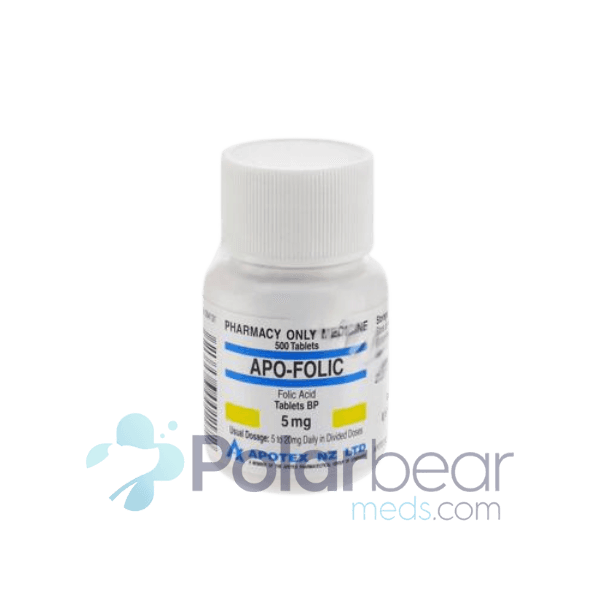
Support your health with Apo-Folic, a trusted folic acid supplement designed to prevent folate deficiency, promote red blood cell production, and support pregnancy wellness. Essential for neural tube defect prevention and heart health, Apo-Folic is available in 400 mcg and 5 mg tablets to meet varying nutritional needs. If you're looking for a cost-effective, high-quality folic acid supplement, buy Apo-Folic online from Canada with trusted suppliers, fast shipping, and competitive pricing. Ideal for pregnant women, breastfeeding mothers, and those with folate deficiency anemia, Apo-Folic helps maintain optimal folate levels for long-term wellness. Take charge of your health today—order Apo-Folic online from Canada for an affordable, reliable supplement delivered right to your door!
Ensuring proper folic acid intake is vital for overall health, especially for pregnancy, red blood cell production, and cardiovascular wellness. Apo-Folic is a high-quality folic acid supplement designed to prevent and treat folate deficiency, support neural tube defect prevention in pregnancy, and help manage homocysteine levels for heart health. At Polar Bear Meds, we understand the importance of affordability when it comes to essential vitamins and supplements. That’s why we offer a budget-friendly option for those looking to buy Apo-Folic online from Canada.
Whether you need folic acid for pregnancy, anemia, or general wellness, our product provides a trusted and effective solution. Apo-Folic is available in two strengths—400 mcg and 5 mg tablets—to suit different dietary needs and medical conditions. It is commonly recommended for pregnant women, breastfeeding mothers, individuals with folate deficiency anemia, and those with conditions requiring increased folic acid intake, such as chronic alcohol use or malabsorption disorders.
For those seeking an alternative to general folic acid supplements, Apo-Folic is a clinically tested, high-quality formulation that ensures optimal folate levels for long-term health benefits. With trusted suppliers, competitive pricing, and fast shipping, we make it easy to buy Apo-Folic online from Canada and get your supplement delivered conveniently to your door. Take control of your health today—order Apo-Folic online from Canada and enjoy a reliable, cost-effective folic acid supplement that supports your wellness every step of the way!
Uses and Benefits
Folic Acid Supplementation
Neural Tube Defect Prevention
Folate Deficiency Anemia Treatment
Pregnancy Support
Homocysteine Level Management
Dosage
What Are the Forms & Strengths of Apo-Folic?
Apo-Folic 400 mcg Tablet
Apo-Folic 5 mg Tablet
What Is the Recommended Dosage of Apo-Folic?
The appropriate dosage depends on factors such as age, health condition, and specific nutritional needs. Following the correct dosage guidelines helps ensure optimal benefits while minimizing the risk of deficiency or excessive intake. Below are the recommended dosages for different groups based on health requirements.
General Adult Use (Folate Deficiency Prevention & Treatment)
Typical Dose: 400 mcg once daily
For Deficiency Treatment: 1 mg per day or as prescribed by a doctor
Pregnancy & Prenatal Care
Recommended Dose: 400–800 mcg per day
High-Risk Pregnancies (Neural Tube Defect Prevention): Up to 4 mg daily, as advised by a healthcare provider
Breastfeeding Mothers
Suggested Dose: 500 mcg per day
Children & Infants
Infants (0–6 months): 65 mcg per day
Infants (7–12 months): 80 mcg per day
Children (1–3 years): 150 mcg per day
Children (4–8 years): 200 mcg per day
Children (9–13 years): 300 mcg per day
Adolescents (14–18 years): 400 mcg per day
Patients with Certain Medical Conditions
Anemia or Malabsorption Issues: 1–5 mg daily, based on severity
Chronic Alcohol Use or Liver Disease: Higher doses may be required, as advised by a doctor
Patients on Certain Medications (e.g., Methotrexate, Phenytoin): Dose adjustments based on medical guidance
[Note: Remember, these recommendations may vary from person to person. Discuss it with your doctor, and they'll customize your dosage accordingly.]
Usage Guide
Taking any supplement correctly ensures you receive its full benefits while minimizing potential side effects. Proper dosage, timing, and adherence to medical advice play a crucial role in maintaining optimal health. Below are important guidelines to follow when using this supplement.
Dosage & Administration:
Take exactly as prescribed by your doctor or as directed on the label.
Swallow whole with a glass of water.
Can be taken with or without food—if stomach upset occurs, take it with a meal.
Best Time to Take It:
It is commonly taken once daily, at the same time each day, for consistency.
If part of a prenatal regimen, take it in the morning to maintain regular intake.
Missed Dose:
If you forget a dose, take it as soon as you remember.
If it’s close to your next scheduled dose, skip the missed dose—do not double up.
Storage & Handling:
Store at room temperature (20-25°C / 68-77°F), away from moisture and direct sunlight.
Keep out of reach of children to prevent accidental ingestion.
[Note: Your doctor will decide the right amount for you based on your condition, following guidelines and studies on the drug. They'll adjust it as needed over time.]
How It Works
Apo-Folic contains the active ingredient folic acid, a type of B vitamin crucial for numerous bodily functions. It works by helping the body produce and maintain new cells, particularly red blood cells, and supports DNA synthesis. Additionally, folic acid is essential during pregnancy, as it significantly reduces the risk of neural tube defects in developing embryos. Apo-Folic also contributes to the proper metabolism of amino acids and plays a vital role in converting homocysteine—a potentially harmful amino acid—into safer substances, thus supporting cardiovascular health. By correcting folic acid deficiencies, Apo-Folic helps prevent conditions associated with low folate levels, such as anemia and neural tube defects.
Side Effects
What Are the Side Effects of Apo-Folic?
Most supplements and medications, while beneficial, can sometimes cause mild side effects. These reactions vary from person to person and may depend on factors like dosage, individual sensitivity, or underlying health conditions. While generally not severe, being aware of potential side effects can help in managing them effectively. Below are some common side effects to keep in mind.
Nausea: Some individuals may experience a sensation of nausea after taking folic acid supplements. This discomfort can manifest as an unsettled stomach or a feeling of the need to vomit. Taking the supplement with or just after meals may help mitigate this side effect.
Loss of Appetite: Folic acid supplementation can lead to a reduced desire to eat. This decrease in appetite might result in lower food intake, potentially affecting nutritional balance. Eating smaller, more frequent meals and focusing on nutrient-dense foods can help manage this effect.
Bloating or Gas: Some users report feelings of bloating or increased gas production when taking folic acid. This can cause abdominal discomfort and a sensation of fullness. Eating slowly, avoiding carbonated beverages, and engaging in regular physical activity may alleviate these symptoms.
Bitter or Unpleasant Taste: A metallic or bitter taste in the mouth has been noted by some individuals after consuming folic acid supplements. This altered taste perception can affect the enjoyment of food and beverages. Maintaining good oral hygiene and using flavored lozenges might help counteract this side effect.
Confusion or Trouble Concentrating: High doses of folic acid have been linked to cognitive effects such as confusion or difficulty focusing. These mental changes can impact daily activities and overall quality of life. If such symptoms occur, consulting a healthcare provider is advisable.
Sleep Disturbances: Some individuals may experience changes in sleep patterns, including insomnia or restlessness, when taking folic acid supplements. These disturbances can lead to daytime fatigue and affect overall well-being. Establishing a regular sleep routine and creating a comfortable sleep environment may help improve sleep quality.
Serious Side Effects of Apo-Folic
While most people tolerate supplementation well, certain individuals may experience serious side effects that require medical attention. These effects are rare but can have significant health consequences if left unaddressed. Below are some serious side effects to be aware of, along with their potential risks.
Allergic Reactions: In rare instances, folic acid can provoke severe allergic reactions, including anaphylaxis. Symptoms encompass skin rashes, itching, hives, swelling of the face, lips, tongue, or throat, and breathing difficulties. Immediate medical attention is crucial if these symptoms arise.
Neurological Effects in Vitamin B12 Deficiency: Administering folic acid without adequate vitamin B12 can mask hematological signs of B12 deficiency while allowing neurological complications to progress. This can lead to irreversible nerve damage, manifesting as numbness, tingling, or cognitive impairments. Therefore, it's essential to rule out vitamin B12 deficiency before starting folic acid supplementation.
Potential Seizure Risk: High doses of folic acid might diminish the effectiveness of anticonvulsant medications like phenytoin, potentially increasing seizure frequency in individuals with epilepsy. Monitoring and possible dosage adjustments of anticonvulsants are advisable when initiating folic acid therapy.
Cancer Risk: Some studies suggest that daily folic acid doses of 0.8-1.2 mg might elevate cancer risk or increase the likelihood of heart attacks in certain individuals. However, more research is needed to confirm these findings.
[Note: Remember, this list may not cover all possible side effects. Always consult with your healthcare giver for medical advice about side effects.]
Warnings
Before taking any supplement, it’s important to be aware of potential risks and safety considerations. Certain health conditions, medication interactions, and dietary factors can affect how the body processes nutrients, leading to unintended side effects. Understanding these warnings can help ensure safe and effective use.
Vitamin B12 Deficiency Masking: Folic acid can correct anemia symptoms caused by vitamin B12 deficiency without addressing potential neurological damage. This may lead to irreversible nerve damage if B12 deficiency remains untreated. Therefore, it's essential to rule out vitamin B12 deficiency before starting folic acid supplementation.
Epilepsy and Anticonvulsant Interaction: High doses of folic acid may reduce the effectiveness of anticonvulsant medications like phenytoin, potentially increasing seizure frequency. Patients with epilepsy should consult their healthcare provider before taking folic acid supplements to adjust medication dosages if necessary.
Folate-Dependent Tumors: Folic acid should be used cautiously in patients with certain cancers, as some tumors rely on folate for growth. Supplementation could potentially stimulate tumor progression in these cases. It's crucial to consult an oncologist before using folic acid in such scenarios.
Allergic Reactions: Although rare, some individuals may experience allergic reactions to folic acid, including rash, itching, swelling, dizziness, or difficulty breathing. If any signs of an allergic reaction occur, immediate medical attention is necessary.
Interaction with Methotrexate: Folic acid does not counteract the effects of methotrexate, a medication that inhibits folate metabolism. Patients on methotrexate therapy should not use folic acid as a rescue treatment without medical supervision, as it may interfere with the drug's efficacy.
Lactose Content: Apo-Folic contains lactose. Individuals with lactose intolerance or hereditary galactose intolerance should be aware of this ingredient, as it may cause gastrointestinal discomfort. Consulting a healthcare provider before use is advisable.
Alcohol Consumption: Chronic alcohol use can decrease folic acid absorption, leading to deficiency. Individuals with alcoholism or liver disease should discuss folic acid supplementation with their healthcare provider to determine appropriate dosing.
Safety Guide
Before starting any supplement, it’s important to consider potential risks and precautions to ensure safe and effective use. Certain health conditions, allergies, or interactions with other medications may require special attention. Below are key precautions to keep in mind before use.
Allergic Reactions: Individuals with a history of hypersensitivity to folic acid should avoid Apo-Folic, as allergic reactions like rash, itching, or more severe responses may occur.
Vitamin B12 Deficiency: Administering folic acid can mask hematological symptoms of vitamin B12 deficiency, potentially allowing neurological complications to progress untreated. Therefore, it's crucial to assess and address vitamin B12 levels before starting folic acid supplementation.
Cancer Considerations: Folic acid should be used cautiously in individuals with certain cancers, as some malignancies may utilize folate for growth, potentially accelerating tumor progression. Consulting an oncologist before supplementation is advisable.
Renal Dialysis: Patients undergoing renal dialysis may require adjusted folic acid dosing, as the procedure can remove folic acid from the body, potentially leading to deficiency. Monitoring and appropriate supplementation are recommended.
Drug Interactions: Folic acid can interact with certain medications, such as antiepileptics, potentially reducing their efficacy. Additionally, drugs like methotrexate may interfere with folate metabolism. It's essential to consult a healthcare provider to manage these interactions effectively.
Lactose Content: Apo-Folic contains lactose; individuals with lactose intolerance or hereditary galactose intolerance should exercise caution, as consumption may lead to gastrointestinal discomfort.
Pregnancy and Breastfeeding: While folic acid is crucial during pregnancy to prevent neural tube defects, it's advisable to consult a healthcare provider to determine the appropriate dosage and ensure safety for both mother and child.
Contraindications
People with specific health concerns, allergies, or pre-existing conditions should avoid taking Apo-Folic without medical supervision. Ignoring these contraindications could lead to serious health complications, including worsened deficiencies, adverse reactions, or interference with other medical treatments. Below are the key contraindications for Apo-Folic, each requiring careful consideration before starting supplementation.
Hypersensitivity to Folic Acid: Individuals who have previously exhibited allergic reactions to folic acid or any components of Apo-Folic should avoid its use. Allergic responses can manifest as skin rashes, itching, swelling, dizziness, or breathing difficulties.
Untreated Vitamin B12 Deficiency: Administering folic acid in the presence of untreated vitamin B12 deficiency, such as pernicious anemia, can correct hematological abnormalities without addressing neurological complications. This may lead to progressive and irreversible nerve damage. Therefore, it's crucial to diagnose and treat vitamin B12 deficiency appropriately before considering folic acid supplementation.
Malabsorption Syndromes: Conditions like Crohn's disease or celiac disease impair nutrient absorption in the small intestine, potentially leading to inadequate folic acid uptake. In such cases, standard oral supplementation may be ineffective, and alternative therapeutic approaches should be considered.
Folate-Dependent Tumors: Caution is advised when administering folic acid to patients with certain cancers, as some tumors rely on folate for growth. Supplementation could potentially stimulate tumor progression in these cases. It's crucial to consult an oncologist before using folic acid in such scenarios.
Hereditary Galactose Intolerance: Apo-Folic contains lactose. Individuals with rare hereditary problems such as galactose intolerance, Lapp lactase deficiency, or glucose-galactose malabsorption should avoid this medication, as it may cause gastrointestinal discomfort or other adverse effects.
Missed Dose
If you miss a dose of Apo-Folic, take it as soon as you remember. However, if it is close to the time for your next scheduled dose, skip the missed dose and continue with your regular dosing schedule. Do not double the dose to make up for a missed one, as excessive folic acid intake is unlikely to provide added benefits and may cause mild side effects like bloating or nausea. If you frequently forget doses, consider setting a daily reminder or taking it at the same time each day to maintain consistent folate levels in your body. If you are unsure about what to do, consult your doctor or pharmacist for guidance.
[Note: If you have missed a dose of your medication and are unsure about when to take the next one, immediately consult your doctor or pharmacist.]
Overdose
Taking too much Apo-Folic is generally not harmful for most people, as excess amounts are usually excreted in urine. However, high doses (above 1,000 mcg per day) over long periods may cause potential health concerns.
B12 Deficiency: High folic acid intake can hide the symptoms of vitamin B12 deficiency, potentially leading to nerve damage, numbness, and cognitive issues if left untreated.
Gastrointestinal Issues: Excess folic acid may cause nausea, bloating, gas, and stomach cramps in some individuals.
Neurological Effects: Some people report irritability, difficulty sleeping, or confusion when taking excessive amounts.
Increased Risk of Certain Health Conditions: Very high doses may be linked to an increased risk of cognitive decline in older adults and potential effects on immune function.
[Note: If you consumed more than the recommended dose, get medical help right away, or call the Poison Help line at 1-800-222-1222.]
Storage Guide
Proper storage is essential to maintain the effectiveness and safety of any supplement or medication. Exposure to heat, moisture, or light can degrade its quality, reducing its potency over time. Following these storage guidelines helps ensure long-term stability and safe use.
Temperature: Store at room temperature, ideally between 15°C and 30°C.
Protection from Elements: Keep the medication away from excessive heat, moisture, and direct sunlight to maintain its potency.
Original Packaging: Store the tablets in their original container to protect them from light.
Child Safety: Ensure the medication is stored out of reach and sight of children, as it contains sufficient drugs to seriously harm a child.
[Note: Discuss with your healthcare professional about the proper disposal of any unused medicine and any questions you may have regarding its storage.]
Interactions
Apo-Folic, containing folic acid, can interact with various medications, potentially altering their effectiveness or increasing the risk of adverse effects. Notable interactions include:
Methotrexate: Methotrexate inhibits dihydrofolate reductase, reducing folic acid activity. Concurrent folic acid supplementation can mitigate methotrexate's side effects, such as mouth sores and gastrointestinal irritation, without diminishing its therapeutic efficacy. However, physician supervision is essential to balance treatment outcomes.
Phenytoin: Folic acid supplementation may decrease serum levels of phenytoin, an anticonvulsant, potentially reducing its effectiveness and increasing seizure risk. Patients on phenytoin should consult their healthcare provider before starting folic acid to adjust dosages appropriately and ensure therapeutic efficacy.
Trimethoprim: Trimethoprim, an antibiotic, inhibits dihydrofolate reductase, reducing folic acid utilization. Combined use with folic acid may decrease trimethoprim's efficacy against certain infections. Healthcare providers should evaluate the necessity of concurrent administration and monitor treatment outcomes closely.
Sulfasalazine: Used in treating inflammatory bowel disease and rheumatoid arthritis, sulfasalazine can impair folic acid absorption, leading to deficiency. Concurrent folic acid supplementation is often recommended to prevent deficiency-related complications, but medical guidance is essential to determine appropriate dosing.
Cholestyramine: Cholestyramine, a bile acid sequestrant used to lower cholesterol, may reduce or delay folic acid absorption. To minimize interaction, folic acid should be administered at least one hour before or 4 to 6 hours after cholestyramine intake, ensuring proper nutrient absorption.
Anticonvulsants: Medications like phenobarbital and primidone can decrease folic acid levels, potentially leading to deficiency. Folic acid supplementation might be necessary for patients on these anticonvulsants, but it should be done under medical supervision to maintain seizure control and nutrient balance.
Pyrimethamine: An antimalarial drug, pyrimethamine inhibits dihydrofolate reductase, affecting folic acid metabolism. Concurrent use with folic acid may reduce pyrimethamine's efficacy. Healthcare providers should assess the benefits and risks of combined therapy and monitor patient response.
Triamterene: This potassium-sparing diuretic can interfere with folic acid metabolism, potentially leading to deficiency. Patients on triamterene may require folic acid supplementation, but it should be guided by a healthcare provider to avoid adverse effects and ensure therapeutic effectiveness.
Oral Contraceptives: Certain oral contraceptives may reduce folic acid levels in the body, increasing the risk of deficiency. Women using these contraceptives should consult their healthcare provider about the need for folic acid supplementation to maintain adequate nutrient status.
Nitrous Oxide: Used as an anesthetic, nitrous oxide can oxidize vitamin B12, indirectly affecting folic acid metabolism. Prolonged or repeated exposure may lead to folate deficiency. Patients undergoing procedures involving nitrous oxide should discuss folic acid supplementation with their healthcare provider.
What Are the Other Apo-Folic Interactions?
Apo-Folic can interact with certain substances and conditions beyond medications, affecting its absorption and efficacy:
Alcohol Consumption: Chronic alcohol intake impairs folic acid absorption by inhibiting the digestion of dietary folate and reducing uptake in the intestines. This can lead to folate deficiency, potentially resulting in anemia and other health issues. Abstaining from alcohol may partially reverse this effect.
Dietary Factors: While specific foods do not adversely interact with folic acid, it's advisable to maintain a balanced diet rich in natural folate sources, such as leafy green vegetables, legumes, and fortified cereals. This supports overall health and complements folic acid supplementation.
Lactose Intolerance: Apo-Folic contains lactose. Individuals with lactose intolerance or hereditary galactose intolerance should be aware of this ingredient, as it may cause gastrointestinal discomfort. Consulting a healthcare provider before use is advisable.
[Note: This isn't a complete list, and there could be other drugs that interact with Apo-Folic. Make sure to tell your doctor about any prescription, over-the-counter medicines, and herbal products you’re taking.]
Alternatives
If you're looking for alternatives to Apo-Folic, several other folic acid supplements and combination formulations are available. Below are some options, categorized by their formulation and intended use.
Deplin (L-methylfolate, used for depression and neuropathy)
[Note: Your doctor will choose what’s best for you. Don’t use any of these alternative medications without consulting your healthcare provider. Taking them by yourself may cause serious side effects.]
Cost & Coupons
Finding the right supplement for folic acid support shouldn’t come at a high cost. Apo-Folic is a trusted folic acid supplement that helps maintain overall health, supports red blood cell production, and plays a crucial role in pregnancy and prenatal care. However, the cost of essential supplements can add up, making it harder for many to access the nutrients they need. At Polar Bear Meds, we are committed to making high-quality healthcare more affordable. If you’re looking for a cost-effective solution, buy Apo-Folic online from Canada and save on your prescription. With trusted suppliers, competitive pricing, and fast shipping, we ensure you receive authentic Apo-Folic without unnecessary financial strain.
FAQ
Guarantee
AtPolarBearMeds.com, we assure you the most affordable price to buy Apo-Folic online from Canada. Rest easy knowing that your order will be dispatched from a reputable Licensed Canada Pharmacy Online, adhering to the highest standards of quality and authenticity. Our discounted medications are shipped directly from Canada to your doorstep, ensuring a swift and secure delivery experience. To conveniently buy Apo-Folic online at a substantial cost, call us at 1-888-779-2193 toll-free.

Important Notice
The content provided on the Polar Bear Meds website serves to increase knowledge about healthcare products and medical conditions and is strictly for informational purposes. It should not replace professional medical advice. We urge you to consult with a qualified healthcare professional prior to utilizing any prescription or over-the-counter medication. Our platform grants access to an extensive array of products, sourced internationally, including Canada. We collaborates with a licensed pharmacy partner in Canada and trusted dispensing pharmacies globally. All affiliated fulfillment centers are accredited by the regulatory authorities of their respective countries.
Medically Reviewed by "Dr. Jackson Miller (M.D)"
Dr. Jackson Miller is a board-certified medicine physician & hospitalist. He is a healthcare professional with a strong background in patient care. With years of experience and a patient-first approach, he believes the foundation of good health is a patient who feels informed and empowered. He contributes to medical content review, drawing on his background in clinical practice and patient education. He focuses on presenting health information in a clear, accurate, and accessible way to help readers make informed decisions. His work emphasizes clarity, evidence-based guidance, and understandable explanations of medical topics.
We offer competitive pricing on all our medications. We'll match if you find a lower price on an identical product at a verified Canadian online pharmacy!
Eligibility Criteria:
The competitor's price must be active (no past/future sales).
It is only valid for Canadian online pharmacies with a verifiable address.
The product must match the strength, pack size, quantity, manufacturer & origin.
There are no price matches on used/expired medications.
You must submit your requests before placing an order.
We cannot adjust prices after purchase.
Request via live chat or phone before placing your order.