Logo
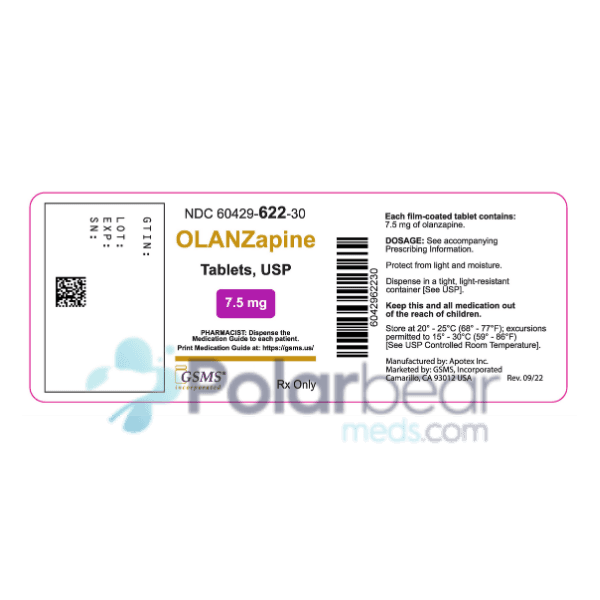
Apo-Olanzapine - Image 1

Apo-Olanzapine

No packages found
price-match-guarantee

Price Match Guarantee

We offer competitive pricing on all our medications. Find a lower price? We'll match it from any verified Canadian online pharmacy! Know More

Similar Medications

How to Order

Ordering your medication online is simple and convenient.

STEP 01

Select the prescribed dosage and quantity, then proceed to checkout.

STEP 02

Sign in or create a new account.

STEP 03

Upload your prescription.

STEP 04

Complete your purchase by processing the payment.

Shipping takes approximately 3-5 business days.

Our Pharmacy Reviews

Read what our customers have to say about their shopping experience.

Product Details

Description

Apo-Olanzapine is a highly effective antipsychotic medication that provides significant relief for individuals managing schizophrenia and bipolar disorder. Available in multiple strengths (2.5 mg–20 mg) and orally disintegrating tablets, it offers flexible dosing tailored to individual needs. Many patients experience improved daily functioning and emotional stability with proper use. When prescribed under medical supervision, Apo-Olanzapine can greatly enhance the quality of your life, allowing you to manage your condition better. So, if you want to buy Apo-Olanzapine to treat bipolar disorder and schizophrenia, get a valid prescription from your doctor.

Apo-Olanzapine is an antipsychotic medication primarily used to treat schizophrenia and bipolar disorder. It works by modulating dopamine and serotonin levels in the brain, helping you to restore chemical balance & alleviate symptoms such as hallucinations, delusions, and mood instability. The medication is available in two convenient forms: standard oral tablets and orally disintegrating tablets (ODTs), with strengths ranging from 2.5 milligrams to 20 milligrams to accommodate individualized treatment plans. For schizophrenia, the starting dose is typically 5–10 mg once daily, with a target maintenance dose of 10 mg per day.

In cases of bipolar disorder, the initial dose may range from 10–15 mg daily, adjusted as needed under medical supervision. When prescribed alongside fluoxetine, Apo-Olanzapine can also effectively treat depressive episodes associated with bipolar disorder. Patients are advised to take Apo-Olanzapine once daily, with or without food, and to swallow tablets whole with water for optimal absorption. While Apo-Olanzapine is highly effective, it may cause side effects such as drowsiness, increased appetite, dry mouth, or dizziness. Rare but serious risks include metabolic changes, blood clots, and tardive dyskinesia, emphasizing the importance of regular medical monitoring.

The medication is not recommended for elderly patients with dementia due to an increased chance or risk of stroke or for those with certain pre-existing conditions like diabetes or liver dysfunction. Apo-Olanzapine may interact with other medications, including dopamine agonists, certain antibiotics, and CNS depressants like alcohol. Patients must avoid grapefruit juice, as it can elevate drug levels in the bloodstream. Alternative treatments, such as Seroquel or Abilify, may be considered if needed.

Uses and Benefits

Apo-Olanzapine is commonly used for the following mood conditions.

  • Schizophrenia
  • Bipolar disorder
Dosage

What Are the Forms & Strengths of Apo-Olanzapine?

Apo-Olanzapine is available in tablet form and orally disintegrating tablets (ODT). The strengths of both types are:

Oral Tablets

  • 2.5 mg
  • 5 mg
  • 7.5 mg
  • 10 mg
  • 15 mg
  • 20 mg

Orally Disintegrating Tablets

  • 5 mg
  • 10 mg
  • 15 mg
  • 20 mg

What Is the Recommended Dosage of Apo-Olanzapine?

The recommended dosage of Apo-Olanzapine depends on the treated condition, the patient's age, and other factors. Here are some general guidelines:

Apo-Olanzapine Dose for Schizophrenia

  • The initial dose is typically 5-10 mg orally once a day, with a target dose of 10 mg per day.
  • Adjustments can be made in 5 mg increments, with a maximum dose of 20 milligrams per day.

Apo-Olanzapine Dose for Bipolar Disorder

  • The starting dose is usually 10-15 mg orally once a day.
  • Maintenance doses range from 5-20 mg per day.

Apo-Olanzapine Dose for Depressive Episodes in Bipolar Disorder (with Fluoxetine)

  • The starting dose is 5 mg of Apo-Olanzapine combined with fluoxetine.

[Note: Remember, these recommendations might vary from person to person. Discuss it with your pharmacist, and they'll customize your Apo-Olanzapine dosage accordingly.]

Usage Guide

If you plan to buy Apo-Olanzapine online from Canada, consider the following administration guidelines:

  • Apo-Olanzapine is usually taken once daily and can be taken with or without food.
  • Swallow Apo-Olanzapine 7.5mg tablet whole with a full glass of water.
  • Do not crush, split, or chew the Apo-Olanzapine tablet.
  • The prescribed dose varies based on your medical condition, age, and response to treatment.
  • Always follow your doctor’s instructions—do not adjust the dose without medical advice.

[Note: Your doctor will decide the right Apo-Olanzapine amount for you based on your condition, following guidelines & studies on the drug. They will adjust it as needed over time.]

How It Works

It modulates major neurotransmitters in the brain, particularly serotonin & dopamine, which play crucial roles in regulating mood, perception, and cognitive functions. The drug helps restore the balance of these chemicals, which is often disrupted in individuals with psychotic disorders. By stabilizing dopamine activity, Apo-Olanzapine reduces hallucinations, delusions, and other symptoms of psychosis, while its influence on serotonin contributes to improved mood and emotional stability. This dual mechanism makes it effective in managing symptoms of mental health disorders, promoting better mental clarity and overall psychological well-being.

Side Effects

Common Side Effects of Apo-Olanzapine: Like all medications, Apo-Olanzapine may cause temporary side effects in some individuals. While most of these effects are mild and tend to reduce over time as the body adjusts to the medication, it is important to monitor them. If any side effects continue, worsen, or become troublesome, consult a healthcare professional quickly. Here are some of the common Apo-Olanzapine side effects:

  • Lack of Energy and Sleepiness: One of the most common side effects of Apo-Olanzapine is a noticeable lack of energy and excessive sleepiness. This can make your daily life activities more difficult and interfere with work or concentration. While this drowsiness often decreases as the body adjusts to the medication, avoiding activities that require alertness, such as driving, is important until you know how the drug affects you.
  • Dry Mouth: Apo-Olanzapine can cause dry mouth, which may be uncomfortable and contribute to difficulties in speaking, swallowing, or tasting food. Discussing potential solutions with your doctor is recommended if dry mouth becomes severe or leads to dental problems (such as increased cavities).
  • Constipation: Some individuals taking Apo-Olanzapine may experience constipation due to the medication’s effects on digestion. A healthcare professional may suggest dietary adjustments or over-the-counter remedies to manage the discomfort if constipation becomes painful.
  • Increased Appetite: Apo-Olanzapine can stimulate appetite, increase food intake, and increase potential weight gain. This side effect should be monitored, as significant weight changes may impact overall health. If weight gain becomes excessive, your doctor may recommend dietary counseling or adjustments to your treatment plan.
  • Tremor (Shakes): Some users of Apo-Olanzapine may develop tremors, which are involuntary shaking movements, often in the hands. While mild tremors may subside over time, persistent or worsening tremors should be reported to a healthcare provider, as they may require dose adjustments or additional treatment to manage.
  • Restlessness: Also known as akathisia, restlessness is a possible side effect of Apo-Olanzapine. It causes an uncomfortable urge to move or an inability to stay still, which can be distressing and may interfere with daily activities. If restlessness becomes severe or unmanageable, your doctor may recommend medication changes or additional therapies to alleviate the symptoms.
  • Dizziness: Dizziness is another common side effect, particularly when standing up quickly or changing positions. To minimize the risk or chances of falls or injury, it is advisable to rise slowly from sitting or lying down.
  • Change in Behavior: In some cases, Apo-Olanzapine may lead to noticeable and major changes in your behavior, such as increased agitation, mood swings, or unusual thoughts. These changes should be taken seriously, especially if they involve worsening mental health symptoms or new emotional disturbances.

Severe side effects of Apo-Olanzapine: Apo-Olanzapine may cause severe allergic reactions, including a medical condition called Drug Reaction with Eosinophilia and Systemic Symptoms. This reaction can affect multiple organs, such as the liver, kidneys, and heart. If you experience any of the following symptoms, stop taking olanzapine and seek immediate medical attention by calling a healthcare professional, 911, or going to the nearest emergency room:

  • Swelling of the lips, face, tongue, mouth, throat, ankles, feet, or legs
  • Breathing problems or wheezing
  • Fever or general ill feeling
  • Racing heart
  • Trouble swallowing or throat tightness
  • Nausea or vomiting
  • Dizziness, lightheadedness, or fainting
  • Swollen lymph nodes
  • Stomach cramps
  • Joint pain
  • Dark-colored pee
  • Jaundice

[Note: Remember, this above list may not cover all potential Apo-Olanzapine side effects. Always consult with your healthcare giver or doctor for medical advice about side effects.]

Warnings

Yes, there are several warnings associated with Apo-Olanzapine. Some of them are listed below:

  • Blood Clots: This medicine can increase the risk of blood clots. In that condition, this medication may block blood flow to vital organs or limbs. If you have a personal or family history of clotting disorders, you could be more vulnerable to conditions like heart attacks, strokes, or deep vein thrombosis (DVT). It’s important to discuss your major risk factors with your doctor, who may adjust your treatment plan or recommend close monitoring. Seek urgent medical help if you notice trouble breathing, swelling in your legs, chest pain, blurred vision, or speech difficulties.
  • Body Temperature Regulation: Apo-Olanzapine, like other antipsychotic medications, may interfere with your body's ability to control temperature. This risk is higher if you're exercising strenuously, exposed to extreme heat, dehydrated, or taking anticholinergic drugs (such as benztropine or oxybutynin). If you start feeling unusually hot and can't cool down, contact your doctor immediately to prevent serious complications.
  • Cholesterol Levels: Apo-Olanzapine can raise blood cholesterol levels. If you already have high cholesterol or risk factors for it, it’s important to talk to your doctor before starting this medication.
  • Glaucoma: Apo-Olanzapine can worsen glaucoma symptoms or trigger new problems related to increased eye pressure. If you have glaucoma, it's crucial to inform your doctor, as they may need to adjust your dosage or monitor your eye health closely. Report any sudden changes in vision while taking this medication.
  • High Blood Sugar (Hyperglycemia): Rarely, Apo-Olanzapine can raise blood sugar levels, leading to hyperglycemia. If you have diabetes or are at risk, your doctor will monitor your A1C (blood sugar levels (A1C) more closely. Watch for signs like unusual weakness, excessive thirst, frequent urination, and increased appetite, and inform your doctor immediately if you experience any of these symptoms.
  • Hypersensitivity Reactions: Some people have experienced a rare but serious allergic reaction called hypersensitivity syndrome while taking olanzapine. This condition can affect multiple organs and may be fatal if not treated promptly. Symptoms like fever, swollen glands, yellow skin or eyes, rash, or blistering require immediate medical attention. Stop using the medication and get help right away if these occur.
  • Liver Health: Apo-Olanzapine can affect liver function and may lead to liver damage. If you have liver disease, your doctor might recommend regular blood tests to monitor the proper functioning of your liver. Symptoms of liver trouble include feeling unusually tired, nausea, loss of appetite, dark urine, light-colored stools, abdominal swelling, or itchy skin.
  • Low Blood Pressure: This medication can lower your blood pressure, especially when changing positions quickly (e.g., standing up). If you have heart disease or cerebrovascular disease or are taking other medications that lower blood pressure, you may need careful monitoring.
  • Neuroleptic Malignant Syndrome (NMS): A rare but serious condition called NMS (neuroleptic malignant syndrome) can occur with olanzapine use. Symptoms include high fever, severe muscle stiffness, confusion, rapid or irregular heartbeat, and heavy sweating.
  • Phenylketonuria (PKU): If you have phenylketonuria, a condition where your body can't break down phenylalanine, avoid the orally disintegrating tablet (ODT) forms of olanzapine. These tablets often contain aspartame, which can be harmful to people with PKU. Instead, use the regular tablet form after consulting your doctor.
  • Prolonged Erection (Priapism): In rare cases, men taking olanzapine have experienced priapism, a painful erection lasting more than four hours. This is a medical emergency.
  • Seizure Risk: Apo-Olanzapine may increase the likelihood of seizures, particularly if you have a history of seizure disorders. Your doctor may need to monitor you more closely during treatment, especially if you're already at risk.
  • Suicidal Thoughts and Behavior: Some people taking olanzapine may experience suicidal thoughts or aggressive behavior, particularly in the first few weeks of treatment. If you or a loved one notices mood changes, feelings of harming yourself or others, or other unusual behaviors, contact your doctor immediately. Ongoing monitoring for emotional and behavioral changes is critical while on this medication.
  • Tardive Dyskinesia (TD): Tardive dyskinesia, a condition involving uncontrollable, repetitive movements (especially of the face and tongue), may develop after long-term use of olanzapine. Seniors, particularly women, seem more vulnerable. Though it’s unpredictable who will develop TD, the risk or chance is higher with higher doses and longer treatment periods. Contact your doctor when there is the first sign of muscle twitching or unusual movements.

Urinary Retention: Apo-Olanzapine can cause urinary retention, making it difficult to empty the bladder. If you have a history of prostate issues or urinary retention, discuss it with your doctor. Monitoring may be needed to avoid complications while using this medication.

Safety Guide

When you buy Apo-Olanzapine online from Canada, consider the following precautionary guidelines:

  • Weight Gain: Long-term use of Apo-Olanzapine often leads to weight gain, with an average increase of about 5.4 kg (12 pounds). Weight gain typically slows down or stabilizes after about six to eight months of treatment. Your doctor might suggest lifestyle changes or monitoring to help manage this side effect.
  • Pregnancy: Apo-Olanzapine should not be used during pregnancy unless absolutely necessary. If you become pregnant while taking it, contact your doctor immediately. Babies exposed to olanzapine in the last trimester may experience withdrawal symptoms after birth, such as breathing problems, trouble feeding, or irritability. It’s important that all caregivers are informed if you have been using olanzapine during pregnancy.
  • Breastfeeding: Apo-Olanzapine passes into breast milk and could harm a nursing baby. If you are taking this medication, breastfeeding is not recommended.
  • Children: The safety and effectiveness of olanzapine have not been fully established in children under 18 years of age. Therefore, it is not typically recommended for this age group unless specifically advised by a healthcare provider.

Seniors: Seniors with dementia who take Apo-Olanzapine may face a higher risk of strokes, heart attacks, or death. If signs of a stroke (sudden weakness, speech difficulties, vision problems), heart attack (chest pain, shortness of breath, sweating), or infections (such as pneumonia) appear, seek medical help immediately. Because of these risks, Apo-Olanzapine should not be used by seniors with dementia.

Contraindications

Apo-Olanzapine should not be used under the following conditions:

  • Hypersensitivity
  • Diabetes Mellitus
  • Blood Disorders
  • Liver Dysfunction
Missed Dose

If you miss a dose of Apo-Olanzapine 7.5mg tablet, take it as soon as possible, unless it’s close to the time for your next dose. Please, do not take an extra Apo-Olanzapine tablets to compensate for the missed one, as this could increase the risk of side effects.

[Note: If you have missed an Apo-Olanzapine dose and are unsure when to take the next one, consult your doctor or pharmacist immediately.]

Overdose

Taking too much Apo-Olanzapine can lead to serious side effects, including:

  • Severe drowsiness or sedation.
  • Low blood pressure (hypotension).
  • Rapid or irregular heartbeat.
  • Respiratory depression (difficulty breathing).
  • Seizures or other neurological symptoms.

In extreme cases, an Apo-Olanzapine overdose can be life-threatening.

[Note: If you consumed more than the recommended Apo-Olanzapine dose, get medical help immediately or call the Poison Help line at 1-800-222-1222.]

Storage Guide

Consider the following guidelines if you plan to buy Apo-Olanzapine to treat schizophrenia:

  • Keep at room temperature, between 68°F-77°F (20°C to 25°C).
  • Brief exposure to 59°F-86°F (15°C to 30°C) is acceptable (e.g., during transport).
  • Store in a cool, dry place, away from moisture and direct heat.

[Note: Discuss with your doctor about the proper disposal of any unused medicine & any questions you may have regarding its storage.]

Interactions
  • Apomorphine: Apo-Olanzapine should not be taken with apomorphine due to opposing effects on dopamine receptors. Olanzapine is an antipsychotic that blocks dopamine receptors, while apomorphine is a dopamine agonist used to treat Parkinson’s disease. Combining these medications can reduce the effectiveness of apomorphine and worsen Parkinson’s symptoms. Additionally, the interaction may increase the risk of low blood pressure, sedation, or confusion. Close monitoring is essential if co-administration is unavoidable.
  • Bromocriptine: Bromocriptine, a dopamine agonist used for Parkinson’s disease and hyperprolactinemia, should not be combined with Apo-Olanzapine. Olanzapine antagonizes dopamine receptors, counteracting bromocriptine’s therapeutic effects. This interaction can lead to worsening motor symptoms in Parkinson’s patients or reduced efficacy in treating prolactin-related conditions. Additionally, both drugs may cause dizziness or hypotension, increasing the risk of falls. Avoid concurrent use unless closely supervised by a healthcare provider.
  • Cabergoline: Cabergoline, another dopamine agonist used for Parkinson’s disease and hyperprolactinemia, is less effective when taken with Apo-Olanzapine. Since olanzapine blocks dopamine receptors, it can negate cabergoline’s benefits, leading to inadequate symptom control. The combination may also increase the risk of cardiovascular side effects, such as low blood pressure or fainting. Patients should avoid this combination unless absolutely necessary, with careful monitoring for adverse effects.
  • Dopamine: Apo-Olanzapine should not be taken with dopamine, as olanzapine’s dopamine receptor-blocking effects can counteract dopamine’s therapeutic actions. Dopamine is used in critical care to support blood pressure and heart function, and olanzapine may interfere with its effectiveness. This interaction could lead to treatment failure in emergency situations. If both drugs must be used, close hemodynamic monitoring is required.
  • Fluvoxamine: Fluvoxamine, an SSRI antidepressant, can increase Apo-Olanzapine levels by inhibiting its metabolism via CYP1A2. This interaction raises the risk of olanzapine-related side effects, such as sedation, weight gain, metabolic changes, and extrapyramidal symptoms.
  • Levodopa: Levodopa, a primary treatment for Parkinson’s disease, works by elevating levels of dopamine in your brain. Apo-Olanzapine antagonizes dopamine receptors, reducing levodopa’s effectiveness and potentially worsening Parkinsonian symptoms. This combination may also increase the risk of neuroleptic malignant syndrome (NMS) or psychosis. Avoid concurrent use unless absolutely necessary, under strict medical supervision.
  • Lisuride: Lisuride, a dopamine agonist for Parkinson’s disease and migraines, should not be taken with Apo-Olanzapine due to opposing mechanisms. Olanzapine’s dopamine blockade can diminish lisuride’s therapeutic effects, leading to poor symptom control. Additionally, both drugs may cause hypotension or sedation, increasing the risk of adverse effects. Avoid this combination unless closely monitored.
  • Mefloquine: Mefloquine, an antimalarial drug, has potential neurological side effects, including seizures and psychiatric disturbances. Combining it with Apo-Olanzapine may increase the risk of QT prolongation, seizures, or worsened mental status. Patients taking both drugs should be monitored for unusual behavior, heart rhythm abnormalities, or increased sedation.
  • Methyldopa: Methyldopa, an antihypertensive, can enhance the CNS depressant effects of Apo-Olanzapine, leading to excessive sedation or dizziness. Additionally, since methyldopa affects dopamine metabolism, combining it with olanzapine may worsen psychiatric or movement disorders. Blood pressure and mental status should be closely monitored if these drugs are used together.
  • Ondansetron: Ondansetron, a 5-HT3 antagonist used for nausea, may interact with Apo-Olanzapine by increasing the risk of QT prolongation and arrhythmias. Both drugs have this potential side effect, and combining them could heighten the danger, especially in patients with pre-existing heart conditions. ECG monitoring is advisable if co-administration is necessary.
  • Pefloxacin: Pefloxacin, a fluoroquinolone antibiotic, can inhibit olanzapine metabolism (CYP1A2), leading to increased olanzapine levels and a higher risk of side effects (e.g., sedation, metabolic changes). Additionally, both drugs may prolong the QT interval, increasing arrhythmia risk. Avoid concurrent use or monitor closely for adverse effects.
  • Pramipexole: Pramipexole, a dopamine agonist for Parkinson’s and restless legs syndrome, has reduced efficacy when taken with Apo-Olanzapine. Olanzapine’s dopamine blockade can counteract pramipexole’s effects, worsening motor symptoms. The combination may also increase sedation and hypotension. Avoid unless necessary, with careful monitoring.
  • Ropinirole: Ropinirole, another dopamine agonist, should not be combined with Apo-Olanzapine due to opposing actions. Olanzapine’s dopamine antagonism can reduce ropinirole’s effectiveness in treating Parkinson’s or restless legs syndrome. The interaction may also increase sedation and orthostatic hypotension. Use together only under close supervision.
  • Sodium Oxybate: Sodium Oxybate (used for narcolepsy) and Apo-Olanzapine both have strong CNS depressant effects. This combination is considered high-risk and should be avoided unless no alternatives exist, with extreme caution and monitoring.

What Are the Other Apo-Olanzapine Interactions?

Apart from drug interactions, Apo-Olanzapine can interact with the following:

  • Apo-Olanzapine Interactions with Vitamins: While Apo-Olanzapine generally has mild interactions with vitamins, some, such as Vitamin C, may still affect how the medication works. These interactions are usually not severe but could influence the drug’s absorption or effectiveness. Patients should discuss their vitamin intake with a doctor or pharmacist to ensure safe use alongside Apo-Olanzapine.
  • Apo-Olanzapine and Alcohol Interaction: Combining Apo-Olanzapine with alcohol can be dangerous, as both substances have sedative effects. Alcohol may intensify drowsiness, dizziness, and cognitive impairment, increasing the risk of accidents or excessive sedation. In some cases, this combination can also worsen mental health symptoms or lead to severe side effects.
  • Apo-Olanzapine Interactions with Foods: Certain foods, particularly grapefruit juice, can have a significant impact on Apo-Olanzapine. Grapefruit inhibits enzymes responsible for metabolizing the drug, leading to very high concentrations in the bloodstream and an increased risk of side effects. Patients should avoid grapefruit products while on this medication. Other foods are generally safe, but maintaining a consistent diet and discussing any dietary concerns with a healthcare provider can help ensure optimal treatment outcomes.

[Note: This is not a complete list, and there could be other drugs that interact with Apo-Olanzapine. Make sure to tell your doctor about any prescription, over-the-counter (OTC) medicines, and herbal products you’re taking.]

Alternatives

There are several alternatives to Apo-Olanzapine, depending on the condition being treated and individual needs. Here are some options:

  • Lamictal
  • Lamotrigine
  • Seroquel
  • Vraylar
  • Abilify
  • Lithium
  • Abilify Maintena
  • Latuda

[Note: Your doctor or pharmacist will choose what is best for you. Please do not use any of these alternative medications of Apo-Olanzapine without consulting your healthcare provider. Taking them by yourself can cause you serious side effects.]

Cost & Coupons

Apo-Olanzapine is an effective medication for managing schizophrenia, but its cost can make long-term treatment financially difficult for some. At Polar Bear Meds, we believe in providing high-quality medications at affordable prices—so you never have to overspend. If you're looking to buy Apo-Olanzapine at a low cost, we offer competitive pricing, trusted suppliers, and fast shipping to ensure you receive genuine medication without the high price tag. Plus, you can buy Apo-Olanzapine with a coupon to save even more—use code “WELCOMEPB10” at checkout for 10% off your first order.

FAQ

Guarantee

AtPolarBearMeds.com, we assure you the most affordable price to buy Apo-Olanzapine online from Canada. Rest easy knowing that your order will be dispatched from a reputable Licensed Canada Pharmacy Online, adhering to the highest standards of quality and authenticity. Our discounted medications are shipped directly from Canada to your doorstep, ensuring a swift and secure delivery experience. To conveniently buy Apo-Olanzapine online to treat schizophrenia at a substantial cost, call us at 1-888-779-2193 toll-free.

Important Notice

The content provided on the Polar Bear Meds website serves to increase knowledge about healthcare products and medical conditions and is strictly for informational purposes. It should not replace professional medical advice. We urge you to consult with a qualified healthcare professional prior to utilizing any prescription or over-the-counter medication. Our platform grants access to an extensive array of products, sourced internationally, including Canada. We collaborates with a licensed pharmacy partner in Canada and trusted dispensing pharmacies globally. All affiliated fulfillment centers are accredited by the regulatory authorities of their respective countries.

Dr. Jackson Miller

Medically Reviewed by "Dr. Jackson Miller (M.D)"

Dr. Jackson Miller is a board-certified medicine physician & hospitalist. He is a healthcare professional with a strong background in patient care. With years of experience and a patient-first approach, he believes the foundation of good health is a patient who feels informed and empowered. He contributes to medical content review, drawing on his background in clinical practice and patient education. He focuses on presenting health information in a clear, accurate, and accessible way to help readers make informed decisions. His work emphasizes clarity, evidence-based guidance, and understandable explanations of medical topics.

Find Dr. Jackson Miller on:LinkedIn
Price matching guarantee certificate

We offer competitive pricing on all our medications. We'll match if you find a lower price on an identical product at a verified Canadian online pharmacy!

Eligibility Criteria:

  • The competitor's price must be active (no past/future sales).
  • It is only valid for Canadian online pharmacies with a verifiable address.
  • The product must match the strength, pack size, quantity, manufacturer & origin.
  • There are no price matches on used/expired medications.
  • You must submit your requests before placing an order.
  • We cannot adjust prices after purchase.
  • Request via live chat or phone before placing your order.

Need help? Call our friendly support team at 1-888-779-2193 or fill out the Contact Form