Logo
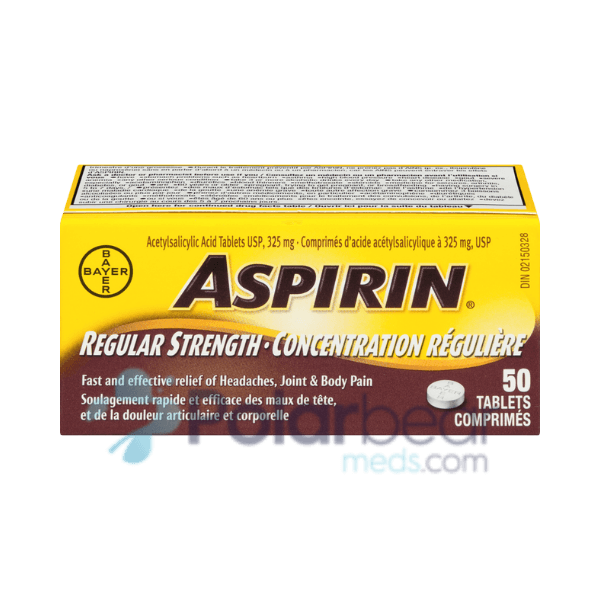
ASPIRIN Coated Delayed Release Regular Strength - Image 1

ASPIRIN Coated Delayed Release Regular Strength

No packages found
price-match-guarantee

Price Match Guarantee

We offer competitive pricing on all our medications. Find a lower price? We'll match it from any verified Canadian online pharmacy! Know More

Similar Medications

How to Order

Ordering your medication online is simple and convenient.

STEP 01

Select the prescribed dosage and quantity, then proceed to checkout.

STEP 02

Sign in or create a new account.

STEP 03

Upload your prescription.

STEP 04

Complete your purchase by processing the payment.

Shipping takes approximately 3-5 business days.

Our Pharmacy Reviews

Read what our customers have to say about their shopping experience.

Product Details

Description

Aspirin is a medication belonging to the salicylate group, used for relieving minor pains, aches, and fevers. It works by inhibiting the production of natural substances that cause inflammation, pain, and blood clots, making it effective as an anti-inflammatory and blood thinner. Available in various forms—including tablets, capsules, and chewable gums—Aspirin is often combined with other medications like antacids or cold remedies to enhance its therapeutic effects. Its versatility allows it to address various conditions, from headaches and menstrual cramps to chronic issues like arthritis and cardiovascular prevention.

Aspirin offers multiple benefits, including pain relief for migraines, sprains, and cold symptoms. Low-dose Aspirin is also recommended for high-risk individuals to prevent cardiovascular events like heart strokes and attacks by reducing blood clot formation. Additionally, it plays a critical role in post-coronary event treatment, minimizing further tissue damage. For adults aged 50–59 with specific risk factors, it may aid in preventing colorectal cancer. However, its use requires medical supervision due to potential side effects, particularly in individuals with bleeding disorders or stomach ulcers.

While Aspirin is generally safe, longer use can cause risks such as gastrointestinal bleeding, allergic reactions, and kidney or liver damage. Specific populations—including children, pregnant women, and those with asthma or gout—should use it cautiously or seek alternatives like acetaminophen or ibuprofen. Proper storage, adherence to dosage guidelines, and awareness of drug interactions (e.g., with alcohol or blood thinners) are essential for safe use. Always consult a healthcare provider to tailor Aspirin use to individual health needs and minimize risks. So, if you want to buy Aspirin online from Canada, get a valid prescription from your doctor.

Uses and Benefits
  • Pain and Swelling Relief
    • Alleviates mild to moderate pain and swelling from:
      • Headaches
      • Colds or flu
      • Sprains and strains
      • Menstrual cramps
      • Chronic conditions like arthritis and migraines
    • This medication is used in combination with other pain relievers (e.g., opioids or NSAIDs) for severe pain.
  • Cardiovascular Event Prevention
    • Low-dose Aspirin may reduce risk in high-risk individuals by preventing blood clots.
    • Recommended under medical supervision for those with:
      • Poor blood flow to the brain
      • Heart or blood vessel disease
      • Diabetes
      • High cholesterol or blood pressure
      • Smoking habit
    • It is not advised for low-risk individuals due to potential side effects.
    • For adults aged 50–59, daily Aspirin may help prevent colorectal cancer and cardiovascular disease if:
      • They have a ≥10% 10-year CVD risk
      • No high bleeding risk
      • Life expectancy ≥10 years
      • Willing to take it for at least 10 years
  • Treatment After Coronary Events
    • Given immediately after:
      • Heart attack
      • Stroke
      • Other cardiovascular events
    • Prevents further clotting and tissue damage.
    • Part of treatment plans for:
      • Post-revascularization (angioplasty, bypass surgery)
      • Mini-strokes (transient ischemic attacks)
      • Ischemic strokes (caused by blood clots)
  • Other Medical Uses
    • Manages pain/swelling in chronic conditions like:
      • Rheumatoid arthritis, osteoarthritis
      • Systemic lupus erythematosus
      • Pericarditis (heart inflammation)
    • Low-dose Aspirin may be recommended for:
      • Retinopathy (retinal damage)
      • Diabetes (if present for >10 years)
      • Patients on antihypertensive drugs
      • Those at risk of colorectal cancer
Dosage

What Are the Forms & Strengths of Aspirin?

This medication is available in tablet and capsule form with the following strengths:

Tablet (Enteric-Coated)

  • 81 mg
  • 162 mg
  • 325 mg
  • 650 mg

Tablet

  • 81 mg
  • 325 mg
  • 500 mg

Tablet (Delayed-Release)

  • 162mg
  • 325mg
  • 500mg

Tablet (Chewable)

  • 75 mg
  • 81 mg

Gum (Chewing)

  • 227 mg

Capsule (Extended-Release)

  • 162.5 mg

What Is the Recommended Dosage for Aspirin?

Aspirin Dose for Pain and Fever

Adults:

  • Immediate-Release: 325–650 mg orally or rectally every 4–6 hours as needed.
  • Controlled/Extended/Delayed Release (Enteric-Coated): 650–1300 mg orally every 8 hours (max 3.9 g/day).

Children Under 12 Years:

  • 10–15 mg/kg orally every 4 hours (max 60–80 mg/kg/day).

Children 12 Years and Older:

  • It's the same as adult dosing.

Aspirin Dose for Acute Coronary Syndrome (ACS)

Initial dose:

  • 160–325 mg orally.
  • If unable to take orally: 300–600 mg rectally.

Maintenance (Secondary Prevention):

  • Preferred Dose: 75–81 mg orally once daily (indefinitely).
  • Alternative Range: 81–325 mg/day (depending on comorbidities/co-administered drugs).
  • If taking ticagrelor, take 81 mg once daily.

Aspirin Dose for Percutaneous Coronary Intervention (PCI)

Preoperative Dose:

  • 162–325 mg orally before the procedure.

Maintenance Dose:

  • Preferred Dose: 81 mg once daily (indefinitely).
  • Alternative Range: 81–325 mg/day (based on regimen).
  • If taking ticagrelor, take 81 mg once daily.

[Note: Remember, these recommendations might vary from person to person. Discuss it with your healthcare giver, and they'll customize your Aspirin dosage accordingly.]

Usage Guide

When you buy Aspirin for pain relief, consider the following administration guidelines:

  • Do not chew, crush, or break Aspirin-coated tablets, as this can damage the protective coating.
  • Consume an Aspirin-coated tablet with or immediately after a meal to minimize stomach irritation.
  • Adhere to the recommended dose from your doctor or the medication label.
  • If using indigestion remedies, take them at least 2 hours before or after Aspirin to prevent coating interference.
  • Stay upright for a minimum of 30 minutes to prevent stomach discomfort.
  • Especially if you have a history of serious bleeding disorders, stomach ulcers, or other medical conditions.

[Note: Your doctor will decide the right Aspirin amount for you based on your medical condition, following guidelines & studies on the medication. They'll adjust it as needed over time.]

How It Works

Aspirin works by blocking the action of a specific enzyme in your body called cyclooxygenase (COX). This enzyme plays a major role in the production of prostaglandins—hormone-like substances that trigger inflammation, pain, and fever. By inhibiting COX, Aspirin reduces the levels of prostaglandins, which in turn helps relieve pain, lower fever, and reduce inflammation. Additionally, Aspirin has another important effect. It prevents blood clots by stopping platelets from sticking together. This is why doctors sometimes recommend low doses of Aspirin to people at risk of heart attacks or strokes.

Side Effects

Common Side Effects of Aspirin: Like many medications, Aspirin can cause some side effects. Generally, these side effects go away within a week or so. Here are some of the common Aspirin side effects:

  • Gastrointestinal Bleeding: Regular Aspirin use raises the risk of stomach ulcers and gastrointestinal (GI) bleeding. Aspirin irritates the stomach lining and inhibits substances that protect it, making it more vulnerable to damage. In severe cases, bleeding ulcers or existing GI bleeding can worsen with Aspirin, leading to significant blood loss that may require emergency treatment. Symptoms of this side effect, like black, tarry stools or vomiting blood, indicate serious bleeding and require immediate medical attention. Those with a history of ulcers or GI bleeding should consult a healthcare provider before taking Aspirin.
  • Allergic Reaction: Some person may experience an allergic reaction to Aspirin, ranging from mild skin rashes to severe anaphylaxis—a life-threatening condition that causes difficulty swelling, breathing, and a drop in blood pressure. People with asthma or chronic sinusitis are at higher risk of Aspirin sensitivity. An allergic reaction can occur even with small doses, so those with known Aspirin allergies should avoid it entirely and seek alternative medications under medical supervision.
  • Ringing in the Ears: High doses of Aspirin can cause tinnitus, a continuous ringing or buzzing in the ears. This side effect is usually dose-dependent and often reversible once Aspirin is discontinued. Tinnitus occurs because Aspirin can affect the inner ear’s nerve function. Patients experiencing this symptom should consult their doctor, as lowering the dose or switching medications may be necessary.
  • Heartburn: Aspirin can irritate the esophagus and stomach, leading to heartburn—a burning sensation in the chest or throat. This happens because Aspirin reduces protective mucus in the stomach, allowing acid to cause discomfort. Taking Aspirin with food or using enteric-coated versions may help reduce this side effect, but continuous heartburn should be discussed with your doctor.
  • Mild Indigestion: Even at low doses, Aspirin may cause mild indigestion, including stomach discomfort, nausea, or bloating. These symptoms are usually temporary but can be bothersome. Drinking plenty of water, taking Aspirin with meals, or using antacids (if approved by a doctor) may help alleviate indigestion.
  • Increased Thirst: One of the less common but possible side effects of Aspirin is increased thirst, which may occur due to the drug’s impact on kidney function or fluid balance in the body. Aspirin can sometimes cause mild dehydration or electrolyte imbalances, leading to a heightened sense of thirst. If this symptom persists or is accompanied by dizziness, dry mouth, or reduced urination, it may indicate a more serious issue and medical advice should be sought.
  • Light-Colored Stools: Light-colored stools after taking Aspirin could indicate a potential liver issue, as the liver metabolizes Aspirin and may, in rare cases, cause liver dysfunction. This side effect is more likely with long-term use or high doses. If stools appear pale or clay-colored, especially alongside jaundice or dark urine, seek medical evaluation to check for liver problems.
  • Loss of Appetite: An appetite loss may occur with Aspirin use, possibly due to stomach irritation or mild nausea. While this side effect is usually not serious, prolonged appetite loss could lead to unintended weight loss or nutritional deficiencies.
  • Lower Back or Side Pain: Lower back or side pain while taking Aspirin could be a sign of kidney problems, as Aspirin affects blood flow to the kidneys and may cause irritation or damage with prolonged use. This pain may be dull or sharp, indicating kidney inflammation or impaired function. Quick medical evaluation is essential if back or flank pain is severe or accompanied by changes in urination (such as reduced output or blood in urine).
  • Muscle Cramping and Weakness: Aspirin may contribute to muscle cramps or weakness in some individuals, possibly due to electrolyte imbalances (such as low potassium) or dehydration. This side effect is more common with high doses or long-term use.

Serious Side Effects of Aspirin: When you buy Aspirin for pain relief, you may encounter some of the following serious side effects associated with it:

  • Loss of Consciousness: Aspirin can cause a severe drop in blood pressure or an allergic reaction, leading to fainting, dizziness, or even loss of consciousness. This may occur due to an extreme reaction to the medication or a serious health condition. If fainting or near-fainting episodes happen after taking Aspirin, immediate medical attention is necessary to assess for serious allergic reactions, internal bleeding, or other critical issues.
  • Liver or Kidney Damage: Aspirin can cause liver or kidney damage, particularly with long-term or high-dose use. The liver may become inflamed, leading to symptoms such as yellowing of the skin or eyes (jaundice), dark urine, or persistent fatigue. Kidney damage can reduce urine output, cause swelling in the legs, or lead to unexplained tiredness. Both organs play crucial roles in filtering toxins from the body, so impaired function can have serious health consequences.
  • Hemorrhagic Stroke: While Aspirin is commonly used to prevent clot-related strokes, it may increase the risk or chance of a hemorrhagic stroke. This condition occurs when a weakened blood vessel ruptures in the brain. Aspirin’s blood-thinning effects reduce clot formation but may also make bleeding more likely, especially in individuals with uncontrolled high blood pressure or fragile blood vessels. A hemorrhagic stroke can be life-threatening, causing severe brain damage due to bleeding and increased pressure inside the skull. Symptoms may include confusion, severe headache, weakness on one side of the body, or loss of consciousness.
  • Irregular Heartbeat: Although rare, Aspirin may contribute to irregular heartbeats (arrhythmias) in some individuals, particularly at high doses or in those with pre-existing heart conditions. This side effect could be due to Aspirin’s influence on electrolytes like potassium or its effects on blood pressure. If you experience palpitations, a racing heart, dizziness, or an irregular heartbeat, consult a healthcare provider to rule out serious cardiac issues.

[Note: Remember, this list might not cover all possible side effects. Always consult your healthcare giver for advice about Aspirin side effects.]

Warnings

Aspirin is used for pain relief, but it also comes with certain warnings:

  • Bleeding Disorders: If you have a condition like hemophilia or any other bleeding disorder, Aspirin can increase your risk of excessive bleeding. This medication thins the blood, which may lead to dangerous bleeding episodes in people with these conditions. Always consult your doctor before taking Aspirin if you have a history of bleeding problems.
  • Stomach or Intestinal Bleeding: Aspirin can irritate the stomach lining and worsen bleeding in the digestive tract. If you’ve had ulcers, stomach bleeding, or other gastrointestinal issues, taking Aspirin may cause further harm. Your doctor may recommend a safer alternative for pain relief or blood thinning.
  • Allergy to NSAIDs: Some people may have severe allergic reactions to Aspirin or similar pain relievers like ibuprofen (Advil, Motrin) or naproxen (Aleve). If you’ve ever had an asthma attack or allergic reaction after taking these medications, avoid Aspirin.
  • Children with Fever or Viral Illnesses: Aspirin has been linked to Reye’s syndrome, a rare but serious condition that causes brain and liver damage in young people. Always use child-safe alternatives like acetaminophen (Tylenol) for fevers or pain in children unless a doctor specifically recommends Aspirin.
  • Heart Disease or High Blood Pressure: While sometimes used for heart protection, Aspirin can interact with other heart medications. Never start or stop it without medical advice.
Safety Guide

When you buy Aspirin to treat pain, consider the following precautionary guidelines:

  • Asthma or Allergies: If you have asthma or a history of allergic reactions to Aspirin or other NSAIDs, use caution. Aspirin can trigger bronchospasms or severe allergic responses, including difficulty breathing or swelling. To avoid these risks, your doctor may recommend alternative medications, such as acetaminophen.
  • Age Consideration: This medication may be prescribed for children as young as 12 years old for specific conditions, but caution is advised. Do not use in children or teenagers to treat chickenpox or flu symptoms unless specifically directed by a healthcare provider. Patients over 65 years of age may experience stronger reactions and should use a reduced dose as recommended.
  • Liver or Kidney Disease: Since Aspirin is metabolized by the liver & excreted by the kidneys, impaired organ function can lead to drug accumulation and toxicity. If you have liver cirrhosis, hepatitis, or chronic kidney disease, your doctor or healthcare giver may adjust your dosage or suggest a different pain reliever to prevent complications.
  • Bleeding or Clotting Disorders: Aspirin thins the blood and increases bleeding risk, especially in people with conditions like hemophilia, low platelet count (thrombocytopenia), or a history of ulcers. Even minor injuries or surgeries can lead to excessive bleeding. Always inform your doctor before taking Aspirin regularly, especially if you are on blood thinners such as warfarin.
  • Gout: Aspirin can interfere with uric acid excretion, potentially raising levels in the blood and worsening gout symptoms. If you have gout or high uric acid, your doctor or pharmacist may recommend alternative pain relievers, such as NSAIDs that do not affect uric acid or corticosteroids for inflammation management.
  • Pregnancy (Third Trimester): Taking Aspirin late in pregnancy may increase the risk of bleeding in both the mother and baby, as well as complications during delivery. Pregnant women, especially those in the third trimester, should avoid Aspirin unless specifically prescribed by a doctor for conditions like preeclampsia. Safer alternatives, such as acetaminophen, are usually recommended.

Breastfeeding: Small amounts of Aspirin can pass into breast milk and may cause Reye’s syndrome (a rare but serious condition) in infants. It can also affect platelet function in nursing babies. If you need pain relief while breastfeeding, consult your doctor for safer options like ibuprofen or acetaminophen.

Missed Dose

If you miss a dose of Aspirin and are on a regular schedule, take it as soon as you can. However, if it’s almost time for your next Aspirin dose, skip the missed one. Do not take extra medicine to make up for the missed dose, as this may increase the risk of side effects. Since Aspirin is often used as needed, you may not need to follow a strict dosing routine unless directed by your doctor.

[Note: If you have missed a dose of Aspirin and are unsure about when to take the next one, consult your pharmacist immediately.]

Overdose

An Aspirin overdose can cause serious symptoms, including stomach pain, diarrhea, vomiting, and changes in vision or hearing. Other warning signs may involve breathing problems—either too fast or too slow—as well as confusion.

[Note: If you consumed more than the recommended Aspirin dose, get medical help right away or call the Poison Help line at 1-800-222-1222.]

Storage Guide

If you plan to buy Aspirin online, you can consider the following storage guidelines:

  • Keep Aspirin away from children and pets.
  • Store Aspirin at room temperature (15–30°C or 59–86°F).
  • Avoid heat and moisture while storing Aspirin.
  • Do not use it if it has a strong vinegar odor.

[Note: Discuss with your doctor about the proper disposal of any unused Aspirin tablets & any questions you may have regarding their storage.]

Interactions

Some medications should not be taken with Aspirin at all, while others may be used together with adjustments to minimize risk. Taking Aspirin with the following drugs might raise the risk of certain side effects:

  • Abrocitinib
  • Acalabrutinib
  • Acetazolamide
  • Betrixaban
  • Cabozantinib
  • Caplacizumab
  • Dabigatran
  • Dalteparin
  • Danaparoid
  • Dasatinib
  • Deferasirox
  • Defibrotide
  • Desirudin
  • Dichlorphenamide
  • Dicumarol
  • Donanemab
  • Dorzolamide Ophthalmic
  • Edoxaban
  • Enoxaparin
  • Fondaparinux
  • Ibritumomab
  • Ibrutinib
  • Ibuprofen
  • Inotersen
  • Iodine I 131 Tositumomab
  • Ketorolac
  • Lecanemab
  • Leflunomide
  • Methazolamide
  • Methotrexate
  • Omacetaxine
  • Panobinostat
  • Piroxicam
  • Plasminogen, Human
  • Ponatinib
  • Ramucirumab
  • Regorafenib
  • Reteplase
  • Rivaroxaban
  • Streptokinase
  • Tenecteplase
  • Teriflunomide
  • Tinzaparin
  • Tipranavir
  • Tositumomab
  • Tovorafenib
  • Urokinase
  • Warfarin
  • Zanubrutinib

What Are the Other Aspirin Interactions?

Apart from medication, Aspirin can interact with the following:

  • Alcohol: Drinking alcohol while taking Aspirin can interfere with the medication’s effectiveness & increase the risk of stomach bleeding. Aspirin already has blood-thinning properties, and alcohol may further irritate the stomach lining, leading to a higher chance of bleeding or ulcers. To minimize risks, it is best to limit alcohol consumption or avoid it entirely while using Aspirin.
  • Food: Unlike some medications, Aspirin does not have any known significant interactions with food. This means it can generally be taken with or without meals. However, taking Aspirin with food may help reduce stomach irritation, especially for those prone to digestive discomfort. Always follow your healthcare provider’s instructions regarding dosage and timing.
  • Herbs & Supplements: Certain herbs and dietary supplements may interact with Aspirin, particularly those that also affect blood clotting or have anti-inflammatory effects. For example, supplements like ginkgo biloba, garlic, and fish oil may elevate the risk of bleeding when combined with Aspirin.
  • Disease Interactions: There are 9 disease interactions associated with Aspirin.
    • Coagulation: Aspirin is contraindicated in patients with active bleeding or hemorrhagic disorders like hemophilia, von Willebrand's disease, or telangiectasia. It irreversibly inhibits platelet aggregation and prolongs bleeding time, increasing the risk of hemorrhage. Non-acetylated salicylates (e.g., sodium or magnesium salicylate) do not affect platelet function and may be safer alternatives. However, all salicylates can interfere with vitamin K–dependent clotting factors (VII, IX, X), potentially increasing prothrombin time (PT). Caution is advised in patients with hypoprothrombinemia, vitamin K deficiency, thrombocytopenia, or those on anticoagulants, as well as in severe hepatic impairment.
    • Asthma: NSAIDs, including Aspirin, are contraindicated in patients with a history of Aspirin-exacerbated respiratory disease (AERD), which includes asthma, chronic rhinosinusitis with nasal polyps, and severe bronchospasm triggered by NSAIDs. Cross-reactivity among NSAIDs is common, so all NSAIDs should be avoided in these patients. Even in asthmatic patients without known Aspirin sensitivity, NSAIDs should be used cautiously, with close monitoring for worsening respiratory symptoms.
    • Gastrointestinal Toxicity: Aspirin and other salicylates can cause dose-related GI bleeding, ulceration, and mucosal damage, even in the absence of symptoms. Chronic use may lead to iron deficiency anemia due to occult blood loss. Patients with a history of peptic ulcers, GI bleeding, alcoholism, or inflammatory bowel disease are at higher risk. Enteric-coated formulations, proton pump inhibitors (PPIs), or misoprostol may be used to minimize GI effects. However, Aspirin should be avoided or given only with strict monitoring and concomitant anti-ulcer therapy in active GI bleeding or ulceration.
    • Renal Dysfunction: Salicylates are primarily excreted by the kidneys, and their use in renal impairment requires caution. Aspirin can reduce renal blood flow and glomerular filtration rate (GFR), potentially worsening kidney function. High doses or prolonged use may lead to acute tubular necrosis or renal papillary necrosis. Monitoring renal function is essential, and dose adjustments may be necessary in patients with chronic kidney disease.
    • Reye’s Syndrome: Aspirin use in children or teenagers with viral infections (e.g., influenza, varicella) has been linked to Reye’s syndrome, a rare but life-threatening condition causing liver failure and encephalopathy. Although causality is not definitively proven, most guidelines recommend avoiding Aspirin in pediatric patients with viral illnesses. Acetaminophen is preferred for fever or pain management in these cases.
    • Anemia: Chronic Aspirin use can lead to occult GI blood loss, contributing to iron deficiency anemia. Patients with preexisting anemia or conditions predisposing to bleeding should be monitored with periodic hematocrit checks. Non-Aspirin salicylates may be considered as alternatives, though high doses can still cause GI bleeding.
    • Dialysis: Hemodialysis effectively removes salicylates like Aspirin, so doses should be adjusted accordingly—either given post-dialysis or supplemented afterward. Peritoneal dialysis also removes salicylates but less efficiently. Monitoring drug levels may be necessary in dialysis-dependent patients.
    • G6PD Deficiency: Although evidence is limited, Aspirin may induce hemolysis in patients with glucose-6-phosphate dehydrogenase (G6PD) deficiency. Caution is advised in these individuals, and alternative analgesics (e.g., acetaminophen) may be preferable.
    • Hepatotoxicity: High-dose Aspirin (>25 mg/dL) can cause transient liver enzyme elevations, particularly in patients with autoimmune diseases (e.g., lupus, rheumatoid arthritis) or preexisting liver disease. Rare cases of chronic active hepatitis and hepatic failure have been reported.

[Note: This is not a complete list, and there could be other medications that interact with Aspirin. Make sure to tell your doctor about any prescription, over-the-counter (OTC) medicines, and herbal products you’re taking.]

Alternatives

If you're looking for alternatives to Aspirin, there are several options depending on your needs:

  • Benlysta
  • Hydroxychloroquine
  • Plaquenil
  • Prednisone
  • Belimumab
  • Saphnelo
  • Anifrolumab
  • Mycophenolate Mofetil
  • Ibuprofen
  • Naproxen
  • Acetaminophen

[Note: Your doctor will choose what medication is best for you. Don’t use any of these alternative medicines without consulting your healthcare giver. Taking them by yourself may cause serious side effects.]

Cost & Coupons

Looking to buy Aspirin at a coupon offer and save on your pain relief medication? At Polar Bear Meds, we make getting the treatment you need easy and affordable. While the price of Aspirin can vary depending on your prescription, dosage, and insurance coverage, we strive to keep costs low so you don’t have to compromise on your health. If your insurance doesn’t cover Aspirin, our discounted rates and special promotions ensure you still get the best deal. Plus, as a new customer, you can take benefit of an exclusive 10% discount by using promo code “WELCOMEPB10” at checkout. Don’t miss out—shop now and enjoy high-quality pain relief at unbeatable prices!

FAQ

Guarantee

AtPolarBearMeds.com, we assure you the most affordable price to buy Aspirin online from Canada. Rest easy knowing that your order will be dispatched from a reputable Licensed Canada Pharmacy Online, adhering to the highest standards of quality and authenticity. Our discounted medications are shipped directly from Canada to your doorstep, ensuring a swift and secure delivery experience. To conveniently buy Aspirin online to treat pain at a substantial cost, call us at 1-888-779-2193 toll-free.

Important Notice

The content provided on the Polar Bear Meds website serves to increase knowledge about healthcare products and medical conditions and is strictly for informational purposes. It should not replace professional medical advice. We urge you to consult with a qualified healthcare professional prior to utilizing any prescription or over-the-counter medication. Our platform grants access to an extensive array of products, sourced internationally, including Canada. We collaborates with a licensed pharmacy partner in Canada and trusted dispensing pharmacies globally. All affiliated fulfillment centers are accredited by the regulatory authorities of their respective countries.

Dr. Jackson Miller

Medically Reviewed by "Dr. Jackson Miller (M.D)"

Dr. Jackson Miller is a board-certified medicine physician & hospitalist. He is a healthcare professional with a strong background in patient care. With years of experience and a patient-first approach, he believes the foundation of good health is a patient who feels informed and empowered. He contributes to medical content review, drawing on his background in clinical practice and patient education. He focuses on presenting health information in a clear, accurate, and accessible way to help readers make informed decisions. His work emphasizes clarity, evidence-based guidance, and understandable explanations of medical topics.

Find Dr. Jackson Miller on:LinkedIn
Price matching guarantee certificate

We offer competitive pricing on all our medications. We'll match if you find a lower price on an identical product at a verified Canadian online pharmacy!

Eligibility Criteria:

  • The competitor's price must be active (no past/future sales).
  • It is only valid for Canadian online pharmacies with a verifiable address.
  • The product must match the strength, pack size, quantity, manufacturer & origin.
  • There are no price matches on used/expired medications.
  • You must submit your requests before placing an order.
  • We cannot adjust prices after purchase.
  • Request via live chat or phone before placing your order.

Need help? Call our friendly support team at 1-888-779-2193 or fill out the Contact Form