Polarbearmeds - Home
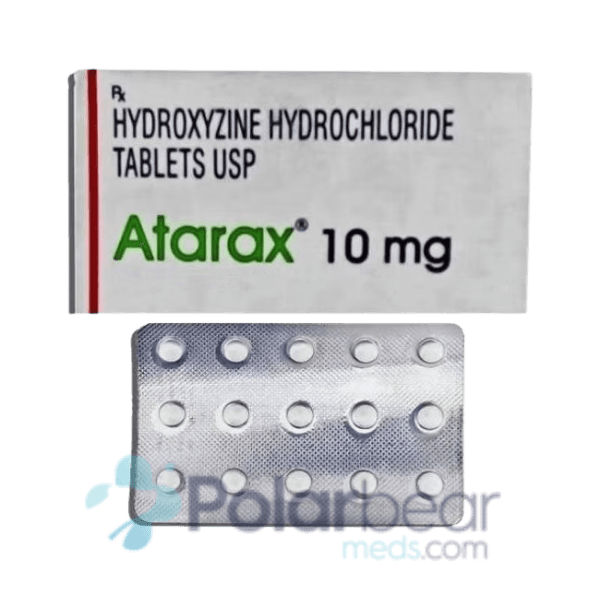
Atarax - Image 1

Atarax

No packages found
price-match-guarantee

Price Match Guarantee

We offer competitive pricing on all our medications. Find a lower price? We'll match it from any verified Canadian online pharmacy! Know More

How to Order

Ordering your medication online is simple and convenient.

STEP 01

Select the prescribed dosage and quantity, then proceed to checkout.

STEP 02

Sign in or create a new account.

STEP 03

Upload your prescription.

STEP 04

Complete your purchase by processing the payment.

Shipping takes approximately 3-5 business days.

5 Star Excellence award from Shopper Approved

Product Details

Description

Description

Atarax (hydroxyzine hydrochloride) is a medication primarily used to treat anxiety and promote relaxation before or after surgery. It is also effective in managing symptoms of skin allergies, such as itching, swelling, and rashes associated with conditions like dermatitis, eczema, and psoriasis. As an antihistamine, Atarax works by blocking histamine receptors and reducing allergic reactions, while its calming effects on the central nervous system help alleviate anxiety and tension. Available in tablet (10 mg, 25 mg, 50 mg) and syrup (10 mg/5 mL) forms, it is prescribed for short-term anxiety relief, allergic itching, pre- and post-surgery sedation, and nausea control. However, its use requires medical supervision due to potential side effects and interactions.

The recommended dosage of Atarax varies based on age and condition. For anxiety, adults typically take 50–100 mg four times daily, while children’s doses are weight-adjusted. For allergies, adults may take 25 mg three to four times daily. Common side effects of Atarax include drowsiness, dry mouth, dizziness, and constipation, while serious reactions like breathing difficulties, rapid heartbeat, or severe skin rashes require immediate medical attention. Atarax is not suitable for everyone; it should be avoided by those with heart rhythm disorders, glaucoma, or certain allergies.

If Atarax is unsuitable, alternatives like cetirizine (for allergies) or buspirone (for anxiety) may be considered, but only under a doctor’s guidance. The medication can interact with drugs like opioids, antipsychotics, and certain antibiotics, increasing risks of sedation or heart complications. For cost savings, discounts and coupons may be available. Always consult a healthcare provider or doctor before starting or stopping Atarax to ensure safe and effective treatment.

Uses and Benefits

Uses and Benefits

Atarax is prescribed to treat:

  • Anxiety- Helps manage certain types of anxiety disorders.
  • Allergic Itching- Relieves itching caused by allergic reactions.
  • Pre- and Post-Anesthesia Sedation- Promotes relaxation before and after surgery under general anesthesia.
  • Nausea and Vomiting- Aids in controlling nausea and vomiting.

Atarax provides the following benefits:

  • Relieves short-term anxiety caused by stress, like during job interviews, exams, or performances.
  • Helps manage restlessness, fatigue, poor concentration, and irritability, improving daily productivity.
Dosage

Dosage

What Are the Forms & Strengths of Atarax?

Atarax is available in the following forms and strengths:

Tablets

  • 10 mg
  • 25 mg
  • 50 mg

Syrup

  • 10 mg per 5 ml

What Is the Recommended Dosage for Atarax?

Atarax Dose for Anxiety & Tension

  • Adults: 50–100 mg, 4 times daily.
  • Children 6+ Years: 50–100 mg per day in divided doses.
  • Children Under 6 Years: 50 mg per day in divided doses.

Atarax Dose for Allergic Reactions

  • Adults: 25 mg, 3–4 times daily.
  • Children 6+ Years: 50–100 mg per day in divided doses.
  • Children Under 6 Years: 50 mg per day in divided doses.

Atarax Dose for Pre-Surgery Anxiety & Sedation

  • Adults: 50–100 mg per day.
  • Children: Dosage is weight-based (typically 0.6 mg/kg per day) and determined by a doctor.

[Note: Remember, these recommendations might vary from person to person. Discuss it with your healthcare expert, and they'll customize your Atarax dosage accordingly.]

Usage Guide

Usage Guide

When you buy Atarax (hydroxyzine hydrochloride) online, consider the following administration guidelines:

  • First, wash your hands. Follow the Atarax dosage instructions provided by your healthcare provider.
  • Atarax tablets can be taken with or without food.
  • Take the Atarax at the same time each day to maintain consistent levels in your body.

[Note: Your pharmacist or doctor will decide the appropriate amount of Atarax for you based on your medical condition, following guidelines & studies on the drug. They will adjust it as needed over time.]

How It Works

How It Works

Atarax is an antihistamine medication that functions by blocking the effects of histamine, a key chemical messenger involved in allergic reactions. When your body encounters an allergen, histamine is released, triggering symptoms such as itching, swelling, redness, and rashes. By inhibiting histamine’s action, Atarax effectively alleviates these allergic responses. Additionally, due to its central nervous system (CNS) depressant properties, Atarax also affects certain brain activity, producing a calming effect. This makes it useful for short-term management of anxiety and tension, as it helps reduce overstimulation in the brain, promoting relaxation and drowsiness. As a result, it can aid in relieving both allergic conditions and mild anxiety when prescribed by a healthcare provider.

Side Effects

Side Effects

Common Atarax Side Effects: Like all medications, Atarax can cause you the following common side effects:

  • Dizziness, Feeling Lightheaded, or Fainting: Extreme dizziness or fainting while taking Atarax may result from a sudden drop in pressure of the blood due to an allergic reaction (anaphylactic shock). This is a medical emergency situation, as it can lead to loss of consciousness or organ damage. Seek immediate help if you experience these symptoms after taking Atarax.
  • Constipation: Atarax has anticholinergic properties, which can slow down bowel movements and lead to constipation. Staying hydrated, eating fiber-rich foods, and engaging in light physical activity help alleviate this side effect. Discuss possible remedies or alternative treatments with your healthcare provider if constipation worsens.
  • Shaking (Tremors): Some individuals may experience mild tremors or shaking while taking Atarax. This side effect is related to the drug’s impact on the central nervous system. If tremors are bothersome or worsen, your doctor may recommend adjusting the Atarax dose or switching to an alternative medication.
  • Dry Mouth: Dry mouth (xerostomia) is a common anticholinergic side effect of Atarax. It occurs because the medication reduces saliva production. This condition should be discussed with a healthcare professional, as it may increase the risk of dental issues.
  • Restlessness: Although Atarax is primarily used for its calming effects, some individuals may experience paradoxical reactions, such as restlessness or agitation. This is more common in children and older adults. If restlessness is severe or accompanied by confusion, seek medical advice promptly.
  • Cough: Some people taking Atarax may experience a mild, dry cough, though this is less common. If the cough worsens, consult your doctor to rule out other underlying causes or potential allergic reactions.
  • Difficulty Swallowing (Dysphagia): Atarax can cause throat muscle relaxation or dryness, leading to temporary difficulty swallowing. If this side effect is severe or persistent, medical evaluation is necessary to prevent complications like choking or aspiration.

Serious Atarax Side Effects: When you buy Atarax online for anxiety and tension relief, you should know about the following serious side effects associated with it:

  • Breathing Problems or Wheezing: Atarax may cause serious allergic reactions, leading to breathing difficulties or wheezing. This occurs due to swelling or constriction of the airways, which can reduce oxygen flow. If you experience sudden breath shortness, tightness in the chest, or audible wheezing, seek emergency medical help immediately, as this could indicate a life-threatening reaction such as anaphylaxis.
  • Racing Heart (Tachycardia): A serious side effect of Atarax is a rapid or irregular heartbeat (tachycardia), which may signal an allergic reaction or an adverse response to the medication. A racing heart can lead to dizziness, fainting, or even more severe cardiac complications. If you notice a sudden increase in heart rate, especially alongside other allergic symptoms, discontinue Atarax and seek urgent medical attention.
  • Fever or General Ill Feeling: A fever or an overall malaise while taking Atarax could indicate a hypersensitivity reaction, like serum sickness or drug-induced fever. These systemic symptoms suggest your immune system is reacting adversely to the medication. Stop using Atarax and consult a healthcare provider promptly to prevent worsening complications.
  • Swollen Lymph Nodes: Enlarged lymph nodes (lymphadenopathy) may occur as a serious allergic reaction to Atarax. This could signal an immune response, infection, or drug-induced hypersensitivity syndrome. If you notice swollen glands, especially with fever or rash, discontinue the medication and seek medical evaluation to rule out severe reactions.
  • Angioedema: This is a dangerous allergic reaction that can obstruct breathing if it affects the throat or tongue. If you experience sudden facial swelling, particularly around the mouth or throat, stop Atarax immediately and seek emergency care, as this can rapidly progress to life-threatening airway blockage.
  • Trouble Swallowing or Throat Tightness: Difficulty swallowing or a sensation of throat tightness may indicate swelling in the upper airways, a medical emergency that requires immediate intervention. This symptom, often linked to anaphylaxis, can worsen quickly, leading to suffocation if untreated. Discontinue Atarax and call emergency services right away if this occurs.
  • Itching, Skin Rash, or Hives: Itching, a widespread rash, or raised, pale red bumps (hives) are common signs of an allergic reaction to Atarax. While mild cases may resolve after stopping the medication, severe or rapidly spreading hives could precede anaphylaxis. If accompanied by swelling or breathing issues, seek urgent medical help.
  • Stomach Cramps: Severe abdominal cramps could signal an allergic reaction or gastrointestinal irritation from Atarax. If cramps are intense, persistent, or accompanied by vomiting, rash, or swelling, discontinue use and seek medical advice to rule out serious complications.
  • Joint Pain: Unexplained joint pain or stiffness may rarely occur as part of a hypersensitivity reaction to Atarax. This could indicate serum sickness-like symptoms or an inflammatory immune response. If joint pain arises alongside fever or rash, stop consuming Atarax tablets and consult a healthcare provider.
  • Urinary Problems: Difficulty urinating or changes in urine output may occur in rare cases due to Atarax’s anticholinergic effects or an allergic reaction. If you experience painful urination, retention, or significantly reduced urine, seek medical evaluation to prevent kidney complications.
  • Seizures: This medical condition has been reported as a serious side effect of Atarax, particularly in cases of overdose or hypersensitivity. If you experience uncontrolled muscle spasms, convulsions, or loss of consciousness, stop the medication immediately and seek emergency medical care to prevent neurological damage.

[Note: Remember, this list might not cover all possible side effects. Always consult your doctor or healthcare giver for medical advice about side effects.]

Warnings

Warnings

Before taking Atarax for anxiety, allergies, or other conditions, be aware of the following important safety warnings:

  • Allergies to Ingredients: People who are allergic to Atarax or related medications (such as cetirizine or levocetirizine) should avoid it, as it can trigger severe allergic reactions, including rash, swelling, or anaphylaxis. Additionally, individuals allergic to any inactive ingredients in the specific formulation (e.g., fillers, dyes, or preservatives) should not take the medication. Since different brands may contain varying inactive components, patients should consult their pharmacist for a full ingredient list before use.
  • Heart Rhythm Problems (QT Prolongation): Atarax (hydroxyzine hydrochloride) can prolong the QT interval, a measurement on an electrocardiogram (EKG) that reflects heart rhythm. Patients with pre-existing QT prolongation or other heart conditions (such as arrhythmias) should avoid hydroxyzine, as it may increase the risk of serious, potentially fatal heart rhythm disturbances. Factors like electrolyte imbalances (low potassium or magnesium), high doses, or concurrent use of other QT-prolonging drugs can further elevate this risk. Patients with heart disease should discuss safer alternatives with their doctor.
  • Special Considerations for Older Adults (65+ Years): Age-related changes in metabolism and increased drug sensitivity may heighten the risk of side effects in elderly patients, such as confusion, dizziness, hypotension, and urinary retention. Additionally, Atarax (hydroxyzine hydrochloride) may increase the likelihood of falls or cognitive impairment in this population.

Sedation and Impairment: Atarax (hydroxyzine hydrochloride) can induce drowsiness, dizziness, and impaired coordination, potentially affecting tasks that require alertness, such as driving. Patients should avoid such activities until they understand how hydroxyzine affects them.

Safety Guide

Safety Guide

If you plan to buy Atarax online, consider the following precautionary measures while taking it:

  • Inform Your Doctor: Before using Atarax, tell your doctor if you have any of the following conditions:
    • Epilepsy or any seizure disorder
    • Glaucoma
    • Asthma, emphysema, or other breathing problems
    • Heart disease or high blood pressure
    • Kidney disease
    • Stomach ulcers or intestinal blockages
    • Enlarged prostate or difficulty urinating
    • Thyroid disorders
    • Liver disease
  • Pregnancy: Atarax should not be used during early pregnancy, particularly in the first trimester, as it may pose risks to fetal development. Animal studies have shown potential harm, though human data are limited. If a patient becomes pregnant while taking Atarax, they should contact their doctor, pharmacist, or healthcare provider immediately to discuss alternative medications or treatments. The risks versus benefits must be carefully evaluated, especially in cases where Atarax is used for severe anxiety or itching, as untreated conditions could also negatively impact pregnancy.
  • Do Not Share: Patients should never share their medication, even with others who have similar symptoms, as individual health conditions and drug interactions vary.

Breastfeeding: It is unknown whether hydroxyzine passes into breast milk. If you are a breastfeeding mother, consultation with your healthcare provider becomes an essential step. They will advise whether you should discontinue breastfeeding or stop taking hydroxyzine.

Missed Dose

Missed Dose

If you miss a dose of Atarax, take it as soon as you remember. However, if it is almost time for your next scheduled Atarax dose, skip the missed dose and continue with your daily dosing schedule. If you are unsure about when to take your next dose after missing one, contact your doctor for guidance.

[Note: If you’ve missed a dose of Atarax and are unsure about when to take the next one, consult your doctor immediately.]

Overdose

Overdose

Taking more Atarax than prescribed can lead to an overdose, which may cause serious symptoms such as extreme drowsiness, nausea, vomiting, or feeling faint. If you suspect an Atarax overdose, seek immediate medical attention. Acting quickly in such a situation is crucial to prevent serious complications. Always follow your doctor’s prescribed dosage to avoid the risk of an overdose.

[Note: If you consumed more than the recommended Atarax dose, get medical help right away or call the Poison Help line at 1-800-222-1222.]

Storage Guide

Storage Guide

If you are planning to buy Atarax (hydroxyzine hydrochloride) online, consider the following storage guidelines:

  • Store tablets below 25°C (77°F) in a cool, dry place.
  • Keep Atarax tablets out of reach of children and pets.
  • Short-term exposure to 59°F–86°F (15°C–30°C) is acceptable (e.g., during transport).

[Note: Discuss with your healthcare expert or pharmacist about the proper disposal of any unused Atarax tablets and any questions you might have regarding their storage.]

Interactions

Interactions

Atarax can interact with the following medications:

  • Amiodarone: Combining hydroxyzine with amiodarone, an antiarrhythmic drug, is generally not recommended due to a significant risk of QT prolongation. Both drugs affect the heart’s electrical activity, and their combined use could lead to dangerous arrhythmias. Additionally, amiodarone can interfere with the liver enzymes that break down hydroxyzine, potentially increasing its sedative and anticholinergic effects, such as drowsiness, dry mouth, and blurred vision.
  • Buprenorphine: Mixing hydroxyzine with buprenorphine, a medication used for pain and opioid addiction, can enhance central nervous system (CNS) depression. This means patients may experience extreme drowsiness, slowed breathing, and impaired coordination. The risk is especially high in individuals who are not accustomed to opioids or those with respiratory conditions like asthma or sleep apnea.
  • Cisapride: Cisapride, a drug formerly used for gastrointestinal motility disorders, is known to cause severe QT prolongation. Since hydroxyzine also affects heart rhythms, combining these two medications could lead to a dangerously irregular heartbeat. Due to these risks, cisapride is rarely prescribed today, and concurrent use with hydroxyzine should be strictly avoided.
  • Clozapine: Hydroxyzine may intensify the side effects of clozapine, an antipsychotic used for treatment-resistant schizophrenia. Both drugs have sedative and anticholinergic properties, which can lead to excessive drowsiness, confusion, dry mouth, and constipation. Additionally, since clozapine lowers the seizure threshold, adding hydroxyzine, which also has a mild seizure risk, could increase vulnerability to convulsions in susceptible individuals.
  • Codeine: When taken with codeine, an opioid pain reliever, hydroxyzine can amplify sedation and respiratory depression. This combination may cause extreme sleepiness, difficulty breathing, and impaired judgment, particularly in elderly patients or those with lung disease.
  • Disopyramide: Both hydroxyzine and disopyramide, an antiarrhythmic drug, can prolong the QT interval and worsen anticholinergic side effects. Using them together increases the likelihood of heart rhythm abnormalities, as well as symptoms like dry mouth, urinary retention, and blurred vision. Close cardiac monitoring is essential if these medications must be combined.
  • Droperidol: Droperidol, an antipsychotic and antiemetic, has a well-documented risk of causing severe QT prolongation. When paired with hydroxyzine, which has similar cardiac effects, the risk of dangerous arrhythmias, like torsades de pointes, becomes significantly higher.
  • Fentanyl: Hydroxyzine can dangerously enhance the effects of fentanyl, a powerful synthetic opioid. The combination may lead to profound sedation, slowed or stopped breathing, and even fatal overdose. Patients using fentanyl patches or lozenges should be especially cautious, as the interaction can occur even at standard doses of hydroxyzine.
  • Haloperidol: Both haloperidol, a first-generation antipsychotic, and hydroxyzine can cause QT prolongation and increased sedation. Together, they raise the risk of irregular heartbeats, excessive drowsiness, and anticholinergic effects like dry mouth and constipation. Elderly patients are particularly vulnerable to these side effects.
  • Hydrocodone: Hydroxyzine can intensify the depressant effects of hydrocodone, an opioid commonly found in pain and cough medications. This interaction may result in severe drowsiness, respiratory depression, and impaired motor control.
  • Ketamine: Combining hydroxyzine with ketamine, an anesthetic, and antidepressant, may increase sedation, dissociation, and confusion. Both drugs also carry a risk of affecting heart rhythm, so patients with a history of cardiac issues should use this combination with caution.
  • Methadone: Methadone, used for pain and opioid addiction, already has a high risk of QT prolongation and respiratory depression. Adding hydroxyzine can worsen these effects, potentially leading to life-threatening arrhythmias or overdose. Patients on methadone should avoid hydroxyzine unless closely supervised by a healthcare provider.
  • Moxifloxacin: Moxifloxacin, a fluoroquinolone antibiotic, can prolong the QT interval—an effect that hydroxyzine also shares. Using them together increases the risk of torsades de pointes, a dangerous heart rhythm abnormality. If possible, an alternative antibiotic without cardiac effects should be considered.
  • Oxycodone: Hydroxyzine can enhance the sedative and respiratory-depressant effects of oxycodone, increasing the risk of severe drowsiness and breathing difficulties. This combination should be used with extreme caution, especially in individuals with sleep apnea or chronic obstructive pulmonary disease (COPD).
  • Pimozide: Pimozide, an antipsychotic used for Tourette syndrome, has a high chance of causing QT prolongation. Combining it with hydroxyzine is strongly discouraged due to the potential for fatal arrhythmias. Most prescribing guidelines consider this combination contraindicated.
  • Quinidine: Both quinidine, an antiarrhythmic drug, and hydroxyzine can prolong the QT interval and worsen anticholinergic effects. This combination increases the likelihood of heart rhythm disturbances, dry mouth, and urinary retention, making it generally unsafe without strict medical supervision.
  • Sodium Oxybate: Sodium oxybate, used for narcolepsy, causes profound CNS depression. When taken with hydroxyzine, the risk of severe respiratory depression, coma, or even death increases significantly. This combination should be avoided entirely.
  • Thioridazine: Thioridazine, an antipsychotic, is notorious for causing QT prolongation. Combining it with hydroxyzine is extremely dangerous due to the heightened risk of life-threatening arrhythmias. Most clinicians avoid this combination entirely.
  • Ziprasidone: Ziprasidone, an atypical antipsychotic, already carries a risk of QT prolongation. Adding hydroxyzine further increases this risk, potentially leading to torsades de pointes. If these medications must be used together, continuous cardiac monitoring is essential.

What Are the Other Atarax Interactions?

Apart from medication interaction, Atarax can interact with the following:

  • Alcohol/Food Interactions: Hydroxyzine, commonly known by the brand name Atarax, can interact with various substances, including alcohol and certain foods, which may lead to increased side effects or adverse reactions. One significant interaction to be aware of is with alcohol—combining the two is generally not recommended. When taken together, alcohol can amplify the sedative effects of hydroxyzine, leading to heightened drowsiness, impaired coordination, and reduced impulse control. Additionally, alcohol may worsen other side effects of hydroxyzine, including dizziness and cognitive impairment. On the other hand, there are no known interactions between hydroxyzine and specific foods, meaning it can typically be taken without dietary restrictions. However, it is always advisable to consult a healthcare provider before mixing hydroxyzine with alcohol or making significant changes to one’s diet while on the medication.
  • Disease Interactions: Atarax can interact with the following medical conditions:
    • Depression: Anxiolytics, sedatives, and hypnotics, including hydroxyzine (Atarax), have been associated with various abnormal thinking and behavioral changes, such as decreased inhibition, aggressiveness, agitation, and hallucinations. These medications can worsen existing mental depression or trigger suicidal thoughts and behaviors. Caution is highly advised when prescribing these drugs to patients with a history of depression or other psychiatric disorders. Close monitoring for mood or behavioral changes is essential, and limiting the quantity of medication dispensed may be prudent to reduce the risk of overdose or self-harm.
    • QT Prolongation: Hydroxyzine is contraindicated in patients with a prolonged QT interval due to the risk of torsade de pointes, a life-threatening arrhythmia. Postmarketing reports have documented cases of QT prolongation, particularly in persons with risk factors such as preexisting heart disease, electrolyte imbalances, or concurrent use of arrhythmogenic drugs. Caution is recommended in patients with congenital long QT syndrome, a family history of QT prolongation, myocardial infarction, uncompensated heart failure, or bradyarrhythmias.
    • Anticholinergic Effects: Antihistamines like hydroxyzine exhibit anticholinergic properties, which can exacerbate conditions such as urinary retention, angle-closure glaucoma, and gastrointestinal obstruction. Elderly patients are particularly susceptible to these effects. First-generation antihistamines tend to have stronger anticholinergic activity compared to newer, nonsedating alternatives.
    • Asthma/COPD: Antihistamines' anticholinergic effects may thicken bronchial secretions and potentially worsen respiratory obstruction. Although evidence is limited, some manufacturers recommend caution when using antihistamines in patients with asthma or chronic obstructive pulmonary disease (COPD).
    • Cardiovascular Effects: Antihistamines can cause cardiovascular side effects, including tachycardia, arrhythmias, and hypotension, primarily due to their anticholinergic and quinidine-like properties.
    • Glaucoma and Urinary Retention: Due to their anticholinergic effects, sedative-hypnotic drugs like hydroxyzine should be used cautiously in patients with glaucoma or urinary retention, as they may worsen these conditions.
    • Liver Disease: Since the liver extensively metabolizes anxiolytics and sedatives, impaired hepatic function can prolong their half-life and increase toxicity. Dose adjustments and liver function monitoring are recommended in patients with liver disease.
    • Renal Disease: Some anxiolytics and sedatives are cleared by both the liver and kidneys. Patients with hepatic impairment may experience prolonged sedation or respiratory depression due to drug accumulation.

[Note: This is not a complete list; other medications could interact with Atarax. Make sure to tell your doctor or pharmacist about any prescription, over-the-counter medicines (OTC), and herbal products you’re taking.]

Alternatives

Alternatives

Here are some alternatives to Atarax (hydroxyzine), which is commonly prescribed for allergies, anxiety, and itching:

  • Diphenhydramine
  • Cetirizine
  • Loratadine
  • Fexofenadine
  • Buspirone
  • Sertraline
  • Doxepin
  • Chlorpheniramine

[Note: Your doctor or pharmacist will choose what is best for you. Don’t use any of these alternative medicines without consulting your healthcare provider. Taking them by yourself can cause you serious side effects.]

Cost & Coupons

Cost & Coupons

Atarax, used to treat anxiety and allergies, can be extremely costly in the U.S., often reaching thousands of dollars per month without insurance. At Polar Bear Meds, we make it easy and affordable to buy Atarax online with a coupon code “WELCOMEPB10” for extra savings. Ordering from us ensures significant discounts compared to local pharmacy prices. Plus, enjoy an additional 10% off your first purchase when you use our welcome coupon. Want even more savings? Join our referral program and get up to $200 off future orders!

FAQ

FAQ

Guarantee

Guarantee

AtPolarBearMeds.com, we assure you the most affordable price to buy Atarax online from Canada. Rest easy knowing that your order will be dispatched from a reputable Licensed Canada Pharmacy Online, adhering to the highest standards of quality and authenticity. Our discounted medications are shipped directly from Canada to your doorstep, ensuring a swift and secure delivery experience. To conveniently buy Atarax online for anxiety and tension relief at a substantial cost, call us at 1-888-779-2193 toll-free.

Dr. Jackson Miller

Medically Reviewed by Dr. Jackson Miller (M.D)

Dr. Jackson Miller is a board-certified medicine physician & hospitalist. He is a healthcare professional with a strong background in patient care. With years of experience and a patient-first approach, he believes the foundation of good health is a patient who feels informed and empowered. He contributes to medical content review, drawing on his background in clinical practice and patient education. He focuses on presenting health information in a clear, accurate, and accessible way to help readers make informed decisions. His work emphasizes clarity, evidence-based guidance, and understandable explanations of medical topics.

Find Dr. Jackson Miller on:LinkedIn

Learn more about Atarax and related topics