Polarbearmeds - Home
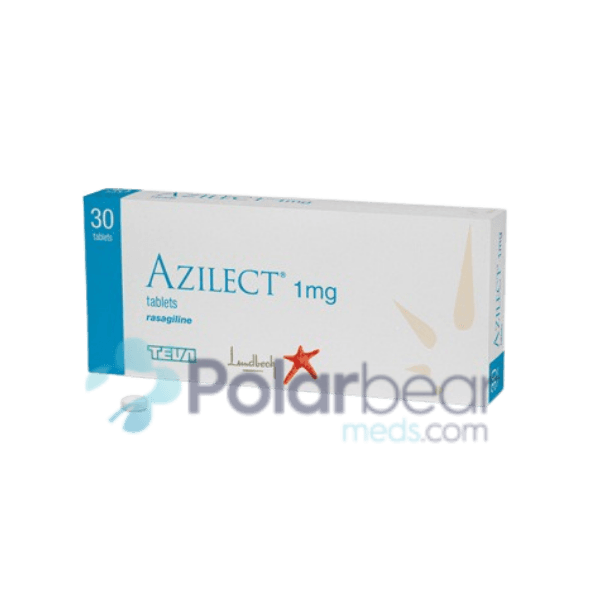
Azilect - Image 1

Azilect

No packages found
price-match-guarantee

Price Match Guarantee

We offer competitive pricing on all our medications. Find a lower price? We'll match it from any verified Canadian online pharmacy! Know More

Similar Medications

How to Order

Ordering your medication online is simple and convenient.

STEP 01

Select the prescribed dosage and quantity, then proceed to checkout.

STEP 02

Sign in or create a new account.

STEP 03

Upload your prescription.

STEP 04

Complete your purchase by processing the payment.

Shipping takes approximately 3-5 business days.

Our Pharmacy Reviews

Read what our customers have to say about their shopping experience.

Product Details

Description

Azilect (rasagiline) is a prescription medication used to treat Parkinson’s disease in adults. It belongs to the class of monoamine oxidase-B inhibitors (MAOIs), working by increasing dopamine levels in the brain to improve muscle control & reduce symptoms like tremors. Azilect is available as an oral tablet in 0.5 mg and 1 mg strengths, usually taken once daily. It's typically used either alone or with other Parkinson’s medications. While effective for long-term management, Azilect requires careful monitoring due to potential interactions and side effects. Always follow your doctor’s advice for safe use.

Azilect (rasagiline) is a brand-name medication prescribed for adults with Parkinson’s disease, a condition that affects muscle movement and coordination. As a monoamine oxidase-B inhibitor (MAOI), Azilect works by blocking the enzyme that breaks down dopamine, helping boost dopamine levels in the brain. This action improves symptoms such as tremors, stiffness, and slow movements.

Azilect is available as an oral tablet, offered in two strengths: 0.5 mg and 1 mg, typically taken once per day with or without food. Doctors may prescribe Azilect on its own in early Parkinson’s or alongside other treatments like levodopa in more advanced stages. It’s intended for long-term use, but patients must be cautious about potential drug interactions and avoid tyramine-rich foods, which could cause spikes in blood pressure.

Possible side effects include headache, joint pain, and in some cases, more serious reactions like hallucinations or impulsive behaviors. Regular monitoring by your healthcare provider is crucial to ensure Azilect remains safe and effective. Always discuss any new medications or supplements with your doctor before starting Azilect to prevent serious interactions.

Uses and Benefits

Azilect (rasagiline) is a prescription medication used to treat Parkinson’s disease in adults. It helps improve symptoms like muscle stiffness, tremors, and slow movements by increasing the levels of certain chemicals in the brain.

Dosage

What Are the Forms & Strengths of Azilect?

Azilect is available as an oral tablet that you swallow. Available Strengths: You can get Azilect tablets in two strengths:

  • 0.5 milligrams (mg)
  • 1 milligram (mg)

Your doctor will choose the strength that’s right for you based on your condition and treatment needs.

What Is the Typical Dosage of Azilect?

The typical dosage of Azilect can vary depending on your individual needs. In most cases, doctors prescribe Azilect based on what works best for your specific condition. While there are common dosing guidelines for adults, it’s important to remember that your doctor will decide the right amount for you. They’ll consider factors like your symptoms, other medications you’re taking, and how your body responds to the treatment.

Azilect Dosage for Parkinson’s Disease

Doctors often prescribe Azilect to help manage Parkinson’s disease symptoms. It can be used alone or together with other Parkinson’s medications. Here’s a general guide to how Azilect is usually prescribed:

  • Starting Dose: Most people will start with either 0.5 mg or 1 mg taken once per day.
  • If You’re Not Taking Other Parkinson’s Medications: Your typical starting dose will likely be 1 mg once daily.
  • If You’re Taking Levodopa (such as Rytary, Sinemet, or Stalevo): Your doctor may start you on a lower dose of 0.5 mg once daily to help prevent side effects.
  • Monitoring: Your doctor will regularly check how you’re responding to the treatment and monitor for any side effects.
  • Adjustment: Based on your progress, they may adjust your dose.
  • Maximum Dose: The maximum recommended dose of Azilect is 1 mg per day.

Long-Term Use of Azilect

  • Ongoing Treatment: Azilect is designed to be used as a long-term treatment for Parkinson’s disease. If your doctor finds that Azilect is safe and working well for you, you will likely continue using it for an extended period.
  • Treatment Planning: Before you begin taking Azilect, your doctor will discuss a personalized treatment plan with you. This plan will be based on your condition, other medications you may be taking, and your overall health.

Dosage Adjustments

  • Changes Based on Other Medications: Some medications, like certain antibiotics or antidepressants, can change how Azilect works in your body. If you start or stop taking these, your doctor may need to adjust your Azilect dosage.
  • Changes Based on Liver Health: If you have liver damage, your doctor might also adjust your dosage to keep you safe.
  • Important Reminder: Always tell your doctor about all medications, vitamins, or supplements you are taking and any health conditions you have. This helps your doctor manage your treatment safely and effectively.

[Note: Remember, these recommendations may vary from person to person. Discuss it with your doctor, and they'll customize your dosage accordingly.]

Usage Guide
  • Azilect comes as a tablet that you swallow whole.
  • Do not split, crush, chew, or dissolve the tablet in water.
  • You can take Azilect with or without food, whichever is more comfortable for you.
  • Since Azilect is a type of MAOI (monoamine oxidase inhibitor), it’s important to avoid foods and drinks high in tyramine while using it.
  • Eating too much tyramine can cause a sudden spike in your blood pressure.
  • Some examples of foods to avoid are aged cheeses and smoked meats or fish.
  • It’s a good idea to take Azilect around the same time every day.
  • This helps keep a steady amount of medicine in your body so it can work effectively.
  • If you have trouble swallowing tablets, you can look up helpful tips online or talk with your doctor or pharmacist for advice.

If you ever have any questions about how to take Azilect, don’t hesitate to reach out to your doctor or pharmacist. They’re there to help!

[Note: Your doctor will decide the right amount for you based on your condition, following guidelines and studies on the drug. They'll adjust it as needed over time.]

How It Works

Parkinson’s disease happens when brain cells that produce a chemical called dopamine get damaged. Dopamine plays a big role in controlling mood, sleep, memory, and muscle movements. When dopamine levels drop, it can cause symptoms like tremors, trouble sleeping, memory issues, and even depression. Some research also suggests that Parkinson’s might be linked to an autoimmune disorder, where the body mistakenly attacks its own healthy brain cells.

Azilect belongs to a group of medications called monoamine oxidase inhibitors (MAOIs). It works by blocking an enzyme in the brain called MAO. Normally, this enzyme breaks down dopamine. By stopping MAO from doing that, Azilect helps keep more dopamine available in the brain. Higher dopamine levels can ease symptoms like muscle tremors and help improve overall movement control. Although more research is still needed, this way of helping protect dopamine in the brain has made Azilect an important part of treating Parkinson’s disease.

Side Effects

What Are the Side Effects of Drug Azilect?

More Common Side Effects of Azilect: Azilect can cause some side effects, and a few of them are fairly common. Most of these side effects are usually mild and go away on their own within a few days to a few weeks. However, if any side effect sticks around, becomes uncomfortable, or gets worse, make sure to talk with your doctor or pharmacist. They can help you manage it safely. Here are some common side effects reported by people taking Azilect — and what they mean:

  • Joint Pain: Some people feel stiffness, soreness, or discomfort in their joints, like the knees, hips, or hands. It’s usually mild but let your doctor know if it affects your daily activities.
  • Headache: You might feel pain or pressure in your head. This is a common side effect and can usually be managed with rest, hydration, or a mild pain reliever (if your doctor says it’s okay).
  • Indigestion: You may feel discomfort in your stomach after eating, such as bloating, gas, or heartburn. Taking Azilect with food might help reduce this.
  • Flu-like Symptoms (such as fever or stuffy nose): You might feel tired, get a mild fever, or have a runny or blocked nose, similar to having a mild cold or the flu. These symptoms are typically short-lived.
  • Depression: Some people may experience changes in mood, feeling unusually sad or down. If you notice emotional changes, it’s important to tell your doctor as soon as possible.

Mild Side Effects of Azilect: Some people may experience mild side effects while taking Azilect. This isn’t a full list, and not everyone will have these issues. If you want more detailed information, you can always check Azilect’s prescribing guide or ask your doctor or pharmacist. Here are some mild side effects that have been reported, along with what they mean:

  • Flu-like Symptoms (such as fever or stuffy nose): You may feel like you’re coming down with a cold — things like a slight fever, stuffy nose, or feeling tired. These usually go away on their own.
  • Gastroenteritis (stomach flu): Some people experience stomach upset, including nausea, vomiting, diarrhea, or cramps. It’s like a mild stomach bug.
  • Headache: A feeling of pain or pressure in your head, which is a common side effect. Usually, resting and drinking plenty of fluids can help.
  • Indigestion: You might feel a bit of stomach discomfort after eating, like bloating or heartburn. Taking Azilect with food might make this better.
  • Inflammation of the Conjunctiva (Conjunctivitis or Pink Eye): Your eyes may look red, watery, or feel itchy — a mild eye infection that usually clears up with time or simple treatments.
  • Joint Pain: Mild soreness or stiffness in your joints, such as your knees or fingers, which usually improves over time.
  • Nonallergic Rhinitis (Swelling inside the nose): You might feel stuffy or congested, similar to having a cold, but it’s not caused by allergies.
  • Malaise: A general feeling of being unwell or tired, even without obvious symptoms. It usually gets better as your body adjusts to the medication.
  • Neck Pain: Some people report mild pain or stiffness in the neck. Stretching or gentle exercises might help, but check with your doctor first.
  • Ecchymosis (Skin Discoloration): You might notice small bruises or patches where blood vessels under the skin have leaked slightly. This is usually harmless, but mention it to your doctor if it worsens.

Serious Side Effects of Azilect: While Azilect can be very helpful for managing Parkinson’s disease, it may sometimes cause serious side effects. This isn’t a complete list, so if you notice anything unusual while taking Azilect, call your doctor right away. If you think you’re having a medical emergency, immediately call 911 or your local emergency number. Here are some serious side effects that have been reported, along with what to watch for:

  • Hallucinations: You might see, hear, or feel things that aren’t really there. If this happens, call your doctor. They can help adjust your treatment safely.
  • Depression: Some people feel very sad, lose interest in things they used to enjoy, or have trouble concentrating and making decisions. If you notice changes in your mood or thinking, talk to your doctor.
  • Falling Asleep During Normal Activities: Azilect can make you very sleepy. Some people have fallen asleep without warning, even while driving or during conversations. If you feel unusually tired during the day, let your doctor know right away.
  • High Blood Pressure: Azilect can raise your blood pressure. High blood pressure often doesn’t cause symptoms at first but can increase your risk for heart disease and other problems over time. Regular blood pressure checks are important while using Azilect.
  • Orthostatic Hypotension (Low Blood Pressure When Standing or Sitting Up): You might feel dizzy or even faint when you stand up too quickly. This can sometimes cause falls and injuries like broken bones. Standing up slowly and carefully can help, but report these symptoms to your doctor.
  • Impulse Control Problems: Some people have stronger urges to gamble, spend money, eat too much, or have unusual sexual urges. If you or your family notice changes in your behavior, talk to your doctor as soon as possible.
  • Dyskinesia (Uncontrolled Muscle Movements): If you’re taking Azilect along with levodopa, you might notice jerky or uncontrolled movements. Your doctor may adjust your medication if this happens.
  • Serotonin Syndrome: If Azilect is used with certain other medications, it can cause too much serotonin to build up in your body. Symptoms of serotonin syndrome include confusion, fast heartbeat, fever, sweating, and muscle stiffness. This is a medical emergency, so get help right away if you notice these signs.
  • Severe Symptoms If Azilect Is Stopped Suddenly: Stopping Azilect too quickly can cause serious symptoms, such as high fever, confusion, or stiff muscles. Always talk to your doctor before making any changes to how you take your medication.

[Note: Remember, this list may not cover all possible side effects. Always consult with your healthcare giver for medical advice about side effects.]

Warnings

Yes, there are multiple warnings associated with this medication. Before you start taking Azilect, talk with your doctor about your health history. Azilect may not be the right choice if you have certain medical conditions or other health concerns. These include:

  • Compulsive behaviors: Azilect may cause or worsen compulsive behaviors like risky spending, gambling, binge eating, or strong sexual urges. These problems were reported after the drug was approved but not during the original studies. Talk with your doctor if you have a history of compulsive behaviors. They might ask your family to help watch for any new or unusual behaviors you may not notice yourself. If compulsive behaviors start or get worse, your doctor might lower your dose or stop Azilect altogether.
  • Pregnancy: There haven’t been enough studies in humans to know if Azilect is safe during pregnancy. Animal studies have shown risks like low birth weight and lower survival rates for newborns. If you are pregnant or planning to become pregnant, talk with your doctor before starting Azilect. If you become pregnant while taking it, let your doctor know right away so they can help you decide the next steps.
  • Hallucinations: If you’ve had hallucinations in the past, Azilect may make them worse. After the drug was approved, some people reported delusions, confusion, and psychotic-like behavior, although these weren’t seen in clinical trials. If you’re concerned about this, talk to your doctor. They can weigh the risks and benefits and help you decide if Azilect is right for you.
  • High blood pressure: If you already have high blood pressure, Azilect could make it worse. It’s a good idea to use a home blood pressure monitor to check your levels regularly while taking the medication. Your doctor may also monitor your blood pressure more closely or adjust your blood pressure medicines if needed.
  • Breastfeeding: It’s not known if Azilect is safe to use while breastfeeding because it hasn’t been studied enough. If you are breastfeeding or plan to, talk with your doctor. They will help you understand the risks and benefits and suggest the best ways to feed your baby.
  • Orthostatic hypotension: If you’ve had problems with low blood pressure or fainting before, Azilect could increase your risk of these issues. This side effect often goes away after the first 2 months of treatment. If you’re worried about your blood pressure dropping too low, talk with your doctor. They can suggest ways to keep it within a safe range.
  • Birth control: It’s not known if Azilect is safe during pregnancy. If you’re sexually active and can become pregnant (or your partner can), talk with your doctor about using birth control while you’re on Azilect.
  • Allergic reaction: If you’ve ever had an allergic reaction to Azilect or any of its ingredients, you should not take it. Ask your doctor to recommend a safer alternative medication.
  • Severe mental illness: If you have a history of severe mental illness, you should not use Azilect. There have been reports of delusions and confusion in people with mental health conditions after starting Azilect. Your doctor can recommend a different treatment that is safer for you.
Safety Guide
  • Do not take Azilect if you have used another monoamine oxidase inhibitor (MAOI) in the past 14 days. Some examples of MAOIs include:
    • Isocarboxazid
    • Linezolid
    • Methylene blue injection
    • Phenelzine
    • Selegiline
    • Tranylcypromine
  • Before you start Azilect, make sure to tell your doctor about all medicines you’ve taken in the last two weeks.
  • Azilect can interact with many other drugs, and some should not be used together with it.
  • Also, tell your doctor if you have any liver problems before you begin treatment. Liver disease can affect how your body handles Azilect.
  • There are many medications, including prescription drugs, over-the-counter medicines, vitamins, and herbal supplements, that can cause serious problems if taken with Azilect.
  • Always let your doctor know about everything you are taking.
  • Do not start any new medication without checking with your doctor first.
  • It’s a good idea to keep a list of all your medicines and show it to any healthcare provider who treats you.
  • While you are taking Azilect — and for 2 weeks after you stop — you might need to avoid certain types of cheese and other foods that are high in tyramine. Follow your doctor's instructions carefully.
  • Azilect can also affect your thinking or reactions, so be extra careful if you need to drive or do anything that requires you to stay alert.
Contraindications

Yes, Azilect does have certain contraindications, meaning there are some situations where it should not be used because of the risks involved. Some medications should not be taken with Azilect because they can raise the risk of serotonin syndrome — a serious condition caused by too much serotonin in the body. Medications you should avoid while taking Azilect include:

  • Tramadol
  • Methadone
  • Other monoamine oxidase inhibitors (MAOIs) (since Azilect is also an MAOI)
  • Cyclobenzaprine (a muscle relaxant)
  • The supplement St. John’s wort

Azilect should also not be taken with dextromethorphan, a common ingredient in cough medicines, because it could cause psychosis (serious mental changes) or strange behavior.

If you have any questions or concerns about medications or supplements that might not be safe with Azilect, make sure to talk with your doctor or pharmacist. They can guide you and help keep your treatment safe.

Missed Dose
  • If you miss a dose of Azilect, take it as soon as you remember.
  • But if it’s almost time for your next scheduled dose, skip the missed dose and just take your next dose at the regular time.
  • Do not take two doses at once to make up for the one you missed — that could increase your risk of side effects.
  • If you’re ever unsure whether to take the missed dose or skip it, it’s always best to check with your doctor or pharmacist for advice.
  • To help avoid missing a dose, you can use simple reminders like setting an alarm, leaving a note on your bathroom mirror, or keeping your medication somewhere you’ll see it easily.
  • You can also download a reminder app on your phone to alert you when it’s time to take your medicine.

[Note: If you have missed a dose of your medication and are unsure about when to take the next one, immediately consult your doctor or pharmacist.]

Overdose

It’s very important to only take the amount of Azilect your doctor prescribes. Taking more than the recommended dose can be dangerous and could lead to serious health problems or even an overdose. Unfortunately, there have been reports of death from an Azilect overdose. Signs that you may have taken too much Azilect include:

  • Hallucinations (seeing or hearing things that aren’t real)
  • Slow or difficult breathing
  • Feeling very irritable or agitated
  • Cool, clammy skin
  • Lockjaw (difficulty opening your mouth)
  • Rapid changes in blood pressure
  • Feeling very drowsy
  • Severe headache
  • Cold sweats
  • Muscle spasms in your head, neck, or spine
  • Feeling faint or dizzy
  • Fever

If you think you’ve taken too much Azilect:

  • Call your doctor right away.
  • You can also call America’s Poison Centers at 800-222-1222 or use their online tool for help.
  • If you have severe symptoms, call 911 or your local emergency number immediately or go straight to the nearest emergency room.

[Note: If you consumed more than the recommended dose, get medical help right away, or call the Poison Help line at 1-800-222-1222.]

Storage Guide
  • You should store Azilect tablets at room temperature, around 77°F (25°C), in a tightly sealed container and keep them away from light.
  • If needed, it’s okay to store them between 59°F and 86°F (15°C to 30°C) for short periods of time.
  • Try not to store Azilect in places that can get damp or wet, like the bathroom, because moisture can damage the tablets.
  • If you have leftover Azilect that you no longer need, make sure to dispose of it properly. This helps prevent others — like children or pets — from accidentally taking it, and it also helps protect the environment.
  • If you’re unsure how to safely throw it away, ask your pharmacist or doctor for advice.

[Note: Discuss with your healthcare professional about the proper disposal of any unused medicine and any questions you may have regarding its storage.]

Interactions

Azilect can interact with several other medications, supplements, and even certain foods. These interactions can affect how well Azilect works or may increase the chance of side effects. Some combinations might make the medication less effective, while others could make side effects stronger or more serious. It’s very important to tell your doctor and pharmacist about all the medications you’re taking, including prescription drugs, over-the-counter medicines, vitamins, and herbal supplements. This helps them catch any possible interactions before they become a problem. If you’re unsure whether something you’re taking might interact with Azilect, don’t hesitate to ask your healthcare provider; they’re there to help you stay safe.

Certain Cold Medications

Some over-the-counter (OTC) cold and allergy medications can also cause dangerous interactions with Azilect. These include medicines containing dextromethorphan and certain nasal decongestants. If you are taking Azilect, you should not use cold medications that have dextromethorphan in them. You’ll also need to wait at least 14 days after your last dose of Azilect before using these types of cold medicines. (This gives Azilect enough time to fully leave your body.)

Dextromethorphan (sometimes labeled as “DM”) is found in many cough and cold products, like Mucinex DM and Delsym. Taking Azilect and dextromethorphan together could cause hallucinations or strange behaviors.

Also, be cautious with nasal decongestants. When taken with Azilect, they can cause your blood pressure to rise dangerously high, which is risky especially if you already have high blood pressure or heart issues. Examples of these decongestants include ephedrine, phenylephrine, and pseudoephedrine — commonly found in oral tablets, nasal sprays, eye drops, and inhalers.

If you need to take an OTC cold or allergy medicine while using Azilect, always check with your doctor first. They can help you choose a safe option.

Antidepressants

If you’re taking certain antidepressants, you should not use Azilect at the same time. Combining these medications can raise your risk of developing serotonin syndrome, a serious condition caused by too much serotonin in the body. Although rare, serotonin syndrome can be very dangerous and even life-threatening if not treated quickly.

Here are examples of antidepressants you should not take with Azilect:

  • Selective serotonin reuptake inhibitors (SSRIs), like sertraline (Zoloft), fluoxetine (Prozac), or escitalopram (Lexapro)
  • Monoamine oxidase inhibitors (MAOIs), like tranylcypromine (Parnate) or phenelzine (Nardil)
  • Tricyclic antidepressants, like Pamelor (nortriptyline or amitriptyline)
  • Serotonin and norepinephrine reuptake inhibitors (SNRIs), like venlafaxine (Effexor XR), desvenlafaxine (Pristiq), or duloxetine (Cymbalta)

If you are currently taking any antidepressants, make sure to talk with your doctor before starting Azilect. They can recommend safe treatment options for you.

Certain Pain Medications

Azilect is a type of drug called a monoamine oxidase inhibitor (MAOI). Some serious, even life-threatening reactions have been reported when people received certain anesthesia drugs or opioid pain medications while taking MAOIs.

Opioids are strong pain relievers often used before, during, or after surgery. Using them with Azilect can raise the risk of a serious condition called serotonin syndrome — when your body has too much serotonin. Although rare, serotonin syndrome is a medical emergency and can be life-threatening if not treated quickly. You should not receive certain opioids until at least 14 days after stopping Azilect, so the medication has time to leave your body. Some opioids to avoid during this time are:

  • Methadone
  • Demerol (meperidine)
  • Ultram (tramadol)

Also, if you have a medical emergency and can’t speak for yourself, the surgical team might not know you are taking Azilect. That’s why it’s important to wear a medical alert bracelet or necklace stating you’re using Azilect. If you have any questions about pain medications and Azilect, make sure to discuss them with your doctor.

Levodopa

If you are taking a medication that contains levodopa (such as Sinemet, Inbrija, or Stalevo), you might have a higher risk of developing dyskinesia. Dyskinesia means having uncontrolled or abnormal muscle movements. Before starting Azilect, let your doctor know if you are already taking levodopa.

Drugs That Can Cause Sleepiness

Azilect can sometimes make you feel sleepy during the day. Some people have even fallen asleep during everyday activities like driving. If you are already taking sedation drugs (medications that help you sleep), Azilect might make you feel even more tired. Other drugs that can make you sleepy can also raise the risk when combined with Azilect. Examples include:

  • Xanax, Xanax XR (alprazolam)
  • Ativan (lorazepam)
  • Lunesta (eszopiclone)
  • Cipro (ciprofloxacin)

If you notice that you feel very sleepy while taking Azilect or you’re worried about it, talk to your doctor. They can help you understand the risks and adjust your treatment if needed.

Azilect can interact with things other than medicines, and those things are mentioned below:

Azilect and Herbs and Supplements

  • St. John’s wort is a herb that acts like an antidepressant by raising certain chemical levels in the brain.
  • If you’re taking Azilect, you should avoid using St. John’s wort. This includes any form like teas, tablets, or capsules.
  • Taking Azilect together with St. John’s wort can increase your risk of serotonin syndrome — a serious condition caused by too much serotonin in the body. It can also stop Azilect from working properly to manage your Parkinson’s symptoms.

Azilect and Foods

You can take Azilect with or without food. However, there are certain foods and drinks you should avoid while on this medication. Some foods naturally contain a chemical called tyramine. If you eat too much tyramine while taking Azilect, it can cause a sudden and dangerous spike in blood pressure. Here are a few examples of foods and drinks high in tyramine:

  • Some beers and wines
  • Smoked or cured meats, like salami
  • Overripe fruits
  • Aged cheeses, like Stilton
  • Sourdough bread

If you accidentally eat foods high in tyramine while taking Azilect, contact your doctor right away. They may need to check your blood pressure or suggest further steps to keep you safe.

Alcohol

It’s best to avoid drinking alcohol while taking Azilect. Some alcoholic drinks, like certain beers and wines, are high in tyramine, which can dangerously raise your blood pressure when combined with Azilect. Even if the drink doesn’t have tyramine, alcohol can still make side effects worse. These can include:

  • Indigestion
  • Feeling sleepy
  • Problems with compulsive behaviors, like gambling or binge eating
  • Nausea or vomiting
  • Falling and injuries
  • Feeling dizzy

[Note: This is not a complete list, and there could be other drugs that interact with Azilect. Tell your doctor about any prescription, over-the-counter medicines, and herbal products you’re taking.]

Alternatives

There are several other medications that can help treat Parkinson’s disease if Azilect isn’t the right fit for you. Everyone’s body responds differently to treatments, so it’s important to find the option that works best for your specific needs. If you’re thinking about trying something else, talk with your doctor. They can guide you through the alternatives and help you choose the safest and most effective option. Some other medications commonly used to manage Parkinson’s symptoms include:

  • Nourianz (istradefylline)
  • Dopamine agonists, such as:
    • Mirapex (pramipexole)
    • Neupro (rotigotine)
    • Requip (ropinirole)
  • Amantadine
  • Catechol-O-methyltransferase (COMT) inhibitors, such as:
    • Comtan (entacapone)
    • Tasmar (tolcapone)
  • Sinemet (levodopa/carbidopa)
  • Other monoamine oxidase inhibitors (MAOIs) such as:
    • Xadago (safinamide)
    • Selegiline
  • Anticholinergics, such as:
    • Artane (trihexyphenidyl)
    • Cogentin (benztropine)

[Note: Your doctor will choose what’s best for you. Don’t use any of these alternative medications without consulting your healthcare provider. Taking them by yourself may cause serious side effects.]

Cost & Coupons

Azilect, used to treat symptoms of Parkinson’s disease, can be highly expensive in the U.S., often costing hundreds to thousands of dollars monthly without insurance. At Polar Bear Meds, we help you buy Azilect online with coupon code “WELCOMEPB10,” making it easy and affordable to access your medication. By ordering from us, you can save significantly compared to local pharmacy prices. Plus, enjoy an extra 10% off your first purchase with our welcome coupon. Don’t forget to join our referral program and save more on future orders. We are committed to making Azilect accessible at very low prices!

FAQ

Guarantee

AtPolarBearMeds.com, we assure you the most affordable price to buy Azilect online from Canada. Rest easy knowing that your order will be dispatched from a reputable Licensed Canada Pharmacy Online, adhering to the highest standards of quality and authenticity. Our discounted medications are shipped directly from Canada to your doorstep, ensuring a swift and secure delivery experience. To conveniently buy Azilect online for Parkinson’s disease at a substantial cost, call us at 1-888-779-2193 toll-free.

Important Notice

The content provided on the Polar Bear Meds website serves to increase knowledge about healthcare products and medical conditions and is strictly for informational purposes. It should not replace professional medical advice. We urge you to consult with a qualified healthcare professional prior to utilizing any prescription or over-the-counter medication. Our platform grants access to an extensive array of products, sourced internationally, including Canada. We collaborates with a licensed pharmacy partner in Canada and trusted dispensing pharmacies globally. All affiliated fulfillment centers are accredited by the regulatory authorities of their respective countries.

Dr. Jackson Miller

Medically Reviewed by "Dr. Jackson Miller (M.D)"

Dr. Jackson Miller is a board-certified medicine physician & hospitalist. He is a healthcare professional with a strong background in patient care. With years of experience and a patient-first approach, he believes the foundation of good health is a patient who feels informed and empowered. He contributes to medical content review, drawing on his background in clinical practice and patient education. He focuses on presenting health information in a clear, accurate, and accessible way to help readers make informed decisions. His work emphasizes clarity, evidence-based guidance, and understandable explanations of medical topics.

Find Dr. Jackson Miller on:LinkedIn

Similar Medications

Price matching guarantee certificate

We offer competitive pricing on all our medications. We'll match if you find a lower price on an identical product at a verified Canadian online pharmacy!

Eligibility Criteria:

  • The competitor's price must be active (no past/future sales).
  • It is only valid for Canadian online pharmacies with a verifiable address.
  • The product must match the strength, pack size, quantity, manufacturer & origin.
  • There are no price matches on used/expired medications.
  • You must submit your requests before placing an order.
  • We cannot adjust prices after purchase.
  • Request via live chat or phone before placing your order.

Need help? Call our friendly support team at 1-888-779-2193 or fill out the Contact Form