

Search for 'Ozempic'


We offer competitive pricing on all our medications. Find a lower price? We'll match it from any verified Canadian online pharmacy! Know More
We offer competitive pricing on all our medications. Find a lower price? We'll match it from any verified Canadian online pharmacy! Know More
Ordering your medication online is simple and convenient.
Select the prescribed dosage and quantity, then proceed to checkout.
Sign in or create a new account.
Upload your prescription.
Complete your purchase by processing the payment.
Select the prescribed dosage and quantity, then proceed to checkout.
Sign in or create a new account.
Upload your prescription.
Complete your purchase by processing the payment.
Shipping takes approximately 3-5 business days.


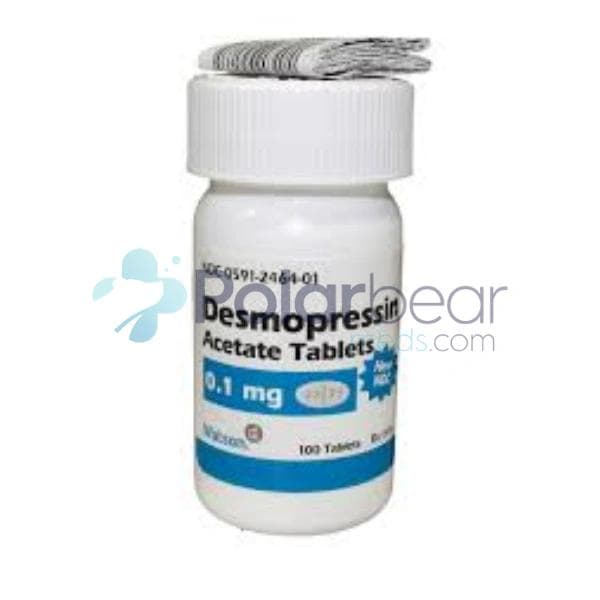
Desmopressin is an oral medication used to treat several conditions affecting water balance and certain bleeding disorders. It is commonly indicated for central diabetes insipidus (a condition in which the body excretes excessive amounts of diluted urine), bedwetting in children (nocturnal enuresis), and nocturia in adults (frequent nighttime urination). Additionally, it is used in the management of mild hemophilia A and von Willebrand disease to help reduce bleeding by increasing the levels of clotting factors in the blood.
The active ingredient in this antidiuretic medication for bedwetting is desmopressin acetate, a synthetic version of the natural hormone vasopressin. It works by reducing urine production and helping the kidneys retain water, thereby reducing urine output. Desmopressin is available in various forms, including oral tablets, nasal sprays, and injectables. For oral use, the tablet strengths typically include 0.1 mg and 0.2 mg. Your healthcare provider will choose the appropriate form and strength based on your specific condition and medical history. Desmopressin belongs to the antidiuretic hormone (ADH) class of drugs. It is a synthetic analog of vasopressin, designed to help the body retain water and reduce excessive urination by acting on kidney receptors.
The dosage and frequency depend on the age, medical condition, and individual response to treatment. Tablets should be taken exactly as prescribed, with or without food, usually once or twice daily. It is important to avoid drinking excessive fluids while on this medication to prevent low sodium levels (hyponatremia). Common side effects may include headache, nausea, or mild abdominal discomfort. Serious symptoms such as confusion, drowsiness, or seizures could indicate a drop in sodium levels and require urgent medical attention. In case of a missed dose and overdose, seek medical advice. Store the tablets at room temperature, away from heat and moisture. Regular monitoring of sodium levels is recommended during treatment to ensure the safe and effective use of the medication. If you want to buy Desmopressin (desmopressin acetate) online, a doctor’s prescription is required.

It is used to:

It is available in the following forms and strengths:
Form: Tablets
Strengths: 0.1 and 0.2 mg
Form: Injection
Strengths: 4 mcg/ml
Form: Nasal Spray
Strengths: 10 mcg per 0.1 ml
Desmopressin should only be used under the supervision of a healthcare professional. The recommended Desmopressin dose is generalized and should be individualized. Your doctor will help you determine the right dose, timing, and treatment duration based on your condition. Do not change your dose or stop taking the medication without your doctor’s approval. The usual recommended Desmopressin dose includes:
Dosage of Desmopressin for Central Cranial Diabetes Insipidus
Dosage for Treatment of Bedwetting
[Note: Remember, these recommendations may vary from person to person. Discuss it with your doctor, and they will customize your dosage accordingly.]

It is important to follow proper usage guidelines to ensure a safe and effective use of Desmopressin. Follow your doctor’s instructions closely and do not change the dose, duration, or brand of the medication you are using without talking to your doctor first.
[Note: Your doctor will help you decide the right amount for you based on your condition, following guidelines and studies on the drug. They'll adjust it as needed over time.]

Desmopressin is a man-made version of vasopressin, a hormone that regulates water balance in the body. It works by reducing urine production in the kidneys, making it useful for conditions like diabetes insipidus, bedwetting, and nocturia. Additionally, it helps in bleeding disorders like hemophilia A and von Willebrand disease by promoting the release of clotting factors. It typically begins to work within 30 minutes to 1 hour after oral intake and remains effective for 8 to 12 hours, depending on the individual and the condition being treated.

Common side effects of Desmopressin: Desmopressin can cause common side effects in some individuals who use it. It is essential to note that not everyone who uses Desmopressin will experience these symptoms. These side effects typically resolve on their own without the need for medical intervention. However, if these persist or worsen, get medical assistance by calling 911 or contacting your healthcare provider. Common Desmopressin side effects include:
Severe Side Effects of Desmopressin: In rare instances, Desmopressin can cause severe side effects in some users. These adverse reactions require prompt medical assistance. If you experience any of the side effects listed below, please call 911 or emergency medical services immediately.
[Note: Remember, this list may not cover all possible side effects. Always consult with your healthcare provider for medical advice about side effects.]

While using Desmopressin, it's essential to stay alert to any signs of serious side effects or changes in your health. Some reactions may require immediate medical attention, especially those related to fluid balance and sodium levels in your body. Following safety guidelines and knowing when to seek help can prevent complications and support a safe treatment experience.
If You Become Sick: Let your doctor know immediately if you develop a fever, vomiting, or diarrhea, or if you've been exposed to hot weather or have exercised heavily. These situations affect your body’s fluid balance. Your doctor may ask you to limit your fluid intake or temporarily pause the medication. Drinking excessive amounts of water under these conditions while taking Desmopressin can be dangerous.

Before starting Desmopressin, it’s important to share your complete medical history with your healthcare provider. Certain health conditions, allergies, and medications may affect how safely and effectively this ADH hormone treatment medication works for you. Taking the necessary precautions helps reduce the risk of complications and ensures your treatment is tailored to your individual needs.
Dizziness: Desmopressin can cause dizziness in some users. Do not drive a car, use heavy machinery, or engage in other activities that require attention or clear vision unless you determine how this drug affects you.

[Note: If you have missed a dose of your medication and are unsure about when to take the next one, immediately consult your doctor or pharmacist.]

If you suspect an overdose and are experiencing unwanted symptoms, call 911 or head to the nearest medical care center. If the person has collapsed, had a seizure, has difficulty breathing, or has lost consciousness, immediately call emergency services.
[Note: If you consumed more than the recommended dose, seek immediate medical attention or call the Poison Help line at 1-800-222-1222.]

[Note: Discuss with your healthcare professional about the proper disposal of any unused medicine and any questions you may have regarding its storage.]

Inform your doctor and pharmacist about all medications you are currently taking. This includes all prescription drugs, over-the-counter products, vitamins, and herbal supplements. Your doctor may need to adjust your dosage or monitor you for side effects.
Apart from medications, certain substances may interact with Desmopressin oral tablets 0.2 mg. These mainly include:
Alcohol: May reduce the effectiveness of Desmopressin and increase the risk of dehydration.
Disease Interactions: The presence of certain diseases may also reduce the effectiveness of Desmopressin. These mainly include:
[Note: This isn't a complete list, and there could be other drugs that interact with Desmopressin. Make sure to tell your doctor about any prescription, over-the-counter medicines, and herbal products you’re taking.]

Sometimes, Desmopressin prescription for adults may not provide the desired outcome or cause unwanted side effects. In such situations, healthcare providers may recommend alternative medications that better align with your health profile and treatment goals. Alternatives to Desmopressin include:
[Note: Your doctor will choose what’s best for you. Don’t use any of these alternative medications without consulting your healthcare provider. Taking them by yourself may cause serious side effects.]

Buy Desmopressin online from Canada through Polar Bear Meds and access affordable, prescription-only medication safely delivered to your door. We offer significantly lower prices as compared to traditional USA retail, and every order is carefully verified and sourced from licensed pharmacies. Additionally, first-time buyers can save 10% on their first purchase when they buy Desmopressin with a coupon code “WELCOMEPB10” at checkout. We provide safe and discreet shipping throughout all the US states, along with refill assistance for continued benefits. Furthermore, our referral program rewards you with a $20 credit for each friend you refer, and after every 10 verified referrals, you get a $100 credit in your account. Buy Desmopressin online from our pharmacy today and save extra on your prescription.

.png)
AtPolarBearMeds.com, we assure you of the most affordable price to buy Desmopressin online from Canada. Rest easy knowing that your order will be dispatched from a reputable Licensed Canada Pharmacy Online, adhering to the highest standards of quality and authenticity. Our discounted medications are shipped directly from Canada to your doorstep, ensuring a swift and secure delivery experience. To conveniently buy Desmopressin online to treat central cranial diabetes insipidus at a substantial cost, call us at1-888-779-2193toll-free.

Dr. Jackson Miller is a board-certified medicine physician & hospitalist. He is a healthcare professional with a strong background in patient care. With years of experience and a patient-first approach, he believes the foundation of good health is a patient who feels informed and empowered. He contributes to medical content review, drawing on his background in clinical practice and patient education. He focuses on presenting health information in a clear, accurate, and accessible way to help readers make informed decisions. His work emphasizes clarity, evidence-based guidance, and understandable explanations of medical topics.
Learn more about Desmopressin and related topics

