Logo
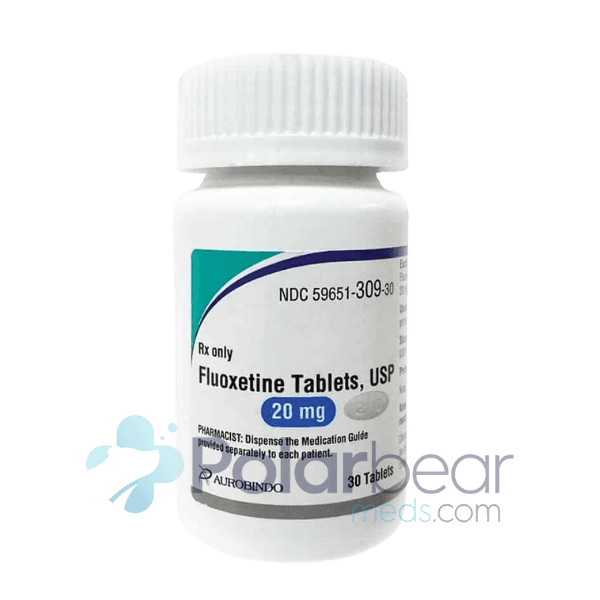
Fluoxetine - Image 1

Fluoxetine

No packages found
price-match-guarantee

Price Match Guarantee

We offer competitive pricing on all our medications. Find a lower price? We'll match it from any verified Canadian online pharmacy! Know More

Similar Medications

How to Order

Ordering your medication online is simple and convenient.

STEP 01

Select the prescribed dosage and quantity, then proceed to checkout.

STEP 02

Sign in or create a new account.

STEP 03

Upload your prescription.

STEP 04

Complete your purchase by processing the payment.

Shipping takes approximately 3-5 business days.

Our Pharmacy Reviews

Read what our customers have to say about their shopping experience.

Product Details

Description

Fluoxetine is an SSRI which is a selective serotonin reuptake inhibitor) used to treat panic attacks, major depressive disorder, bulimia nervosa, and obsessive-compulsive disorder. Available in various forms and strengths, it operates by increasing the level of serotonin in the brain, which then helps to improve mood, anxiety, and other symptoms. Dosing varies based on the condition treated, with specific adjustments possible for different age groups and health conditions. It’s crucial to follow a healthcare provider’s guidance when using Fluoxetine due to potential side effects and the need for careful dosage management.

Fluoxetine is an effective medication classified as a selective serotonin reuptake inhibitor (SSRI), primarily used to treat a range of psychiatric conditions. These include major depressive disorder, panic disorder, bulimia nervosa, and obsessive-compulsive disorder. Fluoxetine helps by enhancing the levels of serotonin in the brain, a neurotransmitter associated with feelings of well-being and happiness.

Available in capsule, tablet, and oral solution forms, Fluoxetine's strengths vary from 10 mg to 60 mg, allowing for flexible dosing tailored to the patient's specific medical needs. For adults, the typical starting dose for major depressive disorder is 20 mg daily, potentially adjusted up to a maximum of 80 mg. For bulimia nervosa, the recommended dosage often starts at 60 mg in the morning.

While Fluoxetine is beneficial for many, it requires careful management to mitigate potential side effects such as insomnia, digestive disturbances, and sexual dysfunction. Long-term use necessitates regular consultations with a healthcare provider to monitor effectiveness and adjust dosages as needed. Patients should be aware of the drug's slow onset of action, often taking several weeks to achieve full therapeutic effects, and the importance of not discontinuing abruptly to avoid withdrawal symptoms.

Uses and Benefits

Fluoxetine is a medication prescribed to manage a variety of conditions, each involving mental or emotional distress:

Panic Attacks: Fluoxetine helps reduce sudden and intense episodes of fear and anxiety that occur without any real danger present.

Depression: It is effective in treating major depressive disorder, helping to alleviate feelings of deep sadness or hopelessness.

Premenstrual Dysphoric Disorder (PMDD): This is a severe form of premenstrual syndrome (PMS), where symptoms are more intense and disruptive. Fluoxetine can help manage these symptoms.

Bulimia Nervosa: This eating disorder involves episodes of binge eating followed by extreme measures to avoid weight gain, such as vomiting, excessive exercise, or fasting. Fluoxetine is used to help reduce the compulsive need to binge and purge.

Obsessive-Compulsive Disorder (OCD): Fluoxetine treats OCD by helping to control the persistent, unwanted thoughts (obsessions) and repetitive behaviors (compulsions) associated with this disorder.

Dosage

What Are the Forms & Strengths of Fluoxetine?

Fluoxetine comes in the following forms and strengths:

  • Oral Capsules:
    • 10 mg
    • 20 mg
    • 40 mg
    • 60 mg
  • Oral Tablets:
    • 10 mg
    • 20 mg
    • 60 mg
  • Oral Solution: 20 mg per 5 ml

What Is the Typical Dosage of Fluoxetine?

The dosage of Fluoxetine can vary from person to person based on their medical condition and individual needs. It’s important to follow your doctor’s instructions or the directions on your prescription label carefully. The information provided includes average recommended doses, but your doctor may adjust yours based on how you respond to the medication. The right dosage depends on factors like the strength of the medication, how many times a day you take it, and how long you need to continue treatment. Never change your dose on your own—always check with your doctor before making any adjustments.

Dosage for Major Depressive Disorder

  • Adults (18-64 years):
    • Typical dosage: Ranges from 20 mg to 80 mg per day.
    • Maximum dosage: Should not exceed 80 mg per day.
    • Initial dosage: Starts at 20 mg per day, taken in the morning.
    • Alternative dosage: Some may switch to a once-weekly dose of 90 mg using delayed-release capsules, beginning seven days after the last daily dose.
  • Children (8-17 years):
    • Typical dosage: Ranges from 10 mg to 20 mg per day.
    • Initial dosage: Begins with 10 mg daily for one week, which may be increased to 20 mg per day based on the doctor's assessment.
    • Children (under 8 years): Not suitable for children younger than 8 years for this condition.
  • Seniors (65 years and older): Due to an increased risk of side effects in older adults, the doctor may prescribe a lower dose or adjust the dosing schedule.

Dosage for Bulimia Nervosa

  • Adults (18-64 years): The usual dose is 60 mg taken once daily in the morning.
  • Children (under 18 years): Fluoxetine is not recommended for children under 18 years as its safety and effectiveness have not been established for this age group.
  • Seniors (65 years and older): Older adults may be more sensitive to the side effects of this medication. Therefore, the doctor might prescribe a lower dose or adjust the frequency.

Dosage for Panic Disorder

  • Adults (18-64 years):
    • Typical Dosage: 20 to 60 mg per day.
    • Initial Dosage: Start with 10 mg per day, increasing to 20 mg after one week.
  • Children under 18 years: Not studied and not recommended.
  • Seniors (65 years and older): Lower doses may be necessary due to increased risk of side effects.

Dosage for Obsessive-Compulsive Disorder

  • Adults (18-64 years):
    • Typical Dosage: 20 to 60 mg per day.
    • Maximum Dosage: 80 mg per day.
    • Initial Dosage: 20 mg every morning.
  • Children (13-17 years, higher weight):
    • Typical Dosage: 20 to 60 mg per day.
    • Initial Dosage: Start with 10 mg per day, potentially increasing to 20 mg after two weeks.
  • Children (7-12 years, lower weight):
    • Typical Dosage: 20 to 30 mg per day.
    • Initial Dosage: 10 mg per day.
    • Children under 7 years: Not recommended for this age group.
  • Seniors (65 years and older): Due to increased sensitivity to side effects, dosage may be reduced.

Dosage for Premenstrual Dysphoric Disorder

  • Initial Dose:
    • Continuous Regimen: 20 mg daily throughout the menstrual cycle.
    • Cyclic Regimen: 20 mg daily, starting 14 days before expected menstruation until the first day of menses, repeated each cycle.
  • Maintenance Dose: 20 to 60 mg per day.
  • Maximum Dose: 80 mg per day.
  • Additional Notes:
    • A daily dose of 60 mg hasn't shown significant benefits over 20 mg.
    • Doses above 60 mg have not been systematically evaluated.
    • The 20 mg dose is effective for up to 6 months of treatment.

[Note: Remember, these recommendations may vary from person to person. Discuss it with your doctor, and they'll customize your dosage accordingly.]

Usage Guide

Take Fluoxetine exactly as prescribed by your doctor. Follow all instructions on your prescription label and read any medication guides or instruction sheets that come with it. Your doctor may adjust your dose occasionally to find what works best for you.

  • Taking Fluoxetine:
    • Swallow delayed-release capsules whole → Do not crush, chew, break, or open them.
    • For liquid Fluoxetine: Measure your dose carefully using the provided dosing syringe or a proper medicine-measuring device. Avoid using a kitchen spoon, as it may not give the correct amount.
  • How Long It Takes to Work:
    • It may take up to 4 weeks before you start noticing an improvement in your symptoms.
    • Keep taking the medication as directed, even if you don’t feel better right away.
    • If your symptoms do not improve, let your doctor know.
  • Possible Sexual Side Effects:
    • Tell your doctor if you experience changes in sexual function, such as:
      • Lower sex drive
      • Difficulty reaching orgasm
      • Erection or ejaculation problems (in men)
    • Some of these issues can be treated, so don’t hesitate to discuss them with your doctor.
  • Stopping Fluoxetine:
    • Do not stop taking Fluoxetine suddenly—this can cause unpleasant withdrawal symptoms.
    • If you need to stop, your doctor will help you taper off the medication safely.

[Note: Your doctor will decide the right amount for you based on your condition, following guidelines and studies on the drug. They'll adjust it as needed over time.]

How It Works

Fluoxetine is a type of medication known as a selective serotonin reuptake inhibitor (SSRI). SSRIs are a group of drugs that work in a similar way and are commonly used to treat mental health conditions. Fluoxetine helps by increasing the level of serotonin in the brain. Serotonin is a natural chemical that plays a key role in regulating mood, emotions, and overall mental well-being. When serotonin levels are too low, it can lead to conditions like depression, anxiety, obsessive-compulsive disorder (OCD), bulimia nervosa, and panic attacks. By helping restore serotonin balance, Fluoxetine can improve mood, reduce unwanted thoughts and compulsive behaviors, and help people feel more emotionally stable.

Side Effects

What Are the Side Effects of Fluoxetine?

Fluoxetine, like any medication, can cause mild or serious side effects. While some people may not experience any, others might notice certain changes in their body or mood. Side effects can vary from person to person, and not everyone will have the same reaction. Some may be temporary and go away on their own, while others might require medical attention. It’s important to be aware of potential side effects and monitor how you feel while taking Fluoxetine. If you notice any unusual symptoms or have concerns, talk to your doctor or pharmacist.

Common Side Effects of Fluoxetine: This medicine is commonly used to treat conditions like depression and anxiety, and can cause several side effects. Most of these are temporary and might last only a few days to a few weeks. However, if these effects persist or become bothersome, it's crucial to consult with your doctor or pharmacist. Here are some of the typical side effects you might experience while taking Fluoxetine:

  • Strange dreams: You might notice an increase in vivid or unusual dreams.
  • Decreased sex drive and difficulty achieving orgasm: It may lower your interest in sexual activities and make it hard to reach climax.
  • Decreased appetite: You might find yourself eating less or not feeling hungry.
  • Anxiety and nervousness: While it aims to reduce anxiety, initially, it can sometimes cause feelings of anxiousness or restlessness.
  • Weakness: You may feel more tired or have less energy than usual.
  • Diarrhea: Loose stools can be a common issue.
  • Dry mouth: You might feel like your mouth is less moist than usual.
  • Indigestion: Stomach discomfort or heartburn can occur.
  • Flu-like symptoms: Symptoms such as fever, chills, and body aches may appear.
  • Erectile dysfunction: Men may experience difficulties in getting or maintaining an erection.
  • Trouble sleeping: Insomnia or disturbances in sleep patterns are possible.
  • Nausea: You may feel like you are going to vomit or are queasy.
  • Sore throat: An irritated or inflamed throat can occur.
  • Rash: Skin reactions like rashes might develop.
  • Watery nasal discharge: You could experience a runny nose.
  • Sleepiness: It may make you feel unusually sleepy or drowsy.
  • Sweating and hot flashes: Excessive sweating or sudden feelings of heat might happen.
  • Tremors: Uncontrollable shaking or trembling movements can occur.
  • Yawning: Excessive yawning is a less common but possible side effect.

Serious Side Effects of Fluoxetine: While Fluoxetine is effective for treating certain mental health conditions, it can also cause serious side effects. If you notice any of these serious symptoms, it's important to contact your doctor immediately. For life-threatening symptoms or in case of an emergency, dial 911 or go to the nearest emergency room. Here's a breakdown of some serious side effects you should be aware of:

  • Serotonin Syndrome: This is a potentially life-threatening condition that can occur when serotonin levels become too high. Symptoms may include:
    • Agitation: Feeling unusually restless or irritable.
    • Hallucinations: Seeing or hearing things that aren’t there.
    • Coordination Problems: Difficulty with movements and balance.
    • Racing Heart Rate: Your heart beats much faster than normal.
    • Overactive Reflexes: Your reflexes might be more pronounced.
    • Fever: Higher than normal body temperature.
    • Nausea, Vomiting, Diarrhea: Upset stomach and digestive issues.
  • Abnormal Bleeding: This includes symptoms like:
    • Easy Bruising or Bleeding: You might notice that you bruise or bleed more easily than usual.
  • Mania: If you have bipolar disorder, Fluoxetine might trigger a manic episode, which includes:
    • High Energy: Feeling unusually energetic, often to an extreme degree.
    • Sleep Issues: Severe trouble getting to sleep or staying asleep.
    • Racing Thoughts: Your thoughts might jump quickly from one idea to another.
    • Reckless Behavior: Engaging in activities that are unusual for you and potentially dangerous.
    • Grand Ideas: Having thoughts and plans that are grandiose or unrealistic.
    • Extreme Mood Swings: Experiencing highs of excessive happiness or severe irritability.
    • Increased Talkativeness: Talking more or faster than usual.
  • Seizures: Sudden electrical disturbance in the brain that can cause changes in your behavior, movements or feelings, and in levels of consciousness.
  • Low Salt Levels in Your Blood: This can lead to symptoms like:
    • Headache: Persistent or severe headaches.
    • Weakness: Feeling more tired or weaker than usual.
    • Confusion, Trouble Concentrating: Difficulty thinking clearly or concentrating.
    • Memory Problems: Trouble remembering things.
    • Feeling Unsteady: A sense of instability which might lead to falls.

[Note: Remember, this list may not cover all possible side effects. Always consult with your healthcare giver for medical advice about side effects.]

Warnings

If you're taking Fluoxetine, it's important to be aware of possible warnings and serious side effects that could occur. Some of these effects can be dangerous, so knowing what to watch for can help you stay safe during treatment. If you experience any of the symptoms listed below, contact your doctor right away.

  • Serotonin Syndrome Warning: Fluoxetine may cause serotonin syndrome, a rare but life-threatening condition that happens when too much serotonin builds up in your body. Symptoms to watch for include:
    • Feeling agitated or restless
    • Seeing or hearing things that aren’t there (hallucinations)
    • Problems with coordination or balance
    • A racing heart
    • Fever, nausea, vomiting, or diarrhea
    • Twitching or overactive reflexes
  • Mania Warning: This drug may trigger mania or hypomania, especially if you have bipolar disorder. Symptoms can include:
    • Extreme energy levels that feel overwhelming
    • Irritability or mood swings
    • Racing thoughts or talking very fast
    • Severe trouble sleeping
  • Low Salt Levels Warning: Fluoxetine can cause dangerously low sodium levels in your blood, which can lead to serious health problems. Signs of low sodium include:
    • Headache
    • Weakness or fatigue
    • Confusion or trouble concentrating
    • Memory issues
    • Feeling unsteady or dizzy
  • Allergy Warning: Some people may have a severe allergic reaction to Fluoxetine. Symptoms to watch for include:
    • Hives or a rash, sometimes with fever and joint pain
    • Swelling in your throat or tongue
    • Trouble breathing

If you experience any of these symptoms, call 911 or go to the nearest emergency room immediately. Do not take Fluoxetine again if you’ve ever had an allergic reaction to it, as taking it again could be life-threatening.

Warnings for People with Certain Health Conditions

  • For people with diabetes: Fluoxetine may cause low blood sugar while you’re taking it. But when you stop taking it, your blood sugar could rise. If you have diabetes, your doctor may need to adjust your diabetes medication while you’re on Fluoxetine.
  • For people with liver disease: If you have liver problems, your body may not be able to break down Fluoxetine properly. This could cause the drug to build up in your system and increase the risk of side effects. Your doctor may lower your dose or ask you to take it less often.
  • For people with blood clotting disorders: Fluoxetine may make you bleed more easily. If you take a blood thinner (like warfarin), this could lead to serious or dangerous bleeding. Talk to your doctor before using Fluoxetine if you take blood thinners.
  • For people with bipolar I disorder: Fluoxetine should not be taken alone to treat depression in people with bipolar I disorder. It can trigger manic or mixed episodes (where you have symptoms of both depression and mania). Talk to your doctor about safer alternatives if you have bipolar disorder.
  • For people with closed-angle glaucoma: If you have this serious eye condition, Fluoxetine may worsen symptoms and trigger a glaucoma attack (a sudden buildup of pressure in the eye). If you have glaucoma, talk to your doctor before using Fluoxetine.
  • For people with heart rhythm problems: Fluoxetine may cause an irregular heartbeat. In rare cases, it can trigger a dangerous heart rhythm problem called torsades de pointes. If you have a fast or irregular heartbeat, call your doctor immediately. If someone loses consciousness, seek emergency medical help.
  • For people with epilepsy or seizure disorders: Fluoxetine may increase the risk of seizures. If you’ve ever had a seizure, tell your doctor before starting this medication. Also, if you start having more seizures after taking Fluoxetine, call your doctor right away.

Warnings for Other Groups

  • For breastfeeding women: Fluoxetine can pass into breast milk and may cause side effects in a breastfed baby. If you are breastfeeding, talk to your doctor about whether to stop breastfeeding or switch medications.
  • For pregnant women: If you are pregnant or planning to become pregnant, talk to your doctor before taking Fluoxetine. Animal studies suggest potential risks to the baby, but there haven’t been enough studies in humans. Fluoxetine should only be used if the benefits outweigh the risks.
  • For children and teens:
    • Bulimia nervosa and panic disorder – Fluoxetine has not been studied in children for these conditions and shouldn’t be used in people younger than 18 years.
    • Major depressive disorder – Fluoxetine should not be used in children under 8 years old for this condition.
    • Obsessive-compulsive disorder (OCD) – Fluoxetine should not be used in children under 7 years old for this condition.
  • For seniors: Older adults may be more sensitive to the side effects of Fluoxetine. Because of this, doctors may lower the dosage or have seniors take it less often to avoid unwanted effects.

What Are the FDA Boxed Warning for Fluoxetine?

Before taking Fluoxetine, it’s important to understand its FDA boxed warning. A boxed warning is the strongest safety warning issued by the Food and Drug Administration (FDA). It highlights serious risks associated with a medication that patients and doctors need to be aware of.

  • Suicidal Thoughts and Behavior Risk: Fluoxetine may increase the risk of suicidal thoughts and behaviors, especially in:
    • Children, teenagers, and young adults
    • People who have recently started taking Fluoxetine
    • People who have had their dosage increased or changed

The risk is highest in the first few months of taking Fluoxetine. If you or someone you know is taking this medication, it’s important to monitor for signs of worsening depression or changes in behavior. This is especially important for anyone with a personal or family history of bipolar disorder or suicidal thoughts.

  • Your doctor, family, or close friends should watch for:
    • Mood swings or sudden behavior changes
    • Increased feelings of sadness or hopelessness
    • New or worsening suicidal thoughts

Fluoxetine is not approved for use in children under 7 years old. If your child is prescribed this medication, talk to your doctor about the risks and benefits.

Safety Guide

Before starting Fluoxetine, it's important to be aware of some key precautions to ensure your safety. This medication can interact with other drugs and may not be suitable for everyone. Always talk to your doctor about your medical history and any medications you’re taking before using Fluoxetine.

  • You should not take Fluoxetine if:
    • You are taking pimozide or thioridazine (medications used to treat certain mental health conditions).
    • You are being treated with a methylene blue injection (used in medical procedures).
    • You have taken an MAO inhibitor in the past 14 days (such as isocarboxazid, rasagiline, selegiline, phenelzine, or tranylcypromine).
    • You are currently taking linezolid, an antibiotic that can interact with Fluoxetine.
    • If you stop taking an MAO inhibitor, you must wait at least 14 days before starting Fluoxetine. Likewise, after stopping Fluoxetine, you need to wait at least 5 weeks before taking thioridazine or any MAO inhibitor to avoid dangerous drug interactions.
  • Suicidal Thoughts and Mood Changes: Some young people may have suicidal thoughts when they first start taking an antidepressant like Fluoxetine. If you or someone you know is taking Fluoxetine, pay close attention to:
    • Mood changes or behavioral changes
    • Increased anxiety or panic attacks
    • Trouble sleeping
    • Feeling irritable, restless, or aggressive
    • Impulsive behavior or thoughts of self-harm
    • If you experience any of these symptoms, contact your doctor immediately.
  • Caution with Activities: Fluoxetine can affect your judgment, thinking, and coordination. Be cautious when driving, operating machinery, or doing tasks that require focus until you know how the medication affects you.
  • Do Not Stop Fluoxetine Abruptly: Stopping Fluoxetine suddenly can lead to withdrawal symptoms or worsen your condition. Always talk to your doctor before stopping the medication.
Contraindications

Fluoxetine is not safe for everyone. You should avoid taking this medication if you:

  • Have ever had an allergic reaction to Fluoxetine or similar medications.
  • Have a heart condition, as Fluoxetine can affect your heart rate and cause an irregular heartbeat (arrhythmia).
  • Are pregnant, trying to become pregnant, or breastfeeding. Always consult your doctor about the risks before taking Fluoxetine during pregnancy or while nursing.
Missed Dose

It's important to take Fluoxetine consistently for it to work effectively. Missing a dose may reduce the drug’s effectiveness or even cause it to stop working properly.

  • What to Do If You Forget a Dose
    • Take your missed dose as soon as you remember.
    • If it's almost time for your next scheduled dose (just a few hours away), skip the missed dose and take your next dose at the usual time.
    • Do not take two doses at once to make up for a missed dose. This can lead to dangerous side effects.
  • How to Avoid Missing a Dose
    • To help ensure you don’t forget a dose:
    • Set a daily reminder on your phone.
    • Use a pill organizer to track your medication.
    • Take Fluoxetine at the same time each day to build a routine.

[Note: If you have missed a dose of your medication and are unsure about when to take the next one, immediately consult your doctor or pharmacist.]

Overdose

It's important to take Fluoxetine consistently for it to work effectively. Missing a dose may reduce the drug’s effectiveness or even cause it to stop working properly.

  • What to Do If You Forget a Dose
    • Take your missed dose as soon as you remember.
    • If it's almost time for your next scheduled dose (just a few hours away), skip the missed dose and take your next dose at the usual time.
    • Do not take two doses at once to make up for a missed dose. This can lead to dangerous side effects.
  • How to Avoid Missing a Dose
    • To help ensure you don’t forget a dose:
    • Set a daily reminder on your phone.
    • Use a pill organizer to track your medication.
    • Take Fluoxetine at the same time each day to build a routine.

[Note: If you have missed a dose of your medication and are unsure about when to take the next one, immediately consult your doctor or pharmacist.]

Storage Guide

To keep Fluoxetine safe and effective, it’s important to store it properly.

  • Keep at room temperature between 59°F and 86°F (15°C and 30°C).
  • Store in a dry place away from moisture and humidity. Avoid keeping it in bathrooms or other damp areas.
  • Protect from light by storing it in its original container, away from direct sunlight.

[Note: Discuss with your healthcare professional about the proper disposal of any unused medicine and any questions you may have regarding its storage.]

Interactions

Fluoxetine can interact with certain medications, vitamins, or herbal supplements, which may affect how well it works or increase the risk of side effects. Some interactions can make Fluoxetine less effective, while others may lead to unwanted or even harmful effects. To stay safe, it’s important to let your doctor know about all the medications and supplements you’re taking. This includes prescription drugs, over-the-counter medicines, vitamins, and herbal products. Your doctor or pharmacist can help you understand if any of them could interfere with Fluoxetine and make necessary adjustments. If you're unsure about a potential interaction, always check with your healthcare provider first.

Avoid These Medications

  • Monoamine oxidase inhibitors (MAOIs): These include isocarboxazid, phenelzine, and tranylcypromine.
    • If you’re taking an MAOI, you should wait at least two weeks before starting Fluoxetine.
    • If you’re stopping Fluoxetine, wait five weeks before taking an MAOI.
    • Taking them too close together can lead to serious and life-threatening side effects, such as:
      • High fever
      • Uncontrollable muscle spasms
      • Stiff muscles
      • Rapid changes in heart rate and blood pressure
      • Confusion and loss of consciousness
  • Thioridazine:
    • You should not take thioridazine within five weeks of stopping Fluoxetine.
    • Taking them together can cause serious heart rhythm problems, which could lead to sudden death.
  • Pimozide: Fluoxetine can increase pimozide levels in your body, raising the risk of dangerous heart rhythm problems.

Interactions That Increase Your Risk of Side Effects

Some medications, when taken with Fluoxetine, may increase your risk of side effects.

  • Increased Side Effects from Fluoxetine: Taking Fluoxetine with certain medications may raise your risk of serotonin syndrome, a potentially life-threatening condition. This includes:
    • Other antidepressants, such as:
      • SSRIs (e.g., sertraline)
      • SNRIs (e.g., duloxetine, venlafaxine)
      • Tricyclic antidepressants (TCAs) (e.g., amitriptyline, clomipramine)
    • Opioids (e.g., fentanyl, tramadol)
    • Anxiety medication (e.g., buspirone)
    • Migraine medications (e.g., triptans)
    • Lithium
    • Tryptophan
    • St. John’s wort
    • Amphetamines
  • Taking these drugs with Fluoxetine can increase the risk of serotonin syndrome, which may cause:
    • Agitation
    • Sweating
    • Muscle twitches
    • Confusion

If you take any of these drugs, your doctor may start you on a lower dose of Fluoxetine and monitor you closely.

  • Increased Side Effects from Other Medications: Fluoxetine can make some medications stronger, increasing their side effects. These include:
    • Benzodiazepines (e.g., triazolam, midazolam) → Can cause more sedation and drowsiness.
    • Warfarin → Can increase the risk of bleeding (your doctor will monitor you closely).
    • NSAIDs (ibuprofen, naproxen) → Can increase bleeding risk.
    • Aspirin → Can increase bleeding risk.
    • Drugs broken down by CYP2D6 enzyme (e.g., aripiprazole, dextromethorphan, risperidone) → Can cause serotonin syndrome, heart rhythm problems, and involuntary muscle movements.
    • Lithium → Your doctor should monitor lithium levels in your blood.
    • Phenytoin → Can cause confusion, dizziness, fever, and mood changes (anger, irritability, or sadness).
    • Carbamazepine → Can cause blurred vision, vertigo, and tremors. Your doctor should monitor carbamazepine levels in your body.

What Are the Other Fluoxetine Interactions?

Fluoxetine can interact with supplements, foods, vaccines, and even lab tests. Below are some important details about these interactions. Keep in mind that this list does not include all possible interactions. If you have concerns about how Fluoxetine may interact with something you take or consume, talk with your doctor or pharmacist.

  • Fluoxetine and Alcohol: The manufacturer of Fluoxetine recommends avoiding alcohol while taking this medication. Both Fluoxetine and alcohol can affect your thinking, judgment, and motor skills when taken separately. If combined, these effects can become stronger and more dangerous. If you have concerns about avoiding alcohol while on Fluoxetine, talk with your doctor before starting treatment.
  • Fluoxetine Interactions with Supplements: Before taking Fluoxetine, make sure to tell your doctor or pharmacist about any supplements, herbs, or vitamins you use. This helps prevent possible interactions that could impact how Fluoxetine works or increase the risk of side effects.
  • Fluoxetine and Herbal Supplements
    • St. John’s wort: This herbal supplement is often used for depression, but taking it with Fluoxetine can increase the risk of serotonin syndrome, a dangerous condition caused by too much serotonin in the brain.
    • Valerian root: This supplement is sometimes used to help with sleep, but taking it with Fluoxetine can increase the risk of central nervous system (CNS) depression, which can cause extreme drowsiness and slowed reflexes. If you’re considering taking any herbal supplements while using Fluoxetine, talk with your doctor first to understand the risks.
  • Fluoxetine and Vitamins: There are no known reports of Fluoxetine interacting with vitamins. However, that doesn’t mean interactions can’t happen. To be safe, talk with your doctor or pharmacist before taking any vitamin supplements while using Fluoxetine.
  • Fluoxetine and Food: There are no known food interactions with Fluoxetine. If you have specific concerns about dietary restrictions while taking this medication, talk with your doctor.
  • Fluoxetine and Vaccines: There are no known interactions between Fluoxetine and vaccines. If you’re scheduled for a vaccine while taking Fluoxetine, consult your doctor or pharmacist to ensure there are no concerns.
  • Fluoxetine and Lab Tests: Fluoxetine is not known to interfere with any standard lab tests. If you need blood work or other medical tests, let your doctor know you’re taking Fluoxetine, just to be cautious.

If you have any concerns about interactions with Fluoxetine, talk with your doctor or pharmacist to ensure that you're using the medication safely.

[Note: This isn't a complete list, and there could be other drugs that interact with Fluoxetine. Make sure to tell your doctor about any prescription, over-the-counter medicines, and herbal products you’re taking.]

Alternatives

Here are the alternatives to Fluoxetine that you may use:

  • Surmontil (trimipramine)
  • Wellbutrin SR
  • Pristiq (desvenlafaxine)
  • Trazodone
  • Zoloft (sertraline)
  • Norpramin (desipramine)
  • Parnate (tranylcypromine)
  • Anafranil (clomipramine)
  • Abilify (aripiprazole)
  • Lexapro (escitalopram)
  • Protriptyline HCl
  • Paxil (paroxetine)
  • Eldepryl (selegiline)
  • Tofranil (imipramine)
  • Cymbalta (duloxetine) SNRI
  • Remeron (mirtazapine)
  • Nardil (phenelzine)
  • Trintellix (vortioxetine)
  • Amitriptyline HCl
  • Serzone (nefazodone)
  • Celexa (citalopram)
  • Pamelor (nortriptyline)

[Note: Your doctor will choose what’s best for you. Don’t use any of these alternative medications without consulting your healthcare provider. Taking them by yourself may cause serious side effects.]

Cost & Coupons

Fluoxetine, a widely used antidepressant, can be expensive in the U.S., especially without insurance. Polar Bear Meds offers a more affordable alternative, providing Fluoxetine at much lower prices to benefit American patients seeking mental health support. Buy Fluoxetine online with coupon code “WELCOMEPB10” to get an additional 10% off your first order. By joining our referral program, you can further enhance your savings, potentially reducing your medication expenses by up to $200. Choose Polar Bear Meds for your Fluoxetine purchase and experience significant savings on your essential medications.

FAQ

Guarantee

AtPolarBearMeds.com, we assure you the most affordable price to buy Fluoxetine online from Canada. Rest easy knowing that your order will be dispatched from a reputable Licensed Canada Pharmacy Online, adhering to the highest standards of quality and authenticity. Our discounted medications are shipped directly from Canada to your doorstep, ensuring a swift and secure delivery experience. To conveniently buy Fluoxetine online at a substantial cost, call us at 1-888-779-2193 toll-free.

Important Notice

The content provided on the Polar Bear Meds website serves to increase knowledge about healthcare products and medical conditions and is strictly for informational purposes. It should not replace professional medical advice. We urge you to consult with a qualified healthcare professional prior to utilizing any prescription or over-the-counter medication. Our platform grants access to an extensive array of products, sourced internationally, including Canada. We collaborates with a licensed pharmacy partner in Canada and trusted dispensing pharmacies globally. All affiliated fulfillment centers are accredited by the regulatory authorities of their respective countries.

Dr. Jackson Miller

Medically Reviewed by "Dr. Jackson Miller (M.D)"

Dr. Jackson Miller is a board-certified medicine physician & hospitalist. He is a healthcare professional with a strong background in patient care. With years of experience and a patient-first approach, he believes the foundation of good health is a patient who feels informed and empowered. He contributes to medical content review, drawing on his background in clinical practice and patient education. He focuses on presenting health information in a clear, accurate, and accessible way to help readers make informed decisions. His work emphasizes clarity, evidence-based guidance, and understandable explanations of medical topics.

Find Dr. Jackson Miller on:LinkedIn
Price matching guarantee certificate

We offer competitive pricing on all our medications. We'll match if you find a lower price on an identical product at a verified Canadian online pharmacy!

Eligibility Criteria:

  • The competitor's price must be active (no past/future sales).
  • It is only valid for Canadian online pharmacies with a verifiable address.
  • The product must match the strength, pack size, quantity, manufacturer & origin.
  • There are no price matches on used/expired medications.
  • You must submit your requests before placing an order.
  • We cannot adjust prices after purchase.
  • Request via live chat or phone before placing your order.

Need help? Call our friendly support team at 1-888-779-2193 or fill out the Contact Form