Polarbearmeds - Home
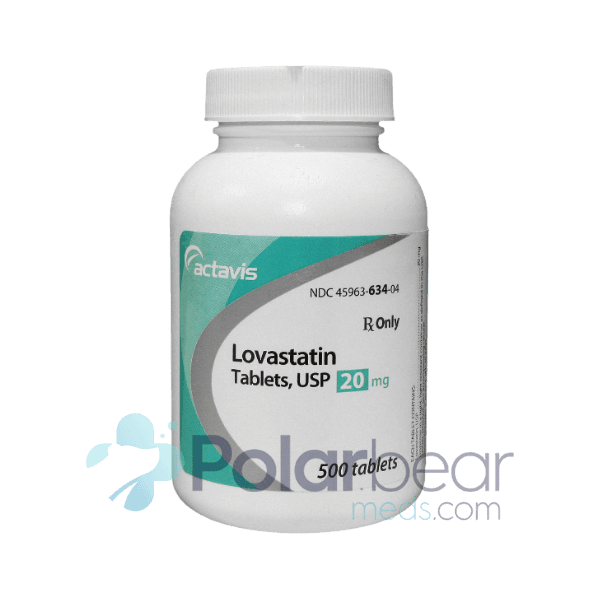
Lovastatin - Image 1

Lovastatin

No packages found
price-match-guarantee

Price Match Guarantee

We offer competitive pricing on all our medications. Find a lower price? We'll match it from any verified Canadian online pharmacy! Know More

How to Order

Ordering your medication online is simple and convenient.

STEP 01

Select the prescribed dosage and quantity, then proceed to checkout.

STEP 02

Sign in or create a new account.

STEP 03

Upload your prescription.

STEP 04

Complete your purchase by processing the payment.

Shipping takes approximately 3-5 business days.

Our Pharmacy Reviews

Read what our customers have to say about their shopping experience.

Product Details

Description

Looking for an effective way to control cholesterol and protect your heart? Buy Lovastatin online from Canada for a proven solution to managing high cholesterol and reducing the risk of heart disease. Lovastatin is a statin medication that works by lowering LDL ("bad" cholesterol), increasing HDL ("good" cholesterol), and reducing triglycerides, preventing plaque buildup in the arteries. It is available in tablets (10 mg, 20 mg, 40 mg) and extended-release tablets (20 mg, 40 mg, 60 mg) to suit individual treatment needs. Typically taken once daily with the evening meal, Lovastatin helps those with hyperlipidemia, cardiovascular disease risk, and genetic cholesterol disorders. Regular cholesterol monitoring and a healthy lifestyle enhance its effectiveness. Doctors may adjust the dose based on lipid levels and individual health conditions. For a convenient and affordable way to manage cholesterol, buy Lovastatin to manage high cholesterol from trusted Canadian pharmacies. Ordering online ensures quick access to genuine medication at competitive prices, making it easier to stay on track with your heart health.

If you're looking for an effective way to lower cholesterol and reduce your risk of heart disease, buy Lovastatin online from Canada to ensure quality, affordability, and convenience. Lovastatin belongs to the statin class of medicines to lower LDL ("bad" cholesterol), increase HDL ("good" cholesterol), and reduce triglyceride levels in the bloodstream. By inhibiting HMG-CoA reductase, an enzyme in the liver responsible for cholesterol production, Lovastatin helps prevent plaque buildup in the arteries, reducing the risk of atherosclerosis, heart attacks, and strokes.

Lovastatin is available in standard tablet forms (10 mg, 20 mg, and 40 mg) as well as extended-release tablets (20 mg, 40 mg, and 60 mg) to provide flexible dosing options tailored to your needs. It is typically taken once daily with the evening meal for maximum effectiveness, as cholesterol production peaks at night. Patients should maintain a heart-healthy diet, exercise regularly, and monitor their cholesterol levels while on Lovastatin for the best results. This cholesterol-lowering medication is also used for hyperlipidemia and cardiovascular disease prevention in adults and pediatric patients with genetic cholesterol disorders.

Individuals at high risk of heart disease can start with a 20 mg to 40 mg daily dose, adjusted as needed based on lipid panel results. Regular medical supervision and liver function tests are recommended to ensure safety and effectiveness. For those seeking a reliable and cost-effective option, you can buy Lovastatin to manage high cholesterol from reputable Canadian pharmacies. Ordering online provides easy access to authentic medication at competitive prices, ensuring that you stay on top of your cholesterol management with a trusted solution.

Uses and Benefits
  • High cholesterol
  • Hyperlipidemia
  • Cardiovascular disease prevention
  • Reducing the risk of heart attack and stroke
Dosage

What Are the Forms & Strengths of Lovastatin?

  • Tablets: 10 mg, 20 mg, 40 mg
  • Extended-release tablets: 20 mg, 40 mg, 60 mg

What Is the Recommended Dosage of Lovastatin?

The dosage of lovastatin depends on the condition being treated, the patient's age, overall health, and other medications they may be taking. Lovastatin is typically prescribed as a once-daily oral tablet, and the dose may be adjusted based on cholesterol levels, treatment goals, and risk factors for side effects. Below are the recommended dosage guidelines for different patient groups and conditions.

Initial and Maintenance Dosage for High Cholesterol (Hyperlipidemia) in Adults

  • Starting Dose: The usual initial dose is 10 mg to 20 mg once daily, taken with the evening meal.
  • Maintenance Dose: The dose can be increased gradually based on cholesterol levels, typically in increments of 10 mg every 4 weeks.
  • Maximum Dose: The highest recommended dose is 80 mg per day, although most patients do not require such high doses.

Dosage for Prevention of Cardiovascular Disease

  • Patients at risk of heart disease, stroke, or heart attacks due to high cholesterol levels may be prescribed a starting dose of 20 mg to 40 mg daily.
  • The dose may be adjusted based on lipid panel results, with a maximum of 80 mg daily for those requiring significant cholesterol reduction.

Dosage for Pediatric Patients (Ages 10 to 17) with Familial Hypercholesterolemia

  • Starting Dose: 10 mg once daily with the evening meal.
  • Maximum Dose: 40 mg per day.
  • Lovastatin is only recommended for pediatric patients who have genetic cholesterol disorders (familial hypercholesterolemia) and require aggressive cholesterol management.

Dosage Adjustments for Patients Taking Certain Medications

Some medications increase the risk of statin toxicity, requiring lower doses of lovastatin:

  • Patients on Diltiazem or Verapamil: Maximum recommended dose is 20 mg daily to reduce the risk of muscle toxicity.
  • Patients on Amiodarone: Maximum dose is 40 mg daily.
  • Patients on Strong CYP3A4 Inhibitors (e.g., certain antibiotics, antifungals, HIV medications): Lovastatin use should be avoided, as these drugs can lead to excessive statin levels and muscle breakdown (rhabdomyolysis).

Dosage Considerations for Elderly Patients (65 Years and Older)

  • Older adults are more prone to muscle pain, weakness, and kidney complications when taking statins.
  • A lower starting dose (10 mg or 20 mg daily) is often preferred, with gradual increases based on tolerance and cholesterol levels.

Patients with Liver or Kidney Impairment

  • Lovastatin is not recommended for patients with active liver disease, as it can further impair liver function.
  • For those with kidney impairment, a lower starting dose is advised, and doses above 20 mg daily should be used cautiously to prevent statin accumulation and muscle toxicity.

Dosage Adjustment Schedule

  • After 4 weeks of treatment, cholesterol levels should be tested to determine if a dose increase or adjustment is needed.
  • If cholesterol remains too high, the doctor may increase the dose gradually in 10 mg increments, up to the maximum dose.
  • If side effects occur, the dose may be reduced or a different statin may be considered.

[Note: Remember, these recommendations may vary from person to person. Discuss it with your doctor, and they'll customize your dosage accordingly.]

Usage Guide

To ensure the safe and effective use of Lovastatin, follow these guidelines carefully. Proper usage helps in achieving the best results while minimizing the risk of side effects or complications. Here’s how to take Lovastatin correctly:

  • Take as directed by your doctor: Follow your prescribed dose and schedule. Do not adjust the dosage without consulting your healthcare provider.
  • Take with food: Lovastatin is best absorbed when taken with the evening meal, as cholesterol production in the liver is highest at night.
  • Swallow whole with water: Do not crush, chew, or break the tablet, as this can alter the way the medication is absorbed in the body.
  • Avoid grapefruit or grapefruit juice: It can increase the risk of side effects by raising Lovastatin levels in the bloodstream.
  • Take at the same time daily: Consistency is key for maintaining stable medication levels and improving effectiveness.
  • Follow a healthy diet and lifestyle: Medication works best when combined with a low-fat, low-cholesterol diet, regular exercise, and weight management.
  • Inform your doctor about other medications: Some drugs may interact with Lovastatin, increasing the risk of muscle pain, liver issues, or other side effects.
  • Do not take it during pregnancy: Lovastatin can cause harm to an unborn baby; if you become pregnant, stop the medication immediately and inform your doctor.
  • Monitor for side effects: Watch for signs like unexplained muscle pain, weakness, or liver issues (dark urine, yellowing of skin/eyes) and report them to your doctor.

[Note: Your doctor will decide the right amount for you based on your condition, following guidelines and studies on the drug. They'll adjust it as needed over time.]

How It Works

Lovastatin is a statin medication that works by inhibiting HMG-CoA reductase, an enzyme in the liver responsible for cholesterol production. By blocking this enzyme, Lovastatin reduces the amount of LDL ("bad" cholesterol) and triglycerides in the bloodstream while increasing HDL ("good" cholesterol). This helps prevent the buildup of cholesterol in the arteries, lowering the risk of atherosclerosis (narrowed arteries), heart attacks, and strokes. Lovastatin is most effective when taken in the evening, as the body produces the most cholesterol at night. Additionally, it promotes better cardiovascular health when combined with a healthy diet, regular exercise, and weight management. Since high cholesterol often has no symptoms, consistent use of Lovastatin under medical supervision is essential for maintaining long-term heart health.

Side Effects

Common Side Effects of Lovastatin

While lovastatin is generally well-tolerated, some individuals may experience side effects ranging from mild to moderate. These effects typically do not require stopping the medication but should be monitored to ensure they do not worsen. Below are some of the most common side effects associated with lovastatin, along with their explanations.

  • Muscle Pain and Weakness: Many people taking lovastatin report muscle pain, tenderness, or weakness, which can range from mild discomfort to more severe aches. This happens because statins can affect muscle metabolism, leading to inflammation or minor muscle damage. While mild symptoms are common, persistent or worsening muscle pain could indicate a more serious condition like rhabdomyolysis and should be evaluated by a doctor.
  • Headache: These are frequently reported side effects of lovastatin, often occurring within the first few weeks of starting the medication. This may be due to changes in cholesterol metabolism, temporary alterations in blood circulation, or mild dehydration. Most headaches are temporary and improve as the body adjusts, but persistent or severe headaches should be discussed with a healthcare provider.
  • Nausea and Indigestion: Some individuals may experience nausea, bloating, or stomach discomfort when taking lovastatin. This side effect is often due to how the medication affects liver enzymes and digestion. Taking lovastatin with food may help reduce nausea, but if symptoms persist or become bothersome, a doctor may suggest adjusting the dose or switching to another statin.
  • Diarrhea: Digestive issues, including loose stools or diarrhea, can occur as the body adapts to lovastatin. This may be due to changes in bile acid production, which affects cholesterol metabolism. While this side effect is usually temporary, persistent diarrhea can lead to dehydration and should be managed with adequate hydration and dietary adjustments.
  • Constipation: Some people experience constipation while on lovastatin, likely due to changes in how fats are processed and eliminated by the liver and intestines. Increasing fiber intake, staying hydrated, and engaging in regular physical activity can help alleviate this issue. A doctor may recommend stool softeners or a different cholesterol-lowering approach if constipation worsens.
  • Dizziness: Dizziness or lightheadedness may occur in some individuals taking lovastatin, possibly due to minor blood pressure or circulation fluctuations. This effect is usually mild and temporary, but those who experience frequent dizziness should be cautious when standing up quickly or performing activities that require balance. If dizziness worsens, medical advice is recommended.
  • Insomnia or Sleep Disturbances: Some people on lovastatin report difficulty sleeping, frequent waking during the night, or vivid dreams. The exact cause is not well understood, but it may be related to the way lovastatin interacts with melatonin production or the nervous system. If sleep disturbances persist, taking the medication earlier in the evening or adjusting the dose may help.
  • Fatigue: Feeling unusually tired or lacking energy is another common side effect of lovastatin. This may be due to the medication’s impact on muscle function, metabolism, or slight changes in liver enzyme activity. While mild fatigue is generally not concerning, excessive tiredness that interferes with daily life should be discussed with a healthcare provider.
  • Mild Memory Issues or Confusion: Some individuals report mild forgetfulness, difficulty concentrating, or feeling mentally sluggish while on lovastatin. Though rare, statins have been linked to transient cognitive changes, possibly due to their effects on cholesterol levels in the brain. These symptoms are typically reversible after stopping the medication, but if they persist, alternative treatment options may be considered.
  • Liver Enzyme Elevations: Lovastatin can cause a slight increase in liver enzyme levels, which is usually harmless and temporary. However, in some cases, it may indicate mild liver inflammation. Regular liver function tests help monitor this effect, and if enzyme levels become too high, a doctor may lower the dose or switch to a different cholesterol-lowering medication.

Serious Side Effects of Lovastatin

While lovastatin is generally well-tolerated, it can cause serious side effects in some individuals. These effects can be life-threatening and require immediate medical attention. Below are the most severe adverse reactions associated with lovastatin, each explained in detail to help identify potential risks and take appropriate precautions.

  • Rhabdomyolysis (Severe Muscle Breakdown): It is a rare but life-threatening condition where muscle fibers break down rapidly, releasing a protein called myoglobin into the bloodstream. This can overwhelm the kidneys, leading to acute kidney failure. Symptoms include severe muscle pain, weakness, tenderness, and dark, cola-colored urine. The risk increases with high doses, drug interactions, and pre-existing kidney disease.
  • Myopathy (Muscle Weakness and Pain): It refers to muscle damage that results in persistent pain, stiffness, and weakness, making daily activities difficult. This side effect occurs due to impaired muscle metabolism, which can worsen with factors such as age, underlying conditions, and the use of other medications like fibrates or certain antibiotics. If untreated, it may progress to rhabdomyolysis.
  • Liver Toxicity and Hepatitis: Lovastatin can elevate liver enzymes, indicating liver inflammation or damage. In severe cases, this can progress to hepatitis or liver failure, leading to jaundice (yellowing of the skin and eyes), dark urine, extreme fatigue, nausea, and abdominal pain. Liver function should be monitored regularly, especially in individuals with a history of liver disease or alcohol consumption.
  • Kidney Damage and Acute Kidney Failure: Kidney complications often arise as a result of rhabdomyolysis, where excessive muscle breakdown releases toxins that overwhelm kidney function. Symptoms of kidney failure include decreased urine output, swelling in the legs, confusion, and shortness of breath. Severe cases may require hospitalization and dialysis to remove toxins from the blood.
  • Neuropathy (Nerve Damage): Some individuals experience peripheral neuropathy, a condition that affects the nerves in the arms and legs, leading to numbness, tingling, burning sensations, or weakness. This side effect may be more common in older adults or those with diabetes. Long-term neuropathy can impair mobility and sensation, significantly affecting quality of life.
  • Severe Allergic Reactions (Anaphylaxis and Angioedema): Although rare, lovastatin can trigger life-threatening allergic reactions, including anaphylaxis and angioedema. Symptoms develop rapidly and include difficulty breathing, swelling of the face and throat, hives, and severe dizziness. This reaction requires immediate medical attention, as it can quickly become fatal without prompt intervention, such as epinephrine administration.
  • Cognitive Impairment (Memory Loss and Confusion): Some individuals report memory problems, confusion, and cognitive decline while taking lovastatin. These symptoms can resemble early dementia or Alzheimer’s disease but often resolve after discontinuation of the drug. The exact mechanism is unclear, but it may involve disruptions in cholesterol levels essential for brain function.
  • Increased Blood Sugar Levels and Type 2 Diabetes Risk: Lovastatin can impair insulin sensitivity, leading to higher blood sugar levels and an increased risk of developing type 2 diabetes. Individuals with prediabetes or metabolic syndrome should monitor their glucose levels closely. This risk is particularly relevant in older adults and those with a family history of diabetes.
  • Pancreatitis (Inflammation of the Pancreas): In rare cases, lovastatin has been linked to pancreatitis, a severe inflammation of the pancreas that can cause intense abdominal pain, nausea, vomiting, fever, and rapid heartbeat. This condition can become life-threatening if not treated promptly, leading to severe digestive complications and organ failure.
  • Autoimmune Muscle Diseases (Immune-Mediated Necrotizing Myopathy): This rare but serious condition occurs when the immune system attacks muscle tissue, causing progressive muscle weakness, pain, and difficulty moving. Unlike typical statin-related myopathy, this condition does not resolve after stopping the medication and may require immunosuppressive treatment to prevent permanent disability.

[Note: Remember, this list may not cover all possible side effects. Always consult with your healthcare giver for medical advice about side effects.]


Warnings

Lovastatin is a widely used cholesterol-lowering medication, but certain precautions must be taken to ensure safety. Several factors, including pre-existing medical conditions, potential drug interactions, and lifestyle choices, can increase the risk of adverse effects. Below are critical warnings associated with lovastatin that patients should be aware of before starting treatment.

  • Risk of Muscle Damage (Myopathy and Rhabdomyolysis): Lovastatin can cause severe muscle-related side effects, such as myopathy (muscle weakness and pain) and, in rare cases, rhabdomyolysis, a life-threatening condition that leads to muscle breakdown and kidney failure. The risk is higher when taken at high doses or combined with certain medications like fibrates, protease inhibitors, and CYP3A4 inhibitors. Patients should report unexplained muscle pain, tenderness, or dark urine immediately.
  • Liver Toxicity and Liver Function Monitoring: Lovastatin can elevate liver enzyme levels, which may indicate liver damage or inflammation. Patients with a history of liver disease, excessive alcohol use, or hepatitis are at higher risk. Regular liver function tests are recommended to detect potential liver problems early. Symptoms such as jaundice, dark urine, and persistent nausea require immediate medical evaluation.
  • Increased Risk of Type 2 Diabetes: Statins, including lovastatin, can increase blood sugar levels, which may lead to or worsen type 2 diabetes in some individuals. The risk is particularly significant in those who have pre-existing insulin resistance, obesity, or metabolic syndrome. Patients should regularly monitor their blood glucose levels, maintain a healthy diet, and engage in physical activity to mitigate this risk.
  • Drug Interactions and CYP3A4 Inhibitors: Lovastatin is metabolized by the CYP3A4 enzyme, and medications that inhibit this enzyme—such as certain antibiotics, antifungals, and HIV protease inhibitors—can cause dangerously high lovastatin levels in the blood. This increases the likelihood of severe muscle toxicity and liver damage. Patients should inform their doctor about all medications they are taking to prevent harmful interactions.
  • Pregnancy and Breastfeeding Warning: Lovastatin is strictly contraindicated during pregnancy and breastfeeding because it may harm the developing baby. Cholesterol is essential for fetal development, and lowering cholesterol levels with statins can cause serious birth defects. Women of childbearing age should use effective contraception while taking lovastatin and discontinue the medication immediately if they become pregnant.
  • Cognitive Impairment (Memory Loss and Confusion): Some individuals taking lovastatin have reported experiencing memory loss, confusion, and cognitive decline. While these symptoms are usually reversible after stopping the medication, they can be alarming and may affect daily functioning. Patients experiencing unusual forgetfulness or difficulty concentrating should discuss alternative treatment options with their healthcare provider.
  • Alcohol Consumption Warning: Excessive alcohol consumption can intensify liver damage and increase the risk of liver toxicity when combined with lovastatin. Since both statins and alcohol stress the liver, patients who drink heavily should avoid lovastatin or significantly limit alcohol intake. Signs of liver issues, such as fatigue, nausea, and yellowing of the skin, should be closely monitored.
  • Kidney Disease and Statin-Related Complications: Individuals with pre-existing kidney disease are at a higher risk of muscle toxicity and kidney failure, particularly if they develop rhabdomyolysis. Since damaged kidneys cannot efficiently clear statins from the body, drug accumulation can occur, leading to increased side effects. Patients with kidney impairment should receive adjusted dosages and frequent kidney function monitoring.
  • Avoiding Grapefruit and Grapefruit Juice: Grapefruit contains compounds that inhibit the CYP3A4 enzyme, which can cause lovastatin levels to rise to toxic concentrations. This increases the risk of muscle breakdown, kidney damage, and severe liver toxicity. Patients should avoid grapefruit juice entirely or consume it in minimal amounts to prevent dangerous side effects.
  • Autoimmune Muscle Disorders (Immune-Mediated Necrotizing Myopathy): A rare but serious warning associated with lovastatin is immune-mediated necrotizing myopathy (IMNM), an autoimmune condition where the immune system attacks muscle tissue, leading to progressive muscle weakness, pain, and difficulty moving. Unlike regular statin-related muscle issues, this condition persists even after stopping the medication and may require immunosuppressive therapy.
Safety Guide

Taking lovastatin requires careful consideration of various lifestyle, health, and medical factors to ensure safety and effectiveness. While warnings focus on serious risks, precautions highlight measures to minimize potential complications and optimize treatment outcomes. Below are essential precautions to follow while using lovastatin.

  • Take Lovastatin With Food for Better Absorption: Lovastatin should be taken with food, preferably with the evening meal, as food enhances its absorption and effectiveness. Since cholesterol production is highest at night, taking the medication in the evening optimizes its cholesterol-lowering benefits. Skipping meals or taking lovastatin on an empty stomach may reduce its effectiveness.
  • Monitor Cholesterol and Lipid Levels Regularly: Patients should track their lipid profile through periodic blood tests while lovastatin reduces cholesterol. Cholesterol levels should be checked every 4 to 12 weeks after starting the medication and periodically thereafter to ensure it works effectively and that no unexpected changes occur.
  • Follow a Healthy Diet and Exercise Routine: Lovastatin works best when combined with a heart-healthy lifestyle. A diet rich in fruits, vegetables, whole grains, and healthy fats (such as omega-3s) can further reduce cholesterol levels. Regular physical activity, such as 30 minutes of moderate exercise most days, enhances heart health and improves the drug’s effectiveness.
  • Be Cautious When Driving or Operating Machinery: Lovastatin may cause dizziness, drowsiness, or blurred vision in some individuals. These side effects can impair the ability to drive, operate heavy machinery, or perform tasks requiring mental alertness and coordination. Patients should assess their reaction to the drug before engaging in activities that require full concentration.
  • Inform Healthcare Providers Before Surgery or Medical Procedures: Patients should inform their doctor about taking lovastatin before undergoing surgery, dental procedures, or any medical treatment. Some procedures may require temporary discontinuation of the medication, especially if general anesthesia or other drugs that affect muscle function will be used.
  • Stay Hydrated to Support Kidney Function: Dehydration can worsen muscle-related side effects and kidney strain, particularly in patients at risk of rhabdomyolysis. Drinking plenty of fluids throughout the day helps the kidneys flush out waste products and prevents complications. This is especially important during hot weather or intense physical activity.
  • Consider Alternative Cholesterol-Lowering Strategies for Older Adults: When taking lovastatin, elderly patients are at higher risk for muscle weakness, memory issues, and drug interactions. If the risk of side effects is too high, doctors may recommend lower starting doses, closer monitoring, or alternative cholesterol-lowering strategies such as dietary adjustments, physical activity, and non-statin medications.
  • Take Precautions With Over-the-Counter Supplements and Herbal Products: Certain supplements and herbal remedies, such as red yeast rice, St. John’s Wort, and niacin, can interact with lovastatin and lead to unexpected side effects. Red yeast rice, for example, contains natural statins, which can increase the risk of muscle damage. Patients should consult a doctor before taking any supplements while on lovastatin.
  • Adjust Dosage for Patients With Hypothyroidism: Untreated hypothyroidism can worsen statin-induced muscle damage. Patients with low thyroid hormone levels may experience increased muscle pain and weakness when taking lovastatin. Before starting treatment, thyroid function should be assessed, and if hypothyroidism is present, it should be properly managed to reduce the risk of muscle-related complications.

Be Aware of Potential Sexual Side Effects: Though not common, some individuals taking lovastatin report reduced libido, erectile dysfunction, or hormonal imbalances. Statins can lower testosterone levels, which may affect sexual health and energy levels. Patients experiencing these issues should discuss alternative medications or lifestyle changes with their doctor to manage cholesterol without compromising sexual health.

Contraindications

Certain conditions and factors make Lovastatin unsuitable for use due to potential risks and complications. If any of the following apply to you, Lovastatin should be avoided unless otherwise directed by your doctor:

  • Pregnancy and Breastfeeding: Lovastatin is contraindicated in pregnant and nursing women as it may cause harm to the fetus or pass into breast milk, affecting the infant.
  • Active Liver Disease: Patients with acute liver disease or persistent elevated liver enzymes should not take Lovastatin, as it may worsen liver function.
  • Allergy to Lovastatin or Other Statins: Individuals with a known hypersensitivity to Lovastatin or any component of the medication should avoid its use.
  • Concomitant Use of Strong CYP3A4 Inhibitors: Medications such as ketoconazole, itraconazole, clarithromycin, erythromycin, HIV protease inhibitors, and nefazodone significantly increase Lovastatin levels, raising the risk of severe muscle toxicity, including rhabdomyolysis.
  • Severe Renal Impairment: Patients with significant kidney dysfunction are at a higher risk of muscle toxicity and should not take Lovastatin unless under strict medical supervision.
  • Unexplained Persistent Muscle Pain or Weakness: Individuals with pre-existing myopathy or a history of statin-induced muscle disorders should avoid Lovastatin due to an increased risk of severe muscle breakdown.
Missed Dose

If you miss a dose of Lovastatin, take it as soon as you remember. However, if it is almost time for your next scheduled dose, skip the missed dose and continue with your regular dosing schedule. Do not take two doses at the same time or extra doses to make up for the missed one, as this may increase the risk of side effects. Since Lovastatin is often taken in the evening with food, try to maintain a consistent routine to avoid missing doses.

[Note: If you have missed a dose of your medication and are unsure about when to take the next one, immediately consult your doctor or pharmacist.]

Overdose

An overdose of Lovastatin can lead to serious health complications, including severe muscle pain, weakness, extreme fatigue, digestive distress (nausea, vomiting, diarrhea), and liver toxicity. In extreme cases, it may cause rhabdomyolysis, a condition where muscle breakdown leads to kidney damage. Symptoms like confusion, dizziness, jaundice (yellowing of the skin or eyes), or dark urine require immediate medical attention. Overdosing can also increase the risk of severe liver and kidney impairment, leading to life-threatening conditions.

[Note: If you consumed more than the recommended dose, get medical help right away, or call the Poison Help line at 1-800-222-1222.]

Storage Guide

Proper storage of Lovastatin ensures its effectiveness and prevents degradation. Follow these guidelines to keep the medication safe and potent:

  • Store at room temperature (between 15°C to 30°C or 59°F to 86°F).
  • Keep in a dry place, away from moisture and humidity—avoid storing in the bathroom.
  • Protect from direct sunlight and excessive heat to maintain its stability.
  • Store in its original container with the lid tightly closed to prevent contamination.
  • Do not refrigerate or freeze, unless specifically instructed by your pharmacist.
  • Keep children and pets out of reach to prevent accidental ingestion.
  • Properly dispose of expired or unused Lovastatin according to local disposal guidelines—do not flush it down the toilet or throw it in household trash without proper disposal instructions.
  • Check for changes in color, texture, or smell, as these may indicate that the medication has degraded.

[Note: Discuss with your healthcare professional about the proper disposal of any unused medicine and any questions you may have regarding its storage.]

Interactions

Lovastatin, a statin medication used to lower cholesterol, can interact with various drugs, potentially increasing the risk of side effects such as muscle damage, liver toxicity, and altered drug effectiveness. Understanding these interactions is crucial for safe use. Below are some key medications that interact with lovastatin and how they affect its function.

  • Strong CYP3A4 Inhibitors (e.g., Clarithromycin, Erythromycin, Ketoconazole, Itraconazole): These medications inhibit the CYP3A4 enzyme, which is responsible for metabolizing lovastatin. When this enzyme is blocked, lovastatin levels in the blood increase, raising the risk of rhabdomyolysis, a severe muscle breakdown condition. Symptoms include muscle pain, weakness, and dark-colored urine. Alternative antibiotics or antifungal medications should be considered when possible.
  • Protease Inhibitors (e.g., Ritonavir, Lopinavir, Atazanavir, Saquinavir): Used in HIV treatment, protease inhibitors significantly raise lovastatin blood levels by blocking its breakdown. This can lead to severe muscle toxicity and potential kidney failure due to the excessive accumulation of muscle breakdown products. Patients on protease inhibitors should avoid lovastatin and use alternative cholesterol-lowering agents such as pravastatin or rosuvastatin.
  • Gemfibrozil and Other Fibrates (e.g., Fenofibrate, Bezafibrate): Fibrates are prescribed to reduce triglycerides but, when combined with lovastatin, dramatically increase the risk of myopathy (muscle pain and weakness) and rhabdomyolysis. This happens because both drugs affect muscle metabolism and impair clearance from the body. If a fibrate is necessary, fenofibrate is preferred over gemfibrozil, but careful monitoring is still required.
  • Cyclosporine: This immunosuppressant, used to prevent organ transplant rejection, reduces lovastatin clearance from the body, leading to excessive blood levels and increasing the risk of severe muscle toxicity. Even at lower lovastatin doses, the risk remains high. If cholesterol management is necessary, non-statin alternatives or lower doses of statins like fluvastatin should be considered.
  • Amiodarone: A medication used to manage irregular heart rhythms, amiodarone inhibits enzymes that metabolize lovastatin, leading to increased drug concentrations. This raises the likelihood of muscle damage and liver toxicity. If both drugs must be used together, the lovastatin dose should be limited to a maximum of 20 mg daily to minimize risk.
  • Diltiazem and Verapamil: These calcium channel blockers, prescribed for high blood pressure and heart conditions, reduce lovastatin metabolism, increasing its blood levels. This interaction can lead to an increased risk of myopathy and rhabdomyolysis. To reduce the likelihood of adverse effects, patients taking diltiazem or verapamil should not exceed 20 mg of lovastatin per day.
  • Grapefruit Juice: Although not a medication, grapefruit juice contains compounds that strongly inhibit the CYP3A4 enzyme, leading to excessive lovastatin accumulation in the blood. This significantly raises the risk of severe muscle damage and liver complications. Patients on lovastatin should avoid grapefruit juice entirely or at least limit their intake to small amounts.
  • Warfarin: Lovastatin can enhance the effects of warfarin, a blood thinner, by affecting its metabolism. This interaction increases the risk of excessive bleeding and requires close monitoring of the INR (International Normalized Ratio) to prevent dangerous blood clotting issues. Regular blood tests and dose adjustments may be needed when using both medications.
  • Colchicine: Used to treat gout, colchicine can interact with lovastatin by increasing the risk of myopathy and neuromuscular toxicity, which can manifest as muscle weakness, pain, and, in severe cases, life-threatening rhabdomyolysis. If both drugs are necessary, doctors usually prescribe the lowest effective doses and closely monitor for muscle-related side effects.
  • Rifampin: Unlike CYP3A4 inhibitors, rifampin induces this enzyme, meaning it speeds up lovastatin metabolism, reducing its effectiveness in lowering cholesterol. Patients on rifampin may not achieve adequate cholesterol control with lovastatin alone, requiring dose adjustments or a switch to a different statin that is less affected by rifampin’s enzyme-inducing effects.

What Are the Other Lovastatin Interactions?

In addition to interactions with medications, lovastatin can be affected by certain foods, beverages, medical conditions, and lifestyle factors. These interactions can increase the risk of side effects or reduce the drug’s effectiveness. Below are other important interactions that patients should be aware of while taking lovastatin.

  • Grapefruit and Grapefruit Juice: Grapefruit contains compounds that inhibit the CYP3A4 enzyme, which metabolises lovastatin. This leads to higher blood levels of the drug, increasing the risk of severe muscle damage (rhabdomyolysis) and liver toxicity. To prevent dangerous side effects, patients should completely avoid grapefruit juice or limit intake to small amounts.
  • High-Fat Meals and Lovastatin Absorption: Although lovastatin is recommended with food, consuming it with high-fat meals may reduce its effectiveness. Excess fat slows down absorption and may counteract the drug's cholesterol-lowering effects. Patients should prioritize a heart-healthy diet rich in fiber, lean protein, and healthy fats to support cholesterol management.
  • Alcohol Consumption and Liver Stress: Excessive alcohol intake can significantly increase the risk of liver damage while taking lovastatin. Since the liver metabolizes both alcohol and statins, excessive alcohol use can lead to elevated liver enzymes, liver inflammation, and increased side effects. Patients should limit alcohol consumption and seek medical advice if they have a history of liver disease.
  • Smoking and Reduced Effectiveness: Smoking increases oxidative stress and inflammation, which can make cholesterol-lowering treatments less effective. It also worsens cardiovascular health, counteracting the benefits of lovastatin. Patients are encouraged to quit smoking or reduce tobacco use to improve cholesterol levels and overall heart health.
  • Caffeine and Possible Metabolism Interference: Though not widely documented, some research suggests that caffeine may affect the metabolism of certain statins, including lovastatin. While moderate caffeine intake is generally safe, excessive caffeine consumption may alter drug effectiveness. Patients should monitor their response to the medication and adjust caffeine intake if needed.
  • Physical Activity and Risk of Muscle Damage: Regular exercise is essential for heart health, but intense physical activity, especially high-intensity weight training or endurance sports, can increase the risk of statin-related muscle pain and breakdown. Patients taking lovastatin should listen to their body, avoid overexertion, and report any unusual muscle pain or weakness to their doctor.
  • Vitamin D Deficiency and Increased Muscle Pain Risk: Low vitamin D levels have been linked to an increased risk of muscle pain and weakness in statin users. Since vitamin D plays a crucial role in muscle function, a deficiency can worsen statin-related myopathy. Patients should check their vitamin D levels and consider supplementation if necessary.
  • Coenzyme Q10 (CoQ10) Depletion and Fatigue: Lovastatin reduces Coenzyme Q10 (CoQ10) levels, a vital compound involved in energy production within muscle cells. This can lead to fatigue, muscle pain, and weakness in some individuals. Taking a CoQ10 supplement may help counteract these effects, but patients should consult their doctor before adding supplements to their routine.
  • Thyroid Disorders and Increased Statin Side Effects: Individuals with hypothyroidism (underactive thyroid) are more prone to muscle-related side effects from lovastatin. This is because low thyroid hormone levels can impair muscle metabolism and increase the risk of myopathy and rhabdomyolysis. Managing hypothyroidism before starting statin therapy can reduce the likelihood of complications.
  • Certain Herbal and Dietary Supplements: Some natural supplements can interfere with lovastatin’s effectiveness or increase its side effects. Notable interactions include:
    • Red Yeast Rice: Contains natural statins that may lead to excessive statin exposure and muscle toxicity.
    • St. John’s Wort: Increases statin breakdown, reducing its cholesterol-lowering effect.
    • Niacin (Vitamin B3): Can enhance muscle pain risk when taken with statins.
    • Ginseng and Green Tea Extract: May alter liver enzyme activity, affecting how lovastatin is processed.

[Note: This isn't a complete list, and there could be other drugs that interact with Lovastatin. Make sure to tell your doctor about any prescription, over-the-counter medicines, and herbal products you’re taking.]

Alternatives

If Lovastatin is not suitable for you due to side effects, drug interactions, or medical conditions, several alternative medications can help manage high cholesterol and reduce the risk of heart disease. These alternatives include statins, which work by lowering LDL ("bad" cholesterol), and non-statin options, which may be prescribed for those who cannot tolerate statins. Here are some commonly used alternatives:

  • Lipitor (atorvastatin)
  • Crestor (rosuvastatin)
  • Zocor (simvastatin)
  • Pravachol (pravastatin)
  • Livalo (pitavastatin)
  • Lescol (fluvastatin)
  • Zetia (ezetimibe)
  • Repatha (evolocumab)
  • Praluent (alirocumab)

[Note: Your doctor will choose what’s best for you. Don’t use any of these alternative medications without consulting your healthcare provider. Taking them by yourself may cause serious side effects.]

Cost & Coupons

Managing high cholesterol shouldn’t be a financial burden. While Lovastatin is a trusted medication for lowering cholesterol and reducing the risk of heart disease, its cost can sometimes be a challenge. At Polar Bear Meds, we are committed to offering affordable, high-quality medications so you can manage your cholesterol effectively without overspending. If you're looking for a cost-effective solution, buy Lovastatin with a coupon from Canada and get top-quality medication at a lower price. Take advantage of our exclusive discount—use the code "WELCOMEPB10" at checkout for 10% off your first order. With our competitive pricing, trusted suppliers, and fast shipping, we ensure that you receive authentic Lovastatin at a fraction of the cost. Don't let high prices stand in the way of your heart health—order Lovastatin online today and enjoy convenient, affordable cholesterol management delivered straight to your door!

FAQ

Guarantee

AtPolarBearMeds.com, we assure you the most affordable price to buy Lovastatin online from Canada. Rest easy knowing that your order will be dispatched from a reputable Licensed Canada Pharmacy Online, adhering to the highest standards of quality and authenticity. Our discounted medications are shipped directly from Canada to your doorstep, ensuring a swift and secure delivery experience. To conveniently buy Lovastatin online at a substantial cost, call us at1-888-779-2193toll-free.

Important Notice

The content provided on the Polar Bear Meds website serves to increase knowledge about healthcare products and medical conditions and is strictly for informational purposes. It should not replace professional medical advice. We urge you to consult with a qualified healthcare professional prior to utilizing any prescription or over-the-counter medication. Our platform grants access to an extensive array of products, sourced internationally, including Canada. We collaborates with a licensed pharmacy partner in Canada and trusted dispensing pharmacies globally. All affiliated fulfillment centers are accredited by the regulatory authorities of their respective countries.

Dr. Jackson Miller

Medically Reviewed by "Dr. Jackson Miller (M.D)"

Dr. Jackson Miller is a board-certified medicine physician & hospitalist. He is a healthcare professional with a strong background in patient care. With years of experience and a patient-first approach, he believes the foundation of good health is a patient who feels informed and empowered. He contributes to medical content review, drawing on his background in clinical practice and patient education. He focuses on presenting health information in a clear, accurate, and accessible way to help readers make informed decisions. His work emphasizes clarity, evidence-based guidance, and understandable explanations of medical topics.

Find Dr. Jackson Miller on:LinkedIn
Price matching guarantee certificate

We offer competitive pricing on all our medications. We'll match if you find a lower price on an identical product at a verified Canadian online pharmacy!

Eligibility Criteria:

  • The competitor's price must be active (no past/future sales).
  • It is only valid for Canadian online pharmacies with a verifiable address.
  • The product must match the strength, pack size, quantity, manufacturer & origin.
  • There are no price matches on used/expired medications.
  • You must submit your requests before placing an order.
  • We cannot adjust prices after purchase.
  • Request via live chat or phone before placing your order.

Need help? Call our friendly support team at 1-888-779-2193 or fill out the Contact Form