Logo
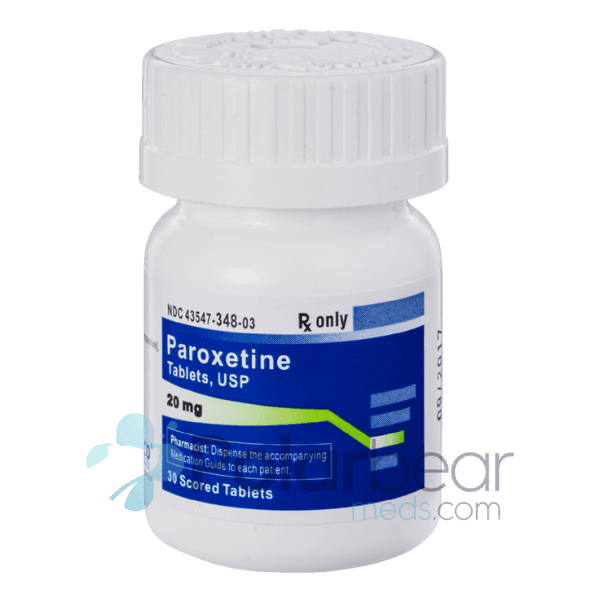
Paroxetine - Image 1

Paroxetine

No packages found
price-match-guarantee

Price Match Guarantee

We offer competitive pricing on all our medications. Find a lower price? We'll match it from any verified Canadian online pharmacy! Know More

Similar Medications

How to Order

Ordering your medication online is simple and convenient.

STEP 01

Select the prescribed dosage and quantity, then proceed to checkout.

STEP 02

Sign in or create a new account.

STEP 03

Upload your prescription.

STEP 04

Complete your purchase by processing the payment.

Shipping takes approximately 3-5 business days.

Our Pharmacy Reviews

Read what our customers have to say about their shopping experience.

Product Details

Description

If you’re struggling with depression, anxiety, panic disorder, OCD, or PTSD, Paroxetine is a trusted SSRI medication designed to restore serotonin balance in the brain, helping regulate mood and reduce anxiety symptoms. Available in tablets, extended-release tablets, and oral suspension, it offers a flexible treatment option tailored to your needs. You can buy Paroxetine online from Canada at a lower cost, ensuring affordable access to high-quality medication. Many individuals choose to buy Paroxetine to treat depression and anxiety, as it is an effective, doctor-recommended option for long-term symptom relief. Typical doses range from 10 mg to 40 mg daily, with gradual adjustments based on response. Order today for cost-effective, reliable depression and anxiety treatment, delivered straight to your door!

Managing mental health is essential, and Paroxetine is a trusted medication used to treat depression, anxiety disorders, OCD, PTSD, panic disorder, and more. As a selective serotonin reuptake inhibitor (SSRI), it works by increasing serotonin levels in the brain, helping stabilize mood, reduce anxiety, and promote emotional well-being. It is available in tablet, extended-release tablet, and oral suspension forms, making it a flexible treatment option tailored to different patient needs.

For those struggling with the high cost of prescriptions, you can buy Paroxetine online from Canada at an affordable price, ensuring access to safe, high-quality medication without overspending. Many people choose to buy Paroxetine to treat depression and anxiety, as it is widely recommended by healthcare professionals for long-term symptom relief and prevention of relapse. Paroxetine comes in multiple strengths (10 mg, 20 mg, 30 mg, 40 mg tablets; 12.5 mg, 25 mg, 37.5 mg extended-release tablets; and 10 mg/5 mL oral suspension) to suit various treatment needs. The typical starting dose is 10–20 mg per day, with gradual adjustments as needed.

While Paroxetine is effective, it should be used under medical supervision to minimize side effects like nausea, drowsiness, dry mouth, and potential withdrawal symptoms if discontinued abruptly. For those looking for alternative antidepressants, options like Fluoxetine (Prozac), Sertraline (Zoloft), and Venlafaxine (Effexor XR) may be considered. Buy Paroxetine online from Canada today for a convenient, cost-effective solution to managing depression and anxiety, delivered directly to your door!

Uses and Benefits
  • Major Depressive Disorder (MDD)
  • Generalized Anxiety Disorder (GAD)
  • Obsessive-Compulsive Disorder (OCD)
  • Panic Disorder (PD)
  • Social Anxiety Disorder (SAD)
  • Post-Traumatic Stress Disorder (PTSD)
  • Premenstrual Dysphoric Disorder (PMDD)
  • Hot Flashes Associated with Menopause
Dosage

What Are the Forms & Strengths of Paroxetine?

  • Tablets: 10 mg, 20 mg, 30 mg, 40 mg
  • Extended-Release Tablets: 12.5 mg, 25 mg, 37.5 mg
  • Oral Suspension: 10 mg/5 mL

What Is the Recommended Dosage of Paroxetine?

The dosage of Paroxetine varies based on the condition being treated, the patient’s age, overall health, and response to therapy. It is usually taken once daily, with or without food, preferably in the morning to reduce the risk of insomnia. Below are the standard dosage recommendations for different conditions:

Dosage for Major Depressive Disorder (MDD) in Adults

  • Starting Dose: 20 mg once daily.
  • Maintenance Dose: Can be increased by 10 mg increments per week based on response.
  • Maximum Dose: 50 mg per day (regular tablets) or 62.5 mg per day (extended-release tablets).

Dosage for Generalized Anxiety Disorder (GAD)

  • Starting Dose: 20 mg once daily.
  • Maintenance Dose: Can be adjusted in 10 mg increments per week as needed.
  • Maximum Dose: 50 mg per day.

Dosage for Social Anxiety Disorder (SAD)

  • Starting Dose: 10 mg once daily.
  • Maintenance Dose: Can be increased to 20 mg per day after one week.
  • Maximum Dose: 60 mg per day.

Dosage for Panic Disorder

  • Starting Dose: 10 mg once daily.
  • Maintenance Dose: Can be increased by 10 mg per week based on patient tolerance.
  • Maximum Dose: 60 mg per day.

Dosage for Obsessive-Compulsive Disorder (OCD)

  • Starting Dose: 20 mg once daily.
  • Maintenance Dose: Gradual increases to 40 mg to 60 mg per day as needed.
  • Maximum Dose: 60 mg per day.

Dosage for Post-Traumatic Stress Disorder (PTSD)

  • Starting Dose: 20 mg once daily.
  • Maintenance Dose: Can be increased to 40 mg per day if necessary.
  • Maximum Dose: 50 mg per day.

Dosage for Premenstrual Dysphoric Disorder (PMDD)

  • Continuous Dosing: 12.5 mg to 25 mg once daily throughout the menstrual cycle.
  • Intermittent Dosing: 12.5 mg to 25 mg per day starting two weeks before menstruation, stopping at the start of the period.

Dosage for Elderly Patients (Over 65 Years) and Those with Liver or Kidney Impairment

  • Lower starting doses (10 mg to 20 mg per day) are recommended.
  • Maximum dose for elderly patients: 40 mg per day.
  • Dose adjustments may be required based on individual tolerance and kidney/liver function tests.

Dosage Adjustment Schedule

  • Dose increases should be made gradually (every 1-2 weeks) based on effectiveness and tolerance.
  • Abruptly stopping Paroxetine can cause withdrawal symptoms, so dosage should be tapered gradually under medical supervision.

[Note: Remember, these recommendations may vary from person to person. Discuss it with your doctor, and they'll customize your dosage accordingly.]

Usage Guide

To ensure safe and effective treatment, it is essential to take Paroxetine exactly as prescribed. Proper usage helps maximize benefits while minimizing side effects and withdrawal risks. Follow these guidelines for the correct use of Paroxetine:

  • Follow Your Doctor’s Instructions:
    • Take the prescribed dose at the same time every day to maintain steady levels in your body.
    • Do not adjust your dose without consulting your doctor, as sudden changes may cause side effects or withdrawal symptoms.
  • Take It Once Daily, Preferably in the Morning:
    • Paroxetine is usually taken once daily, with or without food.
    • If you experience drowsiness, your doctor may recommend taking it at bedtime instead.
  • Swallow the Tablet Whole:
    • Do not crush, chew, or split extended-release tablets, as this can interfere with the controlled release of the medication.
    • Regular tablets may be split only if directed by your doctor.
  • Stay Consistent with Food Intake:
    • You can take Paroxetine with or without food, but taking it with a meal may help reduce nausea or stomach discomfort.
  • Avoid Alcohol and Certain Medications:
    • Alcohol can worsen side effects like drowsiness, dizziness, and impaired judgment.
    • Inform your doctor about all other medications or supplements you are taking to avoid interactions.
  • Do Not Stop Abruptly:
    • Stopping Paroxetine suddenly can cause withdrawal symptoms like dizziness, anxiety, nausea, or sleep disturbances.
    • Your doctor will recommend a gradual dose reduction when stopping the medication.
  • Be Patient—It Takes Time to Work:
    • It may take several weeks (2-4 weeks) before you notice improvements.
    • Continue taking it even if you don’t feel immediate relief, as stopping early may reduce its effectiveness.
  • Monitor for Side Effects:
    • Watch for mood changes, worsening depression, unusual thoughts, or suicidal tendencies, especially when starting or adjusting the dose.
    • Report any severe or unusual side effects to your doctor immediately.

[Note: Your doctor will decide the right amount for you based on your condition, following guidelines and studies on the drug. They'll adjust it as needed over time.]

How It Works

Paroxetine works by affecting the balance of neurotransmitters in the brain, specifically serotonin, which plays a key role in mood regulation, anxiety control, and overall mental well-being. As a selective serotonin reuptake inhibitor (SSRI), Paroxetine increases the availability of serotonin by blocking its reabsorption (reuptake) into nerve cells. This enhances serotonin activity, which helps improve mood, reduce anxiety, and stabilize emotions. It is particularly effective in treating conditions like depression, anxiety disorders, panic attacks, obsessive-compulsive disorder (OCD), and post-traumatic stress disorder (PTSD). Unlike some other antidepressants, Paroxetine does not significantly affect other neurotransmitters like dopamine or norepinephrine, making it a targeted treatment with fewer side effects. However, because serotonin levels take time to stabilize, patients may need several weeks before experiencing noticeable improvements. Additionally, stopping Paroxetine suddenly can lead to withdrawal symptoms, so dosage adjustments should always be gradual under a doctor’s supervision.

Side Effects

What Are the Side Effects of Paroxetine?

While Paroxetine is generally well-tolerated, some individuals may experience side effects, particularly when starting the medication or adjusting the dose. Below are the most common side effects, each explained in detail.

  • Nausea: Many people experience nausea when beginning Paroxetine, as the body adjusts to increased serotonin levels. This side effect is often temporary and improves within a few weeks. Taking medication with food can help reduce nausea. If persistent, your doctor may adjust the dosage or recommend an alternative treatment.
  • Drowsiness and Fatigue: Paroxetine can cause drowsiness, making some individuals feel excessively tired or sluggish during the day. This happens because serotonin also plays a role in regulating sleep-wake cycles. If drowsiness is bothersome, taking the medication at bedtime may help. Avoiding alcohol and adjusting daily routines can also minimize fatigue.
  • Dizziness: Some individuals may feel lightheaded or dizzy, especially when standing up too quickly. This occurs because Paroxetine can cause a temporary drop in blood pressure. Staying hydrated, avoiding sudden movements, and getting up slowly from a sitting or lying position can help manage this side effect.
  • Dry Mouth: Paroxetine may reduce saliva production, leading to dry mouth. This can cause discomfort, bad breath, and an increased risk of cavities. Staying hydrated, chewing sugar-free gum, or using saliva substitutes can help. If dry mouth persists, your doctor may recommend an alternative medication or adjustments in dosage.
  • Sweating: Excessive sweating, particularly at night, is a common side effect of Paroxetine. This is due to increased serotonin activity affecting temperature regulation. Wearing breathable clothing, staying in a cool environment, and using antiperspirants may help. In severe cases, dosage adjustments or switching medications may be necessary.
  • Weight Changes (Gain or Loss): Some individuals may experience weight gain due to increased appetite, while others may lose weight due to reduced appetite or digestive issues. Maintaining a balanced diet, regular exercise, and monitoring eating habits can help prevent unwanted weight changes while on Paroxetine.
  • Headache: Very common when starting Paroxetine, as the brain adjusts to serotonin level changes. They are usually mild to moderate and subside within a few weeks. Staying hydrated, managing stress, and using over-the-counter pain relievers (if approved by a doctor) can help alleviate discomfort.
  • Insomnia or Sleep Disturbances: Paroxetine may interfere with sleep patterns, causing difficulty falling asleep, frequent waking, or vivid dreams. This occurs because serotonin affects melatonin production and sleep regulation. If insomnia becomes problematic, taking the medication in the morning and practicing good sleep hygiene may help.
  • Sexual Dysfunction (Low Libido, Erectile Dysfunction, Delayed Orgasm): Paroxetine can reduce sexual desire, cause erectile dysfunction, or delay orgasm in both men and women. This is due to serotonin's role in inhibiting sexual function. If this becomes distressing, discussing alternative medications or strategies with a doctor—such as dose adjustments—may help manage this side effect.
  • Diarrhea or Constipation: Paroxetine can affect digestive motility, leading to either diarrhea or constipation. Increasing fiber intake, staying hydrated, and maintaining a balanced diet can help regulate bowel movements. If digestive issues persist, a doctor may suggest dose modifications or additional treatments.

Serious Side Effect of Paroxetine

Paroxetine is effective for many individuals, but in some cases, it can lead to serious side effects that require immediate medical attention. These adverse reactions can pose significant health risks if left untreated. Below are the most severe side effects of Paroxetine, explained in detail to help you recognize and address them promptly.

  • Suicidal Thoughts and Behavior: Paroxetine, like other antidepressants, may increase the risk of suicidal thoughts or actions, especially in young adults, adolescents, and children. This risk is higher when starting treatment or after a dosage adjustment. Signs include sudden mood swings, agitation, withdrawal, or talking about death. If these symptoms occur, immediate medical intervention is necessary.
  • Serotonin Syndrome: A life-threatening condition that occurs when serotonin levels become excessively high due to Paroxetine or interactions with other medications (e.g., MAOIs, triptans, or tramadol). Symptoms include confusion, hallucinations, rapid heartbeat, fever, muscle stiffness, excessive sweating, and tremors. Without prompt treatment, it can lead to seizures, coma, or death.
  • Severe Allergic Reactions (Anaphylaxis & Angioedema): Some individuals may develop a serious allergic reaction to Paroxetine, leading to anaphylaxis or angioedema. Symptoms include swelling of the face, tongue, or throat, difficulty breathing, severe rash, itching, and dizziness. Anaphylaxis is a medical emergency that requires immediate treatment with epinephrine and emergency medical care.
  • Abnormal Bleeding or Bruising: Paroxetine may increase the risk of bleeding disorders, especially in individuals taking blood thinners (e.g., warfarin), NSAIDs (e.g., ibuprofen), or aspirin. Symptoms include easy bruising, prolonged bleeding from minor cuts, nosebleeds, or unusual bleeding in the gums, urine, or stool. In severe cases, internal bleeding may occur, requiring urgent medical attention.
  • Seizures (Convulsions): Although rare, Paroxetine can lower the seizure threshold, making seizures more likely, particularly in individuals with a history of epilepsy or brain disorders. A seizure may cause uncontrolled jerking movements, loss of consciousness, confusion, or staring spells. Anyone experiencing a seizure while on Paroxetine should seek immediate medical care.
  • Hyponatremia (Low Sodium Levels in the Blood): Paroxetine can cause dangerously low sodium levels, particularly in elderly patients, those taking diuretics, or individuals with kidney disease. Symptoms of hyponatremia include severe headaches, confusion, weakness, trouble concentrating, nausea, vomiting, and seizures. If untreated, it can lead to coma or brain swelling, making urgent treatment essential.
  • Manic Episodes in Bipolar Disorder: In individuals with undiagnosed or untreated bipolar disorder, Paroxetine can trigger manic episodes, leading to extreme energy levels, decreased need for sleep, racing thoughts, impulsivity, reckless behavior, or severe agitation. If signs of mania develop, the medication may need to be discontinued or adjusted under a doctor’s supervision.
  • Withdrawal Syndrome (Discontinuation Symptoms): Abruptly stopping Paroxetine can lead to severe withdrawal symptoms, also known as antidepressant discontinuation syndrome. Symptoms include dizziness, nausea, flu-like symptoms, electric shock sensations ("brain zaps"), mood swings, irritability, and insomnia. Tapering off Paroxetine gradually, under a doctor’s guidance, helps prevent these effects.
  • Increased Eye Pressure and Glaucoma Risk: Paroxetine can increase eye pressure, raising the risk of narrow-angle glaucoma in individuals prone to this condition. Symptoms include eye pain, redness, sudden blurred vision, halos around lights, and severe headaches. Immediate medical attention is required to prevent permanent vision damage.
  • Heart Rhythm Abnormalities (QT Prolongation & Arrhythmia): Paroxetine may cause irregular heartbeats (arrhythmia) or QT prolongation, a serious heart rhythm disorder. This can lead to dizziness, fainting, palpitations, or sudden cardiac arrest. Individuals with a history of heart disease, electrolyte imbalances, or those taking certain medications should be closely monitored for heart-related side effects.

[Note: Remember, this list may not cover all possible side effects. Always consult with your healthcare giver for medical advice about side effects.]

Warnings

Paroxetine carries several important warnings that must be considered before and during use. These warnings help prevent serious complications and ensure safe treatment.

  • Increased Risk of Suicidal Thoughts: Paroxetine may increase the risk of suicidal thoughts and behaviors, especially in children, adolescents, and young adults within the first few weeks of treatment. Close monitoring is essential.
  • Serotonin Syndrome Risk: Taking Paroxetine with other serotonergic drugs (such as MAO inhibitors, triptans, tramadol, or St. John’s wort) may cause serotonin syndrome, a life-threatening condition characterized by confusion, fever, rapid heart rate, and muscle rigidity.
  • Withdrawal Symptoms: Suddenly stopping Paroxetine can lead to severe withdrawal symptoms, including dizziness, irritability, nausea, electric shock sensations, and sleep disturbances. Dose tapering is necessary when discontinuing.
  • Potential for Increased Bleeding Risk: Paroxetine may increase bleeding risk, especially when used with NSAIDs, aspirin, warfarin, or other anticoagulants. Patients should be cautious of easy bruising or prolonged bleeding.
  • Risk During Pregnancy: Paroxetine is not recommended during pregnancy, particularly in the first trimester, due to an increased risk of congenital heart defects and persistent pulmonary hypertension in newborns.
  • Mania or Hypomania Activation: Patients with bipolar disorder should use Paroxetine cautiously, as it may trigger manic or hypomanic episodes.
  • Hyponatremia (Low Sodium Levels): Paroxetine may cause low sodium levels, particularly in elderly patients or those taking diuretics, leading to confusion, weakness, and seizures.
  • Glaucoma Risk: Paroxetine may increase eye pressure, worsening symptoms in patients with angle-closure glaucoma.

What Are the FDA Boxed Warning for Paroxetine?

Paroxetine carries an FDA Boxed Warning due to the increased risk of suicidal thoughts and behaviors in certain patients. The warning states:

  • Increased Risk of Suicidality: Paroxetine may increase the risk of suicidal thoughts and behaviors in children, adolescents, and young adults (ages 18–24) during the initial stages of treatment or after dosage adjustments.
  • Monitoring Required: Patients, caregivers, and healthcare providers should closely monitor for worsening depression, mood changes, agitation, or suicidal thoughts, especially within the first few weeks of starting treatment.
  • Not Approved for Pediatric Use: Paroxetine is not approved for use in children due to safety concerns, including the risk of increased suicidality.
  • Risk-Benefit Assessment: Before prescribing Paroxetine, healthcare providers should weigh the potential risks against the benefits, particularly in younger patients with major depressive disorder (MDD) or other psychiatric conditions.
Safety Guide

Before using Paroxetine, certain precautions should be taken to reduce risks and improve treatment effectiveness. Following these guidelines can help prevent potential complications:

  • Inform Your Doctor About Medical History: Disclose any history of bipolar disorder, seizures, liver or kidney disease, heart conditions, or bleeding disorders to ensure Paroxetine is safe for use.
  • Monitor Mood Changes: Watch for signs of worsening depression, anxiety, agitation, or suicidal thoughts, especially during the first few weeks of treatment or after dose changes.
  • Use Caution in Elderly Patients: Older adults may be more susceptible to low sodium levels (hyponatremia) and an increased risk of fall-related injuries due to dizziness or drowsiness.
  • Avoid Alcohol and Sedatives: Alcohol and other CNS depressants (such as benzodiazepines or opioids) may enhance drowsiness and impair cognitive function, increasing the risk of accidents.
  • Take at the Same Time Daily: To maintain stable medication levels in the body, take Paroxetine consistently at the same time each day as prescribed.
  • Caution with Driving and Operating Machinery: Until you know how Paroxetine affects you, avoid tasks that require alertness, as the medication may cause drowsiness, dizziness, or blurred vision.
  • Avoid Stopping Abruptly: Gradual dose reduction is necessary to prevent withdrawal symptoms like irritability, dizziness, and electric shock sensations. Always follow your doctor’s instructions when discontinuing.
  • Discuss Use During Pregnancy and Breastfeeding: Paroxetine should be used only if absolutely necessary during pregnancy, as it may cause complications in newborns. It can also pass into breast milk, potentially affecting a nursing infant.
  • Monitor for Sexual Side Effects: Paroxetine may cause sexual dysfunction, including decreased libido, erectile dysfunction, or difficulty reaching orgasm. Patients should discuss concerns with their doctor if symptoms persist.
Contraindications

Paroxetine is contraindicated in certain medical conditions and situations where its use may lead to serious health risks. Patients should avoid Paroxetine if any of the following apply:

  • Concurrent Use with MAO Inhibitors: Paroxetine should not be taken with or within 14 days of using monoamine oxidase inhibitors (MAOIs) such as phenelzine, tranylcypromine, isocarboxazid, selegiline, or linezolid. Combining these drugs can lead to serotonin syndrome, a life-threatening condition with symptoms like confusion, fever, and muscle rigidity.
  • Use with Pimozide or Thioridazine: Paroxetine can increase the levels of these antipsychotic drugs, leading to serious heart rhythm abnormalities (QT prolongation) that may cause fatal arrhythmias.
  • Hypersensitivity to Paroxetine: Patients with a known allergy to Paroxetine or any of its inactive ingredients should avoid its use, as it can cause severe allergic reactions, including rash, swelling, and breathing difficulties.
  • Pregnancy (First Trimester): Paroxetine is contraindicated during early pregnancy due to an increased risk of congenital heart defects and persistent pulmonary hypertension in newborns (PPHN).
  • Severe Liver or Kidney Disease: Patients with severe hepatic or renal impairment should avoid Paroxetine unless under strict medical supervision, as their bodies may struggle to metabolize the drug properly, leading to toxic buildup.

Glaucoma (Angle-Closure Glaucoma): Paroxetine can increase intraocular pressure, worsening narrow-angle glaucoma and leading to potential vision loss if untreated.

Missed Dose

If you miss a dose of Paroxetine, follow these guidelines to avoid any potential side effects or withdrawal symptoms:

  • Take the missed dose as soon as you remember, unless it is close to your next scheduled dose.
  • If it is almost time for the next dose, skip the missed dose and continue with your regular dosing schedule.
  • Do not double the dose to make up for a missed one, as this may increase the risk of side effects such as dizziness, drowsiness, or nausea.
  • To prevent missed doses in the future, consider setting a daily reminder or alarm to take your medication at the same time each day.
  • If you frequently forget doses, consult your doctor, as sudden gaps in medication can lead to withdrawal symptoms like dizziness, irritability, anxiety, or flu-like symptoms.

[Note: If you have missed a dose of your medication and are unsure about when to take the next one, immediately consult your doctor or pharmacist.]

Overdose

Taking too much Paroxetine can lead to a serious overdose, causing a range of symptoms that vary in severity. Mild cases may result in nausea, vomiting, dizziness, drowsiness, tremors, confusion, or agitation. However, in severe cases, an overdose can trigger serotonin syndrome, a life-threatening condition characterized by rapid heart rate, high fever, excessive sweating, muscle rigidity, hallucinations, and seizures. Other dangerous effects may include severe low blood pressure, irregular heart rhythms (arrhythmias), respiratory distress, and coma. The risk of complications increases if Paroxetine is taken in high doses or combined with alcohol, other antidepressants, or medications affecting serotonin levels. If an overdose is suspected, seek emergency medical attention immediately by calling 911 or visiting the nearest hospital. Do not attempt to treat an overdose at home. Prompt medical intervention, including activated charcoal, IV fluids, symptom management, and monitoring, may be necessary to prevent life-threatening complications.

[Note: If you consumed more than the recommended dose, get medical help right away, or call the Poison Help line at 1-800-222-1222.]

Storage Guide

Proper storage of Paroxetine ensures its effectiveness and prevents degradation. Follow these storage guidelines:

  • Store at room temperature: Keep Paroxetine between 20°C to 25°C (68°F to 77°F).
  • Keep in a dry place: Avoid storing the medication in humid areas like the bathroom or near the kitchen sink, as moisture can degrade the tablets.
  • Protect from light and heat: Keep the medication away from direct sunlight, excessive heat, or freezing temperatures.
  • Store in its original container: Keep Paroxetine in the pharmacy-provided bottle with the lid tightly closed to prevent contamination.
  • Keep out of reach of children and pets: Accidental ingestion can be dangerous, so store the medication in a secure place.
  • Do not refrigerate or freeze: Paroxetine should remain at room temperature unless otherwise directed by a pharmacist.
  • Properly dispose of expired or unused medication: Do not flush Paroxetine down the toilet. Instead, follow local disposal regulations or return it to a pharmacy take-back program.

[Note: Discuss with your healthcare professional about the proper disposal of any unused medicine and any questions you may have regarding its storage.]

Interactions

Paroxetine can interact with several medications, leading to serious side effects, reduced effectiveness, or increased toxicity. Understanding these interactions is essential for safe use. Below are some key medications that interact with Paroxetine and how they affect its function.

  • Monoamine Oxidase Inhibitors (MAOIs) (e.g., Phenelzine, Tranylcypromine, Selegiline, Linezolid): Taking Paroxetine with MAOIs can cause life-threatening serotonin syndrome, a condition characterized by severe agitation, hallucinations, rapid heartbeat, high fever, muscle stiffness, and seizures. This interaction occurs because both drugs increase serotonin levels excessively. A minimum 14-day gap is required between stopping an MAOI and starting Paroxetine to prevent this reaction.
  • Triptans (e.g., Sumatriptan, Rizatriptan, Zolmitriptan): Used for migraine treatment, triptans work by activating serotonin receptors, which can increase serotonin levels excessively when combined with Paroxetine. This raises the risk of serotonin syndrome, leading to confusion, rapid heart rate, high blood pressure, and muscle twitching. Patients taking both drugs should be monitored closely for signs of serotonin toxicity.
  • Antipsychotic Medications (e.g., Haloperidol, Clozapine, Risperidone, Olanzapine, Aripiprazole): Paroxetine can increase blood levels of certain antipsychotics, leading to heightened side effects like drowsiness, confusion, dizziness, and movement disorders. It can also elevate the risk of QT prolongation, a dangerous heart rhythm condition. Clozapine interaction can lead to severe drowsiness, low blood pressure, and respiratory depression, requiring dose adjustments.
  • Blood Thinners and Antiplatelet Drugs (e.g., Warfarin, Clopidogrel, Aspirin, Heparin, Rivaroxaban): Paroxetine can increase the risk of excessive bleeding by affecting platelet function, making blood thinners and antiplatelet drugs more potent. This may cause easy bruising, prolonged bleeding, gastrointestinal bleeding, or even life-threatening hemorrhages. Patients taking Paroxetine with blood thinners should undergo regular blood clotting tests and monitoring.
  • Non-Steroidal Anti-Inflammatory Drugs (NSAIDs) (e.g., Ibuprofen, Naproxen, Diclofenac, Celecoxib): Combining Paroxetine with NSAIDs can increase the risk of stomach and intestinal bleeding. Since both inhibit platelet function, prolonged use may cause ulcers, internal bleeding, and blood thinning. If NSAIDs are necessary, patients should use them under medical supervision and consider stomach-protective medications like proton pump inhibitors (PPIs).
  • Opioid Pain Medications (e.g., Tramadol, Fentanyl, Oxycodone, Methadone, Meperidine): Opioids like Tramadol increase serotonin levels, which, when combined with Paroxetine, raises the risk of serotonin syndrome. Symptoms include confusion, rapid heartbeat, excessive sweating, and tremors. Additionally, Paroxetine can slow opioid metabolism, leading to stronger sedative effects, respiratory depression, and overdose risks.
  • Anti-Seizure Medications (e.g., Phenytoin, Carbamazepine, Valproic Acid, Lamotrigine): Paroxetine can increase blood levels of certain anti-seizure drugs, leading to higher toxicity, dizziness, nausea, and increased sedation. Conversely, drugs like Carbamazepine and Phenytoin can reduce Paroxetine effectiveness by speeding up its metabolism, potentially leading to worsening depression or anxiety symptoms.
  • Beta-Blockers (e.g., Metoprolol, Propranolol, Atenolol, Carvedilol): Paroxetine can increase beta-blocker levels, leading to excessive heart rate slowing (bradycardia), low blood pressure, dizziness, and fainting. Since beta-blockers manage blood pressure and heart conditions, close monitoring of heart rate and blood pressure is essential when both medications are used together.
  • Stimulant Medications (e.g., Amphetamine, Methylphenidate, Modafinil, Dextroamphetamine): Stimulants used for ADHD and narcolepsy can increase blood pressure, heart rate, and anxiety when combined with Paroxetine. Additionally, both drugs affect dopamine and serotonin balance, increasing the risk of nervousness, agitation, tremors, and insomnia. Careful dose adjustments are necessary for safe use.
  • CYP2D6 Substrates (e.g., Tamoxifen, Codeine, Flecainide, Propafenone, Ondansetron): Paroxetine inhibits CYP2D6, a liver enzyme responsible for metabolizing certain drugs. This can reduce the effectiveness of medications like Tamoxifen (used for breast cancer) and Codeine (a pain reliever requiring conversion into its active form). Patients taking these medications may need alternative treatments or dose adjustments.

What Are the Other Paroxetine Interactions?

Apart from medication interactions, Paroxetine can be affected by certain foods, beverages, medical conditions, and lifestyle factors. These interactions may alter the effectiveness of the drug or increase the risk of side effects. Below are important non-medication interactions that should be considered while taking Paroxetine.

  • Alcohol and Increased Central Nervous System Depression: Paroxetine can intensify the effects of alcohol, leading to excessive drowsiness, dizziness, impaired coordination, and poor judgment. Since both substances depress the central nervous system, combining them can increase the risk of accidents, falls, and blackouts. Additionally, alcohol can worsen depression and anxiety, reducing the effectiveness of Paroxetine in managing mental health conditions.
  • Caffeine and Increased Anxiety or Restlessness: Although caffeine is widely consumed, it can interfere with Paroxetine’s effects by increasing restlessness, jitteriness, and heart palpitations. Since Paroxetine can also cause mild agitation and nervousness in some individuals, high caffeine intake may exacerbate these symptoms. Patients experiencing heightened anxiety or insomnia should limit coffee, energy drinks, and tea consumption.
  • Smoking and Reduced Drug Effectiveness: Nicotine, found in cigarettes and vaping products, can affect the metabolism of Paroxetine, potentially reducing its effectiveness. Smoking increases the activity of liver enzymes that break down Paroxetine, leading to lower drug levels in the body. Smokers may require higher doses or alternative treatments to achieve the same therapeutic benefits.
  • High-Fat or Heavy Meals and Slower Absorption: Although Paroxetine can be taken with or without food, high-fat meals may slow its absorption, delaying its onset of action. Some people experience stomach discomfort, nausea, or bloating when taking the drug on an empty stomach, so a light, balanced meal is recommended to improve tolerance without affecting effectiveness.
  • Grapefruit and Potential Drug Accumulation: Grapefruit and grapefruit juice contain compounds that inhibit liver enzymes (CYP3A4 and CYP2D6), which are responsible for breaking down Paroxetine. This can increase the drug's concentration in the bloodstream, leading to heightened side effects such as drowsiness, confusion, dizziness, and serotonin syndrome. Patients should avoid grapefruit products while on Paroxetine.
  • Dehydration and Increased Risk of Hyponatremia (Low Sodium Levels): Paroxetine can cause low sodium levels (hyponatremia), especially in elderly individuals or those taking diuretics. Dehydration from excessive sweating, vomiting, or not drinking enough fluids can worsen this condition, leading to weakness, confusion, seizures, and fainting. Staying well-hydrated is essential to prevent electrolyte imbalances while on this medication.
  • Heat and Increased Sensitivity to Temperature: Some individuals taking Paroxetine may experience reduced heat tolerance, leading to excessive sweating, dizziness, or heat exhaustion. This effect can be more pronounced during hot weather, intense physical activity, or sauna use. Patients should stay cool, hydrated, and avoid prolonged heat exposure to prevent serious complications.
  • Sleep Disruptions and Increased Risk of Insomnia: Paroxetine affects serotonin levels, which play a role in regulating sleep patterns. Some people may experience insomnia, vivid dreams, or frequent nighttime awakenings while on medication. Taking Paroxetine in the morning instead of at night may help reduce sleep disturbances. Good sleep hygiene, such as avoiding screens before bed and maintaining a regular schedule, can also help.
  • Driving and Operating Heavy Machinery: Paroxetine can cause drowsiness, dizziness, slowed reaction times, and blurred vision, which may impair the ability to drive or operate heavy machinery safely. Patients should assess how the drug affects their alertness before engaging in tasks that require concentration and coordination. If persistent drowsiness occurs, dosage adjustments may be necessary.
  • Herbal Supplements and Potential Serotonin Overload: Certain herbal products, such as St. John’s Wort, Kava, and Valerian root, may increase serotonin levels, leading to serotonin syndrome when combined with Paroxetine. Symptoms include tremors, sweating, confusion, and increased heart rate. Patients should avoid unregulated herbal supplements unless approved by a healthcare provider.

[Note: This isn't a complete list, and there could be other drugs that interact with Paroxetine. Make sure to tell your doctor about any prescription, over-the-counter medicines, and herbal products you’re taking.]

Alternatives

If Paroxetine is not suitable due to side effects, drug interactions, or other medical concerns, several alternative medications can be considered. These alternatives belong to different classes of antidepressants, and the best choice depends on individual response and tolerance.

Selective Serotonin Reuptake Inhibitors (SSRIs) – Same Class as Paroxetine

  • Prozac (fluoxetine)
  • Zoloft (sertraline)
  • Lexapro (escitalopram)
  • Celexa (citalopram)

Serotonin-Norepinephrine Reuptake Inhibitors (SNRIs) – Alternative for Depression & Anxiety

  • Effexor XR (venlafaxine)
  • Cymbalta (duloxetine)
  • Pristiq (desvenlafaxine)

Atypical Antidepressants – Different Mechanisms of Action

  • Wellbutrin (bupropion) – Does not affect serotonin; used for depression and smoking cessation.
  • Remeron (mirtazapine) – May be beneficial for patients with sleep disturbances or weight loss.

Tricyclic Antidepressants (TCAs) – Older Alternative with More Side Effects

  • Elavil (amitriptyline)
  • Pamelor (nortriptyline)

Monoamine Oxidase Inhibitors (MAOIs) – For Treatment-Resistant Cases

  • Nardil (phenelzine)
  • Parnate (tranylcypromine)

[Note: Your doctor will choose what’s best for you. Don’t use any of these alternative medications without consulting your healthcare provider. Taking them by yourself may cause serious side effects.]

Cost & Coupons

Managing mental health shouldn’t come with a high price tag. While Paroxetine is a trusted medication for treating depression and anxiety, its cost can sometimes be a challenge. At Polar Bear Meds, we are committed to offering affordable, high-quality medications so you can prioritize your well-being without overspending. If you're looking for a cost-effective solution, buy Paroxetine at a low cost from Canada and get top-quality medication at a reduced price. Take advantage of our exclusive discount—buy Paroxetine with a coupon and use code "WELCOMEPB10" at checkout for 10% off your first order. With competitive pricing, trusted suppliers, and fast shipping, we ensure that you receive authentic Paroxetine without the high costs. Don't let expensive prescriptions stand in the way of your mental health—buy Paroxetine to treat depression and anxiety today and enjoy affordable, convenient access to your medication, delivered straight to your door!

FAQ

Guarantee

AtPolarBearMeds.com, we assure you the most affordable price to buy Paroxetine online from Canada. Rest easy knowing that your order will be dispatched from a reputable Licensed Canada Pharmacy Online, adhering to the highest standards of quality and authenticity. Our discounted medications are shipped directly from Canada to your doorstep, ensuring a swift and secure delivery experience. To conveniently buy Paroxetine online to treat depression and anxiety at a substantial cost, call us at 1-888-779-2193 toll-free.

Important Notice

The content provided on the Polar Bear Meds website serves to increase knowledge about healthcare products and medical conditions and is strictly for informational purposes. It should not replace professional medical advice. We urge you to consult with a qualified healthcare professional prior to utilizing any prescription or over-the-counter medication. Our platform grants access to an extensive array of products, sourced internationally, including Canada. We collaborates with a licensed pharmacy partner in Canada and trusted dispensing pharmacies globally. All affiliated fulfillment centers are accredited by the regulatory authorities of their respective countries.

Dr. Jackson Miller

Medically Reviewed by "Dr. Jackson Miller (M.D)"

Dr. Jackson Miller is a board-certified medicine physician & hospitalist. He is a healthcare professional with a strong background in patient care. With years of experience and a patient-first approach, he believes the foundation of good health is a patient who feels informed and empowered. He contributes to medical content review, drawing on his background in clinical practice and patient education. He focuses on presenting health information in a clear, accurate, and accessible way to help readers make informed decisions. His work emphasizes clarity, evidence-based guidance, and understandable explanations of medical topics.

Find Dr. Jackson Miller on:LinkedIn
Price matching guarantee certificate

We offer competitive pricing on all our medications. We'll match if you find a lower price on an identical product at a verified Canadian online pharmacy!

Eligibility Criteria:

  • The competitor's price must be active (no past/future sales).
  • It is only valid for Canadian online pharmacies with a verifiable address.
  • The product must match the strength, pack size, quantity, manufacturer & origin.
  • There are no price matches on used/expired medications.
  • You must submit your requests before placing an order.
  • We cannot adjust prices after purchase.
  • Request via live chat or phone before placing your order.

Need help? Call our friendly support team at 1-888-779-2193 or fill out the Contact Form