

Strength
Quantity
To Place OrderCall 1-(888)-478-2193
 Ships from Canada


Dr. Jackson Miller is a board-certified medicine physician & hospitalist. He is a healthcare professional with a strong background in patient care. With years of experience and a patient-first approach, he believes the foundation of good health is a patient who feels informed and empowered. He contributes to medical content review, drawing on his background in clinical practice and patient education. He focuses on presenting health information in a clear, accurate, and accessible way to help readers make informed decisions. His work emphasizes clarity, evidence-based guidance, and understandable explanations of medical topics.

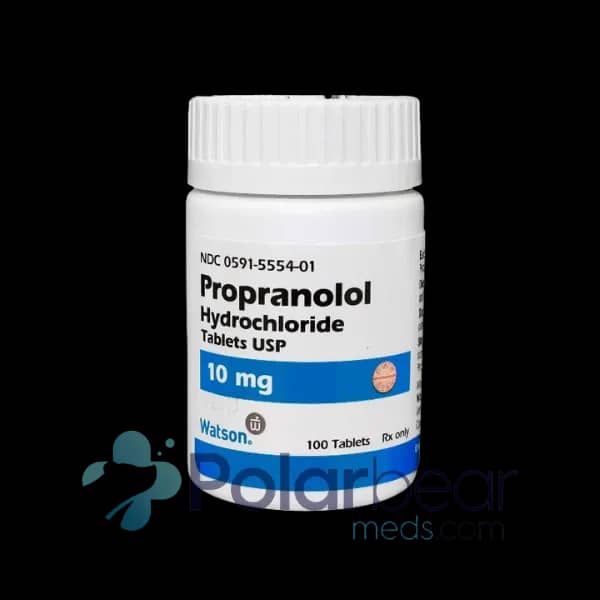
Propranolol Hydrochloride (Inderal) is a prescription medication that belongs to a class of drugs called beta-adrenergic blockers (beta-blockers). This medication works by blocking beta receptors in the heart and blood vessels, which helps reduce heart rate, blood pressure, and the workload on the heart. Propranolol is commonly prescribed to treat several cardiovascular conditions and to prevent migraines or tremors.
| Category | Information |
|---|---|
| Generic Name | Propranolol Hydrochloride |
| Brand Name | Inderal |
| Drug Class | Non‑selective beta‑adrenergic blocker (beta‑blocker) |
| FDA‑Approved Indications | • Hypertension (high blood pressure) • Angina pectoris (chest pain) • Certain cardiac arrhythmias, including atrial fibrillation and supraventricular tachycardia • Migraine prophylaxis • Post‑myocardial infarction (secondary prevention) • Essential tremor • Hypertrophic subaortic stenosis • Adjunct therapy in pheochromocytoma (with alpha‑blockers) |
| Dosage Forms | Tablets: 10 mg, 20 mg, 40 mg, 60 mg, and 80 mg Extended-release capsules are available in some formulations. |
| Propranolol Warning | Abrupt discontinuation may cause exacerbation of angina or myocardial infarction. Taper gradually under medical supervision. |
| Common Side Effects | Fatigue, dizziness, bradycardia, GI upset, sleep disturbances |
| Serious Adverse Reactions | Bronchospasm (especially in asthma/COPD patients), severe bradycardia, hypotension, heart block, masking of hypoglycemia in diabetics |
| Contraindications | • Bronchial asthma or a history of bronchospasm • Sinus bradycardia or greater than first-degree heart block • Known hypersensitivity to Propranolol • Cardiogenic shock |
| Precautions | • Use with caution in diabetes (may mask hypoglycemia symptoms) • Monitor patients with thyroid disease, renal/hepatic impairment • Avoid abrupt withdrawal |
| Pregnancy | Use during pregnancy only if the potential benefit justifies the potential risk to the fetus |
| Storage | Store at 20°C and 25°C (68°F to 77°F). Protect from moisture and heat. |
| Legal Status | Prescription only (Rx only) |
← Swipe to see more →

Propranolol Hydrochloride (Inderal) is indicated for:

Important Warning: Abrupt Discontinuation of Propranolol
Abrupt cessation of therapy with Propranolol Hydrochloride in patients with coronary artery disease might lead to exacerbation of angina pectoris and, in some cases, myocardial infarction.
When discontinuing therapy, the Propranolol dosage should be gradually reduced over several weeks, and patients should be carefully monitored. If acute coronary insufficiency develops or angina worsens, Propranolol therapy should be reinstated immediately, at least temporarily.
Patients should be warned not to stop taking Propranolol Hydrochloride without consulting their healthcare provider.

Do not take Propranolol Hydrochloride if you have any of the following conditions:
Patients with these conditions may experience serious complications if treated with Propranolol.
Before taking Propranolol Hydrochloride, inform your healthcare provider about all medical conditions and medications you take.
Heart Failure
Abrupt Discontinuation
Bronchospastic Disease
Diabetes and Hypoglycemia
Thyroid Disorders
Surgical Procedures

Propranolol may cause side effects in some people. These effects are generally related to its action on the heart, blood vessels, and nervous system. This is not a complete list of possible side effects. Contact your doctor or healthcare provider if you experience persistent or severe symptoms. You may report Propranolol side effects to the FDA MedWatch program at 1-800-FDA-1088 or www.fda.gov/medwatch.
| Common Side Effects of Propranolol Hydrochloride | Serious/Rare Side Effects of Propranolol Hydrochloride |
|---|---|
| Fatigue or tiredness | Severe bradycardia (very slow heart rate) |
| Dizziness or lightheadedness | Low blood pressure (hypotension) |
| Cold hands or feet | Worsening heart failure |
| Nausea or stomach discomfort | Bronchospasm or breathing difficulties |
| Diarrhea or constipation | Heart block or irregular heartbeat |
| Sleep disturbances or vivid dreams | Severe allergic reactions (rash, swelling, difficulty breathing) |
| Weakness | Severe dizziness or fainting |
← Swipe to see more →
Follow these general administration guidelines when taking Propranolol:
Your healthcare provider may adjust your dose gradually depending on how well the medication works and whether you experience any side effects.
The half-life of Propranolol Hydrochloride is typically about 3–6 hours, meaning half of the drug leaves the body within that time.
However, it usually takes about 24–48 hours for Propranolol to be mostly cleared from the body after the last dose. Although its effects on heart rate and blood pressure may last longer in some individuals.

Propranolol Hydrochloride works by blocking the action of certain natural chemicals in the body, like epinephrine (adrenaline), on beta receptors in the heart and blood vessels.
By blocking these receptors, Propranolol:
These effects help improve blood flow and reduce strain on the heart. Propranolol also affects beta receptors in other parts of the body, including the brain and blood vessels. This action helps explain why it is effective in preventing migraine headaches, controlling essential tremor, and managing certain heart rhythm disorders.
Propranolol Hydrochloride (Inderal) has different FDA‑approved dosage recommendations for adults and children depending on the indication.
| Indication | Typical Adult Dose | Administration Guidance |
|---|---|---|
| Hypertension | 40 mg twice daily | May be increased gradually; usual range 120–240 mg/day in divided doses. |
| Angina Pectoris | 40 mg two or three times daily | Adjust based on symptom control; usual range 120–240 mg/day. |
| Atrial Fibrillation (ventricular rate control) | 10–30 mg three to four times daily | Immediate‑release tablets are preferred for arrhythmia control. |
| Post‑Myocardial Infarction (secondary prevention) | 40 mg three times daily for 2–3 days, then 80 mg twice daily | Usual range 180–240 mg/day; reduces risk of recurrent MI. |
| Migraine Prophylaxis | 20–40 mg three or four times daily | Usual range 120–240 mg/day; extended‑release formulations may improve adherence. |
| Essential Tremor | 40 mg twice daily | May titrate up to 120–240 mg/day depending on response. |
| Hypertrophic Subaortic Stenosis | 20–40 mg three or four times daily | Usual range up to 240 mg/day; reduces heart rate and contractility. |
| Pheochromocytoma (adjunct therapy) | 40–80 mg three times daily | Always used with alpha‑blockers; never as monotherapy. |
← Swipe to see more →

While taking Propranolol, patients should avoid or use caution with:
Always consult a provider before starting new medications or supplements.

Taking too much Propranolol Hydrochloride may lead to an overdose, which may cause serious and potentially life-threatening symptoms. This is because the medication significantly slows the heart and lowers blood pressure.
Possible Symptoms of Propranolol Overdose
Symptoms may include:
In severe cases, an overdose might lead to cardiac arrest or shock.
What to Do in Case of Propranolol Overdose
If you or someone else may have taken too much Propranolol Hydrochloride, seek emergency medical attention immediately or contact a poison control center. Immediate treatment is important to prevent serious complications.

Propranolol Hydrochloride may interact with certain medications that affect heart rhythm, blood pressure, or the way the drug is metabolized in the body. Always inform your provider about all prescription drugs, OTC medicines, and supplements you are taking.
| Drug or Drug Class | Possible Interaction |
|---|---|
| Calcium channel blockers (e.g., verapamil, diltiazem) | May increase the risk of slow heart rate, low blood pressure, or heart block. |
| Antiarrhythmic drugs (e.g., amiodarone, quinidine) | May enhance cardiac conduction effects and increase the risk of arrhythmias. |
| Other antihypertensive medications | May cause additive blood pressure‑lowering effects. |
| Digoxin | May increase the risk of bradycardia and heart conduction abnormalities. |
| Nonsteroidal anti‑inflammatory drugs (NSAIDs) | May reduce the blood pressure‑lowering effect of Propranolol. |
| Antidiabetic medications (insulin or oral agents) | Propranolol may mask symptoms of hypoglycemia, such as a rapid heartbeat. |
| Certain antidepressants (e.g., fluoxetine, paroxetine) | May increase Propranolol levels in the body, raising the risk of side effects. |
| Clonidine | Abrupt withdrawal of clonidine while taking Propranolol may cause severe rebound hypertension. Doctors usually discontinue Propranolol several days before stopping clonidine. |
← Swipe to see more →

If Propranolol Hydrochloride is not suitable, healthcare providers may prescribe other beta-blockers or medications, including:
Patients should only switch medications under the guidance of a healthcare provider, as dosing and suitability may vary depending on individual health conditions.

At Polar Bear Meds, we help make Propranolol Hydrochloride more affordable while maintaining pharmacy regulatory standards by sourcing medications through licensed Canadian pharmacies. Patients who order Propranolol Hydrochloride online with a valid prescription through Polar Bear Meds may benefit from:
New customers may save even more by using the Propranolol Hydrochloride coupon code “WELCOMEPB10” for an extra 10% off. No insurance is required, and there are no hidden fees. Most orders are processed promptly and shipped using reliable delivery services such as Xpress Post, with typical delivery times of 3–5 business days. Shipping times & prices may vary depending on location and pharmacy fulfillment.

This information is for educational purposes only and should not substitute for medical advice, diagnosis, or treatment. Propranolol Hydrochloride is a prescription medicine and should be taken only as directed by your prescriber. This is particularly important if you have underlying health conditions, are pregnant, breastfeeding, or using other medicines.


Learn more about Propranolol Hydrochloride and related topics



We offer competitive pricing on all our medications. We'll match if you find a lower price on an identical product at a verified Canadian online pharmacy!
To Place Order, call 1-(888) 478-2193 or fill out the Contact Form
Rated 4.9/5 Verified Reviews on Shopper Approved
