

Can Glp‑1 Drugs Cause Depression or Vision Issues?
GLP-1 medications can trigger both mood and vision-related complications. Studies indicate a 195% higher risk of major depression among users, while vision issues range from temporary blurred vision to serious conditions such as non-arteritic anterior ischemic optic neuropathy (NAION).
Rapid blood sugar changes may worsen diabetic retinopathy in some patients. Regular monitoring by healthcare providers and eye care professionals is essential for early detection and management. Understanding these potential risks helps patients arrive at knowledgeable conclusions about their treatment options.
Key Takeaways
- GLP-1 drugs are associated with a 195% higher risk of major depression, with symptoms potentially emerging shortly after treatment begins.
- These medications can cause temporary blurred vision and increase the risk of permanent vision loss through NAION.
- Rapid blood sugar changes from GLP-1 drugs may worsen diabetic retinopathy and other existing eye complications.
- Patients using GLP-1 medications face an elevated risk of developing neovascular age-related macular degeneration.
- Regular eye examinations are essential for early detection of complications, especially for patients with diabetes or pre-existing eye conditions.
Can GLP-1 drugs affect mood and cause depression
While GLP-1 receptor agonists (GLP-1 RAs) have shown remarkable effectiveness for weight loss and diabetes management, emerging evidence suggests these medications may influence mood and mental health in complex ways. Research has revealed concerning associations, with one study showing a 195% higher risk of major depression among GLP-1 RA users.
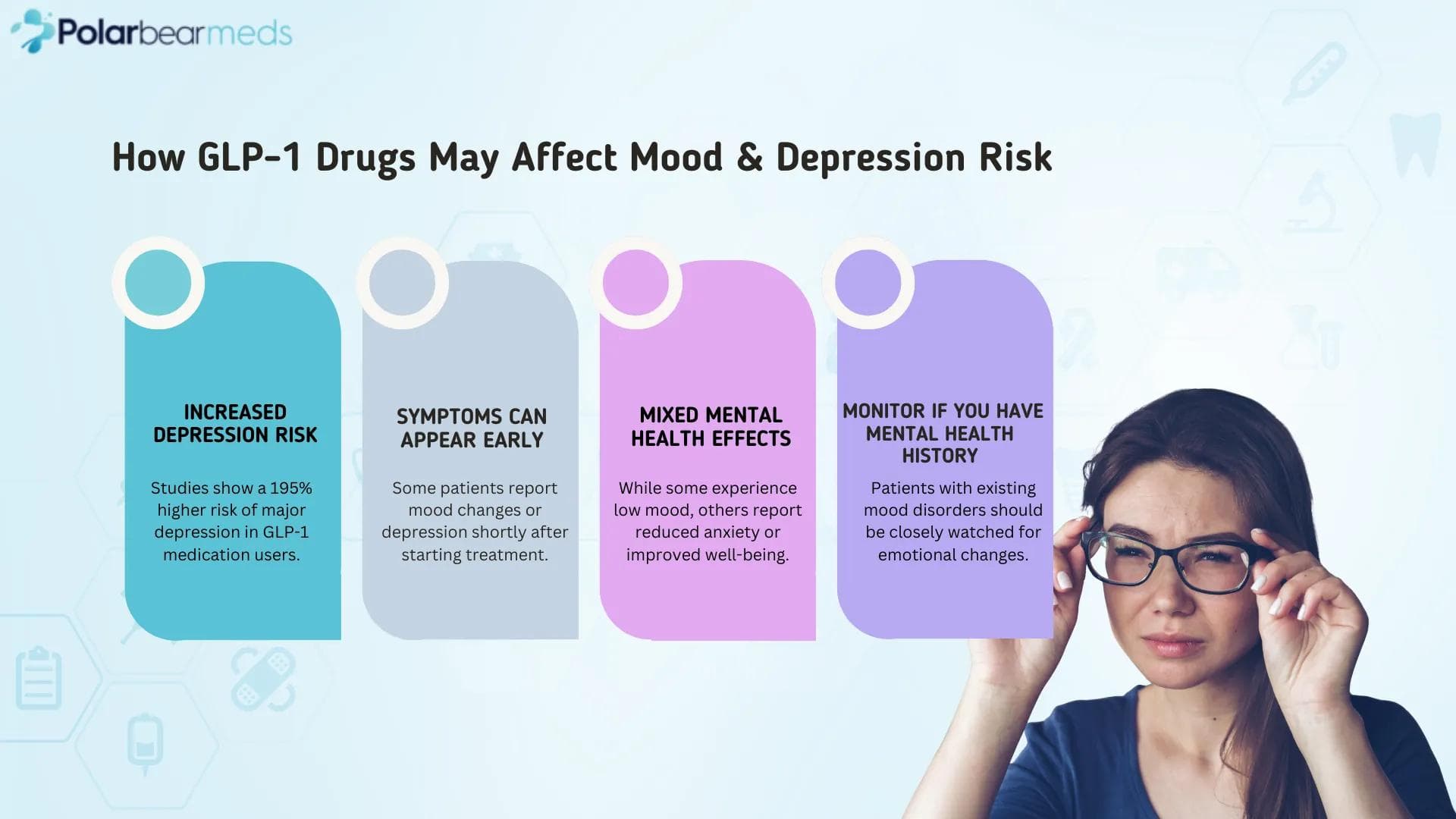
The relationship between these medications and mental health appears multifaceted. Case studies have documented depressive symptoms emerging shortly after starting treatment, with improvements following discontinuation. However, some real-world data actually shows reduced anxiety risk in diabetes patients using these drugs.
Multiple mechanisms might explain these effects, including the medication's influence on inflammation, hormones, and glycemic control. The rapid lifestyle changes and weight loss associated with GLP-1 RAs may also impact mood both positively and negatively.
While the FDA found no conclusive evidence linking these drugs to suicidal thoughts, ongoing monitoring remains essential, particularly for patients with psychiatric histories.
What to know about vision changes and eye risks on GLP-1 medications
Though GLP-1 medications have proven effective for weight loss and diabetes management, patients should be aware of potential vision-related complications ranging from temporary changes to serious risks. Blood sugar fluctuations from these medications can cause temporary blurred vision, particularly during early treatment phases.
More serious concerns include the risk of non-arteritic anterior ischemic optic neuropathy (NAION), which can cause permanent vision loss. Moreover, diabetic patients may experience worsening of diabetic retinopathy due to rapid blood sugar changes. Research has also identified a small but increased risk of developing neovascular age-related macular degeneration in some users.
Given that approximately 6% of U.S. adults use GLP-1 receptor agonists, healthcare providers emphasize the importance of regular eye monitoring. Patients should undergo dilated eye examinations before starting treatment and maintain vigilant screening throughout therapy, especially those with pre-existing eye conditions or diabetes.
How drugs like Ozempic may impact blood sugar and eye health
While GLP-1 receptor agonists such as Ozempic transform diabetes and weight loss treatment, their effects on blood sugar regulation directly influence eye health in complex ways. These medications effectively lower blood glucose levels, but rapid reductions can potentially trigger or worsen existing eye complications in some patients.
Research indicates that approximately 6% of U.S. adults use GLP-1 drugs, prompting heightened attention to ocular side effects. While serious vision complications remain rare, conditions similar to nonarteritic anterior ischemic optic neuropathy (NAION) and diabetic retinopathy have been documented. The mechanism involves sudden blood sugar changes that may destabilize retinal blood flow or compromise optic nerve function.
Studies show a slight increase in diabetic retinopathy incidence among GLP-1 users, though the risk of major complications and blindness may actually decrease. Healthcare providers now recommend regular eye screenings for patients starting these medications, particularly those with pre-existing diabetes-related eye conditions.
Warning signs of eye conditions to watch for when starting GLP-1 therapy
Patients initiating GLP-1 therapy must vigilantly monitor specific vision changes that could signal serious eye complications. The most critical warning sign is sudden, painless vision loss in one eye, which may indicate nonarteritic anterior ischemic optic neuropathy (NAION). This condition can develop rapidly after starting treatment and often results in permanent vision damage if not addressed immediately.
- Visual field defects, particularly loss of vision in upper or lower fields, combined with optic nerve swelling or inflammation, require urgent medical evaluation
- Sudden blurred vision, double vision, or new blind spots might indicate optic nerve stress or retinal complications
- Patients with pre-existing conditions such as diabetes, hypertension, or previous eye problems face increased risks and should maintain frequent eye examinations
Regular monitoring through coordinated care between endocrinologists and eye specialists helps detect early warning signs, enabling swift intervention before vision loss becomes irreversible.
Why regular eye exams matter if you are taking GLP-1 drugs
Building upon the importance of recognizing warning signs, regular eye examinations serve as a fundamental protective measure for individuals taking GLP-1 medications. These exams enable healthcare providers to monitor for potential complications, including diabetic retinopathy and macular edema, which can develop or worsen due to rapid blood sugar changes associated with GLP-1 therapy.
Regular monitoring becomes particularly important since GLP-1 medications may influence various aspects of ocular health. Eye care professionals can track retinal blood vessel changes, assess optic nerve health, and detect early signs of conditions such as NAION through thorough examinations.
While studies suggest GLP-1 drugs may actually lower the risk of certain vision-threatening complications in type 2 diabetes patients, consistent surveillance remains essential. Through advanced imaging techniques such as optical coherence tomography, doctors can identify and address potential issues before they progress to severe vision impairment, ensuring peak eye health throughout treatment.
Balancing the benefits of weight loss with potential mood and vision side effects
Although GLP-1 medications have demonstrated remarkable success in weight management, healthcare providers must carefully weigh these benefits against potential psychiatric and vision-related complications. Research indicates complex interactions between weight loss, mood, and overall well-being, with some patients experiencing improved mental health while others face increased risks of depression or anxiety.
- GLP-1 drugs can lead to a 195% higher risk of major depression, though the positive effects of weight loss often contribute to better self-image and reduced inflammation-related symptoms.
- While direct vision impairment from GLP-1 medications remains unproven, regular eye monitoring is essential due to potential indirect effects from blood sugar fluctuations.
- Patients with preexisting psychiatric conditions require particularly careful observation, since rapid lifestyle changes and metabolic adjustments can trigger or intensify mood disorders.
The key lies in personalized monitoring and maintaining open communication about both physical and emotional changes throughout treatment.
Frequently Asked Questions
Vision side effects from GLP-1 medications vary by individual. NAION-like damage can be permanent. Recovery timeline remains unknown, with some patients experiencing permanent vision changes.
Glasses and contacts only correct refractive errors and cannot prevent GLP-1-related vision complications. Regular eye exams are necessary to monitor risks.
Older adults age 66+ with diabetes have increased risk of GLP-1 drug eye complications, especially with diabetic retinopathy or small optic nerve cup-to-disc ratios.
Vitamins A, E, B12, and iron-containing multivitamins may support eye health during GLP-1 medication use by addressing nutrient deficiencies and maintaining retinal function.
Previous eye surgeries may increase GLP-1 treatment risks by exacerbating diabetic retinopathy, NAION, and macular edema.