Red Flags: How to Spot Counterfeit Ozempic Pens and Fake Semaglutide
Several key indicators help identify counterfeit Ozempic pens, including mechanical irregularities, poor-quality labels, and incorrect lot numbers. Authentic pens feature unique 2D barcodes, verifiable serial numbers, and precise dose counters matching their strength specifications.
The FDA warns that fake products may contain unknown ingredients or incorrect dosages, posing serious health risks. Patients should only purchase from licensed pharmacies with valid prescriptions to guarantee authenticity. Further investigation reveals additional significant verification methods.
Key Takeaways
- Verify lot numbers and serial numbers against known counterfeit batches, particularly lots PAR0362 and NAR0074 which have been identified as fake.
- Check for high-quality packaging with clear printing, properly aligned labels, and authentic 2D barcodes that can be verified.
- Examine the pen's mechanical function, as counterfeits often have irregular dial movements or dose counter display issues.
- Ensure all needle components are sterile and securely packaged, as fake products frequently have compromised or missing safety features.
- Purchase only from licensed pharmacies with valid prescriptions, avoiding online retailers or unauthorized sellers offering discounted prices.
Why the FDA Is Warning About Counterfeit Ozempic and Semaglutide
With the popularity of Ozempic continuing to surge for both diabetes management and weight loss, the FDA has issued urgent warnings about counterfeit versions of the medication entering the market. These fake products pose significant health risks due to unknown ingredients and compromised quality standards.
The FDA's investigation reveals that counterfeit Ozempic may contain incorrect amounts of semaglutide or lack the active ingredient entirely, leading to unreliable treatment outcomes. Working closely with manufacturer Novo Nordisk, authorities are actively monitoring distribution channels and removing fake products from circulation.
Healthcare providers and patients should remain vigilant, since these counterfeits have been identified in multiple countries, including the United States. The FDA emphasizes that obtaining Ozempic only through licensed pharmacies with authorized distributors is essential for ensuring authenticity and safety. Suspicious products should be reported immediately to regulatory authorities to protect public health and maintain treatment integrity.
The Latest Fake Ozempic Alerts and Seized Lot Numbers to Know
Recent FDA alerts have identified specific lot numbers of counterfeit Ozempic products circulating in the U.S. pharmaceutical supply chain. The most recent seizures in April 2025 revealed counterfeit lot number PAR0362, with serial numbers beginning with 51746517. This follows the December 2023 revelation of fake lot NAR0074, bearing serial number 430834149057.
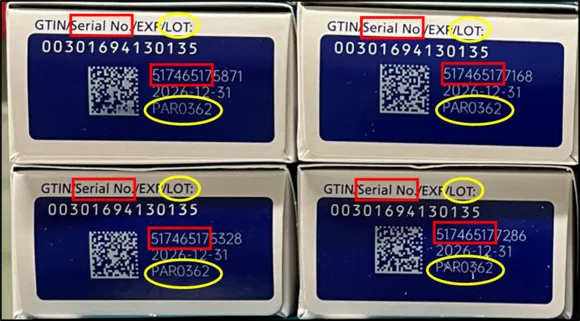
The FDA seized hundreds of counterfeit Ozempic units after Novo Nordisk raised concerns about unauthorized products entering the legitimate supply chain. These fake pens contained multiple counterfeit components, including labels, cartons, and potentially unsafe needles.
While several adverse events have been reported in connection with these counterfeits, none have been conclusively linked to the fake products. Healthcare providers and patients should verify lot numbers before using any Ozempic products and obtain medications only through authorized distributors to guarantee authenticity and safety.
How to Check Ozempic Packaging, Labels, and Serial Numbers
Several critical authentication features distinguish genuine Ozempic pens from counterfeit products in the marketplace. For authentic Ozempic, each package displays a unique 2D barcode and serial numbers that can be verified through official electronic systems. The packaging includes specific NDC codes, with blue-label 1mg pens showing 0169-4130-01 for the pen and 0169-4130-13 for the carton.
To identify counterfeit products, examine the labels for print quality, alignment, and consistency. Authentic Ozempic pens feature clear, properly aligned text without smudges. The dose counter should display specific numbers - 0 and 1 for 1mg pens, 0 and 2 for 2mg pens.
Package leaflets must contain thorough usage instructions and safety warnings that meet regulatory standards. Most importantly, serial numbers should be scanned and verified as active in official databases before use, since inactive or unrecognized numbers indicate falsified products.
Common Signs Your Ozempic Pen Might Be Counterfeit
Identifying counterfeit Ozempic pens extends beyond package verification to the physical characteristics of the pen itself. Users should watch for mechanical irregularities that deviate from authentic semaglutide delivery devices, such as dose dials that unexpectedly extend or shift during adjustment, or unusual resistance while setting injection amounts.
Key physical indicators of counterfeit medicine include incorrect pen colors, particularly blue end caps instead of gray ones, and labels that peel easily or display poor print quality. The needle components require careful scrutiny - authentic Ozempic pens come with a specific number of properly fitted, sterile needles, while counterfeits may have loose or questionable attachments that compromise safety.
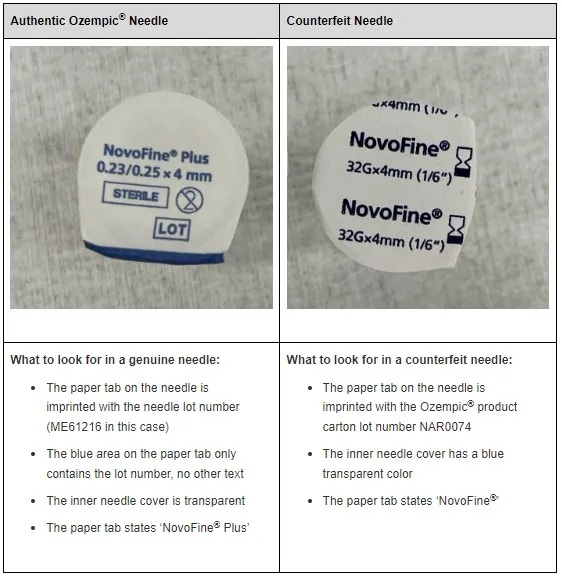
Users should also be alert to unexpected side effects or unusual responses to the medication that differ from typical Ozempic reactions. Instruction materials containing spelling errors, wrong language options, or missing safety information further signal potential counterfeits that could endanger patient health.
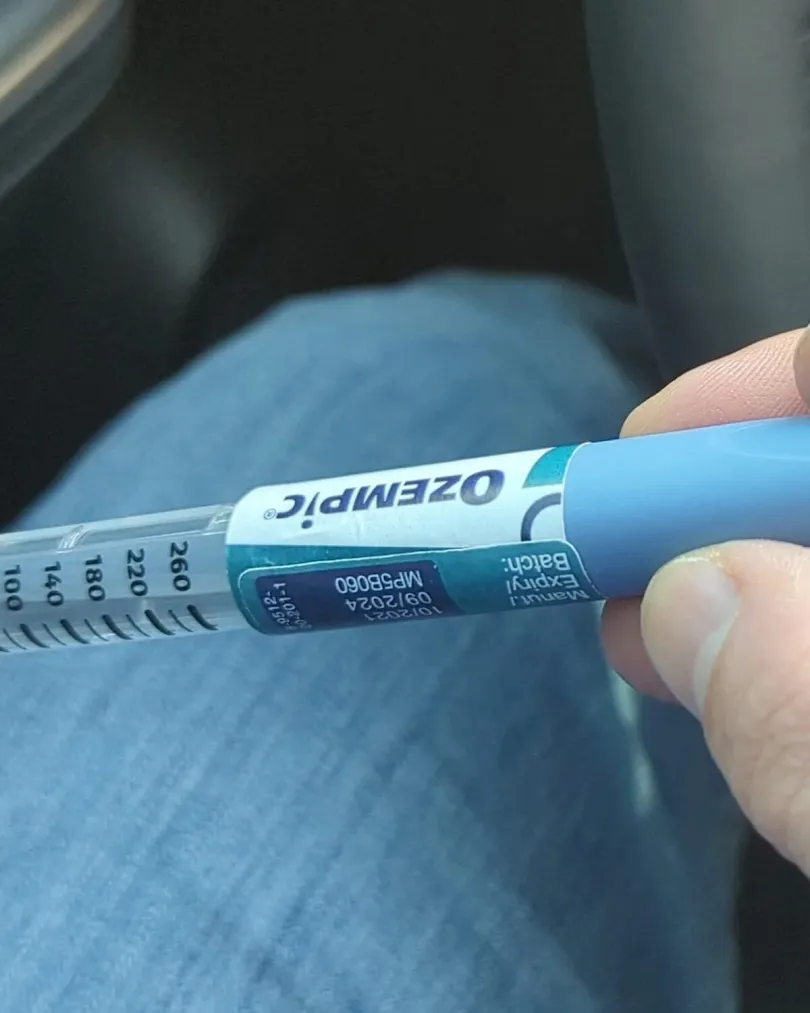
What to Do and Who to Contact If You Suspect a Fake Pen
Upon uncovering a suspected counterfeit Ozempic pen, patients should take immediate action by contacting relevant regulatory authorities and healthcare providers. In the United States, reports can be filed directly with the FDA through their website or local consumer complaint coordinators. For those in the EU, national competent authorities and the EMA handle such reports, while Australian residents should contact the TGA.
When filing a report about a counterfeit pen, individuals should document any adverse events experienced and provide detailed information about packaging irregularities, including batch numbers and serial numbers. Healthcare professionals and patients alike are encouraged to retain the suspicious product and packaging for investigation.
The manufacturer, Novo Nordisk, can also assist with product verification. Prompt reporting not only protects individual health but also helps authorities track and remove dangerous counterfeits from circulation, safeguarding the broader community from potentially life-threatening products.
Safe Ways to Buy Real Ozempic — Licensed Pharmacies Only
The safest path to obtaining genuine Ozempic leads directly through licensed pharmacies with valid prescriptions from authorized healthcare providers. Legitimate pharmacies, whether brick-and-mortar or online, must meet strict FDA requirements and state regulations to dispense this medication. These standards guarantee patients receive authentic, properly stored, and safely handled Ozempic pens.
- Verify pharmacy credentials through state board directories and look for FDA compliance certifications before making any purchases
- Expect to pay standard market prices ($890-$1000 monthly without insurance) through legitimate channels - substantial discounts from unknown sources signal potential counterfeits
- Use only FDA-approved Ozempic products from licensed pharmacies, avoiding compounded semaglutide from unauthorized sources
Insurance coverage and manufacturer savings programs can make authentic Ozempic more affordable, but only at the time of being obtained through proper channels. Patients should always prioritize safety over cost savings when seeking this medication.
Frequently Asked Questions
No. Counterfeit Ozempic pen refills are dangerous, causing infections and incorrect dosing. Contents are unverified and non-sterile.
Counterfeit Ozempic primarily originates from wholesalers in Austria, Germany, and parts of Africa, with major distribution networks in Brazil.
Yes, but only if you can prove authenticity issues through the manufacturer or an authorized pharmacy. Claims from unauthorized sellers are typically denied.