Natural Replacement for Metformin: The 2026 Guide to Metabolic Synergists
HOME | DIABETES EDUCATION | NATURAL REPLACEMENT FOR METFORMIN
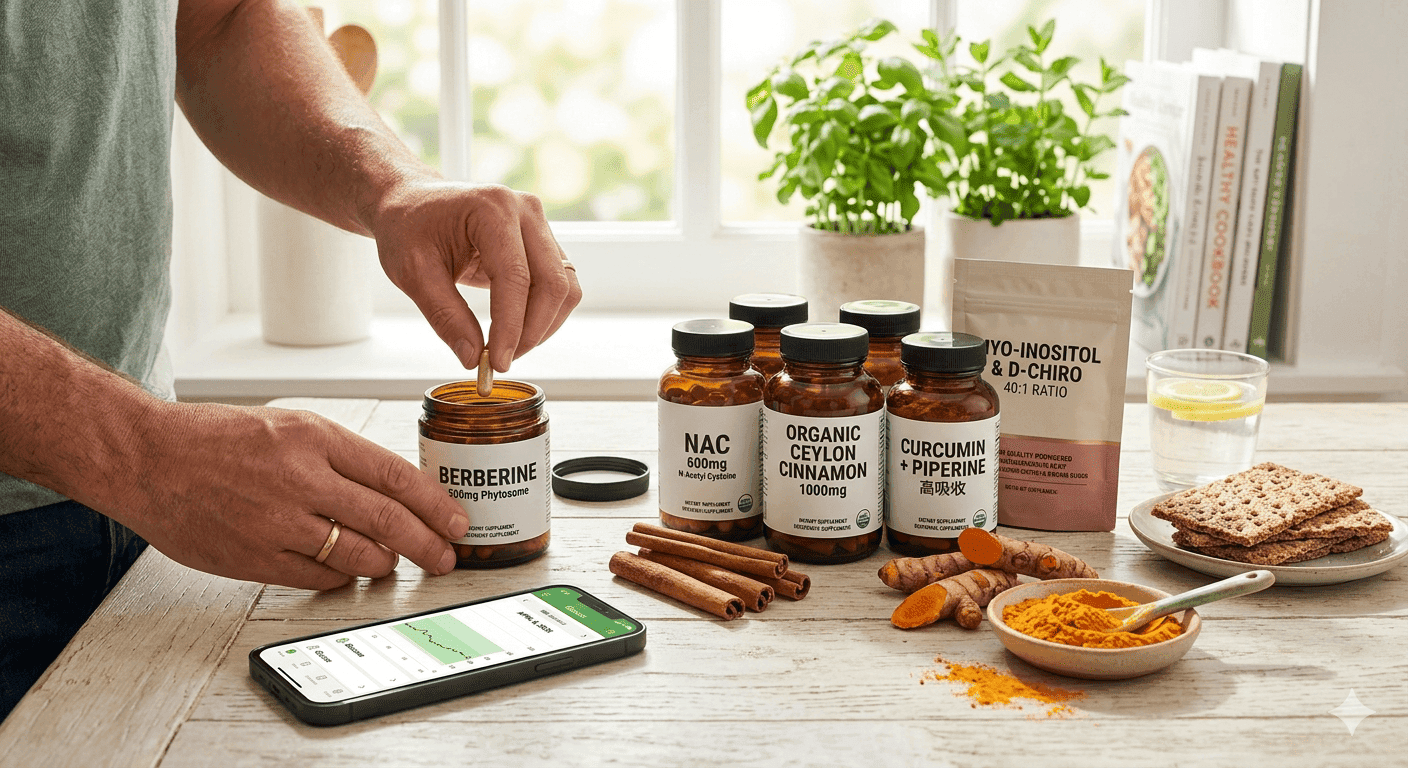
While Metformin remains the frontline gold standard for Type 2 Diabetes, many patients in 2026 are seeking natural alternatives due to gastrointestinal sensitivity or a preference for botanical interventions. The latest research highlights a "Triple-Threat" combination—Berberine, NAC, and Cinnamon—which mimics Metformin’s ability to activate the AMPK pathway (your body's master metabolic switch).
If you are exploring a natural replacement for metformin, understanding how these supplements interact with your insulin receptors is the first step toward successful glucose management.
Key Takeaways; Natural Replacement for Metformin
- Berberine (The "Botanical Metformin"): Clinical trials in 2025 confirmed that high-quality Berberine Phytosome can match 500mg of Metformin in lowering HbA1c.
- NAC (N-Acetyl Cysteine): Acts as a cellular "cleaner," reducing the oxidative stress that causes insulin resistance.
- Cinnamon (Ceylon): Improves the "lock and key" mechanism of insulin at the cellular level.
- The Inositol Synergy: Essential for those with PCOS-driven insulin resistance to regulate ovulation and metabolic rate.
N-Acetyl Cysteine Benefits
N-Acetyl Cysteine, or NAC, is a powerful antioxidant that helps fight off harmful free radicals in your body. It can also clear up mucus and reduce inflammation in your airways, making it easier to breathe.
This superhero supplement has been getting attention for its potential benefits in conditions like PCOS, cognitive decline, and psychiatric disorders.
Studies suggest that NAC may also improve insulin sensitivity and blood sugar levels, making it a great natural option for managing diabetes and improving overall health.
Berberine for Diabetes; Metformin Alternative
Berberine is a natural supplement that can help manage diabetes by lowering blood sugar levels and improving insulin sensitivity. It’s a good alternative to metformin with fewer side effects. Berberine also reduces cholesterol, blood pressure, and inflammation. This can help control type 2 diabetes effectively.
Berberine is great for lowering triglycerides and LDL cholesterol, which lowers the risk of heart problems. It’s like solving two problems at once: managing blood sugar and protecting your heart.
“Studies show that taking berberine can lower blood sugar levels to a similar extent as the popular diabetes drug metformin (3Trusted Source)”
Cinnamon’s Role in Glucose Control
Let’s talk about how cinnamon helps control glucose levels.
Cinnamon is more than just a tasty spice; it actually helps your body respond better to insulin, which is important for managing blood sugar. Studies show that cinnamon can also improve cholesterol and triglyceride levels, promoting heart health.
The active compounds in cinnamon act like insulin in the body, naturally regulating blood sugar.
Curcumin’s Insulin Sensitivity Effects
Curcumin, the active bioactive compound found in turmeric, is recognized in 2026 as a premier insulin sensitizer. Its primary role is to reduce "metabolic inflammation," which is often the root cause of insulin resistance in Type 2 Diabetes and PCOS.
- Fights Insulin Resistance: Curcumin helps your body’s cells respond more effectively to insulin, ensuring that blood sugar is moved out of the bloodstream and into the cells for energy.
- The Inflammation Shield: By blocking pro-inflammatory markers (like TNF-alpha), curcumin prevents the systemic "fire" that typically blocks insulin receptors.
- Pancreatic Support: 2026 clinical data suggests that curcumin helps protect Beta cells—the specialized cells in the pancreas responsible for producing insulin—from oxidative damage.
- Enhanced Glucose Metabolism: Much like a metabolic sidekick, it nudges your body to process glucose more efficiently, reducing the "spikes" that occur after meals.
Adding a high-bioavailability curcumin supplement (often paired with piperine or in a phytosome form) can be a powerful natural tool to manage insulin resistance. It works silently in the background, keeping your metabolic health in top shape while supporting overall longevity.
Myo-Inositol & D-Chiro Inositol Benefits
Myo-Inositol and D-Chiro Inositol are like a dynamic duo for improving insulin sensitivity and managing PCOS symptoms. They work together to regulate hormones, menstrual cycles, and overall health. These inositols are like superheroes fighting against PCOS symptoms and hormonal imbalances.
Here are the key benefits of Myo-Inositol and D-Chiro Inositol:
- Myo-Inositol and D-Chiro Inositol both improve insulin sensitivity.
- They also help reduce symptoms of PCOS.
- These inositols regulate hormones and enhance menstrual cycles.
- They support overall metabolic health.
Research shows that when Myo-Inositol and D-Chiro Inositol are used together, they’re even more effective in managing PCOS symptoms.
If you want a natural way to balance your hormones, improve insulin sensitivity, and boost your metabolic health, these inositols can be your super sidekicks!
N-Acetyl-Cysteine Dosage Guide
To use N-Acetyl-Cysteine (NAC) effectively, it’s important to know the right dosage. For adults, the recommended amount is usually between 600-1800mg per day. Your specific health needs and goals can influence the best dose for you, so talk to your doctor first.
NAC isn’t just for one thing – it’s like a multitool for your body. It helps with respiratory health, liver function, and works as a strong antioxidant. Some studies even show it can improve insulin sensitivity and glucose intolerance in certain cases. It’s a powerful little supplement!
NAC is typically gentle on most people, but it’s important to stick to the recommended doses to avoid any potential side effects. If you want to give your body extra support, NAC could be just what you need.
Berberine Vs. Metformin: A Natural Alternative to Metformin
Looking for a natural alternative to metformin? Consider Berberine. Berberine helps improve how your body responds to insulin, lowering blood sugar levels.
Studies show Berberine is as effective as metformin in managing glucose levels. It also helps with lipid metabolism and reducing cholesterol.
Berberine could be a great addition to your diabetes management routine. It acts as a sidekick supporting your metabolic health and keeping AMPK levels in check.
Berberine might just be the hero you need!
Cinnamon in Type 2 Diabetes Management
Adding cinnamon to your daily routine can help lower blood sugar levels and improve how your body uses insulin. Cinnamon can also lower cholesterol and triglyceride levels, which is good for your heart.
It helps your body process sugars better and may make insulin work more effectively. You can sprinkle cinnamon on your oatmeal or add it to your smoothies. Try cinnamon supplements too.
Embrace cinnamon to manage your blood sugar levels naturally and enjoy its potential benefits.
Curcumin for Improving Blood Sugar Regulation
Improve your blood sugar by using curcumin, a compound in turmeric. Curcumin fights diabetes by reducing inflammation, helping your body respond better to insulin and lower blood sugar levels.
It also protects pancreatic cells that make insulin, improving insulin sensitivity. Studies show that adding curcumin to your diet or taking a supplement can help manage diabetes.
Myo-Inositol & D-Chiro Inositol Sources
Boost your insulin sensitivity and tackle PCOS symptoms by including myo-inositol and D-chiro inositol in your diet. These compounds help control blood sugar, hormones, and reproductive health. Here’s how to get more of them:
- Put myo-inositol powder in your morning smoothie.
- Snack on chickpeas or lentils for D-chiro inositol.
- Add myo-inositol to baked goods for a sweet and helpful boost.
- Have almond milk with D-chiro inositol for a tasty way to manage PCOS symptoms.
N-Acetyl-Cysteine Side Effects
While N-Acetyl Cysteine (NAC) is a highly regarded antioxidant in 2026 for its role in respiratory health and insulin sensitivity, it can cause specific side effects depending on the dosage and individual tolerance.
Common Side Effects
Most people tolerate NAC well at standard doses ($600\text{mg}$ to $1,800\text{mg}$ per day), but the following mild issues may occur:
- Gastrointestinal Distress: This is the most frequent complaint. It includes nausea, vomiting, abdominal cramps, or diarrhea.
- The "Sulfur" Aftertaste: Because NAC is a sulfur-containing amino acid, it has a distinct smell and taste (similar to rotten eggs) that can cause temporary nausea or "sulfur burps."
- Headaches and Fatigue: Some users report mild lightheadedness or a "brain fog" feeling during the first few days of supplementation.
Rare but Serious Side Effects
If you experience any of the following, you should stop use and consult a healthcare provider immediately:
Allergic Reactions: Though rare, some individuals develop a rash, hives, itching, or—in extreme cases—difficulty breathing (anaphylaxis).
Low Blood Pressure: NAC can occasionally cause a drop in blood pressure, leading to dizziness or fainting.
Kidney Stones: There is a theoretical risk that high-dose NAC could contribute to the formation of cystine kidney stones. Drinking plenty of water ($2\text{L}$ to $3\text{L}$ daily) is recommended to mitigate this.
Take Control of Your Metabolic Health Naturally
Making the switch from pharmaceuticals to a natural protocol is a significant step in your wellness journey. Whether you are looking for the "Botanical Metformin" effects of Berberine, the cellular protection of NAC, or the hormonal balance of Inositol, quality and purity are the most important factors for success in 2026.
At PolarBearMeds, we bridge the gap between traditional and alternative care. We provide access to high-potency, clinically-backed supplements and medications to help you manage your glucose levels on your own terms.
Frequently Asked Questions
Yes, you can try berberine instead of metformin for managing diabetes. Berberine is effective in improving insulin sensitivity and lowering blood sugar levels. Talk to your doctor before making any changes for safe and effective treatment.
Yes, berberine helps with weight loss by activating AMPK, which helps burn fat and improve insulin sensitivity. It also regulates glucose and lipid metabolism. You can try berberine as a natural way to manage your weight.
Doctors often prescribe metformin to lower A1c and help with weight loss. Metformin helps control blood sugar levels and can also assist in shedding pounds. It’s important to follow your doctor’s guidance on taking the medication and making lifestyle changes.
Yes, berberine can interact with medications that lower blood glucose levels and drugs metabolized by the liver. Before taking berberine, make sure to talk to your doctor to avoid any potential interactions with other medications you may be taking.