When to Hold Mounjaro Before Surgery in 2026: Anesthesia, Fasting & Updated Guidelines
Key Takeaways
- Never stop Mounjaro before surgery without explicit instructions from your medical team.
- Mounjaro slows stomach emptying, which is the main reason for special pre-surgery planning to prevent aspiration.
- Current 2026 U.S. guidance often recommends an individualized approach rather than automatically stopping Mounjaro one week before surgery.
- You can typically restart Mounjaro once you are comfortably eating normal solid foods again after surgery.
- Clear communication with your surgeon, anesthesiologist, and endocrinologist is the most important step for your safety.
If you are taking Mounjaro (tirzepatide) and are preparing for surgery, it's important to have a plan with your healthcare team. Mounjaro helps manage type 2 diabetes and is also prescribed for weight management, but it requires special consideration before procedures involving sedation or general anesthesia.
The core issue is that Mounjaro, like other GLP-1 receptor agonists, works by delaying gastric emptying. While this helps you feel full and manages blood sugar levels, it means food stays in your stomach longer. During anesthesia, this can increase the rare but serious risk of stomach contents entering the lungs, a complication called pulmonary aspiration.
Current recommendations from major U.S. anesthesia and gastroenterology societies emphasize an individualized approach for patients taking Mounjaro (tirzepatide) before surgery. Rather than automatically stopping the medication, many patients can continue treatment with appropriate pre-operative fasting and guidance from their healthcare team.
When should I hold Mounjaro or tirzepatide before surgery, and how can it affect blood sugar?
This is the most critical question. The short answer is: Do not stop your medicine on your own. Always follow the specific instructions from your surgeon and anesthesiologist, as plans can vary.
For years, the standard advice was to hold weekly injections like Mounjaro for one week before an elective surgery. The goal was to allow stomach emptying to return to normal to reduce aspiration risk.
Current U.S. multi-society clinical guidance recommends an individualized approach rather than automatically stopping weekly GLP-1 medicines before elective surgery. Your surgeon and anesthesiologist will evaluate your aspiration risk, digestive symptoms, procedure type, and diabetes management before deciding whether to continue or temporarily hold Mounjaro. This shift recognizes two key things:
- Stopping the medicine can cause blood sugar levels to rise, which, in turn, increases surgical risks such as infection.
- For long-acting weekly medicines, holding a single dose may not fully reverse the slowing of stomach emptying.
Your doctor will make the final call based on your situation. They may still recommend you hold your dose for a week if your surgery is very high-risk or if you have severe gastrointestinal symptoms. The key is having this conversation well in advance.
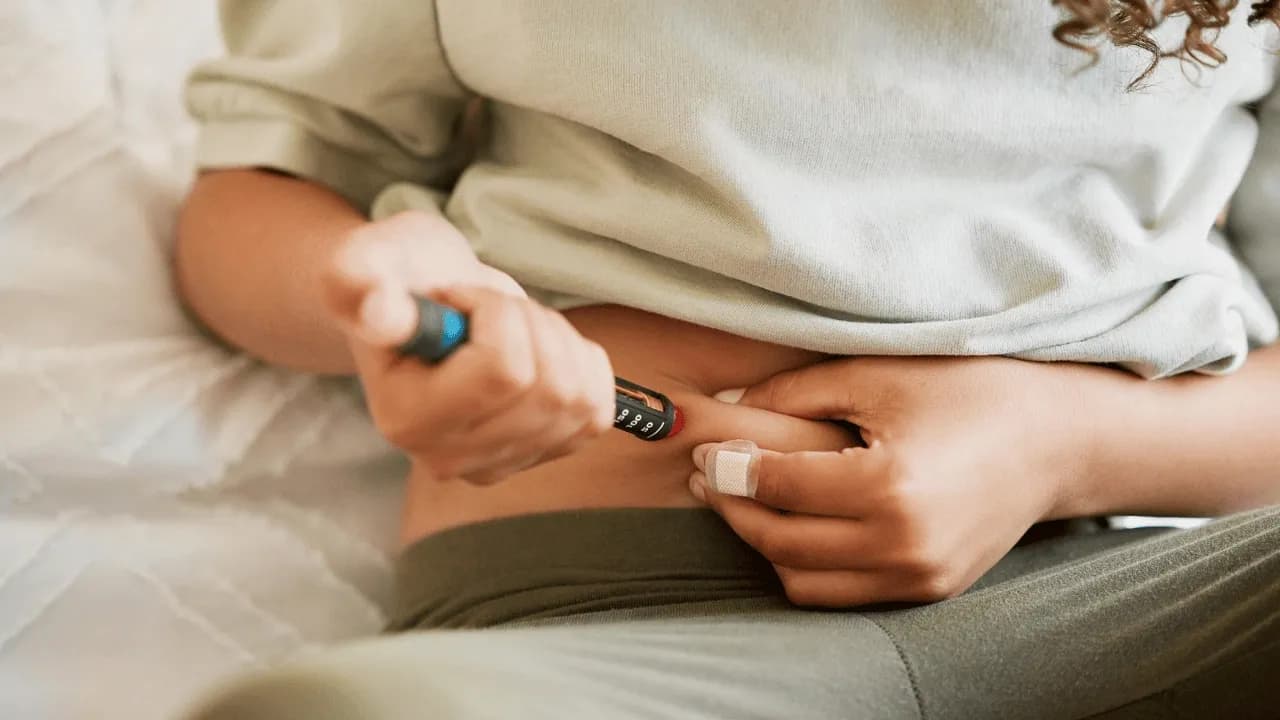
How does taking Mounjaro before surgery increase aspiration risk?
To stay safe during anesthesia, your stomach needs to be empty. Normally, you follow fasting rules (no food, only clear liquids) for 6-8 hours before a procedure. This standard practice is designed to prevent aspiration.
Mounjaro changes this equation. By design, it slows down the movement of food from your stomach into your intestines. This means that even if you follow the standard fasting rules perfectly, you might still have solid food or fluid in your stomach when anesthesia begins.
Under general anesthesia or deep sedation, your body's natural reflexes that prevent choking are suppressed. If there is leftover stomach content, it can passively "regurgitate" up the esophagus and be inhaled into the lungs. This is pulmonary aspiration. It can cause severe lung inflammation and pneumonia, and lead to serious complications, which is why preventing it is a top priority for anesthesia teams.
Recommended Approach in 2026 to Stop Mounjaro or GLP-1 Medicines Before Surgery
Because guidance has evolved, you may hear different recommendations. Here’s a summary of the current approaches:
- Most patients can continue Mounjaro before elective surgery.
- High-risk patients may still be advised to temporarily hold treatment.
- A 24-hour clear liquid diet may be recommended.
- Final decision depends on anesthesia team.
Your healthcare team may still recommend temporarily holding Mounjaro if:
- You are in the dose-escalation phase (first 4-8 weeks).
- You have nausea, vomiting, bloating, or abdominal fullness.
- Your planned procedure carries a higher risk of aspiration.
- Your hospital follows a protocol recommending holding GLP-1 medications weekly before surgery.
Ultimately, the decision is not one-size-fits-all. Your endocrinologist (who manages your diabetes) and your anesthesiologist will collaborate to balance the risks of high blood sugar from stopping the drug with the risks of aspiration from continuing it.
How do fasting and blood sugar monitoring change for patients who inject Mounjaro?
If you are taking Mounjaro, your pre-surgery fasting instructions may differ from standard recommendations depending on your individual risk factors and your surgical team's guidance.
Current U.S. clinical guidance supports a 24-hour clear-liquid diet before surgery for some patients at higher risk of delayed gastric emptying, while others may follow standard fasting instructions based on their healthcare team's assessment. Always follow the instructions provided by your surgeon or anesthesiologist, even if they differ from general recommendations.
Clear Liquids You Can Have (24+ Hours Before Surgery):
- Water
- Clear broth
- Black coffee or tea (no milk, creamer, or honey)
- Apple juice
- Clear sports drinks
- Gelatin (like Jello)
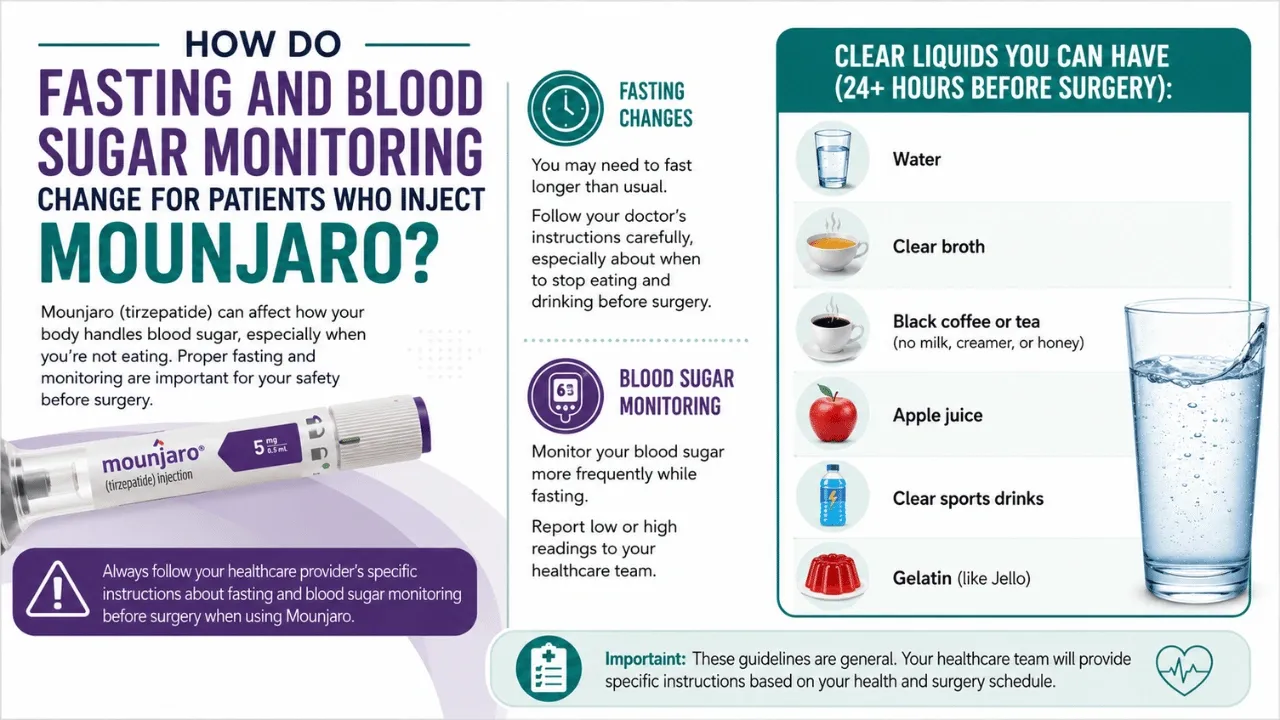
Whether you continue or temporarily hold Mounjaro, careful blood sugar monitoring remains important.
- If you CONTINUE Mounjaro: Monitor your levels closely as you switch to a liquid diet to avoid hypoglycemia (low blood sugar). Inform your anesthesiologist of your most recent readings.
- If you STOP Mounjaro: You risk hyperglycemia (high blood sugar). You may need to check your blood sugar more frequently in the days leading up to surgery. Your doctor may prescribe a short-term, alternative medicine to help manage your levels.
Example Fasting Schedule for Patients Taking Mounjaro
| Time Before Surgery | Standard Patient Instructions | Recommended Instructions for Mounjaro Patients |
|---|---|---|
| 24+ Hours | Regular diet | Clear liquid-only diet begins |
| 6-8 Hours | Stop all solid food | Continue clear liquids only |
| 2 Hours | Stop all liquids | Stop all clear liquids |
← Swipe to see more →
When is it safe to restart Mounjaro after surgery?
You can usually restart Mounjaro once you are back to eating your normal diet without nausea or vomiting. Do not inject it while you are only on clear liquids or not tolerating food.
Here is a typical safe restart plan:
- After Surgery: Focus on recovery. Follow your surgical team's advice on advancing your diet from liquids to solids.
- Check for Tolerance: Ensure you can eat solid food without feeling full quickly, nauseous, or experiencing other common side effects.
- Resume Your Dose: Once you are eating normally, you can take your next scheduled injection. There's no need to "make up" a missed dose. Just resume your regular weekly schedule. If more than one scheduled weekly dose has been missed, contact your prescribing healthcare provider before restarting treatment.
- Monitor Side Effects: Pay attention to your body. Post-surgery, you might be more sensitive to side effects like vomiting or constipation. Stay hydrated.
What to watch for:
- Blood sugar levels: Monitor them closely as you restart. Levels may fluctuate.
- Appetite and digestion: Be mindful of how you feel when eating your first full meals.
- Injection site: Use a clean, rotated site for your injection site as usual.
If you have any concerns about restarting, a quick call to your endocrinologist or surgeon's office can provide peace of mind.
What should I discuss with my doctor about Mounjaro and surgery?
Being an informed patient is your best tool for safety. Here is a checklist for your pre-operative appointments:
For Your Surgeon & Anesthesiologist
- Disclose Everything: Clearly state, "I take tirzepatide (Mounjaro) weekly for my type 2 diabetes." Also mention any other medications, such as insulin.
- Ask About Their Protocol: "What is your standard pre-op protocol for patients on GLP-1 medicines like mine? Should I continue or hold my dose?"
- Discuss Fasting: Confirm you understand the fasting instructions. "I understand I may need a 24-hour liquid diet. Can you provide written instructions?"
- Mention All Symptoms: Report any common side effects you've experienced, such as nausea, vomiting, bloating, or abdominal pain.
For Your Endocrinologist or Prescribing Doctor
- Create a Diabetes Plan: "I have surgery on [date]. What is our plan for managing my blood sugar levels before and after? Will we adjust my Mounjaro or insulin?"
- Plan the Restart: "When and how should I restart my Mounjaro after surgery?"
- Discuss Benefits: Remind yourself, "This medicine is important. It helps reduce my blood sugar and manage my weight, which aids my overall health for surgery and recovery."
When to Seek Help
Contact your doctor immediately if, after surgery, you experience:
- Severe chest pain or difficulty breathing.
- Uncontrolled nausea and vomiting that prevent you from keeping liquids down.
- Significant pain at the injection site that worsens, or signs of infection (redness, swelling, warmth).
- Confusion, dizziness, or other signs of very high or very low blood sugar.
Bottom Line: Mounjaro and Surgery in 2026
Current U.S. guidance supports an individualized approach for patients taking Mounjaro before elective surgery. Rather than automatically stopping treatment, healthcare teams evaluate each patient's aspiration risk, digestive symptoms, and procedure type before deciding whether to continue or temporarily hold tirzepatide. Always follow your surgeon's, anesthesiologist's, and prescribing healthcare provider's instructions instead of stopping the medication on your own.
Frequently Asked Questions
Yes, absolutely. The aspiration risk is related to the drug's effect on your stomach, not the reason you are taking it. You must inform your anesthesia team if you are using it for any reason.
In an emergency, anesthesiologists will assume your stomach is full and use special "full-stomach" induction techniques to protect your airway. It is crucial to tell them you are on Mounjaro as soon as possible.
Other diabetes medicines may also require temporary adjustment before surgery. For example, SGLT2 inhibitors are commonly stopped several days before surgery because of ketoacidosis risk, while insulin and metformin plans vary depending on the procedure, kidney function, and your healthcare team’s instructions.
No. Studies show that the slowing of gastric emptying is not reliably linked to symptoms. You should not assume you are low-risk just because you feel fine.
This is a bedside scan done on the day of surgery to visually check if your stomach is empty. Your anesthesiologist may recommend this if there's any doubt, especially if you couldn't follow the extended liquid diet.
Disclaimer
This article is for informational purposes only and should not replace medical advice from your healthcare provider. Always follow the instructions provided by your surgeon, anesthesiologist, and prescribing healthcare provider regarding Mounjaro before or after surgery.