

Zepbound Skin Sensitivity: Why Your Skin Hurts and How to Fix It
Starting a weight-loss journey with Zepbound (tirzepatide) can be encouraging, but some users report unusual sensations in their skin. This change, often called skin sensitivity, can make areas feel tender, tingly, or even mildly painful, sometimes even away from the injection site. For many, it feels like a light sunburn, pins-and-needles, or a subtle “electric” prickling, which can understandably cause concern.
In rare cases, some patients report symptoms consistent with allodynia, which is usually temporary and manageable. This may occur due to how the medication affects nerve signaling, although the exact mechanism remains unclear. By recognizing these symptoms early and applying simple strategies like rotating injection sites and monitoring changes, you can reduce discomfort. This guide explains why your skin reacts and how to manage it effectively.
Why Does Zepbound Cause Skin Sensitivity?
Zepbound (tirzepatide) may cause skin sensitivity primarily due to injection-site reactions or mild hypersensitivity responses. Some patients also report unusual sensations like tingling or tenderness, which may be related to localized skin or nerve sensitivity, although this is not fully understood.
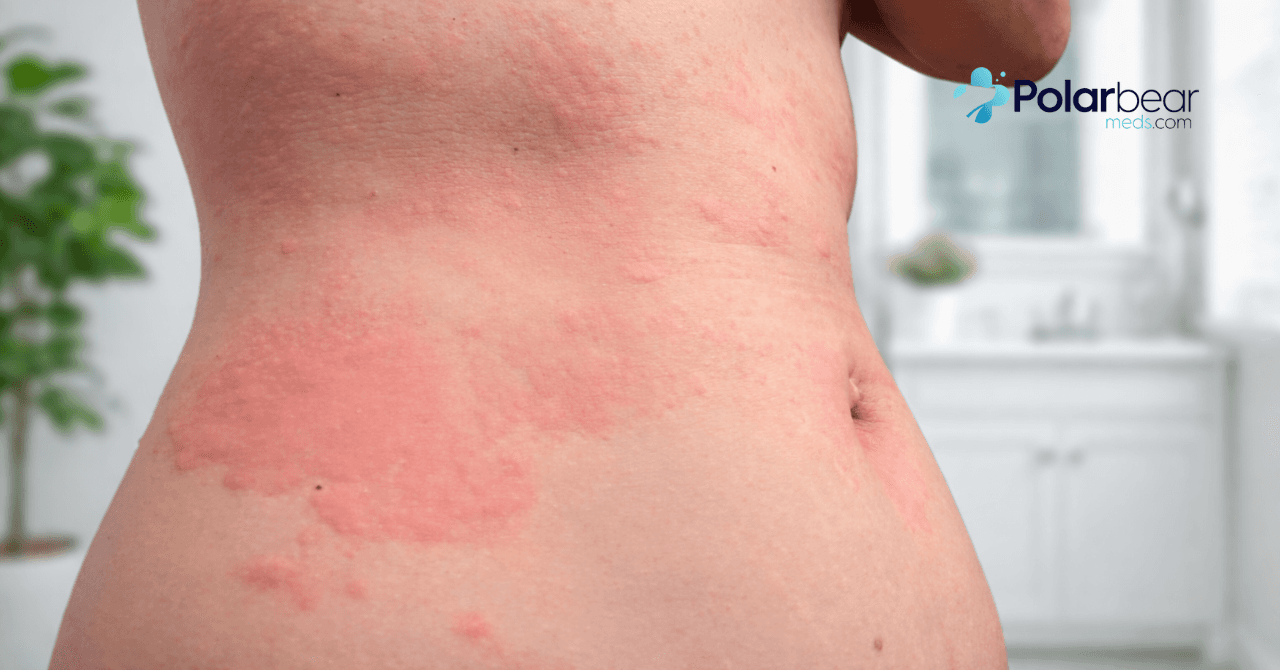
Several factors can influence these reactions:
- Injection technique: Incorrect needle angle or repeated use of the same site can worsen irritation.
- Individual response: Some people are more prone to temporary nerve sensitivity or minor inflammatory reactions.
- Medication action: Tirzepatide’s effect on the body may alter how nerves perceive sensations, sometimes resulting in tingling, burning, or mild tenderness.
Important Safety Information: Zepbound Boxed Warning
Zepbound (tirzepatide) carries an FDA boxed warning for a potential increased risk of thyroid C-cell tumors, based on animal studies. It is not known whether this risk applies to humans. Zepbound should not be used in patients with a personal or family history of medullary thyroid carcinoma (MTC) or in those with Multiple Endocrine Neoplasia syndrome type 2 (MEN 2).
“When your skin feels more sensitive, it’s usually your nerves talking, not your body rejecting the treatment”
Common Causes of Skin Sensitivity with Zepbound
Skin sensitivity from Zepbound (tirzepatide) is usually mild, but several common factors can make it more noticeable. Knowing these can help you manage reactions effectively and continue treatment safely.
1. Injection Site Reactions (ISRs)
These are the most common causes of skin sensitivity. Symptoms can include redness, itching, swelling, mild pain, or hardened skin (induration) around the injection area. ISRs typically appear within 1–2 days of injection and affect up to 8% of patients, according to studies on ScienceDirect.
2. Mild Allergic Reactions
Some individuals may experience a hypersensitivity response, leading to rashes, redness, or itching. These reactions are usually mild and result from the body responding to the medication or the injection device itself.
3. Allodynia or Dysesthesia
Rarely, Zepbound can trigger nerve-related sensitivity. Allodynia causes pain from normally non-painful stimuli, while dysesthesia refers to abnormal or unpleasant sensations on the skin. These reactions are linked to how the medication interacts with the nervous system, as noted in case studies on PubMed Central (PMC).
Recognizing these causes can help you distinguish between normal, manageable reactions and symptoms that may require professional attention.
Types of Skin Sensitivity Reactions with Zepbound
| Reaction Type | Description / Symptoms | Typical Onset | Severity | Management / Advice |
|---|---|---|---|---|
| Injection-Site Reaction | Redness, itching, swelling, and mild pain in the injection area | Hours to 1 day | Mild–Moderate | Rotate sites; cold compress; usually resolves |
| Localized Rash / Hives | Small red bumps, mild itching near the injection site or elsewhere | Hours to a few days | Mild | Antihistamines if advised; monitor for spreading |
| Allergic Reaction (Systemic) | Widespread hives, swelling of face/lips/tongue, breathing difficulty | Minutes to hours | Severe (Emergency) | Stop medication; seek urgent medical care |
| Skin Sensitivity / Tingling | Tingling, mild burning, tenderness (not always visible) | Within hours | Mild–Moderate | Often self-limiting; report if persistent |
| Rare Severe Skin Reactions | Blistering, peeling, severe rash | Variable, rare | Severe (Emergency) | Discontinue; immediate medical attention required |
← Swipe to see more →
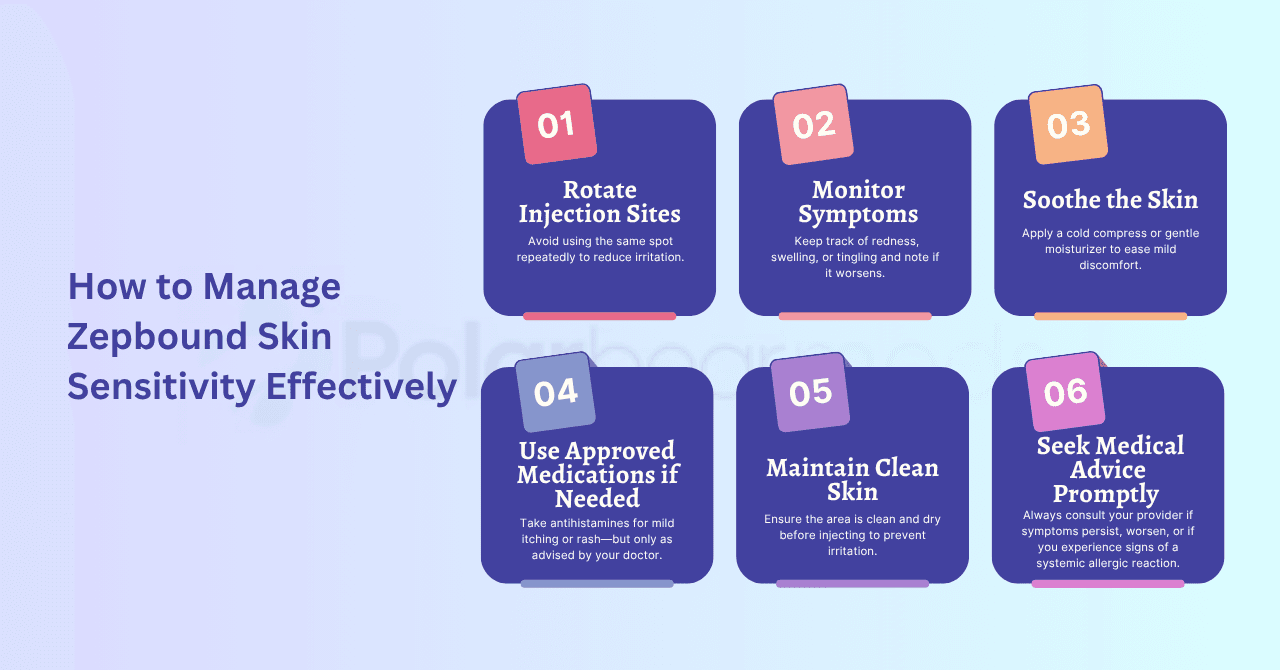
How to Manage Zepbound Skin Sensitivity Effectively
Step 1: Rotate Injection SitesAvoid using the same spot repeatedly to reduce irritation.
Step 2: Monitor Symptoms Keep track of redness, swelling, or tingling and note if it worsens.
Step 3: Soothe the SkinApply a cold compress or gentle moisturizer to ease mild discomfort.
Step 4: Use Approved Medications if NeededTake antihistamines for mild itching or rash—but only as advised by your doctor.
Step 5: Maintain Clean SkinEnsure the area is clean and dry before injecting to prevent irritation.
Step 6: Seek Medical Advice Promptly
Always consult your provider if symptoms persist, worsen, or if you experience signs of a systemic allergic reaction.
Patient Tip: Always refer to credible sources like the FDA-approved prescribing information and peer-reviewed studies for guidance.
When Should You Call Your Doctor?
- Persistent swelling, redness, or pain that doesn’t improve within a few days
- Widespread hives, itching, or rash
- Swelling of the tongue, lips, face, or throat
- Difficulty breathing or any other severe reaction
Mild tingling or tenderness is usually normal, but never ignore signs of a systemic allergic reaction.
Quick Checklist: Managing Your Zepbound Journey
| Checklist Item | What to Do | Status |
|---|---|---|
| Injection Routine | Rotate injection sites; keep skin clean and dry | ✔ / ✖ |
| Symptom Monitoring | Track redness, swelling, nausea, or tingling | ✔ / ✖ |
| Lifestyle Habits | Maintain a balanced diet, regular activity, good sleep, and stress control | ✔ / ✖ |
| Medication Consistency | Take Zepbound exactly as prescribed; avoid missed doses | ✔ / ✖ |
| Medical Review | Schedule regular check‑ins with your healthcare provider | ✔ / ✖ |
| Emergency Awareness | Seek immediate medical help for severe allergic reactions or breathing issues | ✔ / ✖ |
← Swipe to see more →
Note: This checklist is for general guidance only. Always follow your doctor’s instructions and seek medical advice if you experience persistent or severe Zepbound side effects.
What to Remember About Zepbound Skin Sensitivity
Skin sensitivity with Zepbound (tirzepatide) is usually mild, temporary, and manageable with proper care. Most reactions, like tingling or injection-site irritation, improve with simple steps such as rotating sites and monitoring symptoms. However, recognizing warning signs of Zepbound allergic reactions is essential. Staying informed and consulting your healthcare provider ensures safe, effective treatment throughout your weight-loss journey.
At Polar Bear Meds, we support your health journey with reliable access to quality medications like Zepbound Kwikpen, helping you stay on track safely.
Disclaimer: This article is intended for informational purposes only and is not a substitute for professional medical advice. All information has been carefully compiled from FDA-approved labeling, clinical studies, and peer-reviewed medical sources to ensure accuracy and reliability. However, individual responses to medication may vary. Always consult a licensed healthcare provider for personalized medical guidance.
Frequently Asked Questions
Yes. Mild itching or rash can occur, usually as part of an injection-site reaction or mild hypersensitivity. These are typically temporary, but severe or widespread Zepbound reactions require medical attention.
Zepbound (tirzepatide) may cause joint pain (arthralgia) in some patients, although it is not among the most common side effects. Clinical data primarily report gastrointestinal symptoms, but musculoskeletal discomfort has been reported in some cases. If joint pain is persistent or severe, consult your provider to rule out other causes.
In most cases, Zepbound skin sensitivity is not dangerous and is related to mild injection-site reactions or temporary irritation. However, it can be severe if it is part of a systemic allergic reaction, which may include facial or throat swelling, hives, or difficulty breathing. These symptoms require immediate medical attention and discontinuation of the medication.
Zepbound skin sensitivity is generally temporary and may last a few hours to a few days. Your provider should evaluate persistent or worsening symptoms.
Yes, in reported cases, allodynia or unusual skin sensitivity is usually temporary and improves as the body adjusts to Zepbound. Symptoms often resolve within a few days to weeks. If the sensation persists or worsens, medical evaluation is recommended to ensure safety.
Skin sensitivity with Zepbound (tirzepatide) is relatively uncommon. Clinical trials and FDA data show that injection site reactions (like redness or itching) occur in about 2%–8% of patients.
Broader skin-related hypersensitivity reactions occur in around 3%–4% of patients. Most cases are mild, temporary, and localized.


