Ordering your medication online is simple and convenient.
STEP 01
Select the prescribed dosage and quantity, then proceed to checkout.
STEP 02
Sign in or create a new account.
STEP 03
Upload your prescription.
STEP 04
Complete your purchase by processing the payment.
STEP 01
Select the prescribed dosage and quantity, then proceed to checkout.
STEP 02
Sign in or create a new account.
STEP 03
Upload your prescription.
STEP 04
Complete your purchase by processing the payment.
Shipping takes approximately 3-5 business days.
Our Pharmacy Reviews
Read what our customers have to say about their shopping experience.
Product Details
Description
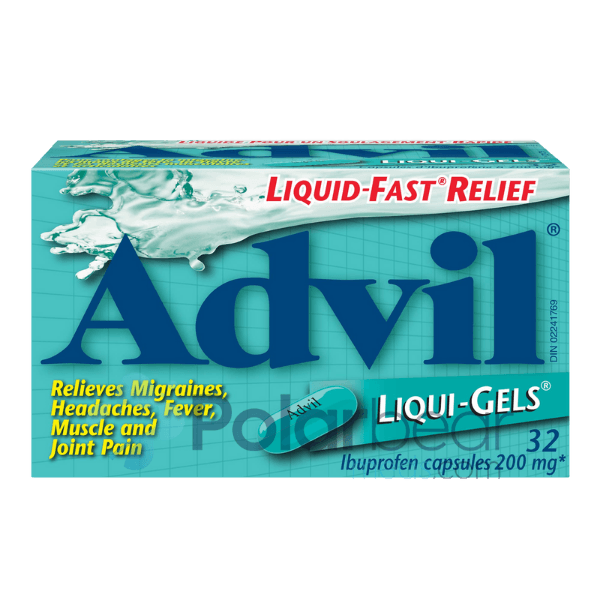
Advil Liqui-Gels is a nonsteroidal anti-inflammatory drug primarily indicated to manage fever and pain. Its active ingredient is ibuprofen, which functions by inhibiting the formation of prostaglandins that cause fever, pain, and inflammation. It is available in liquid-filled capsules, which come in 200mg and 400mg strengths, designed for fast absorption. Advil Liqui-Gels is suitable for use in adults and children aged 12 years and more. You should take one tablet every four to six hours while symptoms persist. You should consult a healthcare practitioner for customized guidance and advice regarding usage, dosage, and more. If you want to buy Advil Liqui-Gels to manage pain and inflammation, look for reputable online pharmacies to ensure the authenticity of the drug.
Advil Liqui-Gels contains ibuprofen, a nonsteroidal anti-inflammatory drug commonly used to relieve fever and pain, and ease inflammation. Ibuprofen functions by blocking the formation of certain natural substances in the body (prostaglandins) that cause inflammation and pain.
Each softgel provides 200 mg of ibuprofen. Taking one capsule every 4 to 6 hours while symptoms persist is recommended. If pain or fever does not respond to one Advil capsule, two may be used, but do not take more than six capsules in 24 hours unless directed by a doctor. Suitable for adults & children aged 12 and older, Advil Liqui-Gels are designed for fast absorption, offering quick relief from headaches, muscle aches, backaches, toothaches, menstrual cramps, minor arthritis pain, and fever.
Common side effects include upset stomach, dizziness, or nausea. Take it with food or in a milky drink to reduce gastrointestinal discomfort. Use the lowest effective dose of Advil for the shortest duration necessary. Do not take it if you have a history of allergic reactions to NSAIDs, ulcers, or bleeding disorders without medical advice. In case of a missed dose, take it as soon as possible, but skip it if it’s almost time for the next dose. Never double up. Overdose may cause serious harm and requires immediate medical attention. Store Advil Liqui-Gels at room temperature, away from moisture and heat. Keep out of reach of children. Always read the label and consult a healthcare provider for personal medical advice.
Uses and Benefits
It is used for fast and effective relief from a variety of common issues, such as:
Muscle aches
Back pain
Headaches
Menstrual pain
Toothaches
Fever reduction
Minor arthritis pain
Dosage
What Are the Forms & Strengths of Advil Liqui-Gels?
It is available in the form of liquid-filled capsules, which come in the following strengths:
200mg of ibuprofen per capsule
400mg of ibuprofen per capsule
What Is the Recommended Dosage of Advil Liqui-Gels?
The recommended dosage of Advil Liqui-Gels varies from person to person and depends on various factors, including the patient’s condition, age, and severity of the pain. It is also based on the medicine's form, strength, and duration. The dosage suggested here is applicable to all. If your physician or medical giver has instructed you to take a different dose than the one mentioned here, you should follow their instructions & not alter your dosage. The usual recommended dosage is:
For Pain
Adults and children aged 12 and more
You should take one capsule every four to six hours until your symptoms persist.
You may need two capsules if your pain or fever does not respond to one Advil liquid-filled capsule.
You should not take more than six capsules in a day unless your doctor instructs you otherwise.
Children less than 12 years of age
The safety and efficacy of Advil Liqui-Gels have not been established in pediatric patients less than 12 years of age. You should consult a healthcare professional before taking this medicine in this age group.
[Note: Remember, these recommendations may vary from person to person. Discuss it with your doctor, and they'll customize your dosage accordingly.]
Usage Guide
Before using Advil Liqui-Gels for the first time, you should check the patient information leaflet and the medication guide each time you get a refill of your pills. If you have any queries or concerns or if you have any difficulties understanding any part of this leaflet, you should consult a healthcare professional or your doctor.
You should use Advil Liqui-Gels exactly as your doctor or pharmacist has prescribed. Do not take it more or less than recommended, in large doses, or more often than mentioned on the prescription label, as it can increase the risk of stomach bleeding.
Do not take more than six capsules within a 24 hour period unless instructed otherwise by your doctor.
Taking Advil Liqui-Gels with meals or a milky drink is best recommended to minimize the risk of stomach upset.
You should swallow the Advil liquid-filled tablet with a full glass of water. Do not crush, chew, or break them.
If you have a history of stomach ulcers or bleeding issues or are taking blood-thinning medicines, consult your doctor before using this medicine.
If you need to take Advil Liqui-Gels for multiple days, it is best recommended to take it as required rather than taking it on a regular schedule to avoid excessive use.
You should drink plenty of water while taking this medicine, as hydration helps the body process the medicine.
For ongoing or chronic conditions, get in touch with a healthcare provider to discuss a suitable treatment plan.
Tell your doctor if your pain or fever does not improve or worsen with Advil Liqui-Gels use.
[Note: Your doctor will decide the right amount for you based on your condition, following guidelines and studies on the drug. They'll adjust it as needed over time.]
How It Works
Advil Liqui-Gels works by delivering ibuprofen, a nonsteroidal anti-inflammatory drug (NSAID), in a liquid-filled capsule form. This enables the medication to be absorbed quickly into the bloodstream, providing rapid relief from pain & inflammation. Ibuprofen functions by inhibiting the formation of prostaglandins, which are substances in the body responsible for pain, inflammation & fever. By blocking these chemicals, Advil Liqui-Gels effectively reduce symptoms such as headaches, muscle aches, menstrual cramps, and minor arthritis pain.
Side Effects
Common side effects of Advil Liqui-Gels: Similar to other medicines, Advil Liqui-Gels can cause certain temporary side effects in some people using it. These side effects are usually temporary and resolve on their own within a couple of days or weeks as your body starts to adjust to this drug. If these symptoms persist or become worse, you should seek medical attention. It is noteworthy to mention that not everyone taking this medicine will experience these symptoms. Common side effects of Advil Liqui-Gels may include:
Stomach Pain: Ibuprofen, the active ingredient in Advil Liqui-Gels, can irritate the lining of the stomach, leading to discomfort or pain. This happens because ibuprofen inhibits the formation of prostaglandins, substances that protect the stomach lining. To minimize this side effect, take the medication with food or a full glass of water. If stomach pain persists or becomes severe, discontinue use and consult a healthcare professional.
Constipation or Diarrhea: Advil Liqui-Gels may disrupt normal gastrointestinal function, resulting in constipation or diarrhea. These side effects are less common but can occur due to the medication's impact on digestive processes. Maintaining adequate hydration throughout the day & a balanced diet can help manage these symptoms. If they persist or become worse, seek medical advice.
Gas or Heartburn: Ibuprofen's reduction of protective prostaglandins can cause increased stomach acid production, causing gas or heartburn. To prevent these symptoms, avoid consuming spicy or acidic foods while taking the medication and consider using antacids if recommended by a healthcare provider.
Nausea or Vomiting: Nausea and vomiting may result from the gastrointestinal irritation caused by ibuprofen. Taking Advil Liqui-Gels with food or milk can help alleviate these symptoms. If nausea or vomiting is severe or continues, discontinue use and consult a healthcare professional.
Dizziness: Ibuprofen can cause dizziness in some individuals, possibly due to its effect on blood pressure or inner ear function. To decrease the risk of experiencing this symptom, avoid sudden movements and rise slowly from sitting or lying positions. If dizziness persists or worsens, seek medical attention.
Headache: While used to treat headaches, ibuprofen can paradoxically cause them, especially with prolonged use. This phenomenon, known as medication-overuse headache, can be managed by limiting the use of pain relievers and consulting a healthcare provider for alternative treatments if headaches become frequent.
Rash: Skin rashes may occur as an allergic reaction to ibuprofen. If a rash develops, discontinue use immediately & consult a healthcare professional. Seek emergency medical attention if the rash is accompanied by swelling or difficulty breathing.
Bleeding: Ibuprofen can interfere with platelet function, increasing the risk of bleeding. This may manifest as easy bruising, nosebleeds, or more serious gastrointestinal bleeding. To minimize risk of bleeding, use the lowest dose for the shortest time possible & avoid combining it with other blood-thinning medications unless directed by a doctor. If unusual bleeding occurs, seek immediate medical attention.
Injection Site Pain: For formulations administered via injection, pain at the injection site can occur due to tissue irritation. Applying a cold compress post-injection and rotating injection sites can help alleviate discomfort. Persistent or severe injection site pain should be evaluated by a healthcare practitioner.
Anemia: In pediatric patients receiving injectable ibuprofen, anemia has been reported, possibly due to blood loss or bone marrow effects. Monitoring blood counts during treatment can aid in early detection. If signs of anemia, such as fatigue or pallor, are observed, consult a healthcare professional promptly.
Serious side effects of Advil Liqui-Gels: In certain rare cases, Advil Liquid Filled Capsules may cause adverse side effects in some people belonging to certain groups. These adverse side effects need immediate medical attention and may become life-threatening if not treated promptly. You should get in touch with your doctor or medical professional as soon as you notice any of the signs and symptoms given below. These mainly include:
Cardiovascular Risks: This medication can increase the risk of heart attack & stroke in individuals who have been using Advil for a long time or have existing heart conditions. This happens because ibuprofen can promote the formation of blood clots and cause blood vessels to constrict, increasing blood pressure. To reduce the risk of this side effect, you should use this medicine at the lowest effective dosage for the shortest duration possible. Additionally, if you have a history of heart disease or have recently undergone heart surgery, you should avoid the use of this medicine. Seek medical attention at once if you experience chest pain, shortness of breath, weakness on one side of the body, or dysarthria.
Gastrointestinal Bleeding and Ulcers: Ibuprofen can irritate the stomach lining, leading to ulcers and bleeding. The risk rises with higher doses, extended use, a history of ulcers, smoking, or alcohol consumption. To prevent this, you should take Advil Liqui-Gels with food or a milky drink and avoid alcohol and smoking while being treated with this medicine. Be watchful for symptoms such as black or tarry stools, vomiting blood, or persistent stomach pain, and seek medical help if these symptoms do occur.
Kidney Damage: Ibuprofen may decrease blood flow to the kidneys, potentially causing damage, especially in individuals with existing kidney issues, heart failure, or dehydration. To prevent kidney problems, you should stay well-hydrated while taking this medicine and avoid the use of Advil Liqui-Gels if you have pre-existing kidney conditions without consulting a healthcare provider. Monitor for signs such as changes in urination, fatigue, swelling in the feet/ankles, or shortness of breath, and consult a doctor if they arise.
Allergic Reactions: Some people may have severe hypersensitivity reactions to ibuprofen, including anaphylaxis. Its symptoms can include hives, facial swelling, asthma, or shock. If you have a known allergy to NSAIDs or aspirin, avoid ibuprofen. Seek emergency medical attention promptly if you have trouble breathing, swelling of the lips, face, mouth, or throat, or a severe skin rash.
Liver Damage: Though rare, ibuprofen can cause liver damage, particularly in individuals with existing liver conditions or those consuming excessive amounts of alcohol. To minimize this risk, you should limit the intake of alcohol while using Advil Liqui-Gels and watch out for signs and symptoms such as nausea, fatigue, yellowing of the skin/eyes (jaundice), and dark urine, and seek medical advice if they occur. Be cautious if you have liver disease, and consult your physician before use.
High Blood Pressure: Ibuprofen can cause fluid retention, leading to increased blood pressure. Individuals with existing hypertension should monitor their blood pressure regularly while taking ibuprofen. Consult your healthcare professional if you notice significant increases.
Heart Failure: Ibuprofen's fluid retention can exacerbate or lead to heart failure. Be cautious for symptoms such as shortness of breath, swelling in the legs/ankles, and unusual fatigue. Discontinue use & seek prompt medical attention if these symptoms develop.
Anemia: Ibuprofen may lead to anemia in some users by causing gastrointestinal blood loss or affecting red blood cell production. Symptoms may include fatigue, pale skin, and shortness of breath. Regular monitoring and consulting a healthcare provider if symptoms arise are advisable.
Severe Skin Reactions: Rare but adverse skin reactions, such as SJS or Stevens-Johnson Syndrome and Toxic Epidermal Necrolysis (TEN), have been associated with ibuprofen use. These conditions can be life-threatening. Discontinue ibuprofen and seek immediate medical attention if you develop a rash, blisters, or peeling skin.
Vision Problems: In rare cases, ibuprofen can cause vision issues such as blurred or decreased vision. If you experience any changes in your eyesight while taking ibuprofen, stop the medication and consult a healthcare professional promptly.
[Note: Remember, this list may not cover all possible side effects. Always consult with your healthcare giver for medical advice about side effects.]
Warnings
Severe allergic reactions to Advil Liqui-Gels can happen, especially in individuals allergic to aspirin or other NSAIDs. Its symptoms may include hives, facial swelling, asthma, skin rash, or shock. You should discontinue using this medication if you experience any of these symptoms.
NSAIDs, including ibuprofen, may increase the risk of stomach bleeding. The risk of having these side effects is higher if you are over 60 years old, have a history of ulcers or stomach bleeding, take other NSAIDs, blood thinners, or steroids, consume alcohol every day, or take more than directed or for longer than prescribed.
Prolonged use of NSAIDs may increase the risk of stroke or heart attack, even in people without cardiovascular disease. This risk may happen early during treatment and increases with duration and dose. Avoid the use of this medicine before or after surgery, especially if you have a coronary artery bypass graft.
Ibuprofen can cause renal issues, especially in geriatric patients above the age of 60 and those with existing kidney disease, heart failure, or dehydration. If you have existing renal issues, you should avoid using Advil with diuretics, ACE inhibitors, or angiotensin receptor blockers.
Though rare, some users can experience serious liver damage due to the use of this medicine. Warning signs may include jaundice, loss of appetite, fatigue, nausea, reduced appetite, dark urine, or abdominal pain.
You should not use this medicine during the last three months of pregnancy, unless directed otherwise by your doctor, as it may cause problems with the fetus or complications during pregnancy.
You should avoid giving Advil Liqui-Gels to pediatric patients under the age of 12, unless a pediatrician recommends it. Use children’s formulation instead.
Avoid taking this medicine with alcohol or on an empty stomach to reduce gastrointestinal irritation.
Safety Guide
You should not take Advil Liqui-Gels if you have ever had an allergic reaction to any of the ingredients present in this product. Advil can have certain inactive ingredients that can cause allergic reactions or other issues in some people using it. To prevent the risk of having this symptom, you should know about all its ingredients and let your doctor or healthcare provider know if you have ever had an allergic symptom to any of its components. If you are not aware of all the ingredients present in the drug, ask your pharmacist or healthcare provider.
You should also tell your doctor if you have any hypersensitivity reaction to any dye, preservative, animal, or other medicines.
Before using this medication, share your medical history with your physician, especially if you have the following conditions:
Heart disease, high blood pressure, or have had a stroke
Kidney or liver disease
A history of stomach ulcers or bleeding
Asthma or any allergic conditions
Diabetes or fluid retention (e.g., swollen ankles or feet)
Any upcoming surgery, including dental procedures
You should use this medicine with caution during pregnancy & breastfeeding as it may affect the baby’s heart and reduce amniotic fluid. Ask a healthcare professional before use if you are pregnant, breastfeeding, or plan to breastfeed.
Avoid drinking alcohol while using Advil Liqui-Gels as it increases the risk of stomach bleeding and liver strain.
You should not use Advil Liqui-Gels for more than ten days for pain relief and three days for fever, unless instructed otherwise by a healthcare provider. Long-term use of Advil Liqui-Gels can increase the risk of severe symptoms such as stroke, heart attack, or ulcers.
Geriatric patients above the age of 65 are more sensitive to the side effects of NSAIDs, especially kidney issues, high blood pressure, and stomach lining.
You should avoid the use of multiple medicines that contain ibuprofen or other NSAIDs at the same time to prevent overdose and side effects associated with the use of this drug.
Contraindications
Advil Liqui-Gels have several contraindications. These mainly include:
Cardiovascular disease or heart failure
History of gastrointestinal bleeding/perforation due to previous NSAID use.
Active or recurrent ulcers
Hemorrhage
Perforations
Bronchial asthma or a history of bronchospasm triggered by aspirin or other NSAIDs.
Pregnancy, especially the third trimester
Missed Dose
If you have missed a dose of Advil Liqui-Gels, there is no need to worry, as this medicine is typically taken as needed for pain relief.
You can take the next dose when you realize you may have missed a dose, as long as it is not too close to the time for your next scheduled dose.
Avoid taking double or extra doses to make up for the missed one, as this could increase the risk of unfavorable side effects.
[Note: If you have missed a dose of your medication and are unsure about when to take the next one, immediately consult your doctor or pharmacist.]
Overdose
You should not take Advil Liqui-Gels in large quantities or more often than recommended, as it can lead to an overdose. Using too much ibuprofen can cause damage to your stomach or other organs and lead to stomach pain and gastrointestinal bleeding. If you have taken Advil Liqui-Gels more than prescribed and are having severe symptoms, you should get emergency medical assistance by calling 911 or a healthcare practitioner. You can also go to the nearest emergency room.
[Note: If you consumed more than the recommended dose, get medical help right away or call the Poison Help line at 1-800-222-1222.]
Storage Guide
Following proper storage guidelines is crucial to make sure the medication you are using is safe for you to use. These mainly include:
You should keep Advil Liqui-Gels at a controlled temperature in its original package to protect it from direct sunlight, moisture, and excess heat.
Keep the lid tightly closed at all times to avoid contamination & moisture, as humidity can cause harm to certain medicines.
To prevent accidental consumption, keep all medicines, including Advil Liqui-Gels, in a safe place, such as a medicine cabinet, away from the sight and reach of children and pets.
Do not keep medicines that have passed their expiration date or are no longer prescribed by your doctor. Dispose of them in such a way that does not allow children, animals, and other people to consume them.
For further information on proper storage and disposal of unused or unwanted medicines, refer to the packaging or get in touch with your pharmacist.
[Note: Discuss with your healthcare professional about the proper disposal of any unused medicine and any questions you may have regarding its storage.]
Interactions
Certain medicines may interact with ibuprofen and reduce its effectiveness or cause unfavorable effects. Before using Advil Liqui-Gels, talk to your doctor and tell them about all the medicines you are currently taking or plan to take, including all prescription medications, herbs, supplements, over-the-counter drugs, minerals, and vitamins. Drug interactions of Advil Liqui-Gels include:
Aspirin
Albuterol
Amlodipine
Amoxicillin
Atorvastatin
Benadryl (Diphenhydramine)
Claritin (Loratadine)
Cyclobenzaprine
Doxycycline
Fish Oil (Omega-3 polyunsaturated fatty acids)
Gabapentin
Levothyroxine
Lisinopril
Losartan
Magnesium Oxide
Melatonin
Metformin
Omeprazole
Pantoprazole
Prednisone
Synthroid (Levothyroxine)
Tramadol
Trazodone
Tylenol (Acetaminophen)
Vitamin B12 (Cyanocobalamin)
Vitamin C (Ascorbic Acid)
Vitamin D3 (Cholecalciferol)
Zyrtec (Cetirizine
What Are the Other Advil Liqui-Gels Interactions?
Apart from certain medicines, there are certain substances that may interact with Advil Liqui-Gels and affect how it may work. These include certain beverages, food items, herbs, and supplements. If you have any concerns or queries about these interactions, you should ask your doctor or healthcare provider. If any potential drug interaction is found, they may suggest you make certain lifestyle or dietary adjustments. Some diseases may also affect how this medicine works. These mainly include:
Asthma
Fluid retention
GI toxicity
Rash
Renal toxicities
Thrombosis
PKU
Anemia
Hepatoxicity
Hyperkalemia
Platelet aggregation inhibition
[Note: This isn't a complete list, and there could be other drugs that interact with Advil Liqui-Gels. Make sure to tell your doctor about any prescription, over-the-counter medicines, and herbal products you’re taking.]
Alternatives
While Advil LIqui-Gels are usually well tolerated, they may not be suitable for all to use because of contraindications or other issues. In such cases, people search for alternatives to this medicine. While there are many effective substitutes to this drug available on the market, you should not take them without consulting with your doctor first. Based on your age, condition, and other factors, they will help you determine the most suitable alternative for you. They include:
Tramadol (tramadol hydrochloride)
Gabapentin
Acetaminophen
Oxycodone
Tylenol (acetaminopen)
Hydrocodone
[Note: Your doctor will choose what’s best for you. Don’t use any of these alternative medications without consulting your healthcare provider. Taking them by yourself may cause serious side effects.]
Cost & Coupons
The price of Advil Liqui-Gels may vary depending on many factors, including the health insurance coverage plan, prescription type, and duration, as well as the pharmacy where you choose to buy Advil Liqui-Gels online. The price may be higher if your health insurance does not cover such medicines. At Polar Bear Meds, we understand the importance of affordable and accessible medicines, which is why we enable our users to buy Advil Liqui-Gels online from Canada anywhere in the USA at comparatively low prices. Furthermore, if you are a first-time customer, you can buy Advil Liqui-Gels with coupon code WELCOMEPB10 to get an extra 10% off on your first purchase at checkout. Order now!
FAQ
Guarantee
AtPolarBearMeds.com, we assure you the most affordable price to buy Advil Liqui-Gels online from Canada. Rest easy knowing that your order will be dispatched from a reputable Licensed Canada Pharmacy Online, adhering to the highest standards of quality and authenticity. Our discounted medications are shipped directly from Canada to your doorstep, ensuring a swift and secure delivery experience. To conveniently buy Advil Liqui-Gels to manage pain and inflammation at a substantial cost, call us at 1-888-779-2193 toll-free.
Important Notice
The content provided on the Polar Bear Meds website serves to increase knowledge about healthcare products and medical conditions and is strictly for informational purposes. It should not replace professional medical advice. We urge you to consult with a qualified healthcare professional prior to utilizing any prescription or over-the-counter medication. Our platform grants access to an extensive array of products, sourced internationally, including Canada. We collaborates with a licensed pharmacy partner in Canada and trusted dispensing pharmacies globally. All affiliated fulfillment centers are accredited by the regulatory authorities of their respective countries.
Medically Reviewed by "Dr. Jackson Miller (M.D)"
Dr. Jackson Miller is a board-certified medicine physician & hospitalist. He is a healthcare professional with a strong background in patient care. With years of experience and a patient-first approach, he believes the foundation of good health is a patient who feels informed and empowered. He contributes to medical content review, drawing on his background in clinical practice and patient education. He focuses on presenting health information in a clear, accurate, and accessible way to help readers make informed decisions. His work emphasizes clarity, evidence-based guidance, and understandable explanations of medical topics.
We offer competitive pricing on all our medications. We'll match if you find a lower price on an identical product at a verified Canadian online pharmacy!
Eligibility Criteria:
The competitor's price must be active (no past/future sales).
It is only valid for Canadian online pharmacies with a verifiable address.
The product must match the strength, pack size, quantity, manufacturer & origin.
There are no price matches on used/expired medications.
You must submit your requests before placing an order.
We cannot adjust prices after purchase.
Request via live chat or phone before placing your order.