



We offer competitive pricing on all our medications. Find a lower price? We'll match it from any verified Canadian online pharmacy! Know More
Strength
Quantity
To Place OrderCall 1-(888)-478-2193
 Ships from Canada

We offer competitive pricing on all our medications. Find a lower price? We'll match it from any verified Canadian online pharmacy! Know More

Dr. Jackson Miller is a board-certified medicine physician & hospitalist. He is a healthcare professional with a strong background in patient care. With years of experience and a patient-first approach, he believes the foundation of good health is a patient who feels informed and empowered. He contributes to medical content review, drawing on his background in clinical practice and patient education. He focuses on presenting health information in a clear, accurate, and accessible way to help readers make informed decisions. His work emphasizes clarity, evidence-based guidance, and understandable explanations of medical topics.
Ordering your medication online is simple and convenient.
Select the prescribed dosage and quantity, then proceed to checkout.
Sign in or create a new account.
Upload your prescription.
Complete your purchase by processing the payment.
Select the prescribed dosage and quantity, then proceed to checkout.
Sign in or create a new account.
Upload your prescription.
Complete your purchase by processing the payment.
Shipping takes approximately 3-5 business days.

Fluvoxamine is a prescription medicine in a class of drugs called selective serotonin reuptake inhibitors (SSRIs). It is FDA-approved to treat obsessive-compulsive disorder (OCD) in adults and children. OCD is a condition that occurs when an individual experiences unwanted recurring thoughts (obsessions) and repetitive behaviors (compulsions).
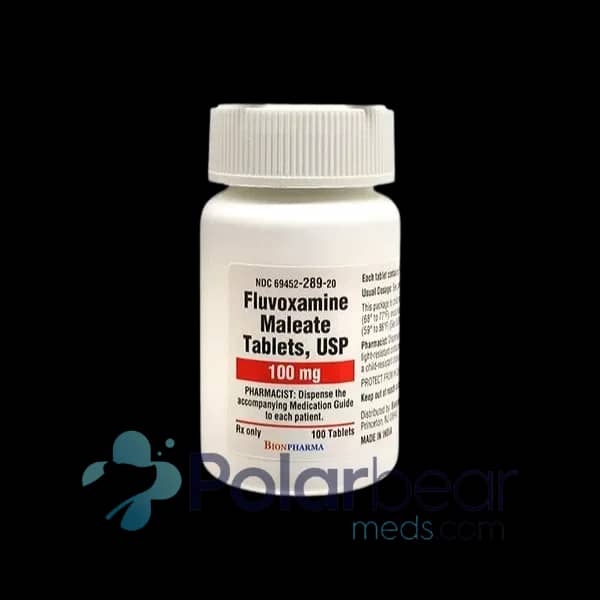
Fluvoxamine works by increasing certain chemical messengers in the brain (such as serotonin) that may be unbalanced in people with OCD. This helps reduce persistent thoughts and repetitive behaviors. Although this medicine is available in different tablet strengths (25, 50, and 100 mg), this page focuses on the 50 mg and 100 mg strengths. Discuss with your doctor before using Fluvoxamine for OCD to ensure the right dosage of the medication.

Fluvoxamine is FDA‑approved to treat obsessions and compulsions in patients with obsessive‑compulsive disorder (OCD).
| Generic Name | Fluvoxamine maleate |
|---|---|
| Brand Name | Luvox, Luvox CR |
| FDA‑Approved | Yes (for OCD) |
| Drug Class | Selective serotonin reuptake inhibitor (SSRI) |
| Forms | Tablet |
| Strengths Available | 25, 50, and 100 mg |
| Requires Prescription | Prescription only (Rx) |
| Controlled Substance | No |
| Suitable Age Group | Adults and children 8 years and older |
| FDA Boxed Warning | High risk of suicidal thoughts in children, adolescents, and young adults |
← Swipe to see more →

Fluvoxamine should always be taken exactly as prescribed by your doctor. Here are some general administration steps that may help increase the effectiveness of your medication:

Fluvoxamine belongs to the SSRI family of medications. It operates by blocking the reuptake of serotonin, a chemical brain messenger that helps control mood, thoughts, and behavior. By increasing the amount of serotonin available between nerve cells, Fluvoxamine can help improve symptoms of obsessive thinking and repetitive behaviors seen in OCD.
This is the average dosing schedule as per the Fluvoxamine FDA label. Consult your provider before starting antidepressant treatment. They will individualize the dose based on your age, other health factors, and tolerance. Here is the average dosage for OCD:

This list is not complete. Contact your prescriber if you experience serious symptoms or unusual changes.
These side effects are commonly reported, especially during the first few weeks of treatment. Most reactions are mild to moderate and usually subside as your body adjusts to the medication effects.
These side effects are rare among users but may cause serious reactions, requiring urgent medical care.

The following information highlights important Fluvoxamine warnings, precautions, and conditions where use may not be appropriate:
Once you buy Fluvoxamine online from Canada, consider the following important warnings:

Suicide and Antidepressant Drugs

Some medicines must not be taken with Fluvoxamine because the combination can cause serious or life-threatening side effects. Here is a list of drugs that may interact with Fluvoxamine Maleate.
Do not take Fluvoxamine with
Use with caution

The best alternative depends on the condition being treated, treatment response, and side effect tolerance. Tell your doctor before switching your treatment plan:
Other SSRIs (Common Alternatives)
Non-SSRI Antidepressants

Many patients may choose to order Fluvoxamine from Canada because it is often more affordable than U.S. retail prices. At Polar Bear Meds, we source our medications from a network of licensed Canadian and international pharmacies and follow regulated dispensing standards to ensure medication quality and safety. When you buy Fluvoxamine online from our pharmacy, you can save a significant amount, often at prices lower than typical U.S. retail rates.
Buying Fluvoxamine from Canada requires a valid prescription from a licensed medical provider. You can also enjoy several savings programs, including:

The information provided above is for general educational purposes only. This should not be considered as medical advice or treatment. Fluvoxamine is a prescription medication and should be used only under the guidance of a qualified healthcare professional. Always consult your doctor or provider before stopping, starting, or changing any treatment.

Learn more about Fluvoxamine and related topics



We offer competitive pricing on all our medications. We'll match if you find a lower price on an identical product at a verified Canadian online pharmacy!
To Place Order, call 1-(888) 478-2193 or fill out the Contact Form
Rated 4.9/5 Verified Reviews on Shopper Approved
