GLP-1 Patches Vs Injections: Weight Loss & Mounjaro Alternatives?
GLP-1 patches are marketed as alternatives to proven weight loss medications such as Mounjaro and Wegovy. However, current patches primarily contain herbal supplements lacking scientific validation for weight management. While injectable GLP-1 medications demonstrate significant weight loss of 10-20% through FDA-approved formulations, patches have no substantial evidence supporting their effectiveness.
The transdermal delivery of these hormones remains challenging and unproven. Understanding the key differences between these options reveals important considerations for those seeking weight loss solutions.
Key Takeaways
- Injectable GLP-1 medications like Mounjaro demonstrate proven weight loss of 15-20%, while patches lack scientific evidence of effectiveness.
- Current GLP-1 patches contain herbal supplements rather than actual hormones, making them ineffective alternatives to FDA-approved injectable medications.
- Mounjaro's dual-action mechanism targeting GLP-1 and GIP receptors provides superior weight loss compared to single-action alternatives like Wegovy.
- Injectable medications ensure controlled hormone delivery, while patches rely on unproven transdermal methods that poorly transport hormone-based compounds.
- FDA-approved alternatives to Mounjaro include Wegovy and Ozempic, offering 9-15% body weight reduction through verified clinical trials.
What GLP-1 patches are and how they claim to work
Innovation in weight loss medication delivery has led to the development of GLP-1 patches, which offer a potential alternative to traditional injectable medications. These patches are designed to deliver glucagon-similar peptide-1 receptor agonists through the skin, aiming to achieve the same benefits as GLP-1 injections without needles.
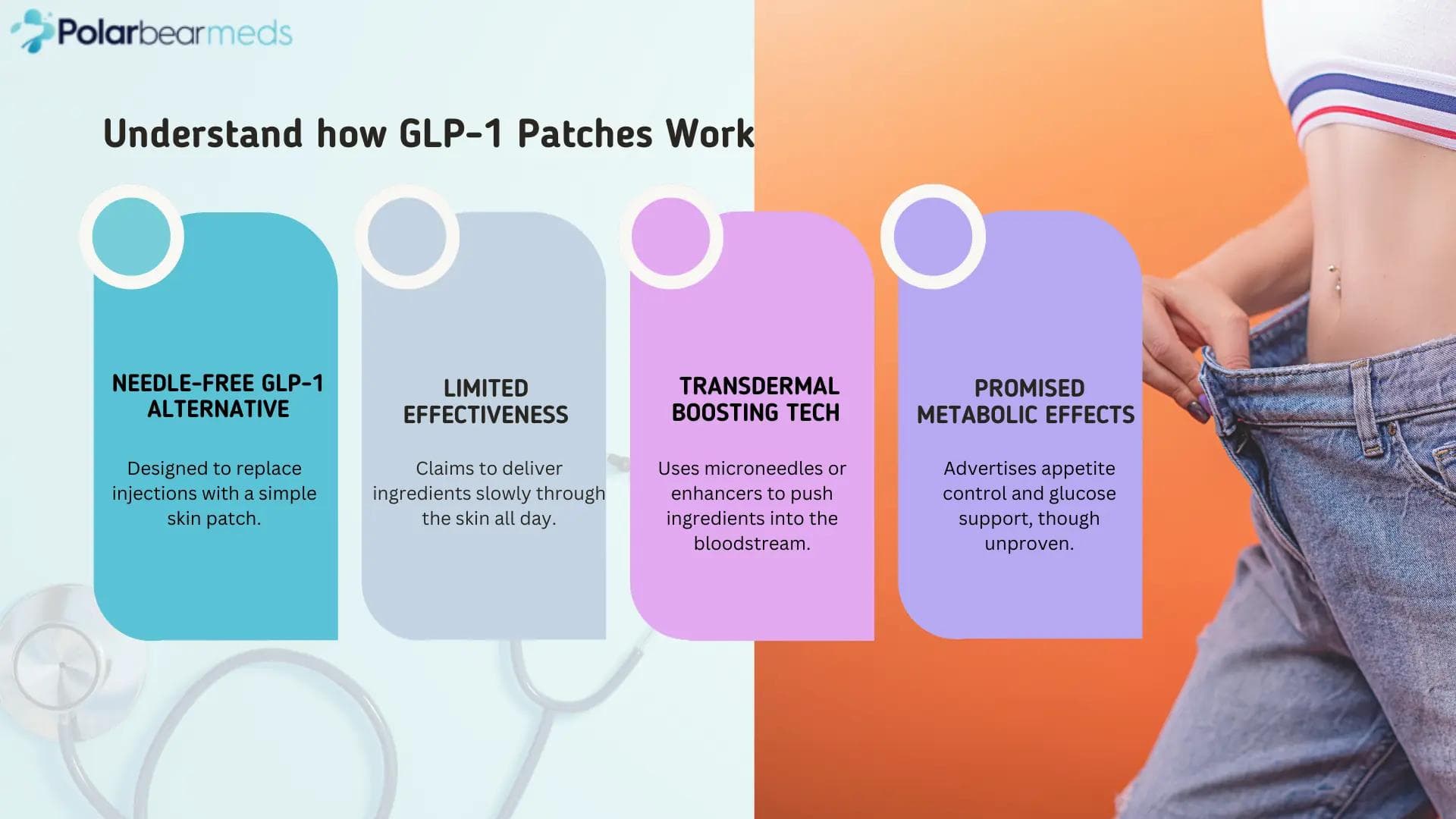
The patches work by providing continuous delivery of the GLP-1 hormone, which helps regulate glucose levels and suppress appetite through multiple mechanisms. Through specialized delivery systems such as microneedles or permeation boosters, the medication steadily enters the bloodstream, potentially offering more stable drug levels compared to injections.
This approach claims several pharmacological advantages, including better patient compliance due to ease of use and reduced risk of injection-site complications. However, while the technology shows promise, current clinical data remains limited. The effectiveness of patches in achieving comparable weight loss outcomes to injectable formulations is still being evaluated through ongoing research and development efforts.
The difference between GLP-1 patches and injections
While GLP-1 patches present an appealing concept, substantial differences exist between these patches and FDA-approved GLP-1 injections regarding their composition, delivery mechanism, and proven effectiveness.
The primary distinction lies in their fundamental composition. GLP-1 injections such as Mounjaro and semaglutide contain actual hormone-based medications clinically proven to promote weight loss, with trials demonstrating 15-25% reductions in body weight. In contrast, GLP-1 patches typically contain only herbal supplements without proven GLP-1 activity.
The delivery methods also differ considerably - while injections provide controlled, consistent release of medication through subcutaneous administration, patches rely on unproven transdermal delivery that cannot effectively transport the hormone through the skin barrier.
This essential limitation means patches cannot achieve the therapeutic concentrations necessary for treating obesity. Moreover, GLP-1 injections undergo rigorous FDA testing and require medical supervision, ensuring safety and efficacy that patches, sold as supplements, cannot match.
Do GLP-1 patches really help with weight loss
Despite their growing popularity and marketing claims, commercially available GLP-1 patches currently show no scientifically validated evidence of meaningful weight loss benefits. Dissimilar to proven weight loss injections such as Mounjaro and Wegovy, which contain actual GLP-1 medication, most patches rely on herbal ingredients with limited effectiveness for appetite regulation.
While clinical evidence strongly supports the efficacy of GLP-1 injections for weight management, with results rivaling gastric bypass surgery, patches face significant technological barriers in delivering these complex hormones through the skin. Research shows that legitimate GLP-1 medications require precise delivery methods to function effectively.
The patches available on the market typically don't contain the same active ingredients found in prescription GLP-1 medications. Instead, they often incorporate alternative compounds such as berberine, which lack substantial proof of transdermal absorption or comparable weight loss effects to genuine GLP-1 therapies.
Comparing Mounjaro Wegovy and other GLP-1 weight loss treatments
Among FDA-approved GLP-1 medications, clinical research demonstrates significant differences in weight loss effectiveness. Clinical trials reveal that tirzepatide (Mounjaro) leads the pack, achieving 15-20% body weight reduction, outperforming both Wegovy and other GLP-1 weight loss medications. Wegovy follows with 9.6-15% weight loss, while Ozempic users typically experience 10-15% reduction.
The superior results of Mounjaro stem from its unique dual-action mechanism, targeting both GLP-1 and glucose-dependent insulinotropic polypeptide receptors, enhancing appetite suppression and metabolic benefits. In contrast, Wegovy and semaglutide-based alternatives affect only GLP-1 pathways.
While GLP-1 patches represent an emerging alternative delivery method, injectable medications remain the gold standard in clinical trials. The FDA has specifically approved Wegovy for chronic weight management, whereas Mounjaro's weight loss benefits are currently considered off-label despite impressive clinical outcomes.
Possible side effects and safety concerns of GLP-1 patches
Safety monitoring of GLP-1 patches reveals a spectrum of potential side effects ranging from common gastrointestinal disturbances to rare but serious complications. The most frequent gastrointestinal side effects include nausea, vomiting, and diarrhea, which typically diminish over time as the body adjusts to the weight loss treatment.
While GLP-1 patches may reduce injection site reactions compared to traditional GLP-1 medications, users should monitor for skin irritation and potential allergic responses. Serious adverse effects, though rare, can include pancreatitis, gallbladder problems, and kidney complications. Furthermore, prescription medications in this class carry an FDA warning regarding thyroid tumors based on animal studies.
Patients using GLP-1 medications should watch for hypoglycemia, particularly in conjunction with other diabetes treatments. Metabolic effects require careful monitoring, and safety considerations are especially important for certain groups, including pregnant women, who should avoid these medications entirely.
Are GLP-1 patches a real alternative or just a quick fix
While many consumers seek substitutes to injectable GLP-1 medications, current evidence indicates that patches marketed as GLP-1 alternatives fall short of providing comparable weight loss benefits. Unlike FDA-approved medications such as Mounjaro and Wegovy, which demonstrate significant weight loss of 15-25% in clinical testing, commercial GLP-1 patches lack scientific validation for effective transdermal delivery of appetite-regulating compounds.
Research shows that current patch technology struggles to deliver peptide hormones through the skin barrier effectively. While experimental transdermal systems show promise in animal studies, commercially available patches typically contain herbal ingredients rather than actual GLP-1 medications.
Healthcare professionals emphasize that these patches cannot replicate the proven benefits of GLP-1 injections, which include not only weight loss but also improvements in cardiovascular health and blood sugar control. Until advanced transdermal delivery systems complete rigorous clinical trials, patches remain an unproven alternative to established GLP-1 injection therapies.
Frequently Asked Questions
Multiple weight loss medications with GLP-1 patches is not recommended. Combined use increases side effects. Consult doctor before mixing treatments.
GLP-1 patches are not FDA-approved or scientifically validated. No replacement schedule exists as they do not contain real GLP-1 medication. Only prescribed injectable GLP-1s are proven effective.
Medicare and insurers don't cover GLP-1 patches for weight loss. Coverage applies only to FDA-approved type 2 diabetes treatment with documentation and prior authorization.
Swimming and exercise are not advised while wearing GLP-1 patches. Water and sweat can loosen the patch, and patch ingredients may be unsafe during physical activity.
GLP-1 patches produce 32% higher drug exposure in women compared to men, potentially affecting efficacy and side effects.
References