


Is Feeling Sick After Eating Sugar a Sign of Diabetes? What Experts Say
Indulging in sugary treats can feel satisfying at first, but some people experience nausea, dizziness, or shakiness afterward. While occasional discomfort may just be a sugar crash, repeated reactions could signal blood sugar imbalances, including insulin resistance or early-stage Type 2 diabetes.
High blood sugar (hyperglycemia) or sudden drops (reactive hypoglycemia) may lead to symptoms such as fatigue, nausea, and lightheadedness after sweets. Feeling sick after sugar doesn’t always mean diabetes, but persistent symptoms, especially with excessive thirst, frequent urination, or unusual fatigue, warrant a consultation with a healthcare provider. According to the CDC (Centers for Disease Control and Prevention), early detection of diabetes symptoms can help prevent long-term complications.
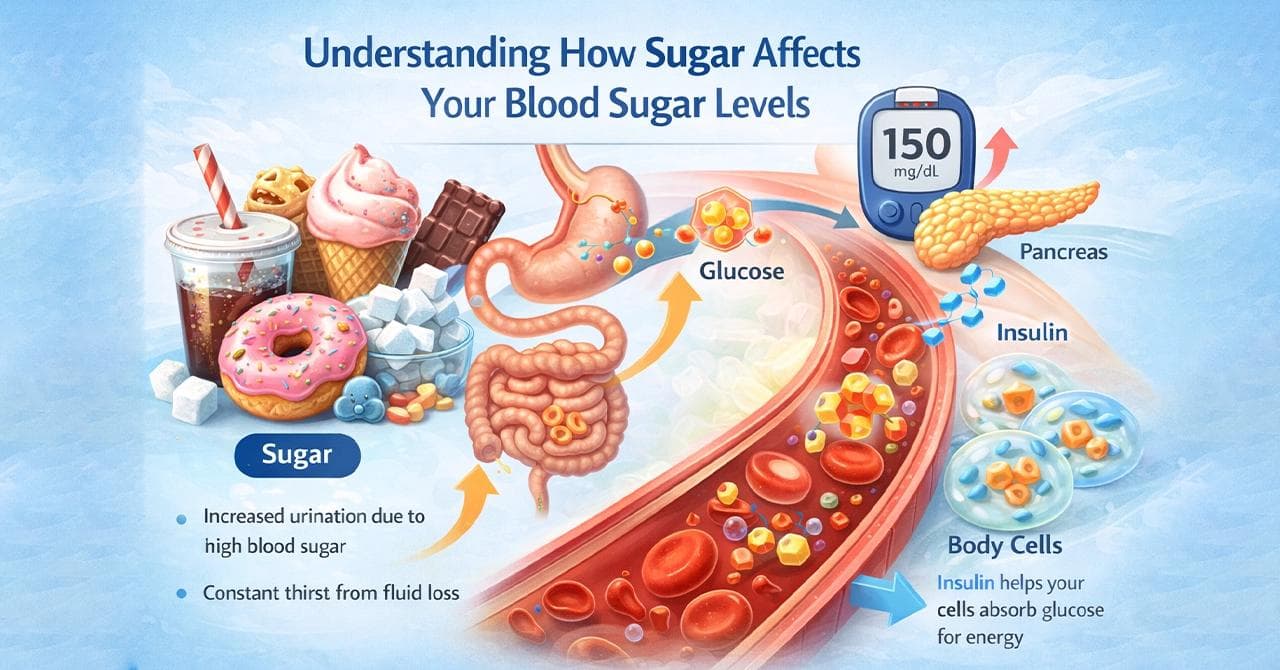
Understanding How Sugar Affects Your Blood Sugar Levels
When you eat simple carbohydrates or foods high in added sugar, glucose enters your bloodstream rapidly. In response, the pancreas releases insulin, which helps move glucose into your cells for energy. Frequent sugar spikes can overwhelm this system, leading to insulin resistance, where cells no longer respond effectively to insulin. As a result, glucose accumulates in the blood (hyperglycemia), which can cause nausea, fatigue, and dizziness. Over time, sustained high blood sugar may increase the risk of kidney problems, heart disease, and nerve damage.
Feeling sick after consuming sugar can happen for several reasons, often linked to how your body manages blood sugar and digestion. Here are the three main reasons:
Why Do I Feel Sick After Eating Sugar? (3 Common Causes)
1. Blood Sugar Spikes and Crashes
Consuming large amounts of sugar rapidly increases blood glucose (hyperglycemia), which can irritate the stomach and trigger nausea. The more noticeable “sick” feeling often occurs afterward, when the pancreas overcompensates by releasing too much insulin. This might cause a sharp drop in blood sugar, known as reactive hypoglycemia, leading to dizziness, shakiness, sweating, and fatigue.
2. Digestive Overload and Sugar Intolerance
Large amounts of sugar can affect the digestive system by overwhelming the stomach and intestines. This may slow digestion or pull water into the gut (osmotic effect), which can lead to bloating, nausea, diarrhea, or a condition called dumping syndrome. Some people also lack the enzymes to properly digest certain sugars, such as fructose (fruit sugar) or lactose (dairy sugar), leading to gas, cramping, and discomfort.
3. Effects of Sugar Substitutes
Even sugar-free or “diet” treats can cause nausea in some individuals. Many contain sugar alcohols like sorbitol, erythritol, or xylitol, which are incompletely absorbed in the gut. These compounds can irritate the intestines and act like a mild laxative, resulting in bloating, gas, and digestive upset.
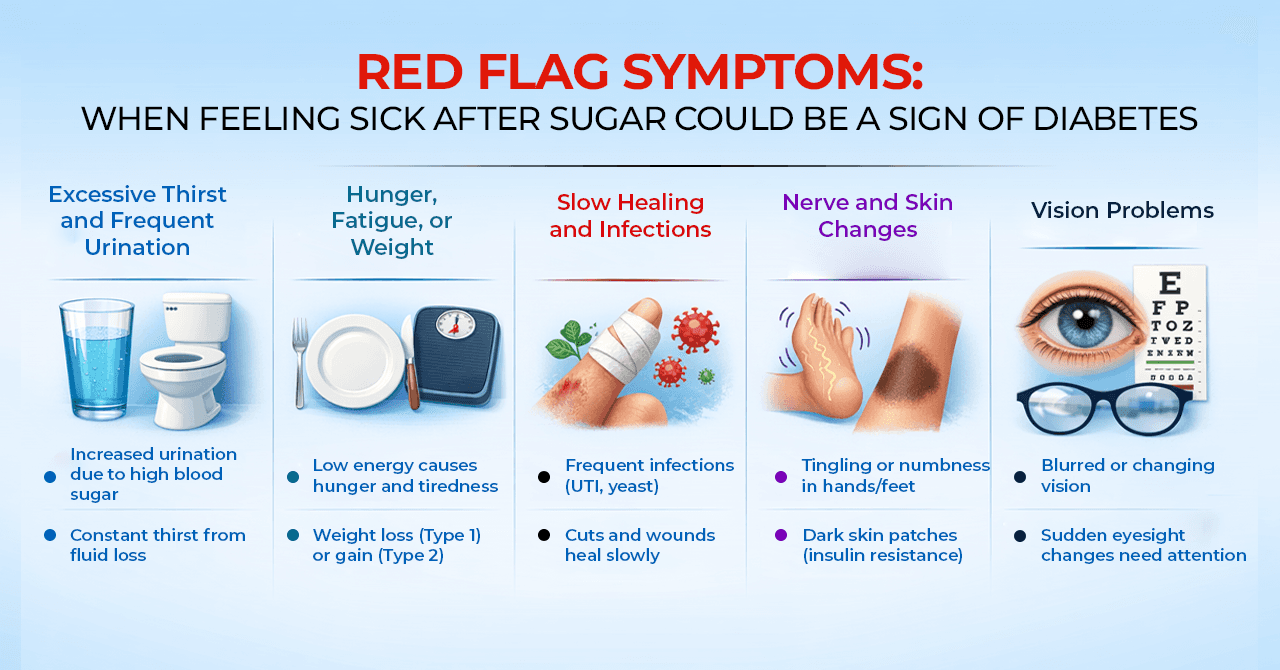
Red Flag Symptoms: When Feeling Sick After Sugar Could Be a Sign of Diabetes
While occasional nausea after sweets may be harmless, certain persistent symptoms sometimes called “sugar sickness” can signal underlying diabetes. Watch for these red flag symptoms:
1. Excessive Thirst and Frequent Urination
High blood sugar forces your kidneys to work harder, leading to constant thirst and frequent urination. These are often among the earliest warning signs.
2. Unexplained Hunger, Fatigue, or Weight Changes
When glucose cannot enter cells effectively, the body lacks energy. This can cause constant hunger and fatigue.
- Unexplained weight loss is more common in Type 1 diabetes
- Weight gain (especially abdominal) is often linked to Type 2 risk
3. Slow-Healing Wounds and Persistent Infections
High glucose levels might weaken the immune system and circulation, leading to:
- Cuts or sores that heal slowly
- Frequent urinary tract or yeast infections
4. Nerve and Skin Changes
Early nerve damage (neuropathy) may cause tingling, numbness, or burning in the hands and feet. Dark, velvety patches of skin (acanthosis nigricans) can appear on the neck, underarms, or groin, often linked to insulin resistance.
5. Vision Problems
High blood sugar affects the eye lens, causing blurred or fluctuating vision. Sudden changes in eyesight should be evaluated immediately.
When to Seek Medical Attention
If your symptoms, such as nausea, fatigue, excessive thirst, or frequent urination, are persistent (lasting more than a few days or recurring often), consult a healthcare provider. These may indicate ongoing high blood sugar (hyperglycemia) and require proper evaluation. Diagnosis is typically confirmed through tests such as:
- Fasting Blood Glucose Test
- HbA1c (average blood sugar over 2-3 months)
- Oral Glucose Tolerance Test (OGTT)
Seek immediate care if you experience severe or sudden symptoms that may indicate a complication like diabetic ketoacidosis (DKA), including:
- Fruity-smelling breath
- Persistent vomiting or severe nausea
- Rapid, deep breathing
- Confusion or fainting
How to Stop Feeling Sick After Eating Sugar
If you feel nauseous after eating sugar, the goal is to stabilize your blood sugar & calm your digestive system.
Immediate Relief Tips for Nausea After Sugar
- Hydrate slowly: Drink water, ginger tea, or peppermint tea to support digestion and reduce nausea.
- Add light protein: A small portion of nuts, yogurt, or a boiled egg can help slow glucose absorption and prevent a crash.
- Gentle movement: A 10 to 15-minute walk helps your muscles use up excess glucose, naturally lowering blood sugar levels.
- Avoid more sugar or refined carbs: Foods like white bread or sugary snacks can prolong symptoms rather than relieve them.
- Try acupressure (optional): Light pressure on the inner wrist (P6 point) may help reduce nausea.
How to Prevent Feeling Sick After Eating Sugar
- Avoid eating sugar on an empty stomach.
- Keep sugar portions moderate.
- Choose slower-digesting sweets.
- Eat balanced meals that include protein, fiber, and healthy fats to help your body process sugar more steadily.
- Follow a structured eating order by consuming fiber and protein first, and sweets last, to reduce rapid blood sugar spikes.
- Stay consistently hydrated throughout the day.
Diabetes vs. Sugar Crash: What's the Difference?
| Feature | Diabetes (High/Low Blood Sugar) | Sugar Crash (Reactive Hypoglycemia) |
|---|---|---|
| Cause | Chronic condition affecting insulin production or response (Type 1 or Type 2). | Temporary drop in blood sugar caused by the body overreacting to simple carbs. |
| Onset | Develops over time (Type 2) or suddenly (Type 1); can occur at any time. | Typically occurs 1–4 hours after eating sugary or high-carb foods. |
| Symptoms | Systemic: Excessive thirst, frequent urination, blurred vision, and slow-healing sores. | Adrenal: Shakiness, dizziness, sweating, irritability, and hangry feelings. |
| Severity | High: Can be life-threatening if unmanaged (e.g., ketoacidosis or organ damage). | Low to Moderate: Uncomfortable and draining, but usually temporary. |
| Duration | Persistent: Symptoms continue or recur until medical treatment is started. | Short-term: Usually resolves within an hour or after eating a balanced snack. |
| After Eating Sugar | Blood sugar remains high or fluctuates widely due to insulin control issues. | A sharp spike in blood sugar followed by a rapid, steep crash. |
| Treatment | Requires medical diagnosis, medication/insulin, and long-term monitoring. | Managed by balancing meals with protein, fiber, and healthy fats. |
| When to See a Doctor | If symptoms are ongoing, unexplained, or if you have a family history. | If crashes happen frequently or you feel faint after most meals. |
← Swipe to see more →
Who Is Most at Risk of Feeling Sick After Sugar?
- People with insulin resistance or prediabetes
- Individuals with Type 2 diabetes
- Those with reactive hypoglycemia
- People with lactose or fructose intolerance
- Individuals sensitive to sugar alcohols (e.g., sorbitol, erythritol)
- People who consume sugar on an empty stomach
- Individuals with a history of gastric surgery (dumping syndrome)
Conclusion: Is Feeling Sick After Sugar a Red Flag for Diabetes?
Feeling sick after eating sugar is not always a sign of diabetes. However, frequent or persistent symptoms may point to blood sugar imbalances, such as insulin resistance or prediabetes. Occasional discomfort can result from a temporary spike or crash in blood sugar. But if symptoms occur regularly, especially thirst, fatigue, or frequent urination, seek medical advice, and checking blood glucose levels is important.
Medical Disclaimer
This blog is for informational purposes only and does not replace professional medical advice, diagnosis, or treatment. The content is based on credible medical sources and clinical understanding of blood sugar responses, but individual reactions to sugar and symptoms may vary.
If you experience persistent nausea or other symptoms after eating sugar, consult a licensed healthcare provider. Always seek professional guidance before making any dietary or health-related decisions.
Frequently Asked Questions
Feeling sick after eating sugar is not a definitive sign of gestational diabetes. According to the CDC, gestational diabetes is typically identified through screening tests during pregnancy, not symptoms alone. However, persistent nausea with excessive thirst, fatigue, or frequent urination should be evaluated by your provider.
Yes, sugar can make you feel sick even without diabetes. Rapid blood sugar spikes followed by drops (reactive hypoglycemia) or digestive overload can cause dizziness, nausea, and fatigue. The National Institute of Diabetes and Digestive and Kidney Diseases (NIDDK) notes that these symptoms can occur in people without diabetes, especially after consuming large amounts of simple sugars.
Symptoms can appear within 30 minutes to 3 hours after consuming high-sugar foods. A rapid spike in blood sugar may cause early discomfort, while a later drop (reactive hypoglycemia) can lead to shakiness, nausea, and fatigue. Timing varies depending on metabolism and meal composition.
Nausea after sugar does not automatically mean prediabetes. However, according to the NIDDK, recurring symptoms, along with risk factors such as fatigue, increased thirst, or weight changes, may indicate underlying blood sugar issues. A blood glucose or HbA1c test is required for diagnosis.
Sugar can cause dizziness because it rapidly alters your blood glucose levels. A quick spike may be followed by a sudden drop, which reduces the steady energy supply your brain needs. This fluctuation can lead to lightheadedness, weakness, and shakiness, especially after consuming large amounts of refined sugar on an empty stomach.
People with diabetes, children, or those with fructose or lactose intolerance may experience nausea, dizziness, or blood sugar spikes after consuming sugar. Choosing slower-digesting sugars like fruit or dark chocolate, or monitoring portion sizes, can help reduce these symptoms.


