Will Ozempic Get More Expensive in 2026? What U.S. Patients Need to Know About Tariffs
Many U.S. patients are concerned that new tariffs could increase Canadian pharmacy medication costs in 2026. As discussion around the Ozempic tariff price 2026 grows, patients are watching prescription costs more closely than ever. Understanding the broader drug tariff 2026 changes can help explain how tariffs may affect Ozempic pricing, cross-border pharmacy access, and long-term medication affordability.
Will New U.S. Tariffs Make Ozempic More Expensive in 2026?
The April 2026 Section 232 tariff policy increased pressure on imported patented medications, including brand-name Ozempic. Because Ozempic is manufactured outside the U.S., many patients are now watching the Ozempic tariff price 2026 closely.
Higher import costs can eventually affect wholesale and retail pricing. Under the broader drug tariff 2026 environment, insurers may also tighten coverage rules or increase patient copays.
How Tariffs Could Affect U.S. Patients
- Higher Wholesale Costs: Import-related fees may raise pharmacy acquisition costs over time.
- Insurance Coverage Changes: Some insurance plans may respond with stricter prior authorization or higher out-of-pocket costs.
- Delayed Price Increases: Retail prices may not rise immediately because distributors stocked inventory earlier in 2026.
What About Canadian Pharmacy Pricing?
Many patients are also monitoring the Canada pharmacy tariff impact on cross-border prescription costs. Canadian pricing follows different regulations than the U.S. market, so pricing changes may vary between pharmacy networks and supply channels.
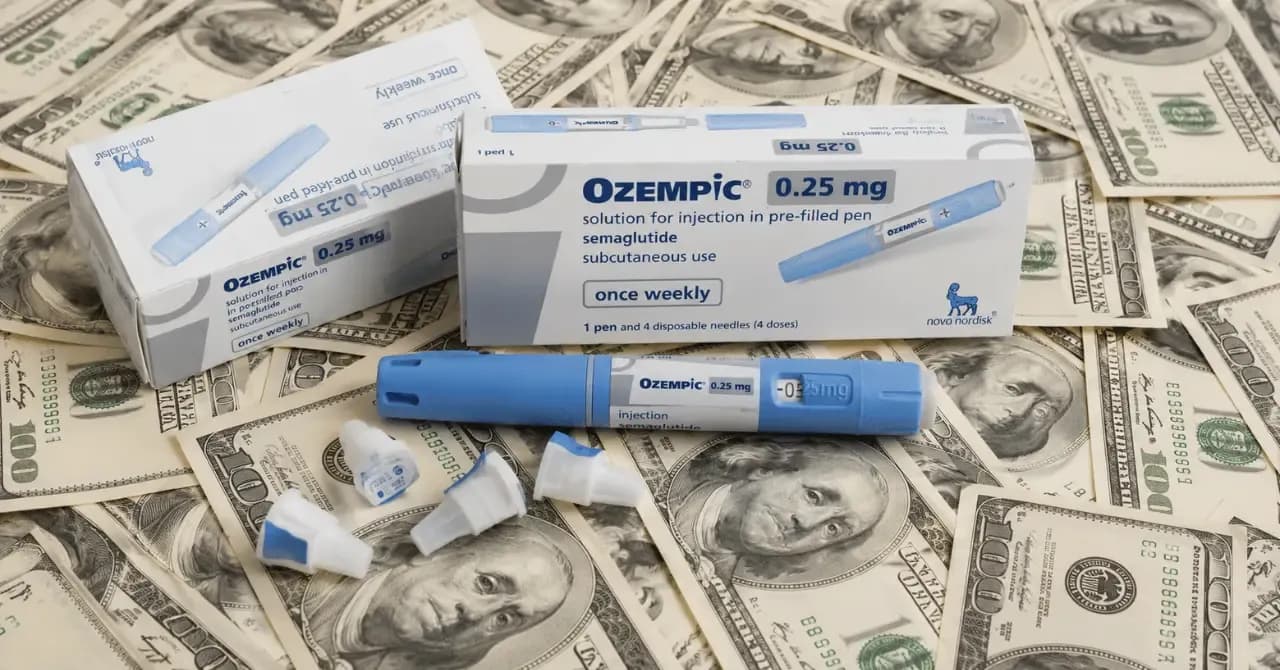
Why Is Ozempic Already Expensive in the U.S. Even Before Tariffs?
Ozempic was already expensive in the United States before any new trade or tariff discussions began. Several long-standing factors continue to keep U.S. retail prices significantly higher than many international markets.
Patent Protection and Limited Competition:Novo Nordisk holds patent protections for semaglutide in the U.S., limiting lower-cost generic competition and keeping retail pricing high.
PBM and Insurance Pricing Systems:The U.S. prescription market involves insurers, wholesalers, and Pharmacy Benefit Managers (PBMs). These layered pricing negotiations and rebate systems can increase overall list prices for patients paying cash or high deductibles.
High Demand and Supply Pressure:Growing demand for GLP-1 medications like Ozempic continues to pressure supply chains worldwide, contributing to higher pricing across the market.
No Centralized Drug Price Controls:Unlike some countries that regulate patented medication pricing, the U.S. largely operates through market-based pricing systems. This pricing structure is one reason many patients compare international pharmacy options when monitoring Ozempic tariff price 2026 concerns and broader drug tariff 2026 cost changes.
Ozempic Price Comparison in 2026: U.S. vs. Canadian Pharmacy Options
Ozempic pricing in 2026 remains significantly higher in many U.S. retail pharmacy settings compared to regulated Canadian pharmacy networks. Growing concerns around the Ozempic tariff price 2026 and broader drug tariff 2026 discussions have also increased patient interest in transparent cross-border pricing options.
| Cost Comparison | U.S. Retail Pharmacy | Canadian Pharmacy Network |
|---|---|---|
| Average Cash-Pay Pricing | Around $900+ monthly retail pricing | Starting around $329.95 per pen |
| Prescription Requirement | Valid prescription required | Valid prescription required |
| Pricing Structure | Insurance and PBM-driven pricing | Upfront transparent cash pricing |
| Order Tracking | Varies by pharmacy | Tracking and refill support available |
| Shipping Source | Domestic pharmacy supply chain | Ships from licensed Canadian partner pharmacies |
| Website Security | Varies by provider | Secure checkout and encrypted ordering systems |
← Swipe to see more →
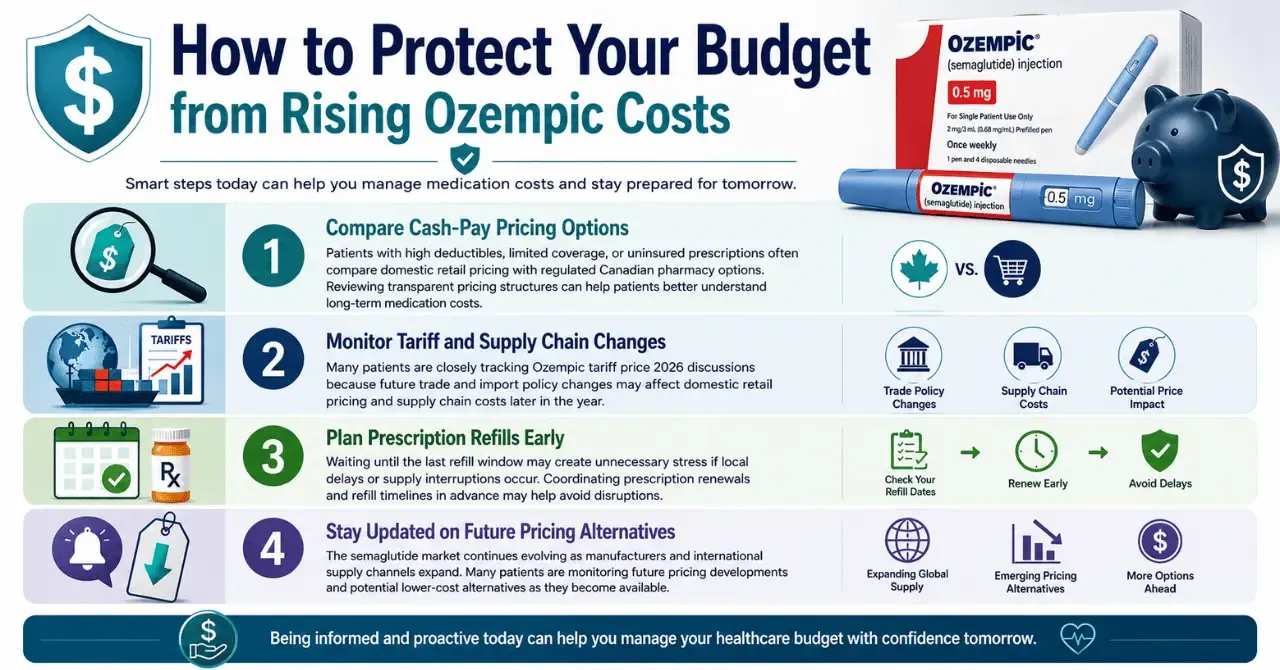
How to Protect Your Budget from Rising Ozempic Costs
Rising Ozempic costs and ongoing prescription drug tariff discussions have pushed many U.S. patients to review their long-term medication expenses more carefully. Taking a proactive approach may help reduce unexpected financial pressure as broader drug tariff 2026 changes continue to develop.
1. Compare Cash-Pay Pricing Options
Patients with high deductibles, limited coverage, or uninsured prescriptions often compare domestic retail pricing with regulated Canadian pharmacy options. Reviewing transparent pricing structures can help patients better understand long-term medication costs.
2. Monitor Tariff and Supply Chain Changes
Many patients are closely tracking Ozempic tariff price 2026 discussions because future trade and import policy changes may affect domestic retail pricing and supply chain costs later in the year.
3. Plan Prescription Refills Early
Waiting until the last refill window may create unnecessary stress if local delays or supply interruptions occur. Coordinating prescription renewals and refill timelines in advance may help avoid disruptions.
4. Stay Updated on Future Pricing Alternatives
The semaglutide market continues evolving as manufacturers and international supply channels expand. Many patients are monitoring future pricing developments and potential lower-cost.
Action Step: Explore current Generic Semaglutide pricing and availability through Polar Bear Meds.
Patients should always discuss prescription management, refill planning, and medication decisions with a licensed healthcare professional.
Will Ozempic Prices Go Down After 2026?
Yes, Ozempic prices may gradually become more competitive after 2026, especially through expanding international supply channels rather than the U.S. retail market. While U.S. patent protections continue to limit domestic generic competition, international markets are evolving more quickly.
Health Canada has approved generic semaglutide formulations from manufacturers including Apotex and Dr. Reddy’s Laboratories. This growing international competition may increase long-term pricing pressure outside the United States. However, U.S. retail pricing may still remain affected by insurance structures, PBM negotiations, and ongoing prescription drug tariff discussions.
Choosing the Best Ozempic Pricing Option in 2026
As Ozempic tariff price 2026 concerns continue growing, many U.S. patients are comparing safer and more affordable medication options. Rising prescription drug tariff pressures, insurance limits, and high retail pricing are increasing patient interest in verified Canadian pharmacy networks. Many patients now look for transparent pricing, valid prescription requirements, secure ordering systems, and reliable long-term refill access before choosing a pharmacy provider.
Polar Bear Meds connects U.S. patients with licensed Canadian pharmacy partners offering affordable Ozempic pricing, secure ordering, and trusted refill support. With transparent costs and prescription verification, patients can manage rising 2026 medication expenses more confidently while maintaining reliable access to treatment.
Frequently Asked Questions
Ozempic pricing may become more competitive after 2026 through expanding international supply channels and increasing global semaglutide competition. However, U.S. retail prices may still remain high due to patent protections, insurance structures, PBM pricing systems, and ongoing supply chain pressures.
Tariffs do not always raise prices immediately at the pharmacy counter. Higher import and wholesale costs can eventually affect retail pricing, insurance coverage rules, and patient copays over time. Many patients are closely monitoring the Ozempic tariff price 2026 developments for this reason.
Some patients compare regulated international pharmacy pricing, manufacturer savings programs, and emerging semaglutide alternatives to reduce long-term medication costs. Generic semaglutide is now available in select markets, although pricing, supply, and regulatory status may vary by country and pharmacy source.
Disclaimer
This article is for informational purposes only and does not provide medical, legal, or financial advice. Information related to Ozempic pricing, prescription drug tariffs, insurance coverage, international pharmacy pricing, and supply chain developments may change over time. Patients should independently verify pharmacy licensing, prescription requirements, pricing details, and current regulatory guidelines before purchasing medications. Always consult a licensed healthcare provider before making any medication-related or treatment decisions.