Restart Ozempic Cost in 2026: What Returning Patients Should Expect?
Key Takeaways
- Restart Ozempic costs vary by insurance and pharmacy pricing in 2026.
- Uninsured patients may still pay over $1,000 monthly.
- Insurance and savings programs can lower out-of-pocket costs.
- Treatment gaps may increase restart expenses and delay refills.
- Some patients restart with lower introductory doses.
- Coverage rules and copays may change after interruptions.
- Many Americans compare Canadian pharmacy pricing for savings.
- Early refill planning may help avoid delays and extra costs.
Key Takeaways:
The restart Ozempic cost in 2026 depends heavily on insurance coverage, prescription status, and pharmacy pricing. Long treatment gaps and insurance issues can quickly increase monthly costs. U.S. retail prices still exceed $1,000 monthly for many uninsured patients. However, eligible users may lower monthly expenses through savings programs, insurance benefits, or international prescription pricing comparisons when restarting Ozempic treatment in 2026.
Why Do Patients Restart Ozempic After a Break?
Many Americans restart Ozempic after stopping because treatment benefits often decline during medication gaps. Patients commonly report increased appetite, stronger food cravings, and gradual weight regain after discontinuation. Individuals using Ozempic for type 2 diabetes may also experience higher blood sugar levels after stopping treatment.
Some patients restart treatment to support recovery of glycemic control after medication interruptions. Many people stop treatment because it becomes too expensive. Going back on Ozempic price is a major concern for many patients restarting treatment.
Patients often pause treatment after insurance changes, prior authorization denials, or rising out-of-pocket costs. Others stop temporarily because of supply shortages, prescription delays, or planned medical procedures. Gastrointestinal side effects may also lead some patients to take short treatment breaks. After restarting, providers often use lower introductory doses to help improve gastrointestinal tolerance.
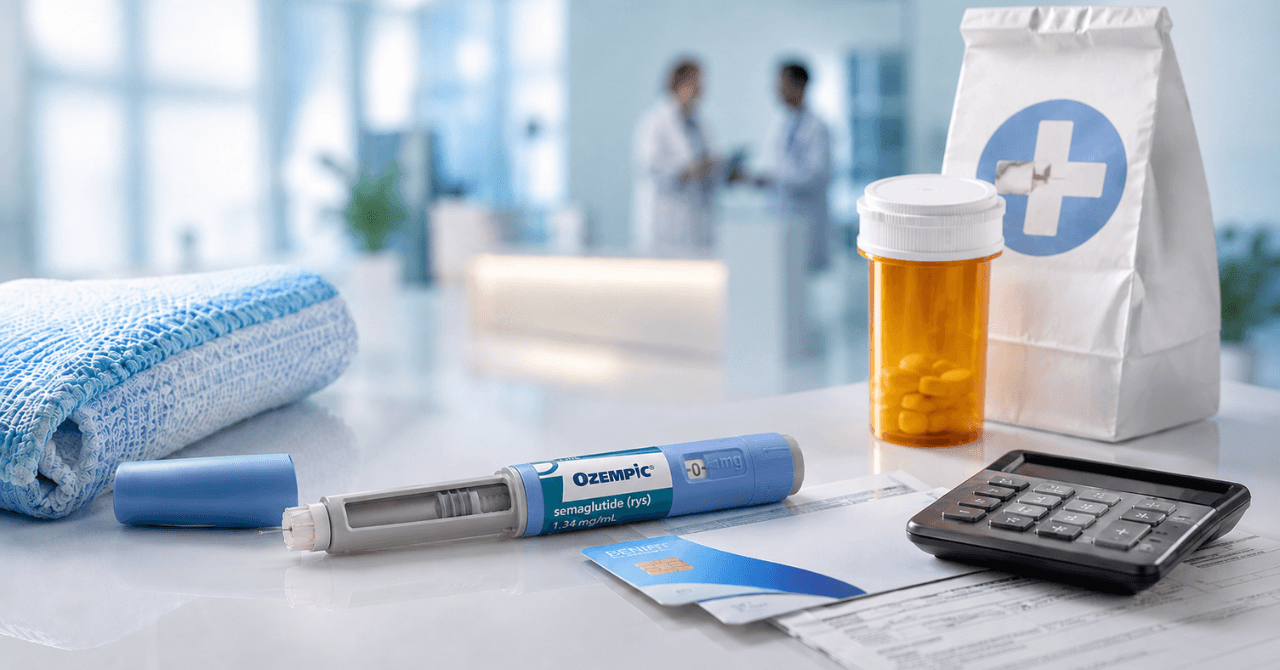
Restart Ozempic Cost in 2026: Insurance vs. Uninsured Pricing
Restarting Ozempic in 2026 can cost very different amounts depending on insurance coverage and pharmacy pricing. Many uninsured patients still pay nearly $1,000 per month for brand-name Ozempic. Eligible patients with commercial insurance or savings programs may pay much less.
| Coverage Type | Estimated Monthly Cost in 2026 |
|---|---|
| Commercial insurance with savings eligibility | As low as $25 monthly |
| Self-pay pricing programs | Around $349 to $499 monthly |
| Standard U.S. retail pricing without insurance | Approximately $950 to $1,050 monthly |
| Higher-dose retail prescriptions | May exceed $1,000 monthly |
← Swipe to see more →
Insurance approval may require prior authorization or an active prescription status. Some plans cover Ozempic for diabetes but not for weight management. Restarting after a long gap can also lead to additional costs, such as doctor visits or delayed prescription refills.
Does Restarting Ozempic Require a New Prescription?
Restarting Ozempic may require a new prescription after extended treatment interruptions. U.S. pharmacies often need active refill authorization before processing restarted prescriptions. Providers may reassess prescription eligibility before restarting semaglutide after extended interruptions in medication.
Providers usually check prescription history and insurance coverage before approving treatment again. Expired prescriptions or delayed refill transfers can slow the process. Even unused Ozempic pens may not qualify for immediate reuse without updated pharmacy approval.
Prescription expiration rules may vary by pharmacy and insurance provider in the United States. Some pharmacies may also require updated provider verification before processing restarted Ozempic prescriptions. Delays in prescription transfers can sometimes affect refill timing and monthly medication planning.
How Treatment Gaps Can Increase Restart Ozempic Cost?
Long treatment gaps can increase restart costs. Insurance approvals sometimes take longer, and new prescriptions may be required before treatment resumes. Some providers also restart patients at lower doses to support nausea management.
Deductible resets or expired savings eligibility may increase out-of-pocket expenses. According to a study published in PubMed Central, some patients restart treatment at lower introductory doses before maintenance prescriptions resume. The Ozempic restart titration cost may temporarily increase prescription spending after long treatment gaps.
Can You Lower the Restart Ozempic Cost in 2026?
Some Americans reduce the cost of restarting Ozempic by comparing pharmacy prices and insurance coverage options. Eligible patients may also qualify for lower pricing through self-pay savings programs. Rising U.S. retail prices have also increased interest in international prescription pricing comparisons.
Some patients compare licensed Canadian pharmacies for lower long-term pricing. Prescription rules, shipping timelines, and pricing policies still vary between providers. Planning refills early may also help reduce delayed authorizations and unexpected out-of-pocket expenses. Patients should always verify the legitimacy of pharmacies and current pricing before ordering medications in 2026.
Why Restart Costs May Change in 2026?
Monthly pricing may change in 2026 due to insurance updates and pharmacy policy changes. Manufacturer pricing adjustments may also affect monthly retail costs for uninsured Americans. Some patients experience higher expenses after switching insurance providers or changing pharmacy locations.
Coverage policies can also vary between employer-sponsored plans, Medicare-related coverage, and self-pay pricing programs. Regularly checking updated pricing may help patients avoid unexpected prescription expenses during treatment restarts.
Final Thoughts on Restart Ozempic Cost in 2026
Restarting Ozempic in 2026 can become costly without insurance coverage or savings support. Long treatment gaps can raise out-of-pocket costs. Delayed approvals and new prescriptions are common reasons for delays. Insured patients often pay significantly lower monthly costs than uninsured Americans.
Comparing pharmacy prices and planning refills early can help lower unexpected costs. Patients should also verify prescription requirements and current pharmacy policies before restarting Ozempic treatment in 2026.
Frequently Asked Questions
The Ozempic cost without insurance in 2026 may exceed $1,000 monthly at U.S. retail pharmacies. Final pricing usually depends on dosage strength, pharmacy source, and prescription status. Some eligible patients may qualify for lower self-pay pricing programs.
Yes, some insurance plans may require renewed prior authorization after long medication interruptions. Coverage approval can also depend on diagnosis requirements, prescription history, and formulary rules in 2026.
U.S. retail drug pricing often differs because of insurance structures, pharmacy pricing systems, and manufacturer costs. Some users compare international prescription pricing when out-of-pocket retail expenses become difficult to manage.
Some patients restart Ozempic after long treatment interruptions with updated prescription approval. Providers may reassess prescription eligibility, insurance coverage, and refill status before restarting treatment.
Some Americans explore licensed Canadian pharmacy options due to lower international prescription prices. However, shipping timelines, prescription requirements, and pharmacy policies may vary between providers.
Restarting Ozempic may temporarily increase costs because of prescription renewals and insurance delays. Some patients also face additional consultation fees or lower-dose refill requirements after extended treatment gaps.
Disclaimer
This blog is provided for informational purposes only and does not replace professional medical, insurance, financial, or prescription guidance. Pricing, availability, prescription requirements, shipping timelines, and coverage policies may change over time and vary by provider, pharmacy source, and insurance plan. Always consult your healthcare provider, insurance representative, or official government resources before making medication or coverage decisions.