Wegovy Hot Flashes: What Menopausal Women Need to Know in 2026
Key Takeaways
- Wegovy (semaglutide) is FDA-approved for weight management, not menopausal symptoms.
- Rapid fat loss from Wegovy can shift hormone metabolism and influence vasomotor symptoms in perimenopausal women.
- New non-hormonal options like fezolinetant and elinzanetant now offer targeted hot flash relief.
- Managing menopause well often requires combining weight-focused and symptom-focused treatments.
Wegovy hot flashes is a topic generating real confusion among women managing menopause and weight simultaneously. Semaglutide is a powerful weight loss tool, but its relationship to vasomotor symptoms is indirect at best. This article breaks down what the research actually shows, where the anecdotal reports come from, and which newer treatments are purpose-built for hot flash relief.
Wegovy Isn't Designed for Hot Flashes. But Weight Loss Might Help
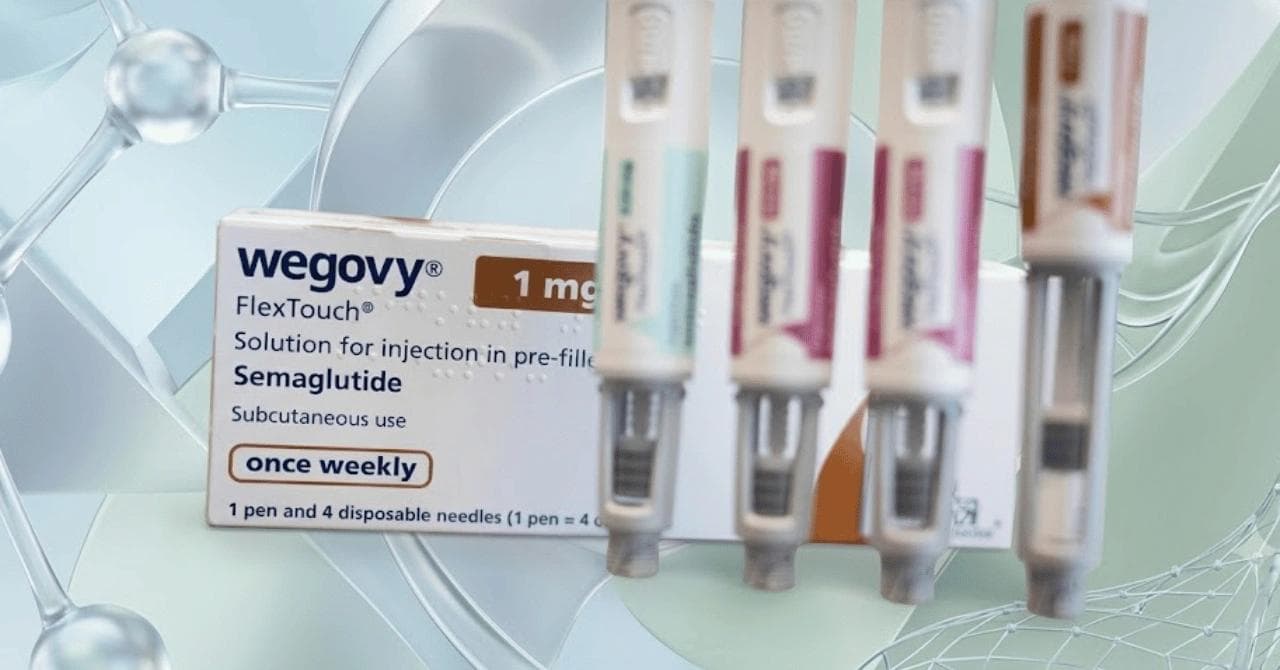
Wegovy (semaglutide) carries FDA approval for chronic weight management in adults with obesity or overweight who have at least one weight-related medical condition. That's its lane. Menopausal symptoms are not an approved indication, and hot flashes haven't appeared as a primary side effect in its clinical trials.
As a GLP-1 receptor agonist, semaglutide works by mimicking a gut hormone that slows gastric emptying and reduces appetite. The most common side effects are gastrointestinal: nausea affects roughly 44% of users, diarrhea about 30%, and vomiting or constipation around 24% each, according to Wegovy's prescribing information. Temperature changes are not officially listed as side effects.
This distinction matters because indirect symptom relief through weight loss is very different from a drug that targets the hormonal or neurological pathways driving hot flashes.
The Unexpected Connection: Rapid Weight Loss and Vasomotor Symptoms
Here's where things get interesting. Fat tissue actively participates in metabolism. It plays a role in estrogen metabolism, so rapid fat loss can shift how the body handles hormones. According to reporting from MeAgain, this shift can unmask or influence vasomotor symptoms, particularly in women who are perimenopausal and already on the edge of hormonal instability.
Real-world data backs up the temperature complaint angle. A 2026 study analyzing Reddit posts from GLP-1 users found that 43.5% of 67,008 self-reported users experienced at least one side effect, with temperature-related complaints like chills and hot flashes showing up as notable unrecognized side effects, according to Healthline. That's a meaningful signal, even if it's not a clinical trial.
Some anecdotal reports go further. Healthline has also covered accounts of GLP-1 users whose hot flashes ceased and whose menstrual cycles returned, though researchers are clear that this needs proper scientific investigation before any conclusions can be drawn. Rapid weight loss creates a cascade of metabolic changes, and women near perimenopause are particularly sensitive to those shifts.
Can Wegovy Reduce Hot Flash Intensity? What the Evidence Actually Shows
The honest answer is: perhaps indirectly, for some women. Hot flashes are not listed as a primary side effect in semaglutide clinical trials, and researchers did not study Wegovy with vasomotor symptom reduction as an endpoint.
The indirect pathway is more plausible. Weight gain and insulin resistance are known to worsen hot flash intensity, according to HealthCentral. By improving both, GLP-1 medications like Wegovy may take some of the edge off. Patients on semaglutide at the 2.4 mg weekly dose lost an average of 15% of their body weight over 68 weeks in clinical trials, per The London Obesity Clinic. That degree of weight loss can meaningfully improve metabolic health.
But the gap between "metabolic improvement may help" and "Wegovy treats hot flashes" is wide. Anecdotal reports are interesting starting points, not evidence-based conclusions. Women looking for reliable hot flash relief should know that purpose-built treatments now exist.
Managing Menopause While on Wegovy: A Practical Approach
While Wegovy addresses the weight gain that often accompanies menopause, it does not directly impact hormone levels or reverse menopausal symptoms. These are separate problems requiring separate solutions.
If you're experiencing temperature sensitivity or flushing while on Wegovy, it's worth tracking whether the timing correlates with dose escalation, meals, or hypoglycemic episodes. Distinguishing between a GLP-1-related temperature fluctuation and a classic hot flash matters for choosing the right response. Staying well-hydrated, avoiding common hot flash triggers like alcohol and spicy food, and dressing in layers are practical short-term strategies.
The bigger picture in women's health and endocrinology is that menopause rarely presents as a single problem. Weight, sleep, mood, and vasomotor symptoms are interconnected. Wegovy can be a meaningful piece of that puzzle. It's rarely the whole picture.
2026's New Hot Flash Treatments: Beyond Hormone Therapy
Approximately 75% of menopausal women experience moderate to severe hot flashes, according to Doctronic. This massive population has historically had limited non-hormonal options, but the situation is changing rapidly.
Fezolinetant (Veozah), approved in May 2023, works as an NK3 receptor antagonist and targets the brain's temperature regulation pathways. In clinical data cited by Doctronic, it demonstrated a 70-75% reduction in moderate-to-severe hot flashes within just four weeks. Such results are significant for a non-hormonal pharmacology option.
Elinzanetant (Lynkuet) takes the mechanism a step further. Approved by the FDA in October 2025, it's a dual NK1/NK3 receptor antagonist. Clinical trials showed it substantially reduced moderate to severe hot flashes over 12 weeks and also produced benefits for sleep, which is a common casualty of vasomotor symptoms. For women whose hot flashes disrupt sleep, this dual action is worth discussing with a provider.
Other non-hormonal options remain relevant too. SSRIs and SNRIs, gabapentin, and oxybutynin all have evidence behind them for hot flash relief, and they may suit women who can't or don't want to use hormone therapy. Future treatments are also in development, including investigational non-hormonal approaches in early-phase trials.
Combining Treatments: When Wegovy Works Alongside Hot Flash Medications
Wegovy and the neurokinin receptor antagonists are solving different problems. Wegovy targets obesity and metabolic health. Fezolinetant and elinzanetant target the neurological signaling driving hot flashes. Used together under proper medical supervision, they're not competing.
That said, disclosing every medication to your healthcare provider is non-negotiable. Drug interactions, overlapping side effects, and timing considerations all require professional oversight.
If you're sourcing your Wegovy prescription from a licensed Canada pharmacy, bring the full medication list to every appointment. Individualized treatment plans that address both weight and vasomotor symptoms tend to outperform single-drug approaches. A provider with experience in menopause management and metabolic health can help map out what combination makes sense for your specific situation. You can also explore the full range of prescription drugs available online to understand your options before that conversation.
Taking Control: Choosing the Right Treatment Path for Your Menopause
Wegovy hot flashes poses a question about two different tools trying to do the same job. Semaglutide is a weight management tool with meaningful metabolic benefits. It can improve the underlying conditions that worsen hot flashes, but it wasn't designed to treat them and shouldn't be used as a substitute for targeted therapy.
The good news is that 2026 offers more evidence-based options than ever before, from the neurokinin antagonists reshaping non-hormonal pharmacology to established options like SSRIs and gabapentin. Work with your doctor to build a plan that addresses your weight, your vasomotor symptoms, and your overall women's health goals as separate but connected priorities. You can read more about these and related medications in the Polar Bear Meds articles section, or explore medication categories to better understand what's available through a licensed Canadian pharmacy.
Frequently Asked Questions
Wegovy isn't approved to treat hot flashes directly, but it may offer indirect relief for some women. By promoting significant weight loss and improving insulin resistance, both of which can worsen vasomotor symptoms, semaglutide may reduce hot flash intensity. Anecdotal reports suggest some users experience changes in temperature regulation, but targeted scientific research on this specific question is still limited.
No. Wegovy's FDA approval covers chronic weight management in adults with obesity or overweight who have at least one weight-related health condition. It's intended to be used alongside a reduced-calorie diet and increased physical activity. Hot flashes and other menopausal symptoms fall outside its approved indications entirely.
Two non-hormonal options have received recent FDA approval and represent the most significant advances in hot flash treatment in years. Fezolinetant (Veozah), approved in May 2023, works as an NK3 receptor antagonist and has shown a 70-75% reduction in moderate-to-severe hot flashes within four weeks. Elinzanetant (Lynkuet), approved in October 2025, adds NK1 receptor blockade and carries added benefits for sleep disruption.
Disclaimer
This article is informational and isn't a substitute for medical advice. Menopause management, weight loss medications, and hot flash treatments all involve real clinical decisions that depend on your individual health history. Talk to your doctor or a qualified healthcare provider before starting, stopping, or combining any medications.