Canadian Pharmacy 2026: What's Changed for U.S. Patients in the New Drug Pricing Era
Many U.S. patients who previously relied on Canadian pharmacies are now reassessing their options in 2026. As Medicare reforms, U.S. discount programs, and updated Canadian pricing regulations continue to evolve, the Canadian pharmacy 2026 landscape is changing. Patients comparing long-term prescription costs are increasingly reviewing whether Canadian pharmacy pricing still offers predictable savings. Many are also comparing these costs against variable U.S. retail and insurance-based pricing systems.
What Changed for U.S. Patients in the New Drug Pricing Era?
Recent Medicare reforms and federal drug pricing updates have reshaped how U.S. patients manage prescription costs in 2026. The focus has shifted toward improving affordability for seniors while introducing stronger controls on pricing for selected high-cost medications.
2026 Drug Pricing Reforms Under Medicare and Federal Policy
- Federal Medicare price negotiations: The first set of negotiated prices for select high-cost brand-name medications, including commonly used chronic therapies, took effect in 2026.
- Annual out-of-pocket cap: Medicare Part D beneficiaries are protected by a yearly spending limit of approximately $2,100 for covered prescriptions.
- Inflation-linked pricing rules: Drug manufacturers may face penalties if price increases exceed inflation benchmarks.
- Lower insulin costs: Eligible Medicare patients can access insulin at a capped monthly cost of $35.
- No-cost preventive vaccines: Recommended vaccines under Medicare Part D are covered with no copay or deductible.
Why Prescription Costs Still Vary Across U.S. Patients in 2026
Although these reforms improve affordability for many seniors, prescription spending is not uniform across all patients. Coverage gaps still exist for commercially insured and uninsured individuals. Out-of-pocket variation is mainly influenced by:
- High deductibles that reset annually
- PBM (pharmacy benefit managers) and insurance formulary tier placement
- Differences between commercial and federal coverage rules
- Drug-specific eligibility under negotiated pricing programs
As a result, many patients still review full-year prescription costs carefully to understand their true financial exposure, especially for long-term maintenance medications.
Canadian Pharmacy 2026: Why Some Brand-Name Drugs Still Cost Less
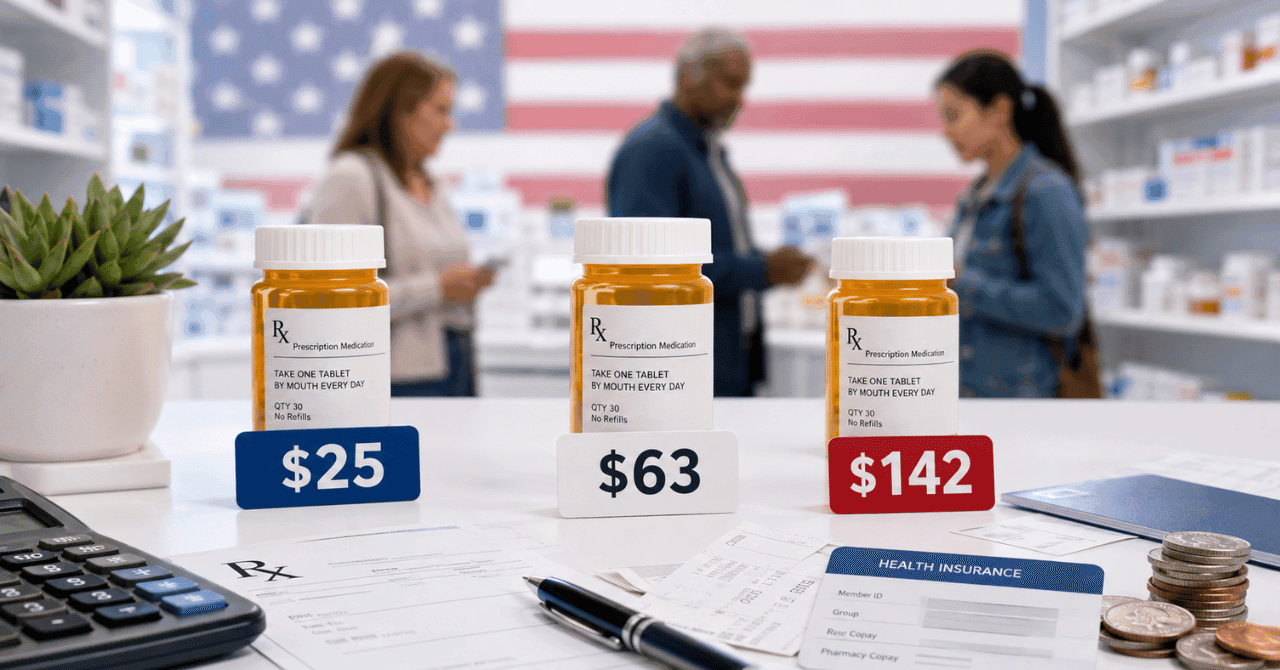
In 2026, many U.S. patients still compare Canadian pharmacy pricing with domestic options when evaluating long-term prescription costs. Even with expanded U.S. pricing reforms and federal discount programs, some brand-name medications can remain less expensive through Canadian pharmacy channels. This difference mainly comes from how each country controls drug prices, negotiates manufacturer rates, and applies insurance-based reimbursement rules.
Canadian Pharmacy 2026 U.S. Pricing Comparison
In 2026, prescription drug pricing in Canada continues to offer a more stable and predictable cost structure for select brand-name maintenance medications compared to standard U.S. retail pricing. This difference is mainly driven by regulated pricing frameworks, national-level oversight, and controlled annual adjustments on patented drugs.
Even with updated Canadian pricing rules allowing revised ceilings for newer patented therapies, overall costs for many commonly used maintenance medications remain lower than typical U.S. cash prices. This difference is especially noticeable for uninsured patients and those with high-deductible health plans.
30-Day Canadian Pharmacy vs. U.S. Brand Price Comparison (2026)
| Medication | Primary Use | Estimated U.S. Cash Price | Estimated Canadian Price |
|---|---|---|---|
| Xarelto (20 mg) | Oral anticoagulant | ~$530-$580 | ~$65-$140 |
| Spiriva Respimat (2.5 mcg) | COPD maintenance inhaler | ~$450-$500 | ~$85-$110 |
| Januvia (100 mg) | Type 2 diabetes management | ~$410-$440 | ~$75-$140 |
| Jardiance (10 mg) | SGLT2 diabetes therapy | ~$700-$760 | ~$110-$140 |
← Swipe to see more →
Note: These figures are estimates based on 2026 retail benchmarks and typical Canadian mail-order pricing ranges. Actual out-of-pocket costs may vary depending on pharmacy, dosage, insurance coverage, and regional availability.
Safety Guide: How to Evaluate Canadian Pharmacies in 2026
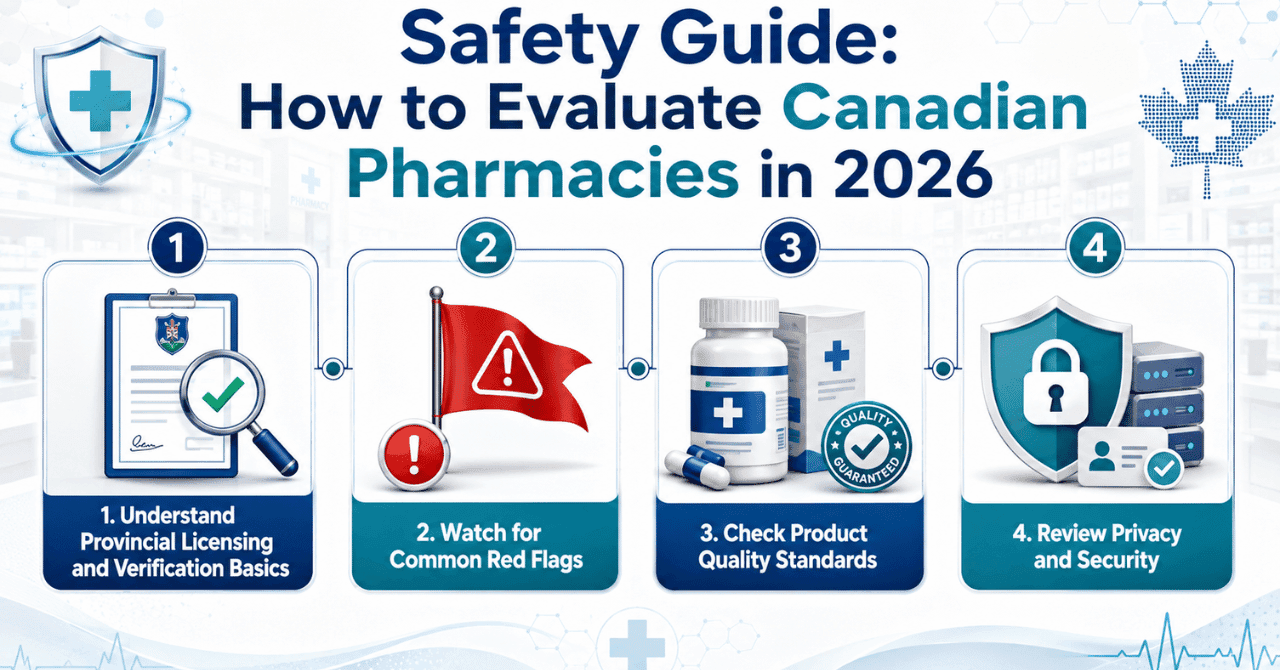
In 2026, patients comparing international pharmacy options should verify legitimacy carefully before placing an order. A safe Canadian pharmacy must follow strict prescription requirements, operate under provincial licensing rules, and maintain transparent business practices.
1. Understand Provincial Licensing and Verification Basics
Canadian pharmacies are regulated at the provincial level, and licensing information is typically maintained by the relevant College of Pharmacists in each province. Patients can cross-check publicly available registry details and ensure the business information listed online aligns with official regulatory records.
2. Watch for Common Red Flags
Be cautious if prescription drugs are offered without a valid prescription. Avoid websites with no physical address or pharmacist contact details. Unrealistic delivery claims or low transparency in ownership are warning signs.
3. Check Product Quality Standards
Look for proper labeling, including strength, expiry date, and batch number. Reliable pharmacies also provide clear manufacturer and packaging information. Safety updates from Health Canada can help support verification.
4. Review Privacy and Security
Ensure the website uses HTTPS encryption for secure checkout. Clear privacy, refund, and shipping policies should be available. Prescription verification should always be required before dispensing medications.
Canadian Pharmacy in 2026: Is It Still Worth Considering for U.S. Patients?
In 2026, Canadian pharmacies still play a role in how many U.S. patients evaluate long-term prescription spending, particularly for select brand-name maintenance therapies. Even with expanded Medicare protections and newer domestic pricing reforms, out-of-pocket costs remain inconsistent. This is mainly due to deductibles, formulary restrictions, and insurance tier structures. Because of this variability, many patients compare total annual costs across systems to understand real financial exposure. In specific cases, regulated international pricing can offer a more predictable reference point for budgeting chronic medication expenses.
Frequently Asked Questions
In many cases, Canadian pharmacies may offer lower prices for select brand-name prescription medications compared to standard U.S. retail pricing. However, actual savings vary depending on the drug, dosage, insurance coverage, and availability of domestic discount programs in the U.S.
U.S. citizens may obtain prescription medications from Canadian pharmacies when a valid prescription is provided by a licensed healthcare provider. However, importation rules and enforcement policies vary, and eligibility depends on current regulatory guidelines and the type of medication.
Prescription drugs in Canada are reviewed and approved by federal health authorities, primarily Health Canada. Pricing and market oversight for patented medications is also supported by regulatory bodies such as the Patented Medicine Prices Review Board (PMPRB), which monitors cost levels for safety and fairness.
Disclaimer
This article is for informational purposes only and does not provide medical, legal, or financial advice. Information related to Canadian pharmacy 2026, including pricing trends, availability, regulatory updates, and cross-border pharmacy options in the U.S. and Canada, may change over time. Patients should always consult a licensed healthcare provider and independently verify pharmacy credentials before making any medication-related or purchasing decisions.