Does High Cholesterol Cause High Blood Pressure?
HOME | DIABETES EDUCATION | DOES HIGH CHOLESTEROL CAUSE HIGH BLOOD PRESSURE? FIND OUT
Struggling to decipher the connection between high cholesterol and high blood pressure? While the direct causation is not crystal clear, the impact of one on the other is worth exploring. Understanding the intricate relationship between these two factors is crucial for managing your cardiovascular health.
By uncovering the nuances of this connection, you can gain insight into how your cholesterol levels may be influencing your blood pressure, and vice versa. Stay tuned to uncover the subtle yet significant ways in which high cholesterol and high blood pressure intersect, and how this understanding can empower you to take control of your heart health.
Understanding Cholesterol and High Blood Pressure
Understanding the relationship between high cholesterol and high blood pressure is crucial for managing your cardiovascular health effectively. While high cholesterol doesn’t directly cause high blood pressure, it can indirectly contribute to it. The buildup of cholesterol in the arteries can lead to narrowing and stiffening, increasing resistance to blood flow and requiring higher pressure for effective blood circulation. This emphasizes the importance of managing both high cholesterol and high blood pressure.
By focusing on lifestyle changes like a healthy diet and regular exercise, along with necessary medication, you can reduce the risk of heart disease. Monitoring your cholesterol and blood pressure levels regularly is crucial for prevention and management. High cholesterol deposits along artery walls, causing them to become stiff and narrow, contributing to high blood pressure. Additionally, arterial damage from high blood pressure allows excess cholesterol to collect, worsening the narrowing of arteries and increasing the risk of cardiovascular issues.
Keep in mind that high cholesterol and high blood pressure are the main risk factors for heart disease and stroke, often coexisting and compounding their detrimental effects on cardiovascular health. Both conditions are part of metabolic syndrome, increasing the risk for diabetes and emphasizing the interconnectedness of high cholesterol and high blood pressure.
Why High Cholesterol and High Blood Pressure Often Occur Together?
Several lifestyle and health factors can increase the likelihood of developing both high cholesterol and high blood pressure, as shown in the table below.
| Risk Factor | How It Affects High Cholesterol | How It Affects High Blood Pressure |
|---|---|---|
| Unhealthy diet | Increases LDL cholesterol and plaque buildup | Raises sodium and fat intake, increasing pressure |
| Lack of physical activity | Slows metabolism and increases cholesterol levels | Weakens heart efficiency and increases the risk of high blood pressure |
| Excess body weight | Raises cholesterol production in the body | Increases strain on the heart and blood vessels |
| Smoking | Damages artery walls and worsens cholesterol buildup | Narrows blood vessels and raises blood pressure |
| Diabetes | Alters fat metabolism and raises cholesterol levels | Damages blood vessels and increases the risk of high blood pressure |
| Aging | Slows cholesterol processing | Causes arteries to stiffen over time |
← Swipe to see more →
The Link Between Cholesterol and Hypertension
Are you aware of the intricate connection between high cholesterol and hypertension, and how they collectively impact your cardiovascular health? While high cholesterol does not directly cause high blood pressure, it can indirectly contribute to it. High cholesterol leads to the buildup of cholesterol in the arteries, causing them to narrow and stiffen.
This narrowing and stiffening increase resistance to blood flow, requiring the heart to pump blood at a higher pressure. The damage to the arteries from high blood pressure also allows excess cholesterol to collect, further exacerbating the problem.
Moreover, the renin-angiotensin system (RAS), responsible for regulating blood pressure, may be affected by high cholesterol. High cholesterol and high blood pressure are the main risk factors for heart disease and stroke, and both are part of metabolic syndrome, which increases the risk for diabetes.
To manage these conditions, it is crucial to monitor cholesterol levels, and blood pressure, and make lifestyle changes such as adopting a healthy diet and regular exercise. If necessary, medication can also be used to reduce the risk of heart disease. According to the American Heart Association, managing both high cholesterol and high blood pressure is essential for overall cardiovascular health.
Impact of High Cholesterol on Blood Pressure
Has high cholesterol affected your blood pressure and increased your risk of heart disease and stroke? While high cholesterol doesn’t directly cause high blood pressure, it can impact it indirectly. The buildup of cholesterol in the arteries can lead to narrowing and stiffening, increasing resistance to blood flow and requiring higher pressure for effective blood circulation.
This arterial damage from high blood pressure also allows excess cholesterol to collect, further impacting blood pressure regulation. High cholesterol and high blood pressure are the main risk factors for heart disease and stroke, making their management crucial for long-term health. Both conditions are part of metabolic syndrome, increasing the risk for diabetes, and highlighting the need for holistic management.
“High blood pressure and high cholesterol are two of the biggest causes of heart disease. In the U.S., about 1 in 3 adults have high blood pressure, and about 1 in 3 adults have high cholesterol. For more than half of the adults in each group, treatment isn’t helping enough or else they’re not using any treatment.
https://my.clevelandclinic.org/health/articles/11918-cholesterol-high-cholesterol-diseases”
High cholesterol and blood pressure in young adults increase the risk of heart disease later in life, emphasizing the importance of early detection and management. Managing cholesterol levels, especially LDL or “bad” cholesterol, is vital, while also maintaining healthy blood pressure levels. Additionally, focusing on increasing levels of “good” cholesterol can have a positive impact on blood pressure regulation and overall cardiovascular health.
| Risk Factor | How It Affects High Cholesterol | How It Affects High Blood Pressure |
|---|---|---|
| Unhealthy diet | Increases LDL cholesterol and plaque buildup | Raises sodium and fat intake, increasing pressure |
| Lack of physical activity | Slows metabolism and increases cholesterol levels | Weakens heart efficiency and increases the risk of high blood pressure |
| Excess body weight | Raises cholesterol production in the body | Increases strain on the heart and blood vessels |
| Smoking | Damages artery walls and worsens cholesterol buildup | Narrows blood vessels and raises blood pressure |
| Diabetes | Alters fat metabolism and raises cholesterol levels | Damages blood vessels and increases the risk of high blood pressure |
| Aging | Slows cholesterol processing | Causes arteries to stiffen over time |
← Swipe to see more →
Managing Cholesterol and Blood Pressure
Managing your cholesterol and blood pressure is essential for reducing the risk of heart disease and stroke. To manage high cholesterol, focus on maintaining healthy cholesterol levels by consuming a diet low in saturated fats and cholesterol. The American Heart Association recommends limiting saturated fat to 5-6% of total daily calories and consuming no more than 300 mg of cholesterol per day. Additionally, increasing your intake of soluble fibre, found in oats, fruits, and vegetables, can help lower LDL cholesterol numbers.
Regular physical activity and weight management also play a crucial role in managing high cholesterol levels. For high blood pressure, reducing sodium intake, increasing potassium-rich foods, and moderating alcohol consumption can help maintain healthy blood pressure levels. Managing stress through relaxation techniques and getting enough sleep are also beneficial. It’s important to work closely with your healthcare provider to monitor and manage both cholesterol and high blood pressure, as these conditions significantly impact the health of your blood vessels and the overall risk of heart disease.
Importance of Screening for Heart Health
Ensuring regular screenings for heart health is crucial for early detection of high cholesterol and high blood pressure, as they often present with no early warning signs. Screening allows for the identification of potential risk factors, such as high cholesterol levels and elevated blood pressure, which are significant contributors to heart disease and other cardiovascular complications. The American Heart Association recommends routine screenings for cholesterol and blood pressure to assess an individual’s risk profile accurately. Below is a table outlining the significance of screening for heart health:
Regular screenings for heart health are essential in managing and preventing the progression of heart disease, as they provide valuable insights into cholesterol numbers, blood pressure levels, and overall cardiovascular risk. By staying proactive and vigilant through screenings, individuals can effectively mitigate the impact of high cholesterol and high blood pressure on their heart health.
Optimal Cholesterol Levels for Heart Health
Regular screenings for heart health are pivotal in identifying potential risk factors, such as high cholesterol levels and elevated blood pressure, which are significant contributors to heart disease and other cardiovascular complications, and they provide a foundation for discussing optimal cholesterol levels for heart health.
When it comes to cholesterol levels, it’s essential to focus on maintaining a healthy balance. Your blood test will measure both good (HDL) and bad (LDL) cholesterol levels. Ideally, you should aim for a total cholesterol level below 200 mg/dL, with LDL cholesterol below 100 mg/dL. On the other hand, your HDL cholesterol should be 60 mg/dL or higher to lower your risk of heart disease. It’s important to understand that managing your cholesterol levels is crucial for your heart health.
By making lifestyle changes, such as adopting a heart-healthy diet, engaging in regular physical activity, and, if necessary, taking prescribed medication, you can effectively lower your cholesterol and reduce the risk of heart disease. Keeping a close eye on your cholesterol levels and working with your healthcare provider to maintain optimal levels is essential for your overall heart health.
Ways to Control Cholesterol and Blood Pressure
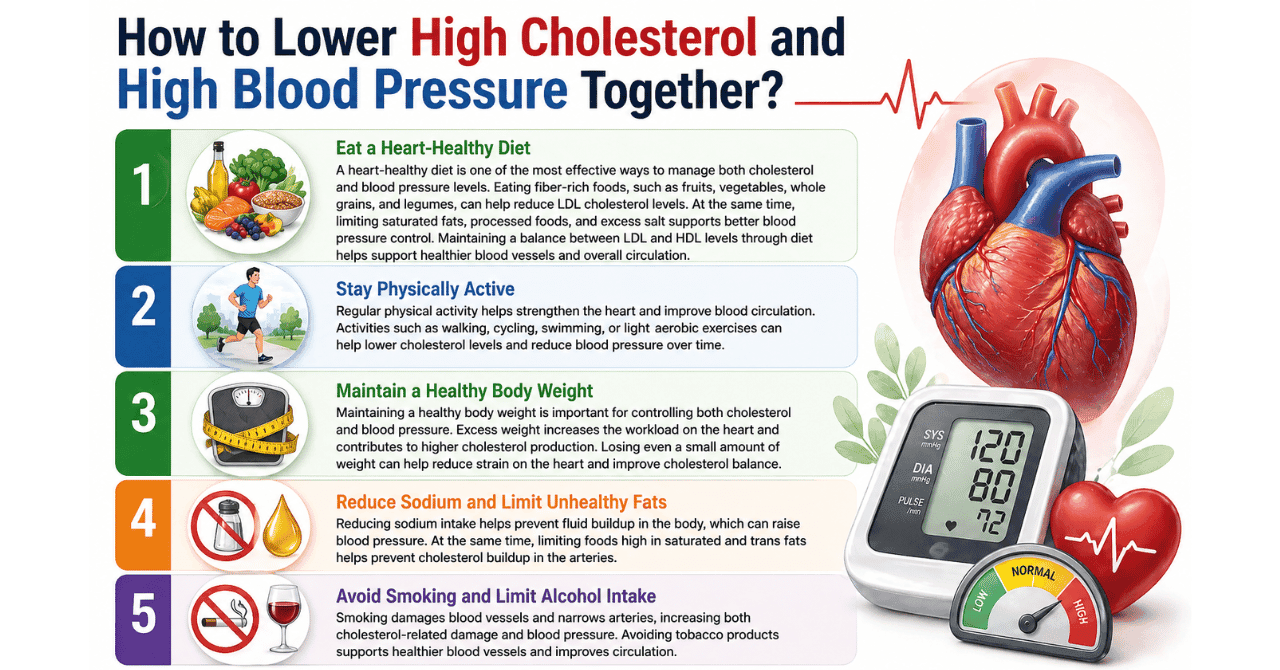
To effectively control your cholesterol and blood pressure, prioritize a healthy diet rich in fruits, vegetables, whole grains, lean proteins, nuts, seeds, and vegetable oils. This will help manage high cholesterol and high blood pressure while reducing your risk of heart disease. Additionally, consider the following steps:
Limit Saturated Fat Intake: Lower your cholesterol and control blood pressure by limiting saturated fat intake to less than 6% of your daily calories. This will contribute to better cholesterol and blood pressure levels.
Engage in Regular Physical Activity: Manage high cholesterol and high blood pressure by engaging in regular physical activity. Aim for at least 150 minutes of moderate-intensity cardio each week to benefit your cholesterol and blood pressure.
Maintain a Healthy Weight: Achieve and maintain a healthy weight, as obesity is linked to high blood pressure and high cholesterol. This will help control your cholesterol and blood pressure, reducing the risk of heart disease.
Cholesterol’s Role in Hypertension
High cholesterol’s role in hypertension is crucial to understand for effectively managing both conditions and reducing the risk of heart disease. While high cholesterol doesn’t directly cause high blood pressure, it can contribute to it. Cholesterol is a waxy substance that may deposit along artery walls, causing them to become stiff and narrow. This can increase resistance to blood flow, requiring higher pressure for effective circulation.
Additionally, high blood pressure can cause arterial damage, allowing excess cholesterol to collect and further exacerbating the issue. Furthermore, high cholesterol can impact the renin-angiotensin system (RAS), affecting blood pressure regulation. It’s important to have your cholesterol checked regularly, as high cholesterol can increase the risk of high blood pressure as well as heart disease.
By effectively managing both cholesterol and blood pressure through lifestyle changes and, if necessary, medication, you can reduce the risk of cardiovascular disease. Regular monitoring of cholesterol numbers may also help in preventing and managing these conditions.
Damage to Arteries From High Cholesterol and Blood Pressure
Cholesterol’s impact on arterial health extends beyond contributing to hypertension, as the buildup of cholesterol along artery walls can lead to stiffness and narrowing, impeding proper blood flow. This arterial damage from high cholesterol and high blood pressure can result in a vicious cycle, as high blood pressure can cause higher blood pressure levels, further exacerbating the damage caused by high cholesterol.
Moreover, high cholesterol can increase heart and blood pressure levels, leading to an increased risk of cardiovascular complications. As cholesterol and blood pressure are intricately linked, it’s important to understand that high blood pressure as well as high cholesterol can have detrimental effects on the arteries and blood vessels.
Both conditions can lead to a compromised cardiovascular system, increasing the risk of heart disease and stroke. Therefore, managing cholesterol and blood pressure levels is vital in preventing arterial damage and reducing the risk of developing severe cardiovascular conditions.
Unhealthy Partnership: Cholesterol and Hypertension
Have you considered how high cholesterol and hypertension may be interconnected and impacting your overall cardiovascular health? While high cholesterol does not directly cause high blood pressure, it can contribute to its development. The buildup of cholesterol in the arteries can lead to arterial stiffness and narrowing, increasing resistance to blood flow and requiring higher pressure for effective blood circulation.
This can indirectly lead to high blood pressure. Additionally, arterial damage from high blood pressure can allow excess cholesterol to accumulate. There is a connection between high blood pressure and high cholesterol, both of which are primary risk factors for heart disease and stroke. Managing both conditions is crucial as they increase the risk of heart attack, stroke, and metabolic syndrome. Regular monitoring of cholesterol and blood pressure levels, especially in individuals with a family history of high cholesterol, is essential to prevent and manage these conditions. The following table summarizes the unhealthy partnership between cholesterol and hypertension:
Treating and Managing High Cholesterol
Considering the interconnected impact of high cholesterol and hypertension on your cardiovascular health, it’s crucial to understand the effective methods for treating and managing high cholesterol.
Here are some key strategies for managing high cholesterol:
Healthy Lifestyle: Incorporate a heart-healthy diet rich in fruits, vegetables, whole grains, and lean proteins. Engage in regular physical activity to help lower LDL cholesterol and raise HDL cholesterol levels. Aim to maintain a healthy weight to reduce the risk of heart disease.
Medication: If lifestyle changes are insufficient, medications such as statins may be prescribed to lower cholesterol levels. Adherence to prescribed plans is crucial for effective management and reducing the risk of heart attack and stroke.
Regular Monitoring: Schedule regular blood tests to monitor cholesterol levels and keep track of your progress. Monitoring blood pressure and cholesterol levels is essential in assessing the risk of heart disease and making informed decisions about your treatment plan.
Frequently Asked Questions
High cholesterol doesn’t directly raise blood pressure, but it can lead to artery narrowing and stiffness, indirectly contributing to high blood pressure. Manage both with a healthy lifestyle and medication if needed to reduce heart disease risk.
If you’re concerned about high cholesterol, watch out for warning signs like chest pain, shortness of breath, and numbness in limbs. Testing is essential for early detection. Lifestyle changes and medication can help manage high cholesterol.
To lower your blood pressure and cholesterol, focus on a healthy diet, regular exercise, and, if needed, medication. Incorporate more fruits, vegetables, and whole grains while reducing salt and saturated fats. Stay active and follow your doctor’s recommendations.
When you have high cholesterol, your body may not feel different, but it can lead to artery stiffening and narrowing, indirectly contributing to high blood pressure. Managing both through lifestyle changes and medication helps reduce heart disease risk.