Repatha Injection Sites: Where and How to Inject
Repatha injection sites matter more than most people realize. This medication isn’t just about taking a dose; it’s about where and how you inject it to ensure proper absorption and avoid unnecessary skin irritation. The most common sites include the thigh, abdomen, and upper arm, but using them correctly can make a noticeable difference in comfort & effectiveness.
Repatha (evolocumab) is a PCSK9 inhibitor that lowers LDL cholesterol & reduces the risk of serious cardiovascular events. Because it’s given as a subcutaneous injection, proper technique, site rotation, and basic safety precautions are key to getting the best results from your treatment at home.
Recommended Repatha Injection Sites (Where to Inject Repatha)
Repatha is administered as a subcutaneous injection into the fatty tissue just under the skin. Choosing the correct injection sites for Repatha and rotating them helps improve comfort and reduce the risk of skin irritation.
FDA-Approved Repatha Injection Sites
- Abdomen (Stomach): Inject at least 2 inches away from the navel. This is often the preferred site for its ease of access and is generally less painful.
- Thigh: Use the front or middle section of the upper thigh. This area is ideal for those who prefer a firmer injection surface.
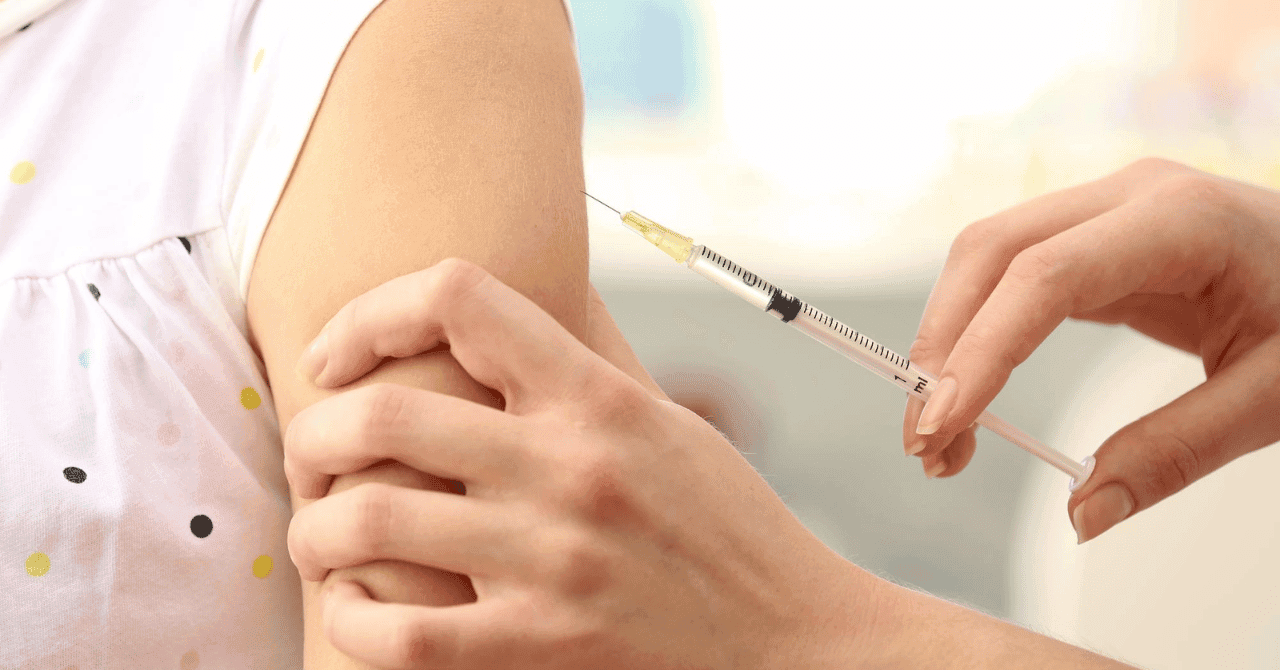
- Outer Upper Arm: This site should only be used if a caregiver or healthcare provider is administering the dose, as it is difficult to reach during self-injection.
Important Note: If you have a latex allergy, be aware that the needle cap on the autoinjector and prefilled syringe contains dry natural rubber. Consult your doctor if you have a history of latex sensitivity.
How to Rotate Repatha Injection Sites Safely
Rotating injection sites for Repatha is not just about comfort; it is a medical necessity to prevent lipohypertrophy. This is a condition in which fatty lumps form under the skin, preventing proper absorption of the medication.
- Never Use the Same Spot Twice: Always move to a different location for every dose. Even if you prefer the abdomen, choose a spot at least one inch away from where you last injected.
- Use the “Clock” Method: Visualize a clock face on your abdomen. For your first dose, inject at 12 o’clock; for the next dose, move to 2 o’clock or 3 o’clock. This ensures a systematic rotation.
- Switch Body Areas: Alternate between different parts of the body, such as moving from the abdomen to the thigh, or switching between left and right sides.
- Track Your Injection Sites: Keep a simple log using a calendar or a health app to note the date and the specific site used (e.g., "April 25: Upper Left Abdomen"). This removes the guesswork for your next dose.
Step-by-Step Instructions: How to Inject Repatha
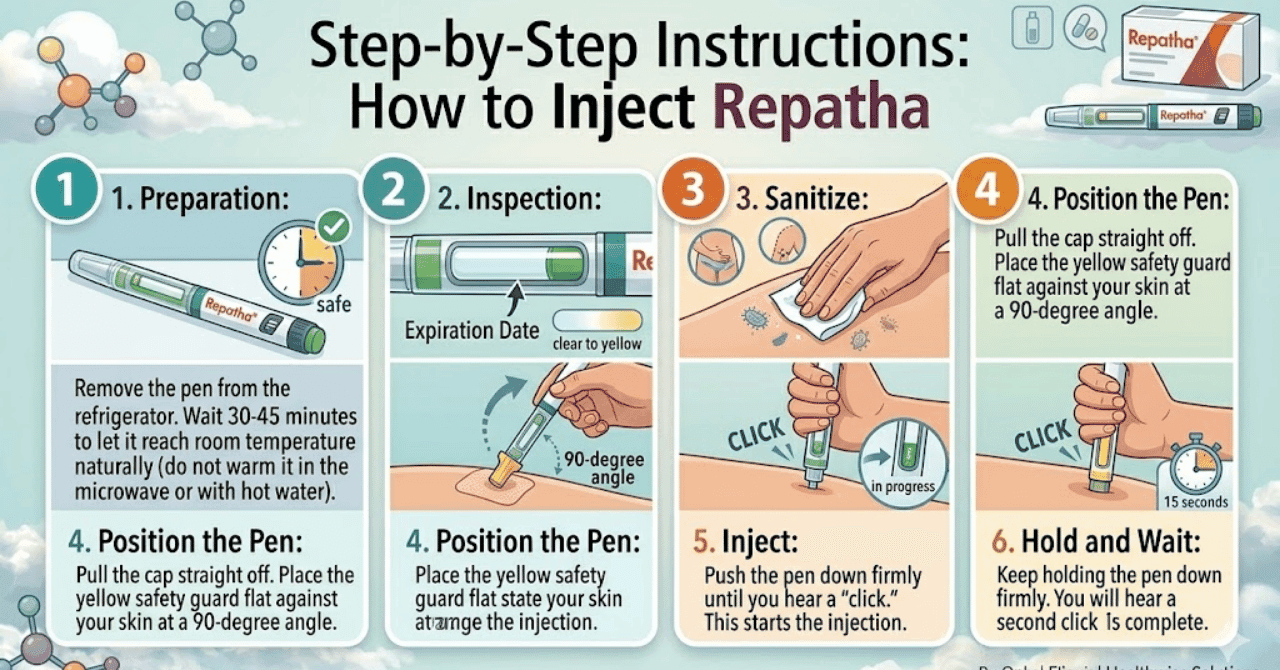
Using the Repatha SureClick autoinjector is a straightforward process. Follow these steps to make sure you receive your full Repatha dose safely:
- Preparation: Remove the pen from the refrigerator. Wait 30-45 minutes to let it reach room temperature naturally (do not warm it in the microwave or with hot water).
- Inspection: Look through the window. The medicine should be clear to slightly yellow. Do not use if it is cloudy, frozen, or has passed its expiration date.
- Sanitize: Clean your chosen injection site (thigh, abdomen, or outer arm) with an alcohol wipe and let the skin air-dry completely.
- Position the Pen: Pull the cap straight off. Place the yellow safety guard flat against your skin at a 90-degree angle.
- Inject: Push the pen down firmly until you hear a "click." This starts the injection.
- Hold and Wait: Keep holding the pen down firmly. You will hear a second click (or see the window turn yellow), which indicates the injection is complete. This usually takes about 15 seconds.
- Dispose: Lift the pen straight up and immediately discard it in an FDA-cleared Sharps disposal container.
Repatha Injection Precautions: What to Avoid and Where Not to Inject
To ensure safety and get the best results from your treatment, follow these important precautions when using the Repatha:
- Avoid Damaged or Irritated Skin: Never inject in the areas that are bruised, red, tender, or hard. Avoid skin with scars, stretch marks, or active rashes.
- The "2-Inch" Navel Rule: Do not inject within a two-inch radius of your belly button (navel), as this tissue is less ideal for subcutaneous absorption.
- Do Not Shake the Pen or Syringe: Shaking the Repatha pen can damage the medicine’s proteins. If you drop the pen on a hard surface, do not use it even if it looks fine.
- Handle the Device Carefully: Do not remove the cap until you are ready to inject. Once removed, use the device promptly to maintain sterility and reduce the risk of contamination.
- Never Reuse Injection Devices: Repatha autoinjector and syringes are single-use only. Reusing them increases the risk of injection and needle-related injury.
Common Repatha Injection Site Reactions and Side Effects
Most people tolerate Repatha (evolocumab) well, but mild reactions at the injection site are common. These are usually temporary and not a cause for concern.
| Reaction Type | Symptoms | What to Do |
|---|---|---|
| Common Injection Site Reactions | Redness, mild pain, swelling, itching, or small bruising | Usually resolves in a few days; apply a cool compress if needed |
| Mild Systemic Repatha Side Effects | Cold-like symptoms, such as a sore throat or a runny nose | Monitor symptoms; they typically improve over time |
| Allergic Reaction (Rare) | Rash, hives, swelling of face, lips, or tongue | Seek immediate medical attention |
← Swipe to see more →
Contact your doctor/provider if the evolocumab injection site becomes very painful, warm, or swollen; if you notice signs of infection (like pus); or if symptoms persist or worsen.
Repatha Injection Sites: Key Takeaways for Safe and Effective Use
Use approved Repatha injection sites in the abdomen, thigh, or upper arm and rotate them with every dose to prevent irritation and support proper absorption. Always inject into healthy skin, follow the correct technique, and allow the medication to reach room temperature before use. Staying consistent with site rotation and safety precautions helps maximize comfort and the overall effectiveness of your LDL-lowering treatment.
Frequently Asked Questions
There is no specific “best” time of day to inject Repatha. It can be taken at any time, but you should use it on the same day(s) each cycle (every 2 weeks or monthly) to stay consistent with your dosing schedule.
Repatha should be left at room temperature for at least 30-45 minutes before injection. Do not heat it with external sources such as hot water or a microwave.
Yes. If you are using the Repatha SureClick autoinjector, you typically do not need to pinch the skin; just place it flat against the injection site. Pinching may be used with a prefilled syringe if instructed.
Repatha injections are usually not very painful, but mild discomfort, stinging, or slight redness at the injection site can occur. Letting the medication reach room temperature and using proper technique can help reduce discomfort.
Medical Disclaimer
This content is for informational purposes only and does not constitute medical advice. Instructions and recommendations for Repatha injection sites may vary based on individual health conditions and treatment plans. Always consult a licensed healthcare provider for proper training, guidance, and decisions related to your medication and injection technique.