How to Afford GLP-1 Without Insurance in 2026: A Guide for Gig Workers and Contractors
Gig workers often face high GLP-1 costs without employer health benefits. In 2026, the answer depends on comparing every payment path carefully. This guide explains how to afford GLP-1 without insurance with verified payment options. Those include Marketplace checks, manufacturer programs, HSA planning, telehealth, and Canadian pharmacy pricing. It helps contractors compare safer ways of saving on GLP-1 prescriptions.
Why Gig Workers Need to Afford GLP-1 Without Insurance in 2026
Gig workers and contractors often face a different GLP-1 cost problem in 2026. Many do not get group health benefits through an employer. According to HealthCare.gov, self-employed people without employees can use the Health Insurance Marketplace.
This matters because GLP-1 medications may require steady monthly budgeting. A rideshare driver, delivery worker, freelancer, or creator may have changing income. That makes surprise pharmacy costs harder to manage.
Before starting, gig workers should review Marketplace rules, savings programs, and cash-pay pharmacy prices.
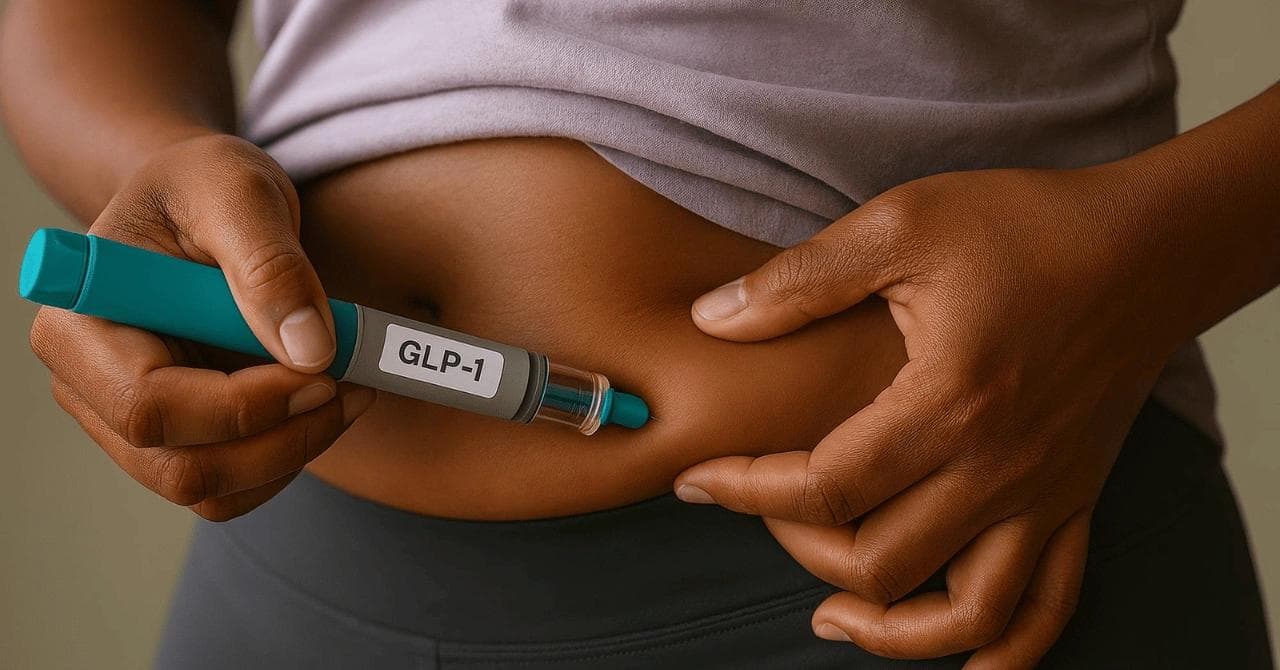
Why Marketplace Plans May Not Fully Cover GLP-1 Without Group Insurance
Marketplace plans may not fully cover GLP-1 medications without group insurance. All Marketplace plans include prescription drug coverage as an essential health benefit. However, that does not mean every GLP-1 drug is covered.
Each plan uses its own drug list, also called a formulary. HealthCare.gov explains that formulary drugs usually cost less for covered members. If Ozempic, Wegovy, or another GLP-1 is missing, the patient may pay more.
Coverage may also depend on the diagnosis. A plan may review GLP-1 use for type 2 diabetes differently from obesity management. Some plans may require prior authorization, step therapy, or specific documentation before approval.
For gig workers, this creates a planning problem. A low monthly premium may not mean lower GLP-1 costs. Contractors should check formulary coverage, deductible, copay, and approval rules before choosing a plan.
How to Check GLP-1 Coverage Without Employer Insurance
Without employer insurance, gig workers should check GLP-1 coverage before choosing any plan. A Marketplace plan may look affordable, but the drug rules decide the real cost.
Check the following points:1. Search the plan formulary: Look for the exact drug name and ingredient. Examples include semaglutide drugs like Ozempic or Wegovy, and tirzepatide drugs like Mounjaro or Zepbound.
2. Check the drug tier: A higher tier may mean higher copays or coinsurance.
3. Look for prior authorization: Some plans require medical documents before approval.
4. Check step therapy rules: The plan may ask patients to try another medication first.
5. Review diagnosis rules: Coverage may differ by diagnosis, especially when a drug is used through an off-label prescription.
6. Compare deductible costs: A covered GLP-1 may still cost more before the deductible is met.
7. Call member services: Ask whether the drug is covered under your exact plan.
8. Save written proof: Keep screenshots, plan documents, and call reference numbers.
Gig workers should also ask their prescribers’ office for help. The office may check benefits or submit required documentation. If coverage is denied, the patient can review appeals, manufacturer programs, or cash-pay options.
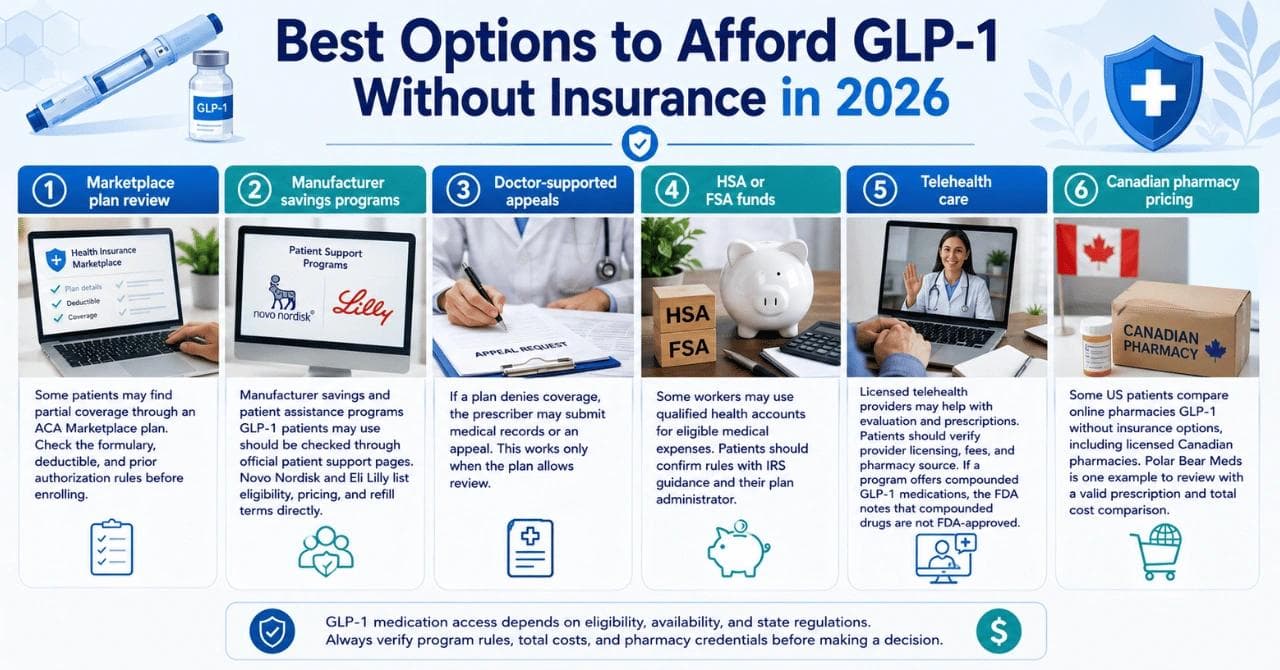
Best Options to Afford GLP-1 Without Insurance in 2026
Gig workers can lower GLP-1 costs by reviewing verified payment paths. They should not choose only by advertised monthly price. The total cost may include visits, refills, shipping, and follow-up care.
Possible options include:
1. Marketplace plan review: Some patients may find partial coverage through an ACA Marketplace plan. Check the formulary, deductible, and prior authorization rules before enrolling.
2. Manufacturer savings programs: Manufacturer savings and patient assistance programs GLP-1 patients may use should be checked through official patient support pages. Novo Nordisk and Eli Lilly list eligibility, pricing, and refill terms directly.
3. Doctor-supported appeals: If a plan denies coverage, the prescriber may submit medical records or an appeal. This works only when the plan allows review.
4. HSA or FSA funds: Some workers may use qualified health accounts for eligible medical expenses. Patients should confirm rules with IRS guidance and their plan administrator.
5. Telehealth care: Licensed telehealth providers may help with evaluation and prescriptions. Patients should verify provider licensing, fees, and pharmacy source. If a program offers compounded GLP-1 medications, the FDA notes that compounded drugs are not FDA-approved.
6. Canadian pharmacy pricing: Some US patients compare online pharmacies GLP-1 without insurance options, including licensed Canadian pharmacies. Polar Bear Meds is one example to review with a valid prescription and total cost comparison.
No single option works for every patient. Diagnosis, prescription status, income, plan rules, and safety checks all matter.
GLP-1 Cash-Pay Cost vs. Marketplace Plan Cost for Gig Workers
For gig workers, the lowest monthly premium is not always the lowest total cost. A Marketplace plan may include premiums, deductibles, copays, and approval rules. A cash-pay option may look simpler, but patients still need a valid prescription and a verified pharmacy source. The table below summarizes the main cost factors and verification steps.
| Option | Monthly Cost Factors | Possible Coverage Barriers | Best For | What to Verify |
|---|---|---|---|---|
| Marketplace plan | Premium, deductible, copay, coinsurance | Formulary limits, prior authorization, step therapy | Gig workers who need broader health coverage | Drug list, deductible, GLP-1 coverage rules |
| Manufacturer savings program | Program price, eligibility limits, and refill terms | Diagnosis rules, insurance status, program exclusions | Patients who meet manufacturer's terms | Official manufacturer savings page |
| Telehealth self-pay program | Visit fee, membership fee, medication cost | Program rules, prescription approval, and pharmacy source | Patients wanting bundled care and prescription support | Provider licensing and medication source |
| Canadian pharmacy cash-pay option | Listed drug price, shipping, prescription requirement | Importation rules, availability, processing time | Patients comparing cash-pay pharmacy pricing | Pharmacy licensing, valid prescription, total cost |
| HSA or FSA funds | Pre-tax account balance and eligible expenses | Requires eligible plan or account rules | Workers with qualified health spending accounts | IRS rules and plan administrator guidance |
← Swipe to see more →
This comparison does not show one best option for every patient. The right choice depends on diagnosis, prescription status, income, plan rules, and total yearly cost. Gig workers should compare the full amount paid over several months, not only the first advertised price.
Is Ordering GLP-1 From a Canadian Pharmacy Safe and Legal?
Ordering GLP-1 from a Canadian pharmacy requires careful verification. US patients should use a valid prescription and check the pharmacy source before paying. The FDA warns that importing prescription drugs for personal use may carry legal and safety concerns.
Patients should also confirm whether the pharmacy is properly licensed. Health Canada provides tools to verify authorized drug products and pharmacy-related information. This helps patients avoid unsafe websites, counterfeit products, or unclear supply chains.
How Gig Workers Can Build a GLP-1 Affordability Plan
Gig workers should build a GLP-1 affordability plan before starting treatment. This avoids surprise costs, missed refills, or rushed pharmacy decisions.
A simple plan can include these steps:
1. Confirm the prescription and diagnosis with a licensed prescriber.
2. Check Marketplace plans before enrolling or renewing coverage.
3. Review the formulary, prior authorization, and deductible.
4. Compare manufacturer savings and patient support programs.
5. Ask whether HSA or FSA funds can apply.
6. Compare cash-pay pharmacy prices, shipping, and prescription rules.
7. Keep screenshots, receipts, and plan documents for future review.
This process helps contractors avoid rushed decisions and compare options using verified information.
Bottom Line: Affording GLP-1 Without Insurance for Gig Workers and Contractors
Learning how to afford GLP-1 without insurance takes planning for gig workers and contractors. Marketplace plans, savings programs, telehealth care, HSA or FSA funds, and Canadian pharmacy pricing may all play a role. The goal is to choose a verified payment path that fits the patient’s prescription, budget, and coverage situation.
Frequently Asked Questions
Yes, gig workers can access Ozempic or Wegovy without employer insurance if they have a valid prescription. The payment route may include Marketplace coverage, manufacturer savings, cash-pay programs, telehealth care, or licensed pharmacy options. Eligibility and cost depend on the drug, diagnosis, and provider requirements.
A Marketplace plan can cover prescription drugs without covering every medication. GLP-1 coverage depends on the plan formulary, diagnosis rules, prior authorization, and exclusions. Patients should check the exact drug name and ask whether the plan covers it for their prescribed use.
Some medical expenses may be deductible if they meet IRS rules. However, tax treatment depends on income, itemized deductions, business structure, and whether the expense qualifies. Contractors should check IRS guidance and speak with a tax professional before claiming GLP-1 costs.
Yes, GLP-1 medications require a valid prescription from a licensed prescriber. This applies whether patients use insurance, manufacturer programs, telehealth care, or a pharmacy. Patients should avoid any website offering prescription GLP-1 drugs without proper medical review.
Disclaimer
This article is for general insurance navigation and cost-comparison purposes only. It is not medical, legal, tax, pharmacy, or insurance advice. GLP-1 coverage and costs can vary by plan, diagnosis, formulary, prior authorization, step therapy, deductible, savings program rules, pharmacy source, and 2026 plan changes. Patients should confirm details with their insurer, Marketplace plan, prescriber, pharmacist, tax professional, and official program documents. Any manufacturer savings, telehealth, HSA/FSA, cash-pay, or Canadian pharmacy option should be reviewed through official sources before making decisions.