GLP-1 DOT Medical Exam: What Every Commercial Driver Needs to Know in 2026
Key Takeaways
- GLP-1 medications alone don't automatically disqualify CDL holders from DOT certification.
- The FMCSA evaluates how well your condition is managed, not simply what you're prescribed.
- A1C below 8% and a Time in Range above 70% are key benchmarks for 2026 exams.
- Electronic blood glucose logs with timestamps are now required; handwritten records won't cut it.
Taking a GLP-1 medication doesn't end your commercial driving career. The GLP-1 DOT medical exam process is more nuanced than most drivers realize, and understanding what the FMCSA actually evaluates can mean the difference between a two-year certification and unnecessary anxiety at your next appointment. Here's what the current standards require.
GLP-1 Medications and Commercial Driving: Separating Myth from Regulation
Plenty of CDL holders assume that a prescription for Ozempic, Wegovy, Mounjaro, or Zepbound is an automatic red flag on their DOT physical. That assumption is wrong. GLP-1 use alone doesn't disqualify a commercial driver from receiving a DOT medical card. What matters to the Federal Motor Carrier Safety Administration (FMCSA) is whether the underlying condition, typically diabetes or obesity, is well-managed and safe for commercial driving.
Medical examiners don't see a medication name and stamp "disqualified." They look at the full clinical picture. As GLP-1 prescriptions have grown significantly across the U.S. population, Certified Medical Examiners are encountering these medications more frequently and need a clear framework for evaluating them fairly.
What GLP-1s Do and Why GLP-1 Side Effects Matter
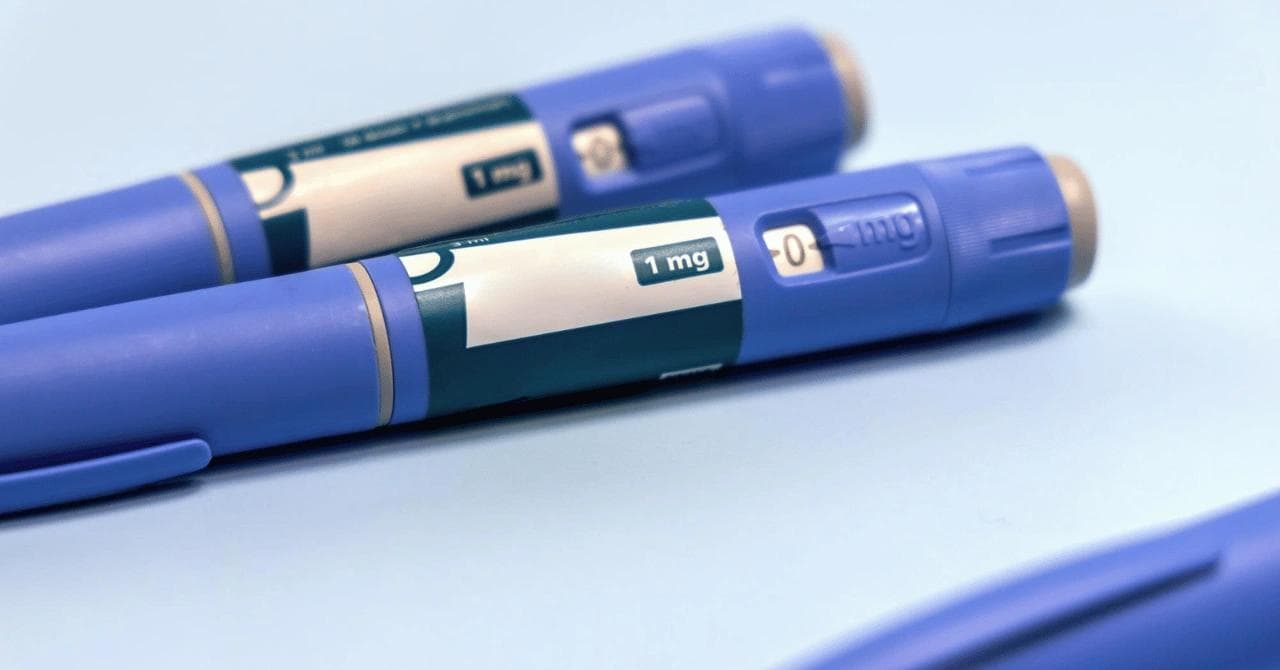
GLP-1 agonists, including semaglutide (the active ingredient in Ozempic and Wegovy), tirzepatide (found in Mounjaro and Zepbound), and liraglutide, work by stimulating insulin release in response to meals, slowing gastric emptying, and reducing appetite. For CMV drivers managing diabetes or obesity, that's genuinely useful. Better blood sugar control and weight loss can improve overall health and reduce long-term risks like neuropathy and vision problems.
But the side effect profile deserves honest attention. As noted by NRCME Training Online, nausea, dizziness, and fatigue are real concerns for drivers operating heavy vehicles. Any impairment behind the wheel is a critical safety issue. The good news is that GLP-1 medications carry a much lower risk of dangerous hypoglycemia compared to insulin or sulfonylureas, and this is exactly why they're considered more DOT-friendly when used correctly.
The FMCSA Standard: Managed Condition, Not Medication Restriction
The FMCSA's approach to diabetes and GLP-1 use reflects a broader shift toward individual assessment. The agency has streamlined its process to allow drivers with properly managed insulin-treated diabetes mellitus to qualify for CMV operation, moving away from blanket prohibitions that previously required exemptions for many insulin users.
For a GLP-1 DOT medical exam, the Certified Medical Examiner's job is thorough. According to NRCME Training Online, CMEs must obtain a complete medical history, conduct a comprehensive physical exam, and request medical clearance from the treating provider. That last step matters. A letter or assessment form from your prescribing physician confirming that your condition is stable and that side effects don't impair your ability to drive carries real weight in the certification decision.
Step-by-Step Preparation: Getting Ready for Your Medical Exam
Start gathering your electronic blood glucose records at least three months before your appointment. Don't wait until the week before. Your CGM or glucose meter app should allow you to export a timestamped log, and that file needs to be ready when you walk in.
Talk to your prescribing physician before your DOT exam, not after. Let them know you're a commercial driver and ask for written clearance confirming that your condition is stable and that your GLP-1 medication doesn't produce side effects that impair driving. Bring that letter with you.
During the exam itself, expect the CME to review your full medical history, conduct a physical, and ask specific questions about dizziness, fatigue, or any episodes of low blood sugar. Answer honestly. If your condition is well-managed, the documentation will back you up.
Recent Regulatory Changes and What's Different in 2026
The most significant shift in recent years is the FMCSA's streamlined process for insulin-treated diabetes, which allows drivers with stable, properly managed ITDM to qualify without the lengthy exemption process that was previously required. That change reflects a broader philosophy: assess the individual, not the medication category.
Electronic health records and continuous glucose monitoring have become central to that individual assessment. Examiners now have access to richer data than ever before, which benefits well-controlled drivers. If your blood sugar management is genuinely solid, the numbers will show it. The DOT medical guidelines 2026 trend is clearly toward data-driven, personalized review rather than policy-based exclusions.
Moving Forward: Proactive Steps to Maintain Your Certification
Staying certified comes down to consistency. Take your medication as prescribed, monitor your blood sugar regularly using a device that produces exportable electronic records, and don't skip follow-up appointments with your healthcare provider. Those check-ins are also opportunities to catch any emerging issues, like blood pressure changes or signs of neuropathy, before they become exam problems.
For the GLP-1 DOT medical exam, the drivers who run into trouble are usually the ones who show up unprepared, not the ones whose conditions are genuinely poorly managed. Keep your records current, maintain open communication with your prescribing physician, and stay informed as FMCSA guidance continues to evolve. If you're managing costs on GLP-1 medications while keeping up with your DOT requirements, exploring options like prescription drug savings from a licensed Canadian pharmacy can help you stay consistent without breaking the budget. Your CDL is worth protecting. The paperwork to do it is manageable.
Frequently Asked Questions
In most cases, no. Taking a GLP-1 medication alone isn't grounds for disqualification. The FMCSA focuses on whether you can safely operate a commercial vehicle, which means examiners look at your overall diabetes management, blood sugar stability, and whether side effects like dizziness or fatigue are affecting you. GLP-1 medications carry a low risk of dangerous hypoglycemia, which makes them generally compatible with DOT certification when used correctly.
There's no specific regulation targeting Ozempic (semaglutide) by name. The rules focus on the underlying condition being treated and whether it's well-managed. Your examiner will review your medical history, assess for impairing side effects, and ask for documentation, including recent A1C results (typically below 8%) and electronic blood sugar logs showing adequate Time in Range. A letter from your prescribing provider confirming safe use strengthens your case.
Yes, absolutely. Drivers are required to disclose all prescription medications during their DOT medical certification exam. That includes GLP-1 agonists like Ozempic, Wegovy, Mounjaro, or Zepbound. Bring a complete list with dosages and prescriber information. The examiner uses that information to assess whether the medication or the condition it treats affects your ability to safely operate a commercial motor vehicle.
Disclaimer
This article is for informational purposes only and is not a substitute for professional medical, legal, or regulatory advice. DOT medical certification decisions are made by a Certified Medical Examiner (CME) based on your individual health status and current FMCSA requirements. If you take a GLP-1 medication or have questions about your eligibility to operate a commercial motor vehicle, consult your prescribing healthcare provider and your Certified Medical Examiner before making any changes to your treatment or driving status.