Is Insulin a Steroid or a Hormone in Diabetes?
Many people starting diabetes treatment notice changes in their bodies and immediately wonder, "Is insulin a steroid?" It’s a fair question, especially since insulin is an "anabolic" hormone that helps the body store energy and build tissue. This "building" reputation often leads to it being lumped in with performance-enhancing drugs.
The truth is that insulin and steroids belong to two completely different chemical families. While steroids are fat-soluble lipids used for muscle growth or inflammation, insulin is a protein-based peptide hormone produced by the pancreas. Its primary role is to regulate blood sugar and manage metabolism, rather than to "bulk you up" or act like a traditional steroid.
Is Insulin a Protein or a Steroid Hormone?
Insulin is a protein hormone (peptide hormone), not a steroid hormone. It is made of 51 amino acids in two polypeptide chains and is produced by the beta cells of the pancreas to regulate blood glucose levels. Unlike steroid hormones, insulin is water-soluble and does not enter cells. Instead, it binds to cell surface receptors to trigger its effects.
Because insulin is a protein, it is broken down by stomach acid and digestive enzymes, which is why it cannot be taken orally and must be given by injection or insulin pump to be effective. Many forms of insulin also act rapidly, often starting to work within minutes, since it is released directly into the bloodstream and does not require changes in gene expression like steroid hormones.
Does Insulin Work as a Steroid for People with Diabetes?
No. Insulin does not work as a steroid. It is a peptide hormone that regulates metabolism, while anabolic steroids mimic testosterone to increase muscle protein synthesis.
In uncontrolled diabetes, where insulin is insufficient or not effectively used, the body cannot properly use glucose for energy. As a result, it shifts to breaking down fat & muscle for fuel, leading to weight loss and muscle wasting.
When insulin therapy is started, this process is reversed. Cells regain the ability to absorb and use glucose, and normal energy storage is restored. This may lead to weight gain or a fuller appearance, which people sometimes mistake for a steroid-like effect.
However, this reflects the restoration of normal metabolism (often described as “weight restoration”), rather than steroid action. The body is simply returning to normal glucose utilization and energy balance.
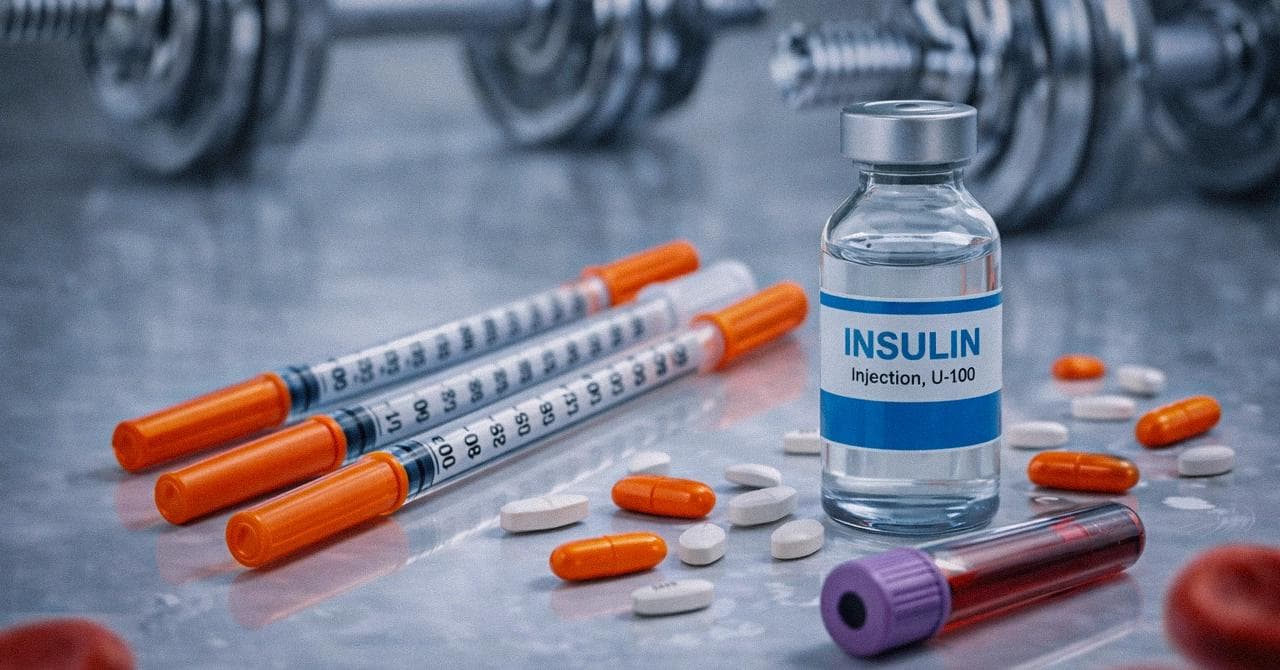
Why Insulin is Often Mistaken for a Steroid in the Fitness Community
In the bodybuilding world, insulin is often mislabeled as a steroid because of its strong anabolic effects. While it is not a steroid hormone, it is sometimes viewed as a performance enhancer because it:
- Shuttles nutrients: It promotes the uptake of glucose and amino acids into muscle cells
- Prevents muscle breakdown: It has a strong anti-catabolic effect, helping preserve muscle tissue
- Increases muscle fullness: It enhances glycogen storage, which can make muscles appear larger and more filled out
The confusion also comes from its use alongside anabolic steroids in some performance-enhancement practices, where it supports recovery and nutrient utilization. However, the mechanisms are completely different: steroids stimulate muscle growth via androgen receptor-mediated protein synthesis, while insulin regulates energy and nutrient transport into cells.
Important Warning: Non-medical use of insulin is extremely dangerous. Incorrect dosing can cause severe hypoglycemia, which may lead to confusion, seizures, loss of consciousness, coma, or death.
Insulin vs. Corticosteroids: How They Affect Weight Gain in Diabetes Patients
| Feature | Insulin (Diabetes Treatment) | Corticosteroids (e.g., Prednisone) |
|---|---|---|
| Drug Type | Peptide hormone (protein-based) | Synthetic glucocorticoid (steroid hormone) |
| Primary Role | Regulates blood glucose | Reduces inflammation and immune activity |
| Weight Gain Cause | Metabolic recovery and improved energy storage | Increased appetite and fluid retention |
| Effect on Blood Sugar | Lowers blood glucose | Raises blood glucose (induces insulin resistance) |
| Fat Distribution | Normal, physiologic fat storage | Central fat accumulation (abdomen, face, upper back) |
| Fluid Retention | Minimal | Common and often noticeable |
| Appetite Effect | Stabilizes appetite after glucose control | Strong increase in hunger |
| Clinical Context | Diabetes management | Asthma, allergies, and autoimmune diseases |
← Swipe to see more →
Does Insulin Cause Weight Gain Like Steroids in Diabetes Patients?
No, insulin does not cause weight gain in the same way as steroids. Although both insulin and corticosteroids can lead to an increase in body weight, the reasons behind it are completely different. According to the ADA (American Diabetes Association), weight gain with insulin therapy is often due to “weight restoration.” In uncontrolled diabetes, the body loses glucose through urine, leading to calorie and weight loss. When insulin is started, this loss stops, and the body returns to normal glucose use and energy storage.
Corticosteroids such as prednisone cause weight gain through increased appetite, fluid retention, and changes in fat distribution. This might lead to fat accumulation in areas like the abdomen, face, and upper back. Insulin-related weight gain reflects improved metabolic control. In contrast, steroid-related weight gain is a side effect of hormone-driven changes in appetite and fluid balance.
Can People with Diabetes Take Insulin and Steroids Together?
Yes, people with diabetes can take insulin and corticosteroids together, but it requires close medical supervision because steroids such as prednisone can significantly raise blood sugar levels. Steroids increase blood glucose by causing insulin resistance, meaning the body does not respond to insulin as effectively. As a result, people who are already using insulin often need higher doses and more frequent monitoring while on steroid therapy.
Insulin requirements may increase significantly in some patients (often around 20-50% or more), depending on the dose and duration of steroid therapy, as well as individual response. Because blood sugar levels can change rapidly, frequent glucose monitoring and timely dose adjustments under medical supervision are essential.
Final Verdict: Is Insulin a Steroid or a Hormone in People with Diabetes?
Insulin is a peptide (protein) hormone, not a steroid. It is produced by the pancreas and plays a key role in regulating blood glucose by helping cells absorb and use energy from food. Unlike steroids, insulin does not affect the body through fat-based hormone pathways or steroid receptors. Its effects are strictly metabolic and focused on blood sugar control.
In people with diabetes, insulin is essential for restoring normal glucose balance, preventing tissue breakdown, and supporting proper energy utilization. Any weight changes associated with insulin reflect metabolic recovery, not steroid-like action.
Frequently Asked Questions
No. Insulin is a peptide (protein) hormone, not a steroid hormone. It is produced by the pancreas and regulates blood glucose by helping cells absorb and use sugar for energy.
People often confuse insulin with steroids because both can have anabolic (building) effects, such as weight or muscle-related changes. However, insulin works by regulating glucose and energy storage, while steroids act through hormone receptors that affect protein synthesis and inflammation.
Steroids can raise blood sugar and cause insulin resistance, meaning insulin becomes less effective. People with diabetes often need higher insulin doses and closer glucose monitoring when using steroids like prednisone.
No. Using insulin without medical need is dangerous. It can cause severe hypoglycemia (dangerously low blood sugar), which may lead to confusion, seizures, coma, or even death.
No. Insulin used in diabetes treatment is not a steroid. It is a medically produced hormone identical to natural human insulin, designed to control blood glucose levels.
Medical Disclaimer
This content is for informational purposes only and does not constitute medical advice. Insulin therapy and related information may vary based on individual health conditions. Always consult a licensed healthcare provider or diabetes specialist before starting, stopping, or changing any insulin treatment.