Medicare Part D in 2026: Why Your Drug Costs Are Going Up and Down at the Same Time
Key Takeaways
- The 2026 Part D out-of-pocket cap is $2,100, protecting high-spending beneficiaries from catastrophic costs.
- Medicare now negotiates drug prices directly, saving beneficiaries an estimated $1.5 billion annually.
- Ozempic is covered for type 2 diabetes; a new GLP-1 Bridge pilot launches in July 2026 for weight loss.
- Deductibles are rising to $615 max in 2026, and coinsurance is replacing flat copays across many plans.
Medicare Part D is changing in ways that will genuinely help some beneficiaries and quietly cost others more. A new $2,100 annual out-of-pocket cap, negotiated drug prices on 10 high-cost medications, and a first-ever GLP-1 weight-loss coverage pilot are all arriving in 2026. But rising deductibles and a shift toward coinsurance mean the picture is more complicated than the headlines suggest.
What the Specialty Tier Really Means for Your Wallet
The specialty tier (typically Tier 5) is where the most expensive prescription drugs live. According to the Kaiser Family Foundation, a drug lands here when its sponsor-negotiated price exceeds the CMS threshold of $600 per month, a threshold that has remained at $600 since 2008. Drugs for cancer, autoimmune disorders, and other severe chronic conditions are common residents of this tier. Beneficiaries have historically faced coinsurance of 25% to 33% on these medications, plus prior authorization requirements that can delay access by days or weeks. That's a real financial hit before any cap kicks in.
Ozempic, Weight Loss, and the New Medicare GLP-1 Bridge Program
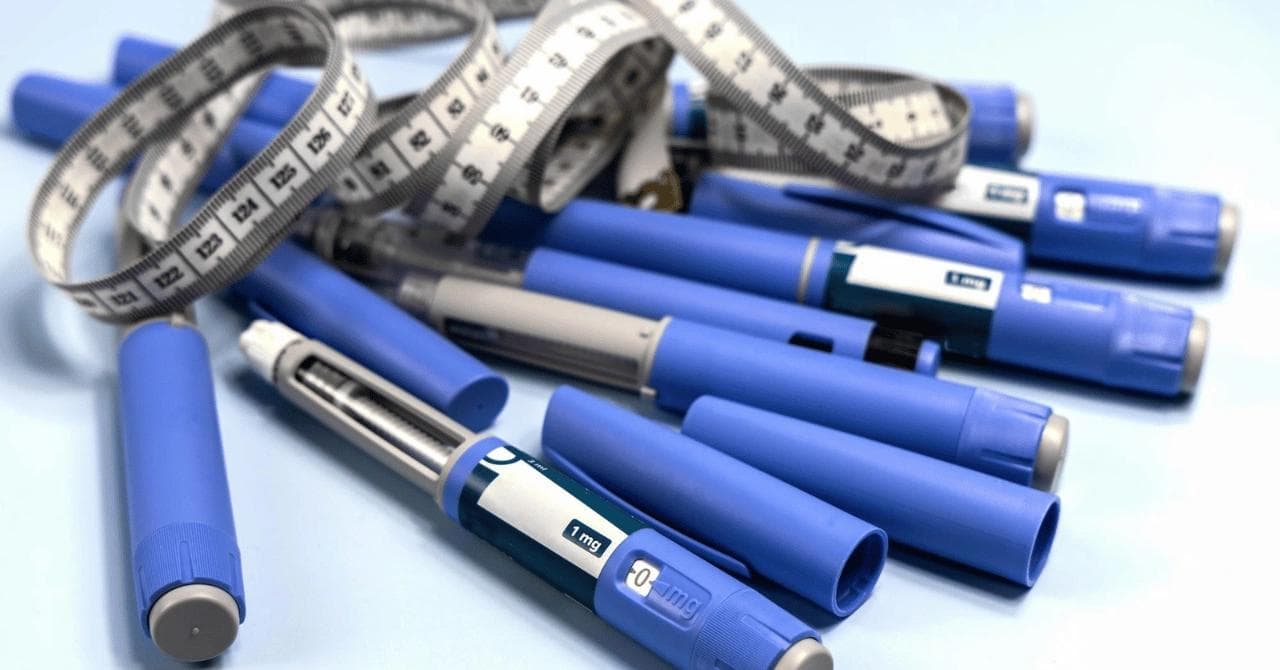
Ozempic coverage under medicare part d depends entirely on why a doctor prescribes it. For type 2 diabetes, coverage through Part D and Medicare Advantage plans is straightforward. For weight loss, it's a different story. Federal law has prohibited Medicare from covering weight-loss medications prescribed solely for that purpose since the Part D program launched in 2006.
That prohibition is getting its first meaningful workaround.
Starting July 1, 2026, CMS is launching the temporary Medicare GLP-1 Bridge pilot program, giving eligible Part D and Medicare Advantage members access to select GLP-1 weight-loss medications for a flat $50 monthly copay. The catch: which drugs qualify is genuinely unclear right now. Some sources indicate Ozempic is included; others point to Wegovy and Zepbound as the initial covered options, with Ozempic expected to enter broader coverage under the BALANCE Model launching in January 2027. If Ozempic affordability is your primary concern, it's worth confirming your specific plan's formulary before assuming coverage applies.
How the Inflation Reduction Act Actually Changes Your Medicare Part D Drug Costs
The Inflation Reduction Act of 2022 rewired how Part D spending works. The biggest change for most beneficiaries in 2026 is the annual out-of-pocket cap, set at $2,100 according to Medicare Resources. Once that ceiling occurs, covered drugs cost you nothing for the rest of the year, because the IRA also eliminated the 5% coinsurance requirement that previously applied in the catastrophic coverage phase.
Drug price negotiation is the other major shift. The first 10 Part D drugs subject to Medicare negotiation had their new prices take effect on January 1, 2026, according to the Medicare Rights Center. Those negotiated prices are projected to save beneficiaries $1.5 billion and the Medicare program $6 billion annually. Insulin is capped at $35 per month, recommended adult vaccines covered under Part D are free, and the Medicare Prescription Payment Plan (launched in 2025) lets beneficiaries spread out-of-pocket costs into interest-free monthly installments, per Humana's IRA overview. These are genuinely meaningful protections for people on high-cost medications.
The Hidden Cost Trap: Why Your Plan May Cost More Despite Lower Drug Prices
Here's where the optimism needs tempering. The maximum Part D deductible rose to $615 in 2026, up from $590 in 2025, according to AARP. That deductible phase applies before negotiated prices provide any relief. And plans are increasingly switching from fixed copays to coinsurance, which ties your cost directly to a drug's list price rather than a predictable flat fee.
The real-world impact is visible in Ozempic data.
A February 2025 study from USC Schaeffer found that average expected out-of-pocket costs for Ozempic in standalone Part D plans jumped from $56.95 to $135.43 between 2020 and 2024; that copay-to-coinsurance shift largely drove the jump. Beneficiaries who don't reach the $2,100 cap, which is most of them, absorb these higher costs without the safety net the IRA created for heavy spenders. Knowing your plan's cost-sharing structure for your specific drugs matters more now than it did two years ago. Some patients are also exploring prescription drugs at lower prices from Canada as a supplement to what Medicare covers.
Take Action: Review Your Plan Before Open Enrollment Ends
Don't assume your current plan is still the right fit. Compare options using Medicare.gov's plan finder, and specifically check how your drugs are classified on each plan's formulary. A medication sitting on Tier 4 in one plan might be Tier 2 in another. If you're on high-cost specialty drugs and expect to exceed the $2,100 cap, the Medicare Prescription Payment Plan can smooth out your cash flow without adding interest.
If your out-of-pocket costs remain high even after reviewing plan options, some beneficiaries find that ordering discount medications from a licensed Canadian pharmacy helps bridge the gap. The changes in medicare part d for 2026 create real opportunities, but only for beneficiaries who know where to look.
Frequently Asked Questions
The specialty tier (often Tier 5) is a formulary category reserved for very expensive medications used to treat severe or chronic conditions like cancer and autoimmune disorders. CMS places drugs on this tier when their sponsor-negotiated price exceeds $600 per month, a threshold unchanged since 2008. Beneficiaries have historically faced coinsurance rates of 25% to 33% on specialty tier drugs, along with prior authorization requirements that can slow access.
Yes, but coverage depends on the indication. Medicare Part D and Medicare Advantage plans cover Ozempic when prescribed specifically for type 2 diabetes. For weight loss, Federal law has prohibited Medicare from providing coverage since 2006, though the new GLP-1 Bridge pilot launching July 1, 2026, offers a $50 flat copay for select GLP-1 weight-loss medications. Whether Ozempic is included in the Bridge program's initial rollout is disputed, with broader GLP-1 coverage expected under the BALANCE Model in January 2027.
The IRA introduces several changes that lower costs for high spenders, most notably a $2,100 annual out-of-pocket cap for 2026 and the elimination of catastrophic phase coinsurance. Negotiated prices on the first 10 high-cost Part D drugs took effect January 1, 2026, and are projected to save beneficiaries $1.5 billion annually, according to the Medicare Rights Center. That said, rising deductibles and the shift from copays to coinsurance mean many beneficiaries who don't reach the cap could still face higher costs than they did a few years ago.
Disclaimer
This article is for informational purposes only and does not provide medical, insurance, or financial advice. Medicare Part D rules, negotiated drug prices, plan formularies, deductibles, and eligibility requirements may change. Always verify your coverage directly with Medicare, your Part D plan, or a licensed insurance advisor, and consult your healthcare provider before making medication or treatment decisions.