Mounjaro Dry Eyes: What Patients Need to Know About Eye Health and Vision Changes
Key Takeaways
1. Dry eye symptoms are reported by some Mounjaro users, but they are not listed as common adverse reactions in official labeling.
2. Temporary blurred vision linked to blood sugar fluctuations typically resolves as glucose levels stabilize.
3. A rare but serious condition called NAION has been associated with GLP-1 medications, including tirzepatide.
4. Emerging research suggests Mounjaro may actually reduce diabetic retinopathy risk for some patients over time.
Mounjaro dry eyes are one of the eye-related symptoms some patients discuss while taking tirzepatide, although they are not listed as a common adverse reaction in official prescribing information. This article breaks down what's actually happening in your eyes, what the research says about risk, and how to tell a manageable side effect from a genuine emergency.
Mounjaro and Dry Eyes: What Patients Are Actually Experiencing
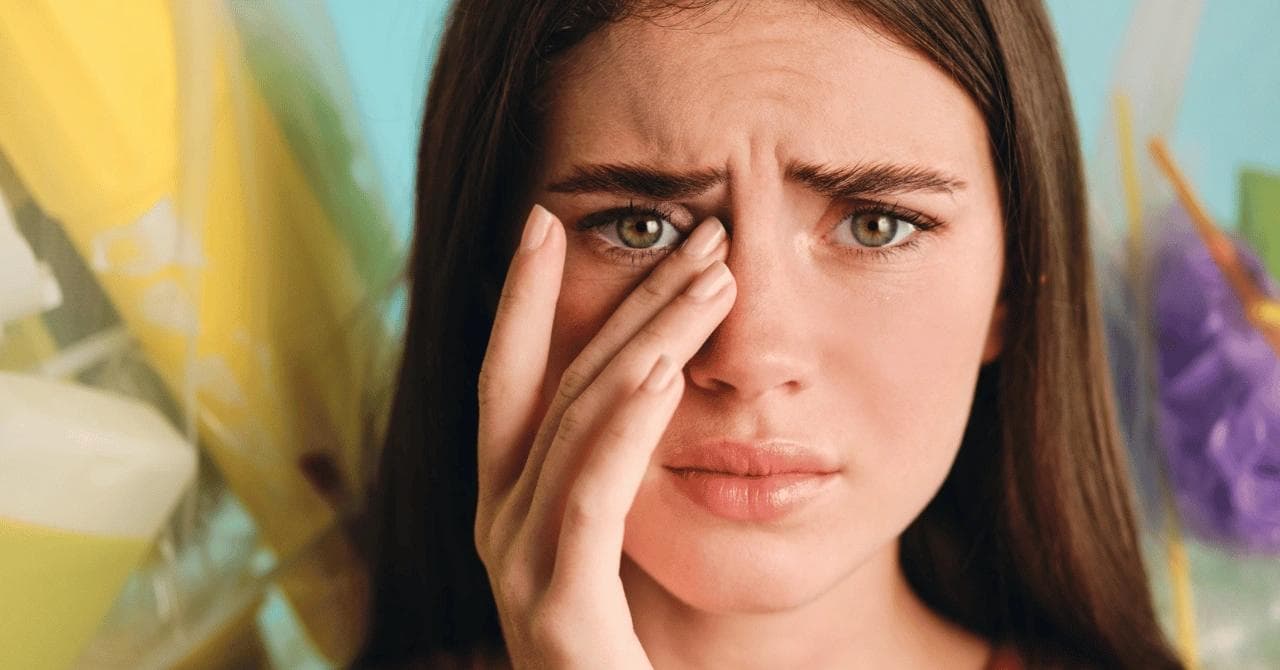
Dry eye complaints appear in some patient reports and online discussions, but official labeling does not establish dry eyes as a common Mounjaro side effect. People with dry eye may experience grittiness, irritation, watering, and contact lens discomfort. These symptoms can overlap with general dry eye disease, not just medication-related dryness. Some people describe Mounjaro eye irritation as persistent eye discomfort that makes contact lenses difficult.
The causes of Mounjaro dry eyes aren't fully pinned down yet. Nausea, vomiting, and diarrhea can contribute to dehydration during Mounjaro treatment. Dehydration may worsen dry eye symptoms by affecting tear film quality. Dry eye can involve tear film instability, ocular surface irritation, and meibomian gland problems, but Mounjaro-specific mechanisms remain unclear. The tear film is a delicate three-layer structure. When your body is dehydrated or metabolically stressed, that structure starts to break down.
The Mechanisms Behind Mounjaro Vision Changes
Blurred vision is another Mounjaro eye side effect worth understanding properly. Changes in blood sugar may sometimes affect vision, especially in people with diabetes. However, new or severe blurred vision should be discussed with a healthcare provider. Mounjaro’s prescribing information advises patients to contact their healthcare provider if vision changes occur during treatment.
What's happening is a metabolic adjustment. As the body adapts to tighter glucose control, the lens returns to its normal shape. Inflammation and broader metabolic adaptation also play a role in how the ocular surface responds during the first weeks of treatment. For most patients, patience and close monitoring are what's needed here.
The Rare but Serious Risk: Understanding NAION
Nonarteritic Anterior Ischemic Optic Neuropathy, or NAION, is the eye complication that has drawn the most clinical concern around GLP-1 medications. Current research has looked at both semaglutide and tirzepatide, but the data still shows association, not proven causation. It occurs when blood flow to the optic nerve is restricted, causing sudden, irreversible vision loss. The neuropathy can strike without warning and doesn't reverse with treatment.
The absolute risk remains very small. A large JAMA Network Open cohort study found that semaglutide or tirzepatide was associated with a higher risk of NAION and other optic nerve disorders in patients with type 2 diabetes, but the overall risk remained low. The JAMA Network Open study found a higher relative risk signal, but the absolute number of NAION cases remained low. For context, the general population incidence of NAION is estimated at 2.3 to 10.2 per 100,000 people over 50 in the United States. Any sudden vision loss requires an immediate trip to the emergency room.
The Counterpoint: How Mounjaro May Actually Improve Eye Health
Here's what often gets buried in the alarming headlines. Mounjaro may actually benefit eye health for certain patients, especially those with diabetes. Emerging research suggests that GLP-1 receptor agonists carry anti-inflammatory properties that could reduce the frequency and severity of dry eye symptoms, with some patients noticing genuine improvement rather than worsening, according to Toyos Clinic.
The data on diabetic retinopathy is especially striking. A retrospective study analyzing around 174,000 patients, conducted by Weill Cornell Medicine investigators, found that incident mild non-proliferative diabetic retinopathy occurred in 0.49% of tirzepatide patients compared with 1.2% of controls after one year of treatment. That is a meaningful difference. The catch is that rapid glucose improvement can temporarily worsen pre-existing retinopathy in some individuals before the long-term benefits emerge. So the picture is genuinely mixed, not simply bad or good. If you're managing Mounjaro treatment for diabetes or weight loss, this nuance matters for your conversations with your care team.
Practical Steps to Treat Dry Eyes on Mounjaro
Hydration is the most straightforward starting point. If nausea is reducing your fluid intake, work with your doctor on strategies to stay hydrated, including electrolyte support where appropriate. Dehydration is one of the most direct causes of Mounjaro dry eyes, so addressing it early can make a real difference to tear film quality.
The safest first step to treat dry eyes Mounjaro patients report is preservative-free artificial tears. Preservative-free formulas are gentler on the cornea and ocular surface for people using drops multiple times per day. Warm compresses can help if meibomian gland dysfunction or blepharitis is contributing to the problem. Screen breaks, a humidifier in dry indoor environments, and reducing contact lens wear time are all practical adjustments. If lubricating eye drops and lifestyle changes aren't providing enough dry eyes Mounjaro relief after a few weeks, an ophthalmologist can assess whether prescription treatments are warranted.
Red Flags vs. Routine Symptoms: When to Seek Medical Help
Not every eye symptom needs an ER visit. But some do. Immediately seek emergency care for sudden vision loss in one or both eyes, a dark curtain or shadow spreading across your visual field, or severe blurry vision that doesn't clear up. These could signal NAION or another serious vascular event affecting the optic nerve.
Schedule a prompt consultation with your ophthalmologist for new or persistent floaters, sudden increases in floaters, flashes of light, or eye pain combined with any vision changes. Persistent dry eyes that don't respond to artificial tears also warrant professional evaluation, since conditions like Sjögren's syndrome or glaucoma can mimic or compound medication-related symptoms. If you have diabetes or a pre-existing eye condition, a baseline comprehensive eye exam before starting tirzepatide, and regular follow-up exams afterward, is genuinely important. Catching changes early is what prevents small problems from becoming serious ones.
Moving Forward: Staying Informed and Proactive
Mounjaro dry eyes are real, manageable for most people, and worth monitoring carefully. The key is knowing which symptoms belong in the "watch and manage" category and which demand urgent attention. Don't wait for symptoms to escalate before mentioning them to your prescriber. A brief conversation at your next appointment can clarify whether what you're experiencing is a routine adjustment or something that needs further investigation.
If you have diabetes or a history of eye disease, regular comprehensive eye exams aren't optional while you're on tirzepatide. The research from Weill Cornell suggests that mounjaro dry eyes and other ocular side effects need to be weighed against the medication's genuine potential to reduce diabetic retinopathy progression over time. That balance is worth discussing with both your prescribing physician and an ophthalmologist. For patients sourcing their medication, Polar Bear Meds offers access to prescription medications including tirzepatide through a licensed Canadian pharmacy, with delivery to the U.S. You can also explore their latest health articles for more guidance on managing side effects across GLP-1 medications.
Frequently Asked Questions
Dry eye syndrome is a commonly reported ocular complaint among Mounjaro users, though it doesn't always appear prominently in official prescribing information. Contributing factors include dehydration from gastrointestinal side effects like nausea and vomiting, which compromise tear film stability. Interestingly, some research suggests that the anti-inflammatory properties of GLP-1 medications like tirzepatide may actually improve dry eye symptoms for certain patients.
Mounjaro doesn't commonly cause permanent eye damage. Temporary blurred vision tied to blood sugar fluctuations typically resolves as glucose levels stabilize, according to Mayfair Weight Loss Clinic. The exception is NAION, a rare condition linked to GLP-1 receptor agonists that can cause irreversible vision loss, though the absolute risk remains very low, with only 0.04% of patients in one large study affected.
Seek emergency care immediately for sudden vision loss, a dark shadow across your vision, or severe blurriness that doesn't resolve. For persistent dry eyes unresponsive to artificial tears, new floaters, flashes of light, or eye pain alongside any vision change, schedule a prompt appointment with your ophthalmologist. Regular eye exams are especially important if you have diabetes or any pre-existing eye condition while taking Mounjaro.
Disclaimer
This article is for informational purposes only and is not medical advice. Mounjaro-related eye twitching, vision changes, dehydration symptoms, or any new symptom should be discussed with a licensed healthcare provider. Do not stop, change, or restart any medication without guidance from your doctor or pharmacist.