Ozempic Dry Throat: Why It Happens and How to Get Relief
Key Takeaways
1. Dry mouth affects an estimated 15-20% of semaglutide users, despite not being listed as a common side effect in FDA prescribing information.
2. Dry throat is commonly linked to dehydration from GI side effects and may also be influenced by reduced saliva production and changes in thirst cues.
3. Symptoms typically peak in the first month of treatment and often improve as the body adjusts.
4. Hydration and good oral hygiene can help manage symptoms and protect oral health.
Ozempic dry throat and persistent thirst catch many patients off guard, especially since neither symptom appears on the drug's official label. Although dry mouth isn't listed as a common adverse reaction in the FDA prescribing information for Ozempic, some patients report experiencing oral dryness while taking GLP-1 medications. Understanding why this happens and what you can do about it makes the treatment far easier to manage.
Why Some People Report Dry Throat While Taking Ozempic
The FDA prescribing information for Ozempic, Wegovy, and Rybelsus doesn't list dry mouth as a common direct side effect. Many patients still wonder whether an Ozempic dry mouth side effect is possible when symptoms appear shortly after starting treatment. That gap between official labeling and patient experience confuses a lot of people. They're dealing with a genuinely uncomfortable symptom and wondering whether it's real or whether they are imagining things.
Although dry mouth isn't recognized as a common adverse reaction in the FDA prescribing information, patient reports and clinical experience suggest that some people develop oral dryness while taking semaglutide.
But indirect doesn't mean minor. For patients managing type 2 diabetes or pursuing weight loss, an unexpected symptom that nobody warned them about can shake confidence in the whole treatment plan.
How Semaglutide Triggers Dehydration and Oral Dryness
The path from semaglutide to a dry, sticky mouth runs through several overlapping mechanisms. Unlike many Ozempic common side effects, such as nausea or vomiting, dry throat usually develops as an indirect consequence of dehydration and reduced saliva production.
Start with the gastrointestinal side effects. Nausea is the most common Ozempic side effect overall, affecting approximately 15.8% to 20.3% of adult patients depending on dosage. Diarrhea affects about 8.5% of users, and vomiting around 5%. Each of these conditions drains fluids fast. More than 64% of Ozempic users may show signs of moderate dehydration despite believing they're drinking enough water. That's a striking figure, and it points to how quietly fluid loss accumulates when nausea is suppressing appetite and reducing how much anyone wants to eat or drink.
Then there's the direct mechanism. Researchers believe dry mouth may result from a combination of dehydration caused by gastrointestinal side effects and changes in saliva production associated with GLP-1 receptor activity. That receptor activation can reduce salivary flow directly, independent of any dehydration happening elsewhere. So even a well-hydrated patient can still experience reduced saliva.
Appetite suppression adds another layer. When semaglutide blunts hunger, it also tends to blunt thirst cues. Patients drink less because they don't feel the urge. And semaglutide may also act as a mild diuretic, promoting excess water loss through the kidneys, compounding the deficit further.
Recognizing Dry Mouth and Dehydration Signs on Ozempic
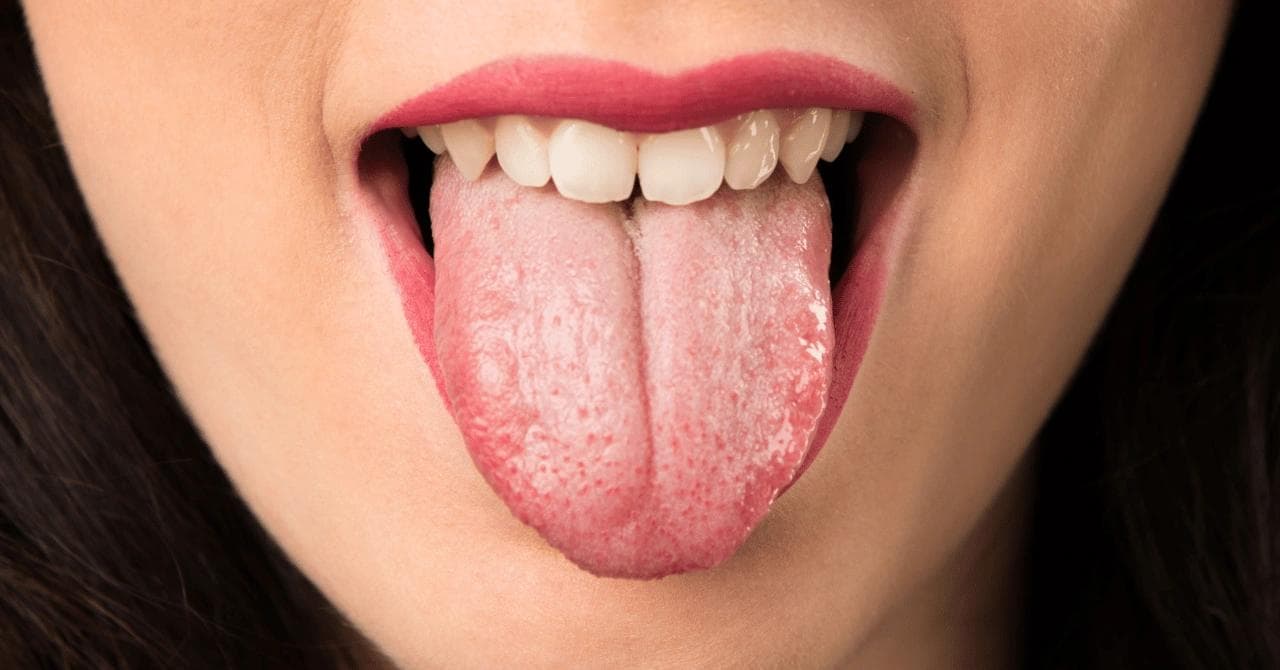
So what does this actually feel like day-to-day? Xerostomia typically presents as a sticky or tacky sensation inside the mouth, difficulty swallowing dry foods, and sometimes a noticeable change in how food tastes. These symptoms are easy to dismiss early on, which is exactly why they tend to escalate.
General dehydration shows up differently. Dark urine, persistent headaches, dizziness, and unusual fatigue are the markers to watch. A patient who's nauseous and barely eating may not connect those symptoms to fluid loss until they're already significantly behind.
Left unmanaged, persistent dry mouth creates real oral health risks. Reduced saliva means less natural protection against bacteria. Unmanaged xerostomia can accelerate tooth decay, enamel erosion, gum inflammation, and bad breath, a cluster of problems sometimes referred to as "Ozempic mouth."
Practical Relief: Managing Ozempic Thirst, Hydration, Saliva Stimulation, and Oral Care
Managing Ozempic thirst and dry mouth doesn't require stopping treatment. It requires a consistent, layered approach.
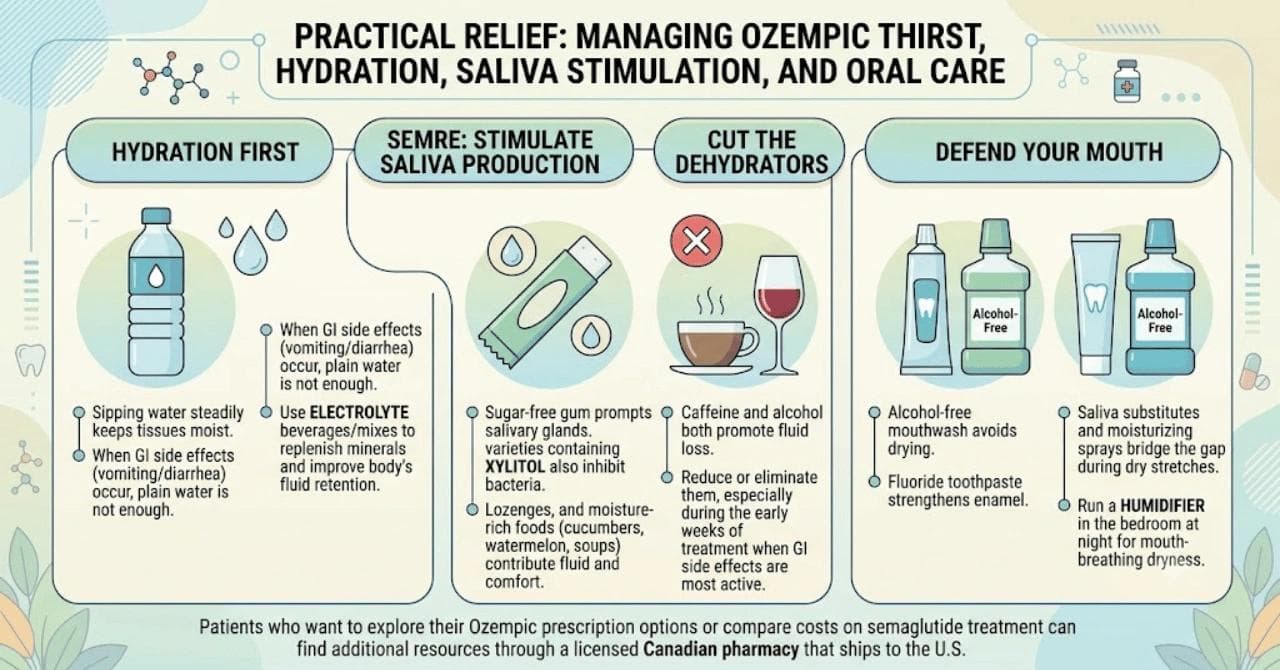
1. Hydration first: Sipping water steadily throughout the day, rather than drinking large amounts infrequently, keeps mucosal tissues moist more effectively. When vomiting or diarrhea are present, plain water may not be enough. Electrolyte beverages or electrolyte mixes help replenish the minerals lost through GI side effects and improve how efficiently the body retains fluid.
2. Stimulate saliva production: Sugar-free gum, particularly varieties containing xylitol, prompts the salivary glands to produce more saliva. Xylitol also has the added benefit of inhibiting the bacteria that cause cavities, which matters given the elevated oral health risks. Lozenges work similarly. Moisture-rich foods like cucumbers, watermelon, and soups can also contribute to both fluid intake and oral comfort.
3. Cut the dehydrators: Caffeine and alcohol both promote fluid loss. Reducing or eliminating them during the early weeks of treatment, when GI side effects are most active, removes an unnecessary source of additional dryness.
4. Defend your mouth: Alcohol-free mouthwash avoids the drying effect that alcohol-based products cause. Fluoride toothpaste strengthens enamel that's already under stress from reduced saliva. Over-the-counter saliva substitutes and oral moisturizing sprays can bridge the gap during particularly dry stretches. Running a humidifier in the bedroom at night addresses the mouth-breathing dryness that often worsens symptoms while sleeping.
Patients who want to explore their Ozempic prescription options or compare costs on semaglutide treatment can find additional resources through a licensed Canadian pharmacy that ships to the U.S.
When Dry Mouth Requires Medical Attention
Most dry mouth on semaglutide is uncomfortable but manageable. Some situations call for a prompt conversation with your doctor.
If symptoms are severe from the start, or persist beyond six to eight weeks without improvement, they shouldn't be waited out. Dehydration that reaches a serious level produces warning signs beyond thirst: confusion, a rapid or irregular heartbeat, and minimal urination all signal that the body isn't coping. Those require urgent medical evaluation, not a glass of water.
On the dental side, rapid cavity formation or worsening gum disease while on treatment warrants a visit to both your dentist and your prescribing physician. Your doctor may be able to adjust your dosage, modify your titration schedule, or discuss whether an alternative diabetes medication or weight-loss treatment better suits your tolerance profile. Don't wait for the problem to compound. Early communication prevents the complications that become harder to reverse.
Bottom Line: Managing Ozempic Dry Throat Effectively
Ozempic dry throat can be uncomfortable, but it's usually manageable with consistent hydration, good oral hygiene, and early attention to dehydration symptoms. For many people, the dryness improves as the body adjusts to treatment.
However, if symptoms become severe, persist beyond the first few weeks, or interfere with eating, drinking, or oral health, it's important to speak with your healthcare provider to determine whether your treatment plan needs adjustment. If you're looking for ways to lower the cost of staying on semaglutide treatment, you can also explore prescription savings through a trusted Canadian pharmacy like Polar Bear Meds.
Frequently Asked Questions
Dry throat and dry mouth aren't listed as common adverse reactions in the FDA prescribing information for Ozempic. However, some patients report experiencing these symptoms, often alongside dehydration caused by nausea, vomiting, or diarrhea.
Sipping water consistently throughout the day, even when you don't feel thirsty, is the most straightforward step for managing Ozempic thirst. Adding electrolyte beverages helps when vomiting or diarrhea have caused mineral loss alongside fluid loss. Sugar-free xylitol gum, avoiding caffeine and alcohol, and using a humidifier at night can all reduce the intensity of symptoms between hydration breaks.
Semaglutide dry mouth typically has multiple causes happening at once. The medication's GI side effects, particularly nausea, vomiting, and diarrhea, deplete fluids faster than most patients realize. At the same time, semaglutide activates GLP-1 receptors in the salivary glands and brain regions that control saliva production, which can directly reduce salivary flow. The medication's appetite-suppressing effect also blunts thirst cues, and there's some evidence it may act as a mild diuretic, adding to overall fluid loss.
Disclaimer
This article covers what the research says about semaglutide and oral dryness, but it's not medical advice. Dry mouth, thirst, and dehydration can signal different things in different patients, and your specific health history matters. Talk to your doctor or pharmacist before making changes to your treatment, especially if symptoms are severe or worsening.