Trulicity vs. Ozempic: Which Is Right for You?
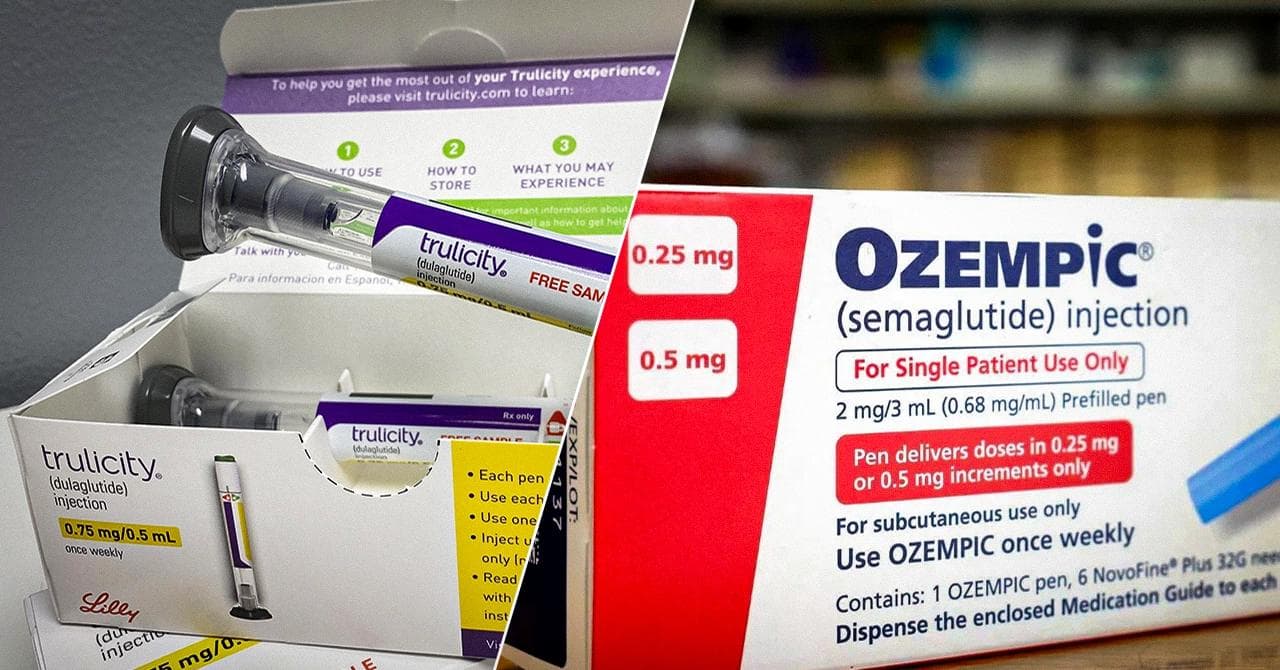
The Trulicity vs. Ozempic comparison is commonly discussed when considering treatment options for Type 2 diabetes and supporting weight loss. Both are once-weekly GLP-1 receptor agonists that help improve blood sugar control by reducing appetite, slowing digestion, and enhancing insulin response.
Clinical studies suggest that Ozempic (semaglutide) often provides greater A1C reduction and more noticeable weight loss compared to Trulicity (dulaglutide). However, Trulicity is often considered easier to use and may be better tolerated by some individuals, with a slightly lower risk of severe gastrointestinal side effects. Knowing these differences is essential in deciding which option may better fit your health goals and lifestyle.
Is Trulicity the same as Ozempic?
No, Trulicity and Ozempic are not the same medication. Both are once-weekly injectable GLP-1 receptor agonists used to manage Type 2 diabetes, but they contain different active ingredients. Trulicity contains dulaglutide, while Ozempic contains semaglutide, which means they are not interchangeable.
One of the most well-known head-to-head clinical trials comparing these medications is the SUSTAIN-7 trial. This study evaluated semaglutide versus dulaglutide and found that both drugs effectively improve blood sugar control. However, semaglutide (Ozempic) generally produced greater reductions in A1C levels and more significant weight loss. Despite this, Trulicity remains widely used due to its established safety profile and simple once-weekly dosing pen.
Trulicity vs. Ozempic: A1C Effectiveness
To understand how well Trulicity and Ozempic medications work, it’s important to look at A1C (HbA1c), a blood test that shows your average blood sugar levels over the past 2-3 months. Lowering A1C is one of the main goals in the treatment of Type 2 diabetes.
According to a subgroup analysis of the SUSTAIN clinical trials published by the NIH, both medications are highly effective at lowering blood sugar. However, Ozempic (semaglutide) generally shows a more significant impact on HbA1c levels than Trulicity.
- Ozempic (semaglutide): ~1.5% to 1.8% A1C reduction
- Trulicity (dulaglutide): ~1.1% to 1.4% A1C reduction
Both treatments are effective options for improving glycemic control, and individual results may vary based on dose, lifestyle, and response to therapy.
Trulicity vs. Ozempic Dosage and Weekly Injection Schedule
| Feature | Trulicity (Dulaglutide) | Ozempic (Semaglutide) |
|---|---|---|
| Form | Weekly injection only | Weekly injection only |
| Starting Dose | 0.75 mg once weekly | 0.25 mg once weekly |
| Standard Next Step | 1.5 mg weekly | 0.5 mg-1.0 mg weekly |
| Maximum Dose | 4.5 mg weekly | 2.0 mg weekly |
| Injection Sites | Stomach, thigh, or upper arm | Stomach, thigh, or upper arm |
| Oral Option | None | Semaglutide is also available as oral Rybelsus (separate formulation) |
← Swipe to see more →
Read more about: How Many Injections Does an Ozempic Pen Contain?
Trulicity vs. Ozempic for Weight Loss: Which Works Better?
Neither Trulicity nor Ozempic is FDA-approved specifically for weight loss; both are approved for Type 2 diabetes. However, they are commonly used off-label for weight management. In a 40-week clinical study (SUSTAIN-7), semaglutide was compared with dulaglutide, and differences in body weight outcomes were observed:
- Ozempic (semaglutide 1.0 mg): ~14 lbs (6.5 kg) average weight loss
- Trulicity (dulaglutide 1.5 mg): ~6.5 lbs (3.0 kg) average weight loss
The study showed greater average weight reduction with semaglutide compared to dulaglutide at the studied doses. These differences are thought to be related to variations in GLP-1 receptor activity and overall pharmacologic profile. Individual results may vary based on dose, lifestyle, and response to treatment.
Expert Note: If you are seeking a medication specifically FDA-approved for chronic weight management (not for Type 2 diabetes), your doctor may recommend weight-loss drugs like Wegovy or Zepbound.
Trulicity vs. Ozempic Side Effects
Both Trulicity (dulaglutide) and Ozempic (semaglutide) belong to the same drug class, so they share a similar side effect profile. Most side effects are gastrointestinal (GI) and usually occur during the first few weeks of treatment or after a dose increase.
Common Side Effects of Trulicity and Ozempic
- Nausea
- Vomiting
- Diarrhea
- Constipation
- Stomach discomfort or bloating
- Fatigue or dizziness
In the SUSTAIN-7 clinical trial, gastrointestinal side effects were the most commonly reported and also a leading reason for treatment discontinuation. Reported gastrointestinal side effects:
- Semaglutide 0.5 mg: 43%
- Semaglutide 1.0 mg: 44%
- Dulaglutide 0.75 mg: 33%
- Dulaglutide 1.5 mg: 48%
At lower doses, Trulicity (0.75 mg) showed slightly fewer GI side effects than Ozempic (0.5 mg), whereas at higher doses the rates were more similar.
Serious Risks (Rare) of Trulicity and Ozempic
Although uncommon, both medications carry important safety warnings. Medical attention should be sought if severe or persistent symptoms occur.
- Pancreatitis (severe abdominal pain)
- Gallbladder problems, such as gallstones or inflammation
- Vision changes
- Dehydration-related kidney issues (usually from vomiting or diarrhea)
- Thyroid warning (Boxed Warning): Risk of thyroid C-cell tumors; not recommended for patients with a personal or family history of MTC or MEN 2
Trulicity Pen vs. Ozempic Pen: Which Is Easier to Use?
A study published on PubMed Central reported that over 80% of participants preferred the Trulicity pen. In comparison, about 45% preferred the Ozempic pen, mainly due to differences in ease of use and injection steps.
Trulicity Pen: The "Hidden Needle" Design
- Single-use, prefilled, disposable pen
- Button-activated (no dose dialing required)
- A hidden needle throughout the injection
- No assembly or needle handling
Ozempic Pen: The "Multi-Dose" System
- Multi-dose, reusable pen
- Requires attaching a new needle each week
- Dose must be dialed manually
- The needle is visible and must be disposed of after use
Switching Between Trulicity and Ozempic
You may consider switching from Trulicity (dulaglutide) to Ozempic (semaglutide), or vice versa, if your current medication is not meeting your treatment goals or is causing unwanted side effects.
When a Switch May Be Considered (Trulicity or Ozempic)
- Blood sugar is not well controlled on Trulicity or Ozempic
- Weight loss goals are not being met
- Side effects (like nausea or stomach discomfort) are persistent
- Preference for injection device (Trulicity pen vs Ozempic pen)
- Insurance coverage changes require a different medication
How Switching from Trulicity to Ozempic (or Vice Versa) Works
- Take your last dose of Trulicity or Ozempic as scheduled
- Start the new medication after about 7 days (next weekly dose)
- The doctor may start at a lower dose to help your body adjust
- Dose is gradually adjusted based on response and tolerance
Important Guidance: Do not stop, start, or switch between Trulicity and Ozempic without medical advice. A healthcare provider can determine the safest and most appropriate treatment plan based on your condition.
Who Should Take Trulicity vs. Ozempic?
Ozempic (Semaglutide) May Be Considered If:
- Stronger A1C reduction is a priority, based on clinical trial data
- Weight management is a goal (used off-label for this purpose)
- You have Type 2 diabetes with chronic kidney disease (CKD) and need a treatment shown to help reduce the risk of kidney disease progression
- You have established cardiovascular disease and need a medication with proven benefit in reducing major events such as a heart attack or stroke
Trulicity (Dulaglutide) May Be Considered If:
- You prefer a simpler injection device (single-use pen with a hidden needle and no setup)
- Treatment is needed for a child or adolescent (age 10+), as it is FDA-approved for this group
- You have cardiovascular risk factors (e.g., high blood pressure, high cholesterol) and need a medication approved to help reduce the risk of major cardiac events
- You prefer a medication with a well-established tolerability profile, especially when starting at lower doses
Who Should Avoid Trulicity and Ozempic? (Safety Warnings)
Trulicity and Ozempic are not suitable for everyone. Because they affect how the digestive system works, certain conditions may increase the risk of complications.
Do Not Use Trulicity or Ozempic If You Have:
- Personal or family history of MTC (medullary thyroid carcinoma)
- MEN 2 syndrome (Multiple Endocrine Neoplasia type 2)
- Known allergic reaction to these medications or their ingredients
Avoid or Use With Caution If You Have:
- History of pancreatitis
- Severe gastrointestinal disease (e.g., gastroparesis or IBD)
- Risk of bowel obstruction (ileus) or severe constipation
- Diabetic retinopathy (may worsen with rapid A1C changes)
- Kidney disease, especially with dehydration risk
Important Considerations for Trulicity and Ozempic
- Not approved for Type 1 diabetes or diabetic ketoacidosis (DKA)
- Pregnancy & breastfeeding: Generally not recommended; stopping at least 2 months before planned pregnancy may be advised
- Surgery/anesthesia: These medications may need to be paused (often ~1 week prior) due to delayed stomach emptying
Trulicity or Ozempic: Which Is Better for You?
Both Trulicity and Ozempic are effective once-weekly options for managing Type 2 diabetes. Ozempic may be associated with greater average A1C reduction and weight-related benefits in some studies. Trulicity is often preferred for its simple single-use injection device and ease of administration. The most suitable choice depends on the patient's health goals, tolerability, and medical history, and should be decided in consultation with a healthcare provider.
Frequently Asked Questions
While taking Ozempic (semaglutide) or Trulicity (dulaglutide), you should generally schedule checkups with your healthcare provider every 3 to 6 months. However, the frequency depends on how recently you started the medication, your current health status, and whether your dose is being adjusted.
Both Trulicity and Ozempic are FDA-approved GLP-1 receptor agonists with similar overall safety profiles. The most common side effects for both are gastrointestinal, especially at the start of treatment. Neither is considered universally “safer”; the better option depends on individual health conditions, tolerance, and your doctor’s assessment.
Coverage for Ozempic or Trulicity depends on your insurance plan. They are often covered for Type 2 diabetes with prior authorization, but coverage for other uses may vary by insurer.
No, you should not take Trulicity (dulaglutide) and Ozempic (semaglutide) together. Both medications belong to the same class, GLP-1 receptor agonists, work in the same way, and combining them does not offer additional benefits. Using both increases the risk of severe side effects, such as severe diarrhea, nausea, vomiting, and hypoglycemia.
Medical Disclaimer
This content is for informational purposes only and does not constitute medical advice. The effects of Trulicity (dulaglutide) and Ozempic (semaglutide) may vary from person to person. Always consult a healthcare provider before stopping, starting, or switching any diabetes medication or making changes to your treatment plan.