Wegovy Frequent Urination: What's Really Happening and How to Manage It
Key Takeaways
- Frequent urination on Wegovy is indirect, driven by fluid shifts from weight loss and increased water intake, not by a direct drug mechanism.
- Semaglutide is not a diuretic and does not cause urination the way SGLT2 inhibitors do.
- Recent trials show Wegovy actively protects kidney function in high-risk patients rather than harming it.
- Simple hydration timing adjustments can significantly reduce nighttime disruption.
Wegovy frequent urination is one of those patient experiences that catches people off guard, especially because it doesn't appear in the official side effect lists. This article breaks down why it happens, what the latest kidney research actually shows, and how to handle nighttime bathroom trips without losing sleep over them.
Why Wegovy Users Report Frequent Urination (Even Though It's Not a Direct Side Effect)
Here's the confusing part: patients commonly report needing to urinate more often on Wegovy, particularly in the early weeks, yet it isn't listed as a direct common side effect in the FDA prescribing information or flagged in the primary adverse event tables from the STEP trial program, according to TrimRx.
So what's actually happening? Three indirect mechanisms explain most of it.
First, rapid weight loss releases water that was previously stored in fat tissue. That extra fluid has to go somewhere. Second, many patients drink significantly more water to manage the nausea that comes with dose increases, which naturally drives up urine output. Third, semaglutide produces modest renal hemodynamic effects that can subtly alter how the kidneys filter fluid.
The timing follows a clear pattern. According to TrimRx, the increase in urination is most prominent during the first two to four weeks of each dose escalation and tends to return closer to baseline once weight loss stabilizes. It's not permanent. It's a sign the body is adjusting.
Wegovy Is Not a Diuretic: How It Differs From Other Weight Loss Medications
This distinction matters more than most people realize. Semaglutide is a GLP-1 receptor agonist. It works by mimicking a gut hormone that regulates appetite and blood sugar. It does not act on the kidneys the way SGLT2 inhibitors do, which are a separate class of diabetes medications that deliberately increase urinary glucose and water excretion as part of their mechanism.
With Wegovy, any increase in semaglutide urination frequency is a downstream consequence of metabolic changes, not a direct drug action on the bladder or kidneys. That's an important distinction for patients who worry they're taking something that's forcing their kidneys to work harder.
The effect is also time-limited. Most patients see it peak in weeks one through four of each new dose level, then settle down as the body adapts.
Practical Strategies for Managing Wegovy Urination at Night
Nocturia, or nighttime urination, is where this side effect becomes genuinely disruptive. Sleep disruption compounds fatigue, and fatigue makes sticking to any treatment harder. The good news is that a few straightforward adjustments address most of the problem.
- Daytime hydration is the foundation. Aim for eight to ten glasses of water daily, spread across the day, and use urine color as your guide. Pale yellow means you're well hydrated. Dark yellow means you're behind.
- Evening fluid cutoff is the most effective single change. Reducing fluid intake two to three hours before bed gives your kidneys time to process what's already circulating before you lie down.
- GI side effects complicate hydration. When nausea, vomiting, or diarrhea hit, dehydration becomes a real risk. Consider electrolyte intake during those periods rather than just pushing plain water, which can dilute sodium levels without restoring fluid balance properly.
- A bladder diary sounds clinical, but it's genuinely useful. Tracking when you urinate and how much you drink helps you spot patterns and identify whether changes are improving or not

Kidney Protection: What Recent Trials Show About Wegovy's Renal Benefits
The kidney story around Wegovy is actually one of the more encouraging findings in recent treatment research. Far from damaging kidney function, semaglutide appears to protect it, particularly in patients who are already at risk.
The FLOW trial, published in the New England Journal of Medicine in May 2024 by Perkovic et al. found that semaglutide reduced major adverse kidney events by 24% in patients with type 2 diabetes and chronic kidney disease over 3.4 years. That's a meaningful result for a population where kidney disease progression is a serious concern.
A large meta-analysis searching trials through December 2024, covering 90,882 patients across 19 trials, found that GLP-1 receptor agonists were associated with a 19% reduction in primary renal outcomes, a 12% reduction in renal functional decline, and a 24% reduction in microalbuminuria, according to data published in Nephrology Dialysis Transplantation.
The benefits extend beyond diabetes. An analysis presented at the European Renal Congress in May 2024, drawing on data from Novo Nordisk's SELECT trial, showed that semaglutide 2.4 mg reduced adverse kidney-related events by 22% in overweight and obese patients with pre-existing heart disease but without diabetes.
For patients without pre-existing kidney disease, the picture is reassuring too: Wegovy typically has no clinically significant negative impact on kidney function, provided hydration stays adequate during dose escalation. The one real kidney risk is dehydration from GI side effects, which can transiently elevate creatinine, but this is usually reversible with fluid replacement.
Bladder Control and UTI Risk: Separating Fact From Concern
Wegovy bladder issues are frequently searched online, and the anxiety around them is understandable. But the evidence doesn't support the idea that semaglutide directly damages the bladder or causes urinary incontinence.
According to Bolt Pharmacy, Wegovy does not directly cause UTIs. Any infections that occur during treatment are more likely tied to existing risk factors or dehydration rather than the medication itself. Phloc Clinic similarly notes that bladder changes like increased frequency or urgency are usually indirect, temporary, and not a sign of direct bladder damage.
There's also some early evidence pointing in a positive direction. A pilot study from August 2025 found that 33.3% of 33 participants, the vast majority of whom used semaglutide primarily for weight loss, reported improvement in overactive bladder (OAB) symptoms after starting GLP-1 therapy. That's a small study, but it suggests the picture may be better than patients fear.
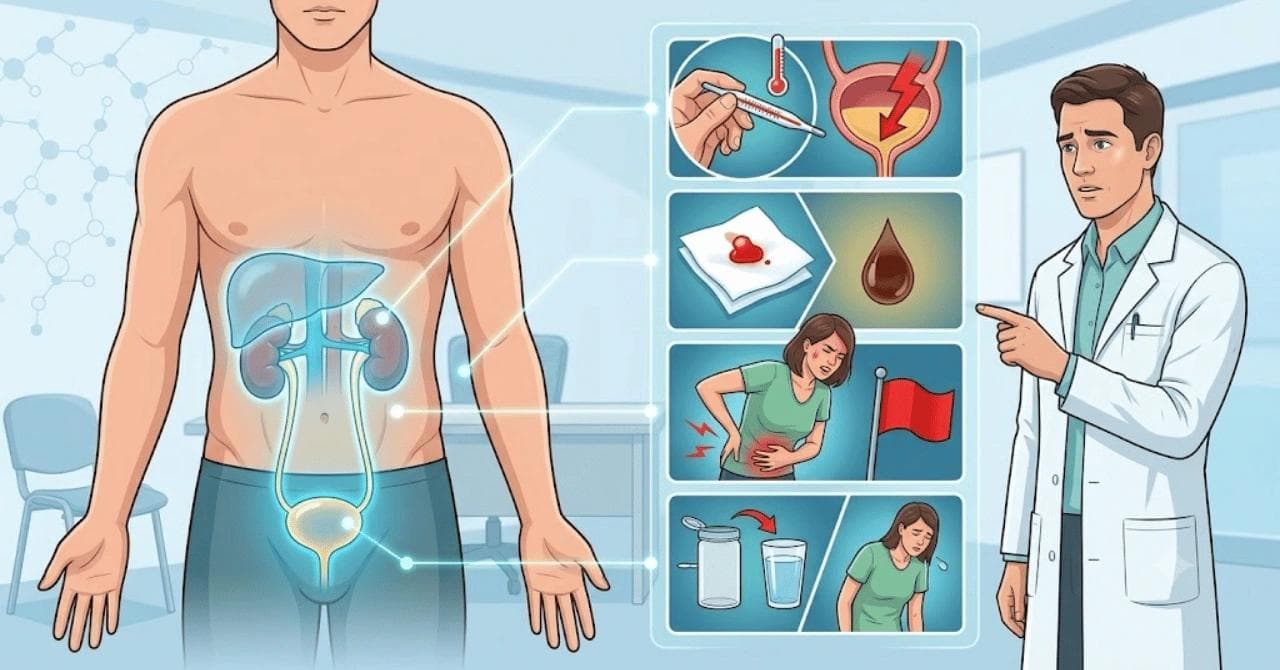
The practical distinction worth knowing: UTI symptoms include burning during urination, urgency, blood in urine, fever, and pelvic pain. Those warrant prompt medical attention. General bladder irritation from concentrated urine or fluid shifts does not carry the same urgency, though you should still mention it to your provider.
Red Flags: When Frequent Urination Signals a Problem Worth Reporting
Most urinary changes on Wegovy are benign. But some patterns deserve a call to your healthcare provider.
- Persistent nocturia of three or more times nightly at a stable dose, after four or more weeks on that dose, isn't typical adjustment. Get it checked.
- Excessive thirst combined with increased urination and unexpected weight loss could indicate undiagnosed diabetes, which needs evaluation regardless of what medication you're taking.
- Dehydration symptoms including dizziness, dark urine, and an inability to keep fluids down are a reason to seek care promptly, especially during a GI side effect flare.
- Classic UTI indicators like burning, blood in urine, or fever should not be attributed to Wegovy and require medical assessment.
Moving Forward: Normalizing Urinary Changes and Staying Informed
Wegovy frequent urination is real, but it's manageable, indirect, and typically resolves within weeks of each dose adjustment. The underlying medication, semaglutide, doesn't damage kidneys or the bladder. The clinical trial data points consistently in the other direction, showing meaningful kidney protection in high-risk populations.
If you're considering your options for Wegovy treatment, understanding the full side effect profile, including what's temporary and what actually matters, puts you in a much better position to stick with treatment long enough to see results. Temporary bathroom trips are a small trade-off against the broader metabolic and cardiovascular benefits that the evidence supports.
Keep the conversation open with your provider. Mention anything persistent, anything that worries you, and anything that's disrupting sleep. That's what they're there for. You can also browse related articles on managing GLP-1 medications, or explore prescription drug options if cost is a barrier to staying on treatment.
Frequently Asked Questions
Frequent urination is commonly reported by patients, particularly during the initial dose titration phase, but it isn't officially listed as a direct common side effect in the FDA prescribing information or the STEP trial adverse event tables. The increase is driven by indirect factors: fluid shifts from rapid weight loss, higher water intake to manage nausea, and modest renal hemodynamic effects of semaglutide. For most patients, according to TrimRx, it's self-limiting and subsides as weight loss stabilizes.
The most effective approach is adjusting when you drink rather than how much. Aim for consistent hydration of eight to ten glasses throughout the day, then reduce fluid intake two to three hours before bed to minimize nocturia. If GI side effects like vomiting or diarrhea are active, prioritize electrolyte balance alongside fluid replacement, and consider keeping a bladder diary to track whether patterns are improving over time.
Wegovy generally has a positive or neutral effect on kidney function. The FLOW trial demonstrated a 24% reduction in major adverse kidney events in patients with type 2 diabetes and chronic kidney disease, and a large meta-analysis of 90,882 patients found a 19% reduction in primary renal outcomes with GLP-1 receptor agonists. Bladder changes like temporary frequency or urgency are indirect and not a sign of direct damage; some early evidence even suggests GLP-1 therapy may improve overactive bladder symptoms in certain patients.
Disclaimer
This article is for informational purposes only and is not a substitute for professional medical advice, diagnosis, or treatment. If you're experiencing persistent frequent urination, signs of dehydration, burning during urination, blood in your urine, fever, or any other concerning symptoms while taking Wegovy (semaglutide), contact your doctor or another qualified healthcare provider. Never stop or change your medication without first discussing it with your healthcare provider.