Can Mounjaro Cause Elevated Liver Enzymes?
Key Takeaways
- Large clinical trials found that liver enzymes generally improved during Mounjaro treatment. Clinically significant liver enzyme elevations were uncommon and occurred at rates similar to placebo.
- Liver enzyme elevation typically resolves after discontinuing Mounjaro, with regular monitoring recommended during treatment.
- Patients with pre-existing liver conditions require closer monitoring, though Mounjaro may benefit those with fatty liver disease.
- Clinical trials show Mounjaro can improve liver function despite rare cases of acute liver injury.
In large-scale clinical trials, Mounjaro (tirzepatide) was not shown to cause liver toxicity. In fact, most patients experienced improvements in liver enzymes (ALT and AST), likely due to weight loss and reduced liver fat. Rare cases of elevated liver enzymes or acute liver injury have been reported after the medication became available, but these reports are uncommon and do not establish that tirzepatide directly caused the liver injury. In clinical trials, clinically significant liver enzyme elevations occurred at rates similar to placebo.
Because Mounjaro actively reduces liver fat, clinical trials show that up to 74% of patients with metabolic dysfunction-associated steatohepatitis (MASH/fatty liver disease) achieved resolution of their condition under proper medical oversight.
How Mounjaro Affects Liver Enzymes: What Patients Should Know About ALT/AST Levels
The relationship between Mounjaro and liver enzymes represents a critical aspect of patient monitoring during treatment. While rare, the medication can affect liver function through its impact on glucose metabolism and weight management processes, potentially leading to increased ALT and AST levels in some patients.
Clinical studies indicate that less than 1% of patients experience significant liver enzyme increases, which typically resolve upon discontinuation of the medication. Regular monitoring of liver function becomes necessary, particularly for those with pre-existing conditions or risk factors for liver injury. Notably, Mounjaro has shown potential benefits for patients with fatty liver disease, though careful observation remains important.
The medication’s effects on liver enzymes can be influenced by various factors, including rapid weight loss and gastrointestinal symptoms. Healthcare providers closely track these markers through routine blood tests, enabling early detection and intervention if acute liver injury occurs.
Liver Function Tests and Mounjaro: Monitoring for Elevated Enzymes or Damage
Monitoring liver function through regular testing serves as a cornerstone of patient care during Mounjaro treatment, enabling healthcare providers to detect and respond to potential complications early. The systematic evaluation of liver function tests helps track changes in enzyme levels, particularly during screening for drug-induced liver injury associated with tirzepatide.
Healthcare providers utilize these tests to measure key enzymes that indicate liver health, allowing for timely intervention if heightened liver enzymes suggest potential issues. This proactive approach supports patient safety while maximizing therapeutic effects. Diagnostic testing becomes particularly essential for individuals with pre-existing liver conditions or those showing signs of acute liver injury. Regular monitoring typically includes extensive blood panels that assess various liver markers, enabling physicians to adjust treatment plans accordingly. The frequency of testing varies based on individual risk factors and response to treatment, ensuring that any adverse effects are identified and addressed promptly.
Can Mounjaro Harm Your Liver? Separating Risks from Benefits for Liver Health
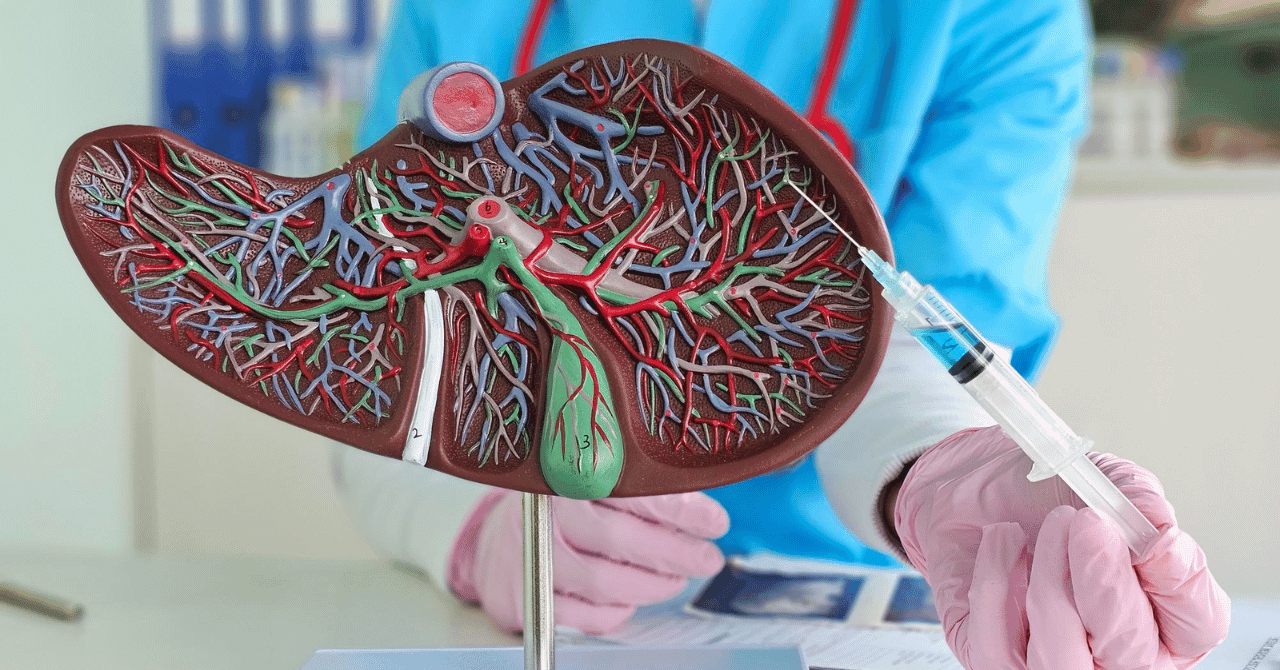
Understanding whether Mounjaro can harm the liver requires careful examination of both its potential risks and therapeutic benefits. While rare cases of acute liver injury and heightened liver enzymes have been reported, clinical trial evidence suggests the medication can actually improve liver function in many patients, particularly those with fatty liver disease.
The drug’s mechanism of action affects glucose metabolism and liver health through multiple pathways:
Direct impact on liver fat reduction through GIP and GLP-1 receptor activation
Improvement in blood sugar control, reducing strain on liver function
Potential for gastrointestinal issues that may affect hydration and liver processing
Risk of idiosyncratic drug reaction requiring vigilant monitoring
Research indicates that while liver-related adverse effects are possible, they’re uncommon. The therapeutic benefits, particularly in treating fatty liver disease, often outweigh potential risks when patients are properly monitored and maintain adequate hydration during treatment.
Mounjaro and Fatty Liver: Can Tirzepatide Reverse MASH?
Recent clinical evidence reveals Mounjaro’s remarkable dual impact on liver health, simultaneously reducing fatty liver disease progression while requiring careful management of potential enzyme fluctuations. Through its innovative dual action on GIP and GLP-1 receptors, Mounjaro promotes sustainable weight loss and appetite suppression, directly addressing key factors in fatty liver development.
Clinical trials demonstrate impressive results, with up to 74% of patients achieving resolution of metabolic dysfunction-associated steatohepatitis. This improvement in liver health occurs alongside broader metabolic benefits, including better blood sugar control and cholesterol management. However, healthcare providers must carefully monitor liver function tests throughout treatment, since enzyme elevations can occur. Regular testing and dose adjustments guarantee peak renal outcomes while maximizing therapeutic benefits. This balanced approach allows patients to harness Mounjaro’s potential for improving fatty liver while maintaining careful oversight of liver enzyme levels.
Elevated Liver Enzymes on Tirzepatide: Prevention and Management Strategies
While tirzepatide offers promising benefits for metabolic health, healthcare providers must implement robust prevention and management strategies to address potential liver enzyme elevations. Early detection through regular monitoring of liver function tests, combined with extensive patient education, forms the cornerstone of effective management.
“Regular monitoring and patient education are essential safeguards when using tirzepatide to protect liver health and optimize treatment outcomes.”
Monitor liver enzymes systematically every 30-90 days, particularly during the initial treatment phase, as RUCAM scores indicate the highest risk
Establish clear protocols for immediate drug discontinuation if ALT or AST levels exceed predetermined thresholds
Educate patients to recognize warning signs such as abdominal pain, jaundice, or unexplained fatigue
Schedule regular follow-up appointments to track liver function recovery and assess the need for additional interventions
Healthcare providers should maintain vigilant oversight of liver function tests while empowering patients with knowledge about potential liver injury risks. This balanced approach guarantees both safety and therapeutic effectiveness while preserving patient autonomy in their treatment process.
Considering Mounjaro?
See current Mounjaro pricing and ordering details through Polar Bear Meds, a licensed Canadian pharmacy. Prescription required.
Frequently Asked Questions
Alcohol and Mounjaro do not directly interact chemically. However, combining them is highly discouraged. Both substances independently affect your liver's glucose production, meaning mixing them significantly increases your risk of severe low blood sugar (hypoglycemia). Additionally, alcohol can severely worsen Mounjaro’s gastrointestinal side effects, leading to acute dehydration.
Because severe liver enzyme elevation is an exceptionally rare, unpredictable reaction to tirzepatide, there is no scientifically established timeline for recovery. In documented clinical case files, patient liver enzymes began adjusting back to baseline within a few weeks of stopping the medication, but individual recovery speeds vary depending on the severity of the flare-up.
Mounjaro is not metabolized by the liver's cytochrome P450 enzyme pathway, making direct liver-based drug interactions uncommon. However, because Mounjaro delays stomach emptying, it can alter how your body absorbs other oral medications. Always provide your healthcare provider with a complete list of your medications, especially other therapies known to stress the liver, to ensure safe treatment outcomes.
No current evidence demonstrates age-specific patterns in Mounjaro-related liver enzyme elevations. Clinical trials show no correlation between patient age and hepatic effects.
Yes, high ALT levels can occur on Mounjaro, though they are usually mild. In rare cases, a sharp rise in ALT may indicate acute gallbladder issues or a hypersensitivity reaction. Doctors typically monitor these levels through routine Liver Function Tests (LFTs).
High enzymes can be caused by rapid weight loss, which releases fat from the liver, or by a rare side effect of the medication itself. Additionally, underlying conditions like Fatty Liver (NASH) may cause baseline elevations that your doctor will track.