Mounjaro Acid Reflux at Night: Why It Happens and How to Stop It
Key Takeaways
1. Mounjaro slows gastric emptying, keeping food and acid in the stomach longer and raising reflux risk, especially when lying down.
2. Lifestyle changes like meal timing, sleep positioning, and trigger food avoidance can significantly reduce nighttime symptoms.
3. Most reflux improves within weeks; short-course proton pump inhibitors can help during dose adjustments.
4. Red flag symptoms like chest pain or difficulty swallowing require prompt medical attention.
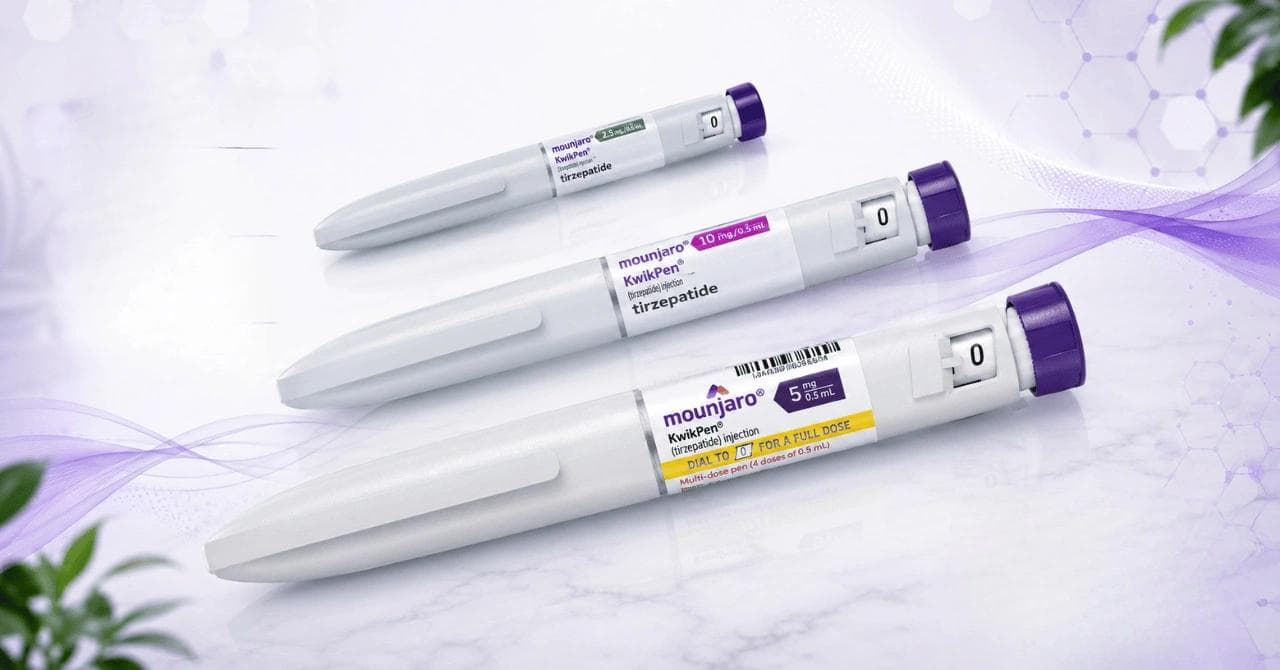
Mounjaro acid reflux at night is one of the most disruptive side effects patients report after starting tirzepatide. Some people taking tirzepatide report heartburn or acid reflux symptoms, although reflux is not listed among the most common adverse reactions in the official prescribing information. Delayed gastric emptying may contribute to these symptoms in susceptible patients.
Why Mounjaro Acid Reflux at Night Happens: The Mechanism Explained
Gastric emptying is at the heart of the problem. Tirzepatide slows gastric emptying, which is part of its therapeutic mechanism and may contribute to reflux symptoms in some patients. Food and stomach acid simply linger longer than they normally would. That prolonged retention builds intragastric pressure, and when pressure rises, the lower esophageal sphincter (LES) struggles to stay closed. Acid then pushes backward into the esophagus, and you feel the burn.
There's a second layer to this. Additionally, GLP-1 receptor activation, part of how tirzepatide works, may also reduce LES tone in some people, making the valve even less effective at blocking reflux.
Nighttime makes everything worse. Many patients notice that mounjaro GERD symptoms become more noticeable after dinner or while lying flat. When you lie flat, gravity stops helping keep stomach contents down. In severe cases of recurrent regurgitation, aspiration into the airway is possible, although this is uncommon. That's why mounjaro GERD symptoms tend to peak overnight rather than during the day.
The numbers back this up. Gastrointestinal adverse events are common during tirzepatide dose escalation, although GERD itself is not consistently reported as a common adverse event in clinical trials. Some broader trial analyses put any form of reflux or heartburn as high as 10% to 20%. Symptoms are most common when first starting treatment or after a dose increase.
Immediate Lifestyle Changes That Work
Small adjustments to daily habits can cut nighttime reflux dramatically. Start with meal size and timing. Eating smaller, more frequent portions reduces the pressure your stomach has to manage, and stopping food intake at least 2 to 3 hours before bed gives your stomach time to partially empty before you lie down.
Sleep position matters more than most people realize. Elevating the head of your bed by 6 to 8 inches using bed risers or a wedge pillow, not just extra pillows, which only bend your neck, keeps stomach contents lower while you sleep. Sleeping on your left side is also worth trying, as it positions the stomach in a way that may reduce reflux episodes.
Clothing and posture play a smaller but real role. Tight waistbands increase abdominal pressure, so opt for loose-fitting clothes after meals. Avoid bending at the waist right after eating.
Dietary changes are often the fastest win. Common trigger foods include spicy dishes, fatty meals, citrus fruits, caffeine, alcohol, chocolate, and tomato-based products. Cutting even two or three of these can produce noticeable relief within days. For hydration, sip water steadily throughout the day rather than drinking large amounts at once, which can spike stomach pressure quickly.
Medication Options for Mounjaro-Related Reflux
When lifestyle modifications aren't enough, there are several medication management options worth knowing. For quick relief, calcium carbonate antacids (such as Tums) or alginate-containing antacids (such as Gaviscon) already in the oesophagus work within minutes. They don't prevent reflux, but they're useful for acute episodes.
H2 blockers, such as famotidine, reduce the amount of acid your stomach produces. They take slightly longer to kick in than antacids but offer more sustained relief, making them a solid option for people with predictable nighttime symptoms.
Proton pump inhibitors (PPIs) like omeprazole or lansoprazole are the strongest over-the-counter option. For persistent reflux, healthcare providers may recommend a short course of a proton pump inhibitor depending on symptom severity and individual medical history. They're most effective when taken consistently, typically 30 minutes before a meal.
If over-the-counter options aren't controlling your acid reflux mounjaro solutions, a prescription-strength PPI or a combination approach may be warranted. That conversation belongs with your healthcare provider, especially if symptoms are interfering with sleep regularly. For patients managing multiple medications, browsing prescription drug options from a licensed Canadian pharmacy can also help with cost considerations.
What to Expect: Symptom Timeline and When Reflux Improves
For most people, indigestion, nausea, and reflux symptoms ease within days to weeks of starting Mounjaro. The body's digestive system adapts to the slower gastric emptying, and the discomfort fades.
Dose increases reset the clock. Each time tirzepatide is titrated upward, GI side effects including dyspepsia and regurgitation can temporarily return. This is a normal part of the adjustment, not an indication of a problem.
Here's the longer-term picture worth holding onto. The weight loss that Mounjaro produces, particularly in patients with obesity, can actually reduce GERD over time by lowering intra-abdominal pressure. So the medication that's causing short-term reflux may ultimately improve it. Patients with a BMI above 35 or pre-existing GERD are at higher baseline risk and may need more active management early on, but they often see the greatest long-term benefit.
If symptoms haven't improved after 8 weeks at a stable dose, or if they're severe enough to disrupt sleep consistently, that's worth discussing with your provider rather than waiting further.
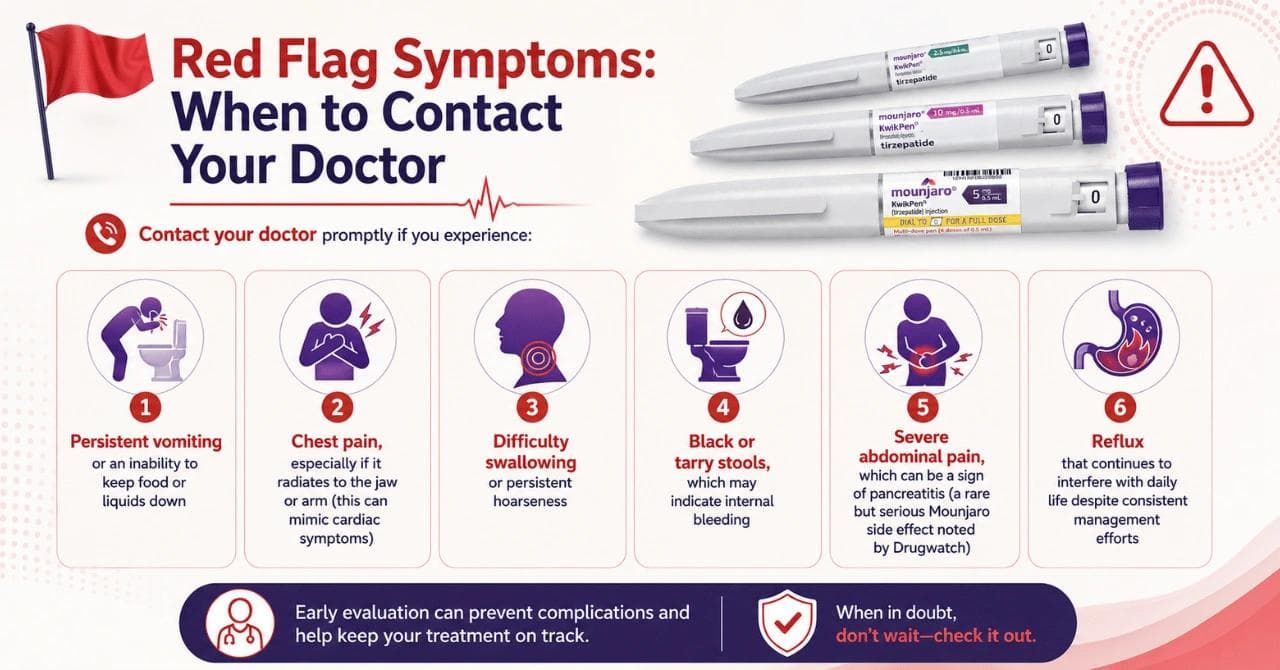
Red Flag Symptoms: When to Contact Your Doctor
Most heartburn and vomiting with Mounjaro is uncomfortable but not dangerous. However, some symptoms signal something more serious.
Contact your doctor promptly if you experience:
- Persistent vomiting or an inability to keep food or liquids down
- Chest pain, especially if it radiates to the jaw or arm (this can mimic cardiac symptoms)
- Difficulty swallowing or persistent hoarseness
- Black or tarry stools, which may indicate internal bleeding
- Severe abdominal pain, which can be a sign of pancreatitis (a rare but serious Mounjaro side effect noted by Drugwatch)
- Reflux that continues to interfere with daily life despite consistent management efforts
Unmanaged reflux carries its own risks over time, including esophagitis and, in chronic cases, Barrett's esophagus. The mounjaro esophagitis risk is low but real, which is why persistent symptoms shouldn't just be tolerated. In rare, severe cases involving conditions like hiatus hernia that don't respond to medication, surgical options exist, though that conversation belongs with a gastroenterologist.
Bottom Line: Managing Mounjaro Acid Reflux at Night
Mounjaro acid reflux at night can be frustrating, but for most patients it can be managed without stopping treatment. Simple lifestyle modifications, such as eating earlier, adjusting your sleep position, avoiding trigger foods, and using appropriate medications under medical guidance, are often enough to control symptoms while your body adapts to tirzepatide.
If reflux becomes persistent, severe, or is accompanied by warning signs like difficulty swallowing, chest pain, or ongoing vomiting, contact your healthcare provider promptly. If you're looking for additional information about GLP-1 medications or affordable prescription options, the Polar Bear Meds resource hub offers educational content and support for U.S. patients exploring their treatment choices.
Frequently Asked Questions
Delayed gastric emptying may increase gastric volume and pressure, which can promote reflux in susceptible individuals. Whether tirzepatide directly affects lower esophageal sphincter tone remains uncertain.
Lifestyle changes are the first step: smaller meals, no eating within 2 to 3 hours of bed, elevating the head of the bed by 6 to 8 inches, and sleeping on your left side. If those don't fully control symptoms, antacids like Gaviscon provide quick relief, while a short course of PPIs such as omeprazole is often recommended during Mounjaro initiation or dose increases, according to Oxford Online Pharmacy.
Yes, for most people it does. GI side effects typically subside within a few days to weeks as the body adjusts, though symptoms may temporarily return after each dose increase. Over the longer term, the weight loss Mounjaro produces can actually reduce GERD by lowering intra-abdominal pressure, particularly in patients with obesity.
Among reported Mounjaro side effects, heartburn can occur in some patients, although it is not listed among the most common adverse reactions in the prescribing information.
Eating smaller, more frequent meals reduces stomach pressure on the LES. Avoiding known trigger foods, including spicy dishes, fatty foods, citrus, caffeine, alcohol, chocolate, and tomato-based products, can make a significant difference. Low-fat, whole foods eaten slowly and chewed thoroughly, combined with steady hydration throughout the day, support better digestion and fewer reflux episodes.
Disclaimer
This article covers what the research says about Mounjaro and acid reflux, but it's not a substitute for medical advice. Everyone's situation is different, and factors like pre-existing GERD, other medications, or conditions like hiatus hernia can change what's appropriate for you. Talk to your doctor or pharmacist before starting, stopping, or adjusting any medication.