Ozempic Tongue Coating: Why Your Tongue Looks White and What to Do About It
Key Takeaways
1. "Ozempic tongue" isn't an official diagnosis, but it describes real oral symptoms tied to reduced saliva production.
2. Dry mouth affects roughly 5% to 10% of semaglutide users and is the primary driver of tongue coating.
3. Hydration and gentle oral hygiene are the foundation of managing symptoms.
4. Persistent or painful white patches warrant a call to your doctor to rule out oral thrush.
Ozempic tongue coating is one of the more surprising side effects patients report after starting semaglutide. Dry mouth, a white or filmy tongue, and odd taste sensations aren't listed on every patient handout, but they're real experiences showing up consistently in clinical observations and patient reports. This article breaks down why they happen, how serious they can be, and what actually helps.
White Tongue on Ozempic: What's Really Happening
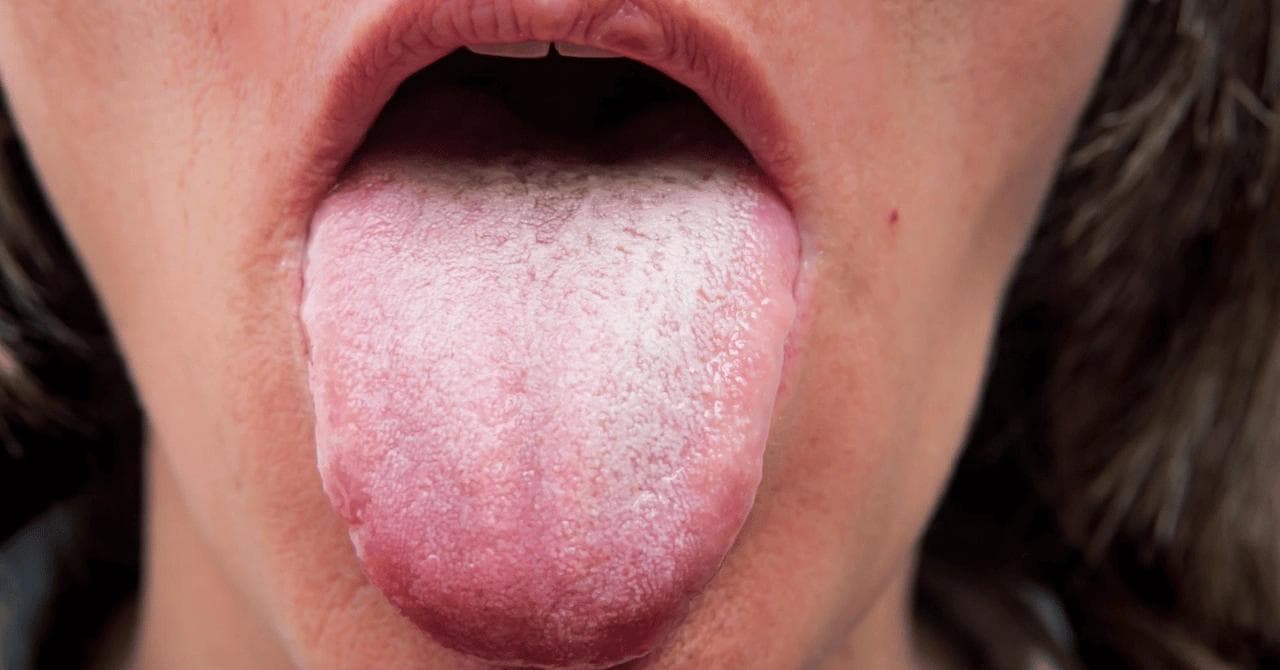
"Ozempic tongue" is a term that gained traction on social media, but it describes something clinically real. Dry mouth (xerostomia) affects approximately 5% to 10% of people using semaglutide, according to data on Wegovy, the weight-loss formulation of the same drug. When saliva production drops, the tongue surface becomes a breeding ground for bacteria and debris, producing that characteristic white or coated appearance.
Patients often notice this within the first few weeks. The coating can range from a light film to something thick enough to make the tongue appear pale and rough. In severe cases, the tongue becomes so dry it sticks to a wooden tongue depressor, according to reporting from Ro Health. Is Ozempic tongue normal? For a meaningful subset of users, yes. But "common" doesn't mean it should be ignored.
Dry Mouth: The Root Cause of Ozempic Tongue Coating
Semaglutide has been associated with reduced saliva production, although the exact mechanism isn't fully understood. A case series published in PMC found that hyposalivation (reduced saliva flow) appeared in patients after they started the medication. That timing matters: if your mouth suddenly feels parched early in treatment, the drug is the likely culprit.
Dehydration compounds the problem significantly. The GLP-1 agonist's gastrointestinal side effects are well-documented. Nausea, one of semaglutide's most common gastrointestinal side effects, occurred in 32.7% of patients taking 0.5 mg and 36.4% taking 1 mg versus 15.3% on placebo. Nausea, vomiting, and diarrhea all accelerate fluid loss. Less fluid means less saliva. Less saliva means bacteria and dead cells accumulate on the tongue surface instead of being washed away. The result is that the white film on tongue Ozempic users report is caused by bacteria, dead cells, and debris accumulating on the tongue surface when saliva production falls.
When White Coating Signals Oral Thrush
Not every white tongue is just dry mouth. Reduced saliva weakens the mouth's immune system defenses, making fungal infections more likely. According to NK Family Dental, a dry oral environment creates conditions where Candida (the yeast responsible for oral thrush) can overgrow and take hold.
The distinction matters. A bacterial coating from dry mouth will typically scrape off with a tongue scraper or toothbrush. Oral thrush tends to leave white patches that don't scrape off cleanly, and they're often accompanied by a burning sensation or soreness. That's the key clinical difference.
One point worth clarifying: Ozempic doesn't directly cause yeast infections the way some other diabetes medications do. Unlike SGLT2 inhibitors, semaglutide is not associated with an increased risk of yeast infections in its prescribing information, which is why oral thrush is thought to result indirectly from dry mouth rather than the medication itself.
Beyond the Coating: Taste Changes and Nutrient Gaps
Causes of Ozempic tongue extend beyond the visible coating. Some patients also report Ozempic bad breath tongue, where reduced saliva and tongue coating contribute to unpleasant breath alongside taste changes. Dysgeusia, or altered taste perception, affects up to 6% of patients on semaglutide. It can show up relatively early in treatment, manifesting as metallic, sour, bitter, or generally unpleasant flavors that distort the experience of eating.
Nutrient deficiencies add another layer. Rapid weight loss and significantly reduced food intake, both common on this weight loss drug, can deplete B vitamins, iron, and zinc. These nutrients are directly tied to oral tissue health. Without adequate levels, patients may experience burning tongue, soreness, and worsening taste disturbances on top of the coating itself.
The gastrointestinal side effects create a feedback loop. Nausea suppresses appetite, reduced intake creates nutritional gaps, and those gaps worsen oral symptoms. Recognizing this chain helps explain why some patients experience a cluster of Ozempic oral side effects rather than just one isolated problem.
Practical Steps for Treating Ozempic White Tongue
Treating Ozempic white tongue starts with the simplest intervention: water. Drinking consistently throughout the day, rather than in large amounts at once, keeps the oral tissues moist and helps flush debris from the tongue surface. This also addresses dehydration from gastrointestinal symptoms, which is often the more urgent contributor.
Oral hygiene needs to be thorough but gentle. Brushing twice daily, flossing, and lightly cleaning the tongue with a soft-bristled brush or a tongue scraper are all helpful. Aggressive scraping can irritate already sensitive tissue, so a light pass is enough. Avoid alcohol-based mouthwashes, which dry the mouth further.
Stimulating saliva production gives the mouth a natural defense. Sugar-free gum and sugar-free lozenges both trigger saliva flow without feeding bacteria. Over-the-counter saliva substitutes are another option for those who need more consistent relief between meals.
Dietary choices matter too. Moist foods are easier to eat and less irritating. Acidic and caffeinated beverages accelerate dryness, so limiting them helps. Some patients find that adding more flavor to food, through herbs or mild seasonings, partially compensates for taste distortion.
For severe xerostomia that doesn't respond to these measures, prescription options exist. Pilocarpine is one medication that stimulates saliva glands directly. If you're considering this route, that's a conversation for your prescribing doctor or dentist. If you're sourcing your Ozempic prescription from a Canadian pharmacy, make sure your U.S. provider is still in the loop on any side effects you're managing.
When to Contact Your Doctor About Tongue Symptoms
Some symptoms need professional evaluation, not just home remedies. Contact your healthcare provider if dry mouth persists for more than two to three weeks despite consistent hydration and good oral hygiene. Don't wait on white patches that won't scrape off or that cause pain. Those are signs of possible oral thrush, not just bacterial coating.
Burning sensations, sores inside the mouth, or swollen gums are also red flags. Difficulty swallowing or eating suggests the problem has moved beyond a nuisance into something affecting your nutritional intake and hydration. Signs of dehydration, including excessive thirst, dark urine, or dizziness, mean you need to address fluid balance urgently.
Significant taste loss that's affecting what and how much you eat warrants a conversation too. Your doctor can assess whether the cause is the medication, a nutrient deficiency, or something else, and recommend appropriate treatment. If you have questions about your medication or need help accessing affordable prescription drugs from Canada, a licensed pharmacy team can also point you in the right direction.
Final Thoughts on Managing Oral Health on Ozempic
Ozempic tongue coating is a manageable side effect, not a permanent complication. Hydration and consistent oral hygiene address the root cause for most patients, and symptoms often improve as the body adjusts to semaglutide. Keeping your dentist and prescribing doctor informed means any worsening symptoms get caught early. For patients managing costs on this diabetes medication or weight loss drug, exploring medication savings options through a licensed Canadian pharmacy can help make long-term treatment more sustainable.
Frequently Asked Questions
The primary cause is dry mouth from reduced saliva production, which can be a direct effect of semaglutide or a consequence of dehydration from gastrointestinal side effects like nausea, vomiting, and diarrhea. Without adequate saliva, bacteria and debris accumulate on the tongue surface, forming a white or coated film. In prolonged or severe cases, the dry oral environment can also allow Candida to overgrow, producing oral thrush, which appears as white patches.
Start with consistent hydration throughout the day, gentle tongue cleaning, and good overall dental health habits including brushing and flossing. Sugar-free gum or lozenges stimulate saliva production, while saliva substitutes provide direct moisture relief. If symptoms persist despite these measures, your doctor may consider prescription options like pilocarpine to increase saliva flow.
In most cases, no. The coating typically improves with proper hydration and oral hygiene, and many patients find symptoms ease as their body adjusts to the medication. However, if you notice white patches that won't scrape off, pain, burning, or difficulty swallowing, those symptoms warrant a medical evaluation to rule out oral thrush or other infection.
Yes, if the coating is persistent, painful, or accompanied by other symptoms like sores, burning, or difficulty eating. You should also reach out if you're showing signs of dehydration or if taste changes are significantly affecting your nutritional intake. Your doctor can distinguish between a common side effect and a condition like oral thrush that requires targeted treatment.
Disclaimer
This article summarizes current research on Ozempic-related oral side effects and is not a substitute for professional medical advice, diagnosis, or treatment. Individual responses to semaglutide vary, and tongue coating or other oral symptoms may have causes unrelated to the medication. Contact your healthcare professional or dentist if your symptoms persist, worsen, or include pain, white patches that do not scrape off, difficulty swallowing, or other signs of infection. Never start, stop, or change your treatment without consulting a qualified healthcare professional.