What Are the Most Common Side Effects of the Estradiol Patch?
The most common side effects of the estradiol patch are usually mild and manageable. If you are using an Estradiol Patch for hormone replacement therapy (HRT), you may notice skin irritation, breast tenderness, headaches, nausea, or light bleeding, especially during the first few weeks.
According to FDA-approved drug information, common reactions include headache, breast tenderness, nausea, and intermenstrual bleeding. These side effects often improve as your body adjusts. However, some effects may require medical attention, especially if they persist or worsen.
Does the Estradiol Patch Cause Weight Gain?
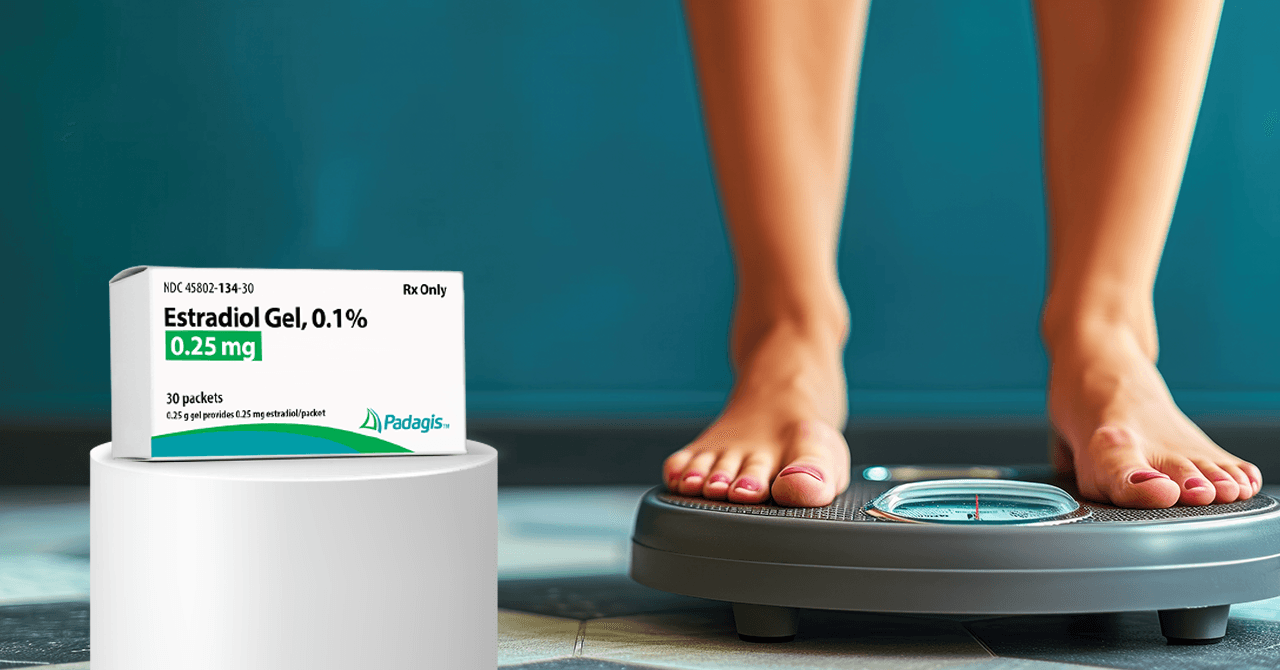
The estradiol patch is not typically associated with significant weight gain, though some people may experience fluid retention. Most people do not gain body fat from using an Estradiol Patch. However, you may notice temporary bloating or fluid retention, which can make your weight fluctuate slightly.
Clinical data on estrogen therapy show that fluid retention is a recognized effect and may occur during treatment. If weight changes continue or feel significant, it is best to discuss them with your healthcare provider to rule out other causes.
How Long Do Estradiol Patch Side Effects Last?
Most estradiol patch side effects appear within the first few weeks of starting treatment and improve as your body adjusts. Common symptoms such as headache, nausea, breast tenderness, or spotting are usually temporary. Clinical data on estrogen therapy show that many side effects stabilize over time as hormone levels become consistent.
In many cases, symptoms improve within a few weeks to a few months. If side effects persist beyond this period or worsen, you should speak with your healthcare provider to review your treatment.
Side Effects When Switching to an Estradiol Patch
When switching from oral estrogen to transdermal estradiol, you may notice temporary side effects such as headache, nausea, breast tenderness, or spotting. This happens because transdermal estradiol delivers hormones steadily through the skin instead of fluctuating levels. MedlinePlus states that your doctor may adjust your dose or monitor your response when switching to transdermal estradiol to ensure safe and effective use.
What Serious Side Effects of the Estradiol Patch Require Immediate Medical Attention?
While most estradiol patch side effects are mild, some rare but serious risks can occur and require urgent medical care. According to DailyMed prescribing information, estrogen therapy is associated with an increased risk of blood clots, stroke, and certain cancers. Seek immediate medical attention if you experience:
| Symptom | What It May Indicate |
|---|---|
| Sudden chest pain or shortness of breath | Possible blood clot in the lungs or a heart-related complication |
| Severe headache or sudden vision changes | Possible stroke or neurological event |
| Swelling, pain, or redness in one leg | Possible deep vein thrombosis (DVT) |
| Unusual neurological symptoms such as weakness or difficulty speaking | Possible stroke or nervous system issue |
| Unexplained abnormal vaginal bleeding | Possible serious hormonal or uterine-related condition |
← Swipe to see more →
These symptoms may indicate serious complications related to blood clot risk and estrogen therapy, and should not be ignored.
Who Should Not Use an Estradiol Patch?
Estradiol patches may not be suitable for people with a history of blood clots, stroke, estrogen-dependent cancers, or unexplained vaginal bleeding. Those with liver disease or high cardiovascular risk should also consult a healthcare provider before starting therapy.
How to Reduce Estradiol Patch Side Effects
You can reduce estradiol patch side effects by using the patch correctly and following basic care steps:
- Apply the patch to clean, dry skin on the lower abdomen or buttocks
- Rotate application sites and avoid using the same area repeatedly
- Do not apply the patch on irritated, oily, or damaged skin
- Avoid lotions, oils, or powders before application, as they can affect adhesion
DailyMed clinical data also show that proper application and site rotation help ensure effective absorption and reduce skin-related side effects. If side effects persist, your healthcare provider may adjust your dose or treatment plan to improve tolerance.

When Should You Talk to a Doctor About Estradiol Patch Side Effects?
You should contact your doctor if estradiol patch side effects do not improve or begin to interfere with your daily routine. Seek medical advice if you notice:
- Side effects that persist beyond a few months
- Ongoing or unusual vaginal bleeding
- Symptoms that worsen instead of improving
- Skin reactions that do not heal or become severe
According to FDA guidance, hormone therapy should be reviewed regularly to ensure it remains safe and appropriate for your condition.
The Bottom Line: What Should You Know About Estradiol Patch Side Effects Overall?
Most estradiol patch side effects are mild, temporary, and improve as your body adjusts to treatment. Common symptoms like skin irritation, breast tenderness, headache, nausea, or spotting usually resolve within a few weeks, while proper use can help reduce discomfort. However, it is important to recognize when symptoms persist or become serious and seek medical advice when needed to ensure safe and effective hormone therapy.
Frequently Asked Questions
Estradiol patches are available in multiple strengths, typically ranging from 0.025 mg to 0.1 mg per day. DailyMed data show that 0.1 mg per day is among the highest commonly prescribed doses, but the appropriate dose depends on your condition and should be determined by your doctor.
Estradiol patch use may increase the risk of blood clots, especially in people with existing risk factors such as smoking, obesity, or a history of clotting disorders. This risk is associated with estrogen therapy and should be discussed with a healthcare provider.
Transdermal estradiol may have a lower impact on liver metabolism compared to oral estrogen, which can reduce certain risks. However, both forms carry potential side effects, and the safer option depends on individual health conditions.
Some people may feel fatigue when starting an estradiol patch due to changes in hormone levels. This is usually temporary and improves as your body adjusts to hormone replacement therapy. If tiredness persists or worsens, you should consult your healthcare provider.
The estradiol patch begins delivering hormones within hours of application. Noticeable symptom relief may take a few days to a few weeks. Full benefits often develop gradually as hormone levels stabilize in your body.
If your estradiol patch falls off, try to reapply it to a clean, dry area. If it does not stick, apply a new patch and continue your regular schedule. According to DailyMed instructions, you should not delay or skip doses when replacing a patch.
Most estradiol patch side effects are temporary and improve within a few weeks to months as your body adapts. However, if side effects persist or become severe, medical evaluation may be needed.
Important Disclaimer
This blog is provided for informational purposes only and does not replace expert medical guidance, diagnosis, or treatment. The information is based on trusted sources, including the FDA and National Institutes of Health (NIH), but individual responses to medications may vary. Always consult an authorized healthcare professional before making treatment decisions.