What is the Highest Dose of Wegovy for Weight Loss?
The highest dose of Wegovy for weight loss is 7.2 mg once weekly, based on the latest FDA approval of a higher-dose formulation. According to FDA approval data, this higher dose provides an additional option for adults who need more weight loss beyond standard treatment levels. That said, most patients do not start or remain at this dose.
The commonly prescribed Wegovy maintenance dose is 2.4 mg once weekly, reached gradually through a structured dosing schedule. Understanding the difference between the standard dose and the highest dose helps you know what to expect and whether escalation is appropriate for your treatment.
How Do You Reach the Highest Dose of Wegovy for Weight Loss?
You cannot start at the highest dose of Wegovy for weight loss. The medication follows a structured titration schedule that gradually increases your weekly injection dose. The FDA prescribing label states that this step-by-step increase is designed to reduce gastrointestinal side effects and improve tolerability.
A typical Wegovy dosing schedule:
| Weeks | Weekly Dose |
|---|---|
| Weeks 1 to 4 | 0.25 mg |
| Weeks 5 to 8 | 0.5 mg |
| Weeks 9 to 12 | 1 mg |
| Weeks 13 to 16 | 1.7 mg |
| Week 17 onward | 2.4 mg (maintenance dose) |
← Swipe to see more →
This gradual dose escalation allows your body to adjust to the semaglutide injection and lowers the risk of side effects such as nausea and vomiting. Only after reaching and tolerating the maintenance dose may a healthcare provider consider increasing the dose toward the highest dose of Wegovy.
How Long Does It Take to Reach the Highest Dose of Wegovy?
It typically takes about 16 to 20 weeks to reach the standard 2.4 mg maintenance dose using the Wegovy dosing schedule, as doses are increased every 4 weeks. Reaching the highest dose of Wegovy may take longer, since escalation beyond 2.4 mg depends on your treatment response and tolerability rather than a fixed timeline. If you experience side effects during dose escalation, your healthcare provider may delay dose increases or keep you at a lower dose for a longer period to improve tolerability.
When Is the Highest Dose of Wegovy Prescribed for Weight Loss?
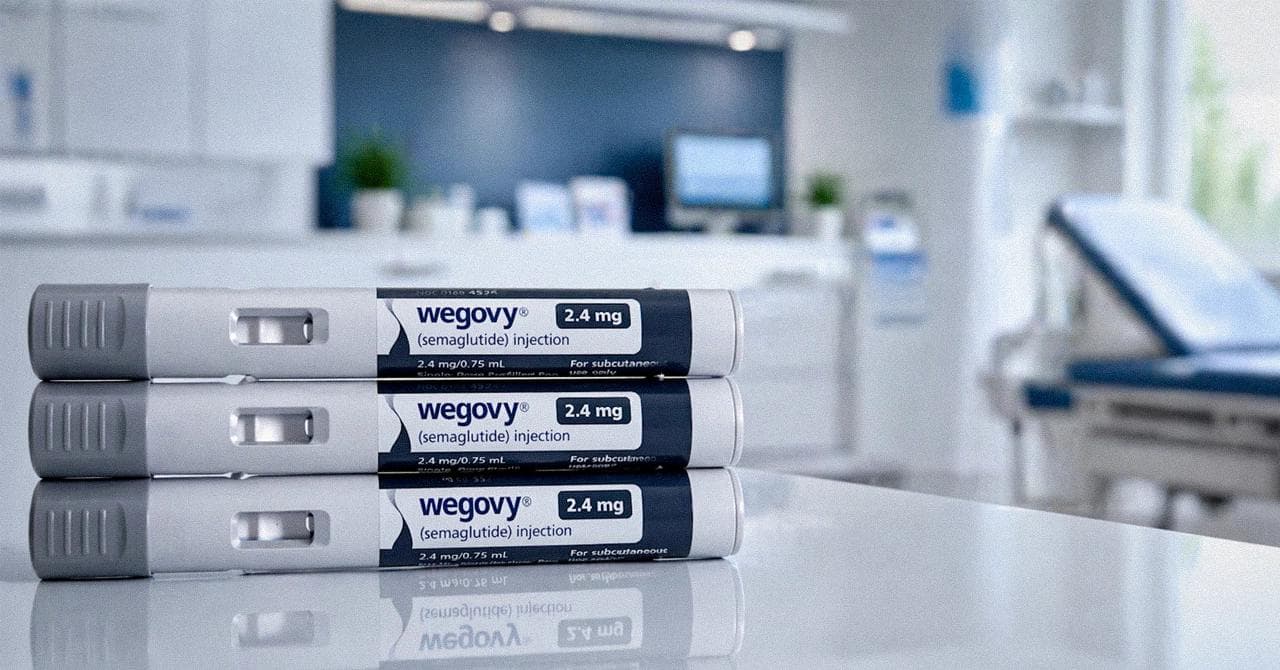
The highest dose of Wegovy is not used as a starting or default dose. It may be prescribed only after you have reached the standard maintenance dose and your response has been evaluated. The 7.2 mg dose was approved to provide an additional treatment option for adults who need further weight reduction beyond previously approved doses. In practice, a higher dose may be considered if:
- You have already reached 2.4 mg and need additional weight loss
- You tolerate the medication without significant gastrointestinal side effects
- Your healthcare provider determines that further dose escalation is appropriate based on your clinical response
The decision to move toward the highest dose of Wegovy for weight loss is individualized and based on both effectiveness and tolerability, rather than being routinely required for all patients.
What Are the Side Effects at the Highest Dose of Wegovy?
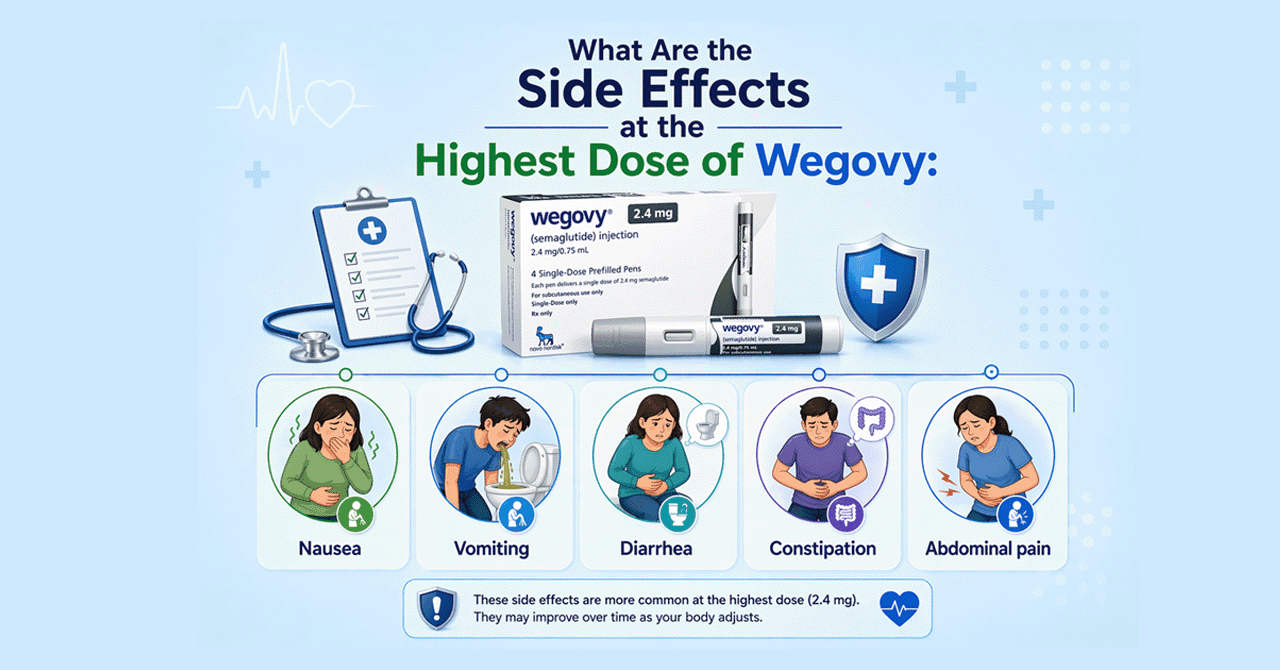
Side effects are more likely as the dose of Wegovy increases, especially when moving toward the highest dose. The most common side effects of semaglutide injection include:
- Nausea
- Vomiting
- Diarrhea
- Constipation
- Abdominal pain
Gastrointestinal side effects may become more frequent or severe at higher doses. If side effects become severe, persistent, or worsen after increasing your dose, you should contact your healthcare provider. Monitoring during dose escalation helps ensure safe use and allows timely dose adjustments if needed.
Who Should Avoid the Highest Dose of Wegovy?
The highest dose of semaglutide (Wegovy) is not suitable for everyone, and certain patients should avoid dose escalation based on safety considerations. According to prescribing information, Wegovy should not be used in people with:
- A personal or family history of medullary thyroid carcinoma
- Multiple Endocrine Neoplasia syndrome type 2
Patients who experience persistent or severe side effects during dose escalation may also not tolerate higher doses. In such cases, healthcare providers may either stop dose increases or maintain a lower dose.
The Bottom Line: Is the Highest Dose of Wegovy Worth It for Weight Loss?
The highest dose of Wegovy for weight loss, 7.2 mg once weekly, is not the standard target but an additional option for patients who need further results after reaching 2.4 mg. For most people, effective weight loss is achieved at the maintenance dose, and increasing beyond that depends on how well your body responds and tolerates treatment.
Higher doses may lead to additional weight reduction, but they also come with a greater risk of side effects, which is why dose escalation is carefully evaluated. Ultimately, it is considered only when the potential benefits clearly outweigh the risks under medical supervision.
Frequently Asked Questions
The maximum dose of Wegovy is 7.2 mg per week. However, the standard Wegovy maintenance dose is 2.4 mg once weekly, and higher doses are only used in select cases.
Yes, 2.4 mg once weekly remains the standard Wegovy maintenance dose for weight loss. This is the recommended long-term dose after completing the dose escalation schedule. The 7.2 mg dose is not a replacement for 2.4 mg. It is an additional higher-dose option for patients who may need further weight reduction.
No, you should not skip doses. Following the prescribed titration schedule helps reduce the risk of side effects and ensures safe dose escalation.
Higher doses of Wegovy may lead to additional weight loss in some patients, but results vary. The benefits must be balanced against tolerability and the risk of side effects.
If you cannot tolerate the highest dose of Wegovy, your healthcare provider may reduce your dose to a lower level, such as 2.4 mg or 1.7 mg, depending on your response and side effects.
Important Disclaimer
This blog is provided for informational purposes only and does not replace expert medical guidance, diagnosis, or treatment. The information is based on trusted sources, including the U.S. Food and Drug Administration (FDA) and the National Library of Medicine. Individual responses to treatment may vary. Always consult an authorized healthcare professional before making treatment decisions.