Common Type 2 Diabetes Oral Medications: What You Need to Know?
Type 2 diabetes is commonly managed with oral medications that help control blood sugar in different ways. For many people, treatment begins with metformin, the most commonly prescribed first-line medication. Because Type 2 diabetes is progressive, some individuals may require additional medications over time to maintain glucose control. Understanding the types of common oral medications for Type 2 diabetes can help you manage your treatment plan.
What Are Common Type 2 Diabetes Oral Medications?
Common Type 2 diabetes oral medications are prescription drugs taken by mouth to help control blood sugar levels in adults with Type 2 diabetes. These medications are usually recommended when lifestyle changes such as healthy eating, weight management, and regular physical activity are not enough to keep blood sugar within target ranges.
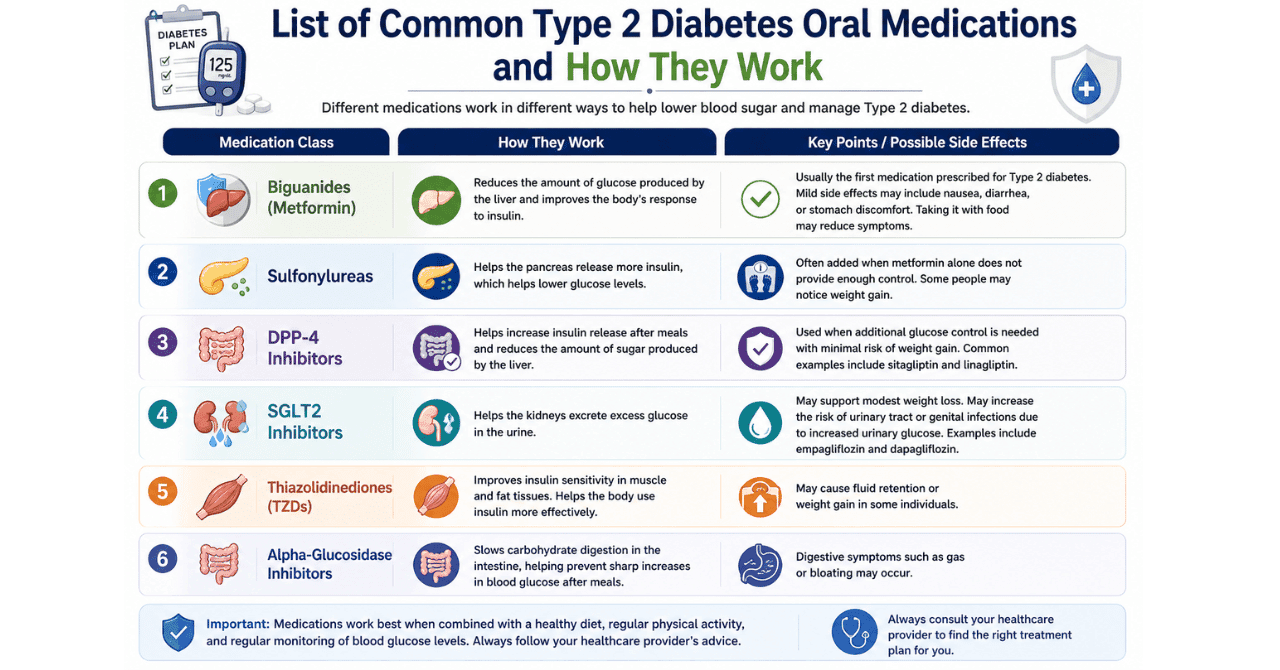
List of Common Type 2 Diabetes Oral Medications and How They Work
Several common oral medications for Type 2 diabetes are available, and each class works differently to help lower blood sugar levels.
Biguanides (Metformin)
Biguanides, especially metformin, are usually the first medication prescribed for Type 2 diabetes. They work by reducing the amount of glucose produced by the liver and improving the body's response to insulin. Some individuals may experience mild metformin side effects, such as nausea, diarrhea, or stomach discomfort. Taking it with food may reduce symptoms.
Sulfonylureas
Sulfonylureas for diabetes help the pancreas release more insulin, which helps lower glucose levels. These medications are often added when metformin alone does not provide enough control. Some people may also notice weight gain while taking this type of medication.
DPP-4 Inhibitors
DPP-4 inhibitors help increase insulin release after meals and reduce the amount of sugar produced by the liver. These medications are often used when additional glucose control is needed with minimal risk of weight gain. Common DPP-4 inhibitors include sitagliptin and linagliptin.
SGLT2 Inhibitors
SGLT2 inhibitors work by helping the kidneys excrete excess glucose in the urine. These medications may also support modest weight loss. However, these medications may increase the risk of urinary tract or genital infections due to increased urinary glucose. Examples include empagliflozin and dapagliflozin.
Thiazolidinediones (TZDs)
Thiazolidinediones improve insulin sensitivity in muscle and fat tissues. They help the body use insulin more effectively but may cause fluid retention or weight gain in some individuals.
Alpha-Glucosidase Inhibitors
Alpha-glucosidase inhibitors slow carbohydrate digestion in the intestine, helping prevent sharp increases in blood glucose after meals. Digestive symptoms such as gas or bloating may occur.
Meglitinides
Meglitinides stimulate insulin release around mealtimes and help control post-meal glucose levels. These medications may increase the risk of low glucose if meals are skipped.
How Do Type 2 Diabetes Pills Lower Blood Sugar?
Type 2 diabetes oral medications lower glucose levels through several targeted actions in the body. Some medications reduce liver glucose production, while others improve insulin sensitivity or increase insulin release after meals. Certain medications also help the kidneys remove excess glucose. These different mechanisms allow doctors to combine medications when needed to improve overall glucose control.
How Doctors Choose the Right Common Type 2 Diabetes Oral Medications
Doctors select oral diabetes medications based on measurable clinical targets, such as A1C, kidney function, cardiovascular risk, and body weight. Individuals with mild A1C elevation may begin with a single medication such as metformin, while higher A1C levels often require combination therapy. Certain medications may also be preferred for individuals with heart disease, kidney disease, or obesity.
Practical factors such as medication adherence, cost, and insurance coverage also influence long-term treatment decisions. Research from PubMed Central shows that physicians typically consider multiple clinical and personal factors at each stage of diabetes treatment to ensure safe and effective blood sugar control.
What Are the Common Side Effects of Type 2 Diabetes Oral Medications?
Side effects vary by medication type and individual response. Patients can review medication safety information through the FDA drug safety database.
| Medication Class | Common Side Effects | Why It Happens | When to Contact a Doctor |
|---|---|---|---|
| Biguanides (Metformin) | Nausea, diarrhea, stomach upset | Digestive system adjusts to medication | If symptoms are severe or last more than a few weeks |
| Sulfonylureas | Low blood sugar (hypoglycemia), weight gain | Increased insulin release lowers blood sugar quickly | If symptoms of dizziness, confusion, or fainting occur |
| DPP-4 Inhibitors | Headache, mild cold-like symptoms | Immune response changes | If symptoms persist or worsen |
| SGLT2 Inhibitors | Increased urination, urinary or genital infections | Extra glucose leaves body through urine | If burning, pain, or frequent infections occur |
| Thiazolidinediones (TZDs) | Weight gain, swelling in legs | Fluid retention | If swelling becomes severe |
| Alpha-Glucosidase Inhibitors | Gas, bloating | Slower carbohydrate digestion | If digestive symptoms become difficult to manage |
| Meglitinides | Low blood sugar | Insulin release around meals | If repeated low blood sugar episodes occur |
← Swipe to see more →
How Is Treatment Adjusted Over Time?
Oral medications for Type 2 diabetes may become less effective over time as the condition progresses. At this stage, healthcare providers may add additional medications to maintain target glucose levels. Treatment adjustments are based on factors such as A1C level, body weight, kidney function, cardiovascular risk, medication tolerance, and cost. According to the American Diabetes Association Standards of Care, metformin is recommended as the first-line oral medication for most individuals unless contraindicated.
Doctors may recommend adding a second or third oral medication if glucose levels remain above target ranges despite initial therapy. If target A1C levels are not achieved, injectable therapies or insulin may be introduced. Signs that treatment adjustment may be needed include rising A1C levels, persistent high glucose readings, increased thirst, frequent urination, or ongoing fatigue.
What Is the Best Oral Medication for Type 2 Diabetes?
The best oral medication for Type 2 diabetes varies based on individual health needs, A1C levels, and risk factors. Metformin is typically recommended as the first-line medication for most individuals. However, additional medications may be added depending on treatment response, side effect risk, and other health conditions. Treatment plans are personalized to achieve safe and effective glucose control.
Conclusion: Understanding Common Type 2 Diabetes Oral Medications
Understanding common Type 2 diabetes oral medications can help you make informed decisions about managing your blood sugar and overall health. Medication choice depends on individual health needs, and additional treatments may be added as diabetes progresses. Regular monitoring, open communication with your healthcare provider, and following prescribed treatment plans are essential for achieving long-term blood sugar control and reducing the risk of diabetes-related complications.
Frequently Asked Questions
Yes, studies from the American Diabetes Association show some medications, such as sulfonylureas and meglitinides, can cause low blood sugar, especially if meals are skipped or doses are not taken as directed.
Metformin is the most commonly prescribed oral medication for Type 2 diabetes and is usually recommended as the first-line treatment to help lower blood sugar levels.
Some individuals can manage Type 2 diabetes using oral medications alone, especially in the early stages. However, as the condition progresses, additional medications or injectable therapies may be required to maintain healthy glucose levels.
Most oral diabetes medications are safe for long-term use when taken as prescribed and monitored regularly by a healthcare provider.
Important Disclaimer
This blog is provided for informational purposes only and does not replace expert medical guidance, diagnosis, or treatment. The information is based on trusted sources such as the FDA and National Library of Medicine, but individual responses may vary. Always consult a licensed healthcare provider before making treatment decisions.