Is 100 mg Zoloft a High Dose for Anxiety?
If you have been prescribed sertraline, you may find yourself wondering: Is 100 mg Zoloft a high dose for anxiety? In most clinical cases, 100 mg is considered a moderate therapeutic dose rather than a high dose. It is commonly used when lower doses are not fully effective, and its impact varies depending on individual response, symptom severity, and how the body adjusts over time. Is 100 mg Zoloft a High or Normal Dose for Anxiety? (Dosage Range Explained)
Is 100 mg of Zoloft a High, Normal, or Safe Dose for Anxiety?
A 100 mg dose of Zoloft (sertraline) is considered a moderate, standard therapeutic dose for anxiety, not a high dose. It sits in the middle of the FDA-approved range (25 mg to 200 mg) and is widely used when lower doses do not provide sufficient symptom relief.
Where 100 mg Fits in the Dosage Range
- Starting dose: 25-50 mg (to minimize side effects)
- Therapeutic range: 75-125 mg (includes 100 mg)
- Higher range: 150-200 mg (for more severe or resistant cases)
This places 100 mg as a midpoint maintenance dose, commonly achieved through gradual dose increases (titration) after starting at a lower dose.
Why Zoloft 100 mg Is Commonly Prescribed
Doctors often use 100 mg because it offers a strong balance between effectiveness and tolerability:
- Provides better control of persistent anxiety when 50 mg isn’t enough
- Remains well below the maximum dose, maintaining a safety margin
- Allows flexibility to adjust up or down based on response
For many patients, this dose helps stabilize symptoms like excessive worry, restlessness, and panic episodes over the long term.
Is 100 mg Zoloft Safe for Anxiety Patients?
Yes, when prescribed and monitored properly, 100 mg is generally safe for most adults. It is one of the most commonly used and well-studied doses in anxiety treatment.
- Falls within established clinical guidelines
- Suitable for long-term use in many cases
- Side effects are typically mild and temporary, especially during the first few weeks
Some patients may experience short-term effects like nausea, sleep changes, or mild restlessness when adjusting to this dose, but these usually improve as the body adapts.
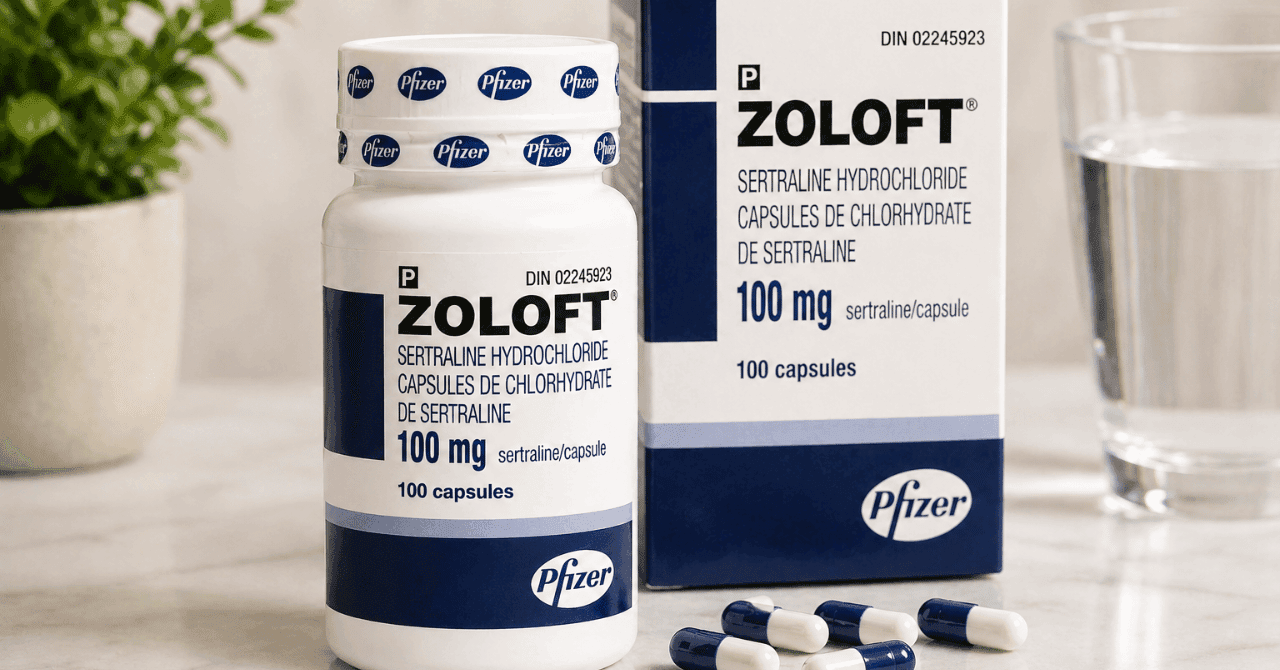
Side Effects of 100 mg Zoloft in Anxiety Treatment
At a 100 mg dose, Zoloft side effects are usually dose-related and temporary, most commonly appearing during the first 1-3 weeks after starting or increasing the dose. In most patients, these effects reduce as the body adjusts.
Common Side Effects at 100 mg Zoloft
| Side Effect | Frequency | Notes |
|---|---|---|
| Nausea | ~26% | Often improves when taken with food |
| Diarrhea | ~20% | Usually resolves within 1-2 weeks |
| Insomnia | ~20% | May improve by switching to a morning dose |
| Dry mouth | ~14% | Hydration helps |
| Dizziness | ~12% | Common in the early adjustment phase |
| Drowsiness | ~11% | Dose timing may help |
| Agitation | ~8% | Temporary “activation” effect |
| Reduced libido/ejaculation issues | ~6-8% | May persist in some cases |
← Swipe to see more →
Some patients may notice mild restlessness or increased anxiety after increasing to 100 mg. This is often called an activation effect and is not a sign of worsening anxiety. It usually appears in the first few days and settles as the body adapts to higher serotonin levels.
Important Safety Warnings for 100 mg Zoloft in Anxiety Treatment
Even at a stable and commonly prescribed dose like 100 mg, Zoloft can still cause side effects in some patients, especially during dose changes or early treatment. Most reactions are mild and temporary, but a few rare conditions require prompt medical attention.
Serotonin Syndrome (Rare but Serious)
This is an uncommon but serious reaction caused by excess serotonin activity. Warning signs may include high fever, confusion, muscle stiffness, rapid heartbeat, and severe agitation. It requires urgent medical care.
Temporary Increase in Anxiety or Panic
Some patients may notice a short-term spike in anxiety, restlessness, or panic symptoms when starting or increasing to 100 mg. This usually settles as the body adjusts over the first several days to weeks.
FDA Boxed Warning (Age-Related Risk)
Zoloft carries an FDA warning about an increased risk of suicidal thoughts in children, adolescents, and young adults under 25 during the early phase of treatment or after dose changes. Careful monitoring is advised in these cases.
Read more about Rexulti Vs Zoloft: Comparison, Side Effects, and Use for Depression
Key Takeaways: Is 100 mg Zoloft a High Dose for Anxiety Treatment?
100 mg of Zoloft is not a high dose for anxiety; it is a moderate, standard therapeutic dose within the FDA-approved 25-200 mg range used in clinical practice. Doctors often prescribe it as a maintenance dose when lower doses are not fully effective. It sits at the midpoint of the dosing spectrum and is generally well tolerated, with mild, temporary side effects during the initial adjustment period under medical supervision.
Frequently Asked Questions
According to clinical guidance and FDA-approved labeling for sertraline hydrochloride, anxiety symptoms typically begin improving within 2 to 6 weeks at a therapeutic dose like 100 mg. Full benefits often take up to 8 weeks or longer, depending on individual response and condition severity.
No, 100 mg of Zoloft is not considered too much for anxiety in adults. It is a standard mid-range therapeutic dose within the FDA-approved 25-200 mg daily range. Whether it feels “too strong” depends on individual sensitivity, but it is commonly prescribed and generally well tolerated under medical supervision.
The maximum recommended sertraline (Zoloft) dose for adults is 200 mg per day, according to FDA-approved prescribing information. This upper limit is used only when lower doses do not provide adequate symptom control and must always be managed by a healthcare professional.
Medical Disclaimer
This content is for informational purposes only and does not constitute medical advice. Information related to Zoloft (sertraline) and its dosing for anxiety may vary based on individual health conditions, medical history, and treatment response. Always consult a licensed healthcare professional before stopping, starting, or changing any medication or dosage.