
Polarbearmeds - Home
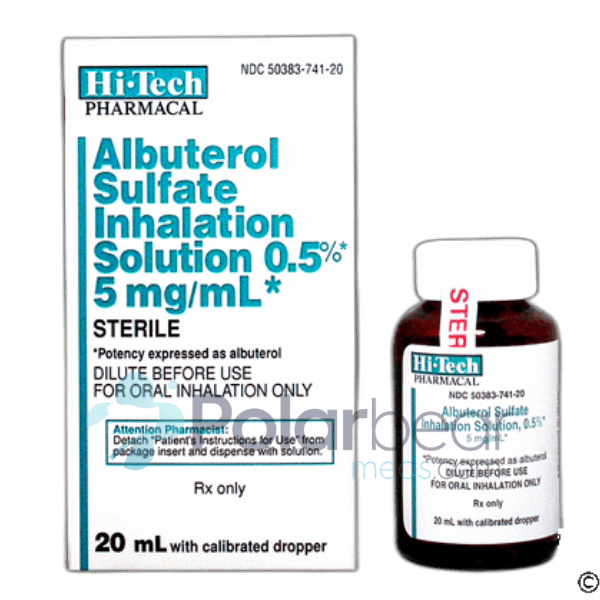
Albuterol (Salbutamol Sulfate) - Image 1

Albuterol (Salbutamol Sulfate)

No packages found
price-match-guarantee

Price Match Guarantee

We offer competitive pricing on all our medications. Find a lower price? We'll match it from any verified Canadian online pharmacy! Know More

Similar Medications

How to Order

Ordering your medication online is simple and convenient.

STEP 01

Select the prescribed dosage and quantity, then proceed to checkout.

STEP 02

Sign in or create a new account.

STEP 03

Upload your prescription.

STEP 04

Complete your purchase by processing the payment.

Shipping takes approximately 3-5 business days.

5 Star Excellence award from Shopper Approved for collecting at least 100 5 star reviews

Product Details

Description

Description

Albuterol contains albuterol sulphate, a bronchodilator used to treat symptoms associated with asthma, COPD, and other breathing disorders. It functions by easing the muscles around the airways. Suitable for use in adults and children over the age of four, Albuterol is available in different forms and strengths to cater to the specific needs of different people. For safe and effective use, you should take it exactly as prescribed by your doctor. The medication dosage is based on the patient's age, condition, and tolerability. If you are looking to buy Albuterol to manage asthma and respiratory conditions, obtain it from reputable sources to ensure its authenticity.

Albuterol is used to help relieve symptoms associated with asthma, COPD/chronic obstructive pulmonary disease & other breathing disorders. It contains albuterol sulfate, a bronchodilator that functions by easing the muscles around the airways, allowing easier airflow into and out of the lungs, and providing quick relief from wheezing, coughing, and shortness of breath.

This medication is typically available in strengths of 90 mcg per inhalation (inhaler form) or as a nebulizer solution. It should be taken exactly as prescribed and inhaled through a metered-dose inhaler or nebulizer. Dosage depends on age, condition, and response to treatment. Albuterol is suitable for adults and children above the age of four, under strict medical supervision. The medication begins to function within a couple of minutes and provides relief for several hours by targeting beta-2 receptors in the airway smooth muscles.

Similar to other inhaled medicines, it can cause certain common side effects, which may include headache, nervousness, shakiness, throat irritation, or rapid heartbeat. Severe reactions are rare but require immediate attention. Patients with heart conditions, high blood pressure, diabetes, or seizures should use it cautiously and inform their healthcare provider. If an Albuterol dose is missed, take it as soon as you think of it unless it is close to the next scheduled dose. You should not double the dose. In case of Albuterol overdose, seek emergency care. Keep this drug at room temperature, away from moisture & heat. Always follow your doctor's instructions and ask for clarification if unsure about use, especially in children or elderly patients.

Uses and Benefits

Uses and Benefits

It is used to:

  • Treat or prevent bronchospasm in asthma patients
  • Manage symptoms associated with chronic obstructive pulmonary disease, such as wheezing and shortness of breath
  • Prevent breathing difficulties triggered by physical exercise
Dosage

Dosage

What Are the Forms & Strengths of Albuterol?

It is available in different forms and strengths to cater to the needs of the individual. These may include:

Form: Metered dose inhaler

Strength: 90mcg per inhalation

Form: Dry powder inhalation

Strength: 90mcg per inhalation

Form: Nebulizer solution

Strength: 0.63mg/3ml, 1.25mg/3ml, 1.25mg/3ml, or 2.5mg/3ml

Form: Oral tablets

Strength: 2mg, 4mg

Form: Extended-release tablets

Strength: 4mg & 8mg

Form: Oral syrup

Strength: 2mg/5ml

What Is the Recommended Dosage of Albuterol?

The recommended dosage of Albuterol will be different for different patients depending on their age, condition, and tolerability. It is also based on the strength, duration, and form of medicine you use. The information provided includes the average dosage of Albuterol. If the dosage recommended by your doctor is different from the one given here, you should follow your doctor’s instructions and do not make alterations to it unless your doctor tells you to do so.

For Treatment and Prevention of Bronchospasm

Inhaler Form

  • Adults and children above 4 years: Two puffs every four to six hours as needed.
  • Children less than 4 years of age: The usage & dosage should be determined by a licensed healthcare professional.

For Prevention of Bronchospasm

Inhalation Solution with Nebulizer

  • For adults and children above 12 years of age: Take 2.5mg in the nebulizer three or four times each day as recommended.
  • Children aged 2 to 12 years of age: 0.63-12.5mg in the nebulizer 3-4 times a day as needed.
  • Children younger than two years of age: The usage and dosage should be determined by your child’s doctor.

For Preventing Exercise-induced Bronchospasm

  • Adults and children over 4 years of age: Take two puffs 15-30 minutes before exercise.
  • Children under the age of 4: Your doctor will determine the usage and dosage.

[Note: Remember, these recommendations may vary from person to person. Discuss it with your doctor, and they'll customize your dosage accordingly.]

Usage Guide

Usage Guide

  • Before using this medicine for the first time and each time you get a prescription refill, you should carefully refer to the patient information leaflet (PIL) & the medication guide. If you have trouble understanding any part of the leaflet or if you do have any questions or concerns regarding the medicine use, you should ask your doctor.
  • You should use this medicine exactly as your doctor directed. Do not take it more or less than the prescribed dose, more often, or in large quantities, as it can cause unfavorable outcomes.
  • Do not discontinue using Albuterol or any other asthma medicine without consulting your doctor, as it can increase your risk of having breathing problems.
  • You should use an Albuterol inhalation solution with a jet nebulizer that is connected with an air compressor and has good airflow. Ask your doctor or refer to the prescription label if you have any queries or concerns.

To use the inhalation solution in the nebulizer:

  • Use one solution container or mix the exact solution amount using the dropper provided for each dose.
  • Place the inhalation solution in the nebulizer cup or medicine reservoir on the machine.
  • Connect the nebulizer to the mouthpiece/face mask.
  • Use the nebulizer for about five to fifteen minutes, or until the medicine inside the nebulizer cup has disappeared.
  • You should properly clean all parts of the face mask or nebulizer after each use.
  • You should use the inhalation aerosol, and albuterol inhalation powder with a special inhaler that comes with patient instructions. If you or your child does not understand how to use the inhalers or do not understand the instructions, ask your doctor to show you how to use them. Also ask them to check regularly how you or your child are using the inhaler to ensure you are using it properly.

To properly use the inhalation aerosol, follow the instructions shared below:

  • You should keep the medicine at a controlled temperature before you use it.
  • To use the inhaler, firmly insert the metal canister fully into the actuator, which should not be used with other inhaled medicines.
  • To make sure that the mouthpiece is clean, remove the cap and inspect it properly.
  • Point the inhaler away from yourself and shake well before use. Before using the inhaler for the first time or after using it after two weeks, test-spray it in the air thrice or four times, depending on the type of inhaler you use. Keep it away from your face, and do not spray into your eyes.
  • To inhale this medicine, you should breathe in slowly and deeply, similar to how you yawn, while firmly pressing down once on the canister top.
  • Hold your breath for about 10 seconds, then breathe out slowly. If your doctor has recommended that you take more than one puff, wait for one minute before inhaling the second puff. Repeat the above steps for the second puff, starting with shaking the inhaler.
  • When you have finished all your doses, carefully rinse your mouth with water and spit out the water.
  • At least once a week, clean the inhaler mouthpiece with warm running water for about half a minute and let it air dry completely.
  • If you need to use the inhaler before completely dry, shake off the excess fluid, replace the canister, spray it twice in the air away from your face, and use the regular prescribed dose.
  • After using the inhaler, rewash the mouthpiece and let it dry thoroughly.
  • If the mouthpiece gets blocked, it may help if you wash it.
  • Your inhaler may also have a window that shows the number of remaining medicine doses, which indicates when you are running out of medicine. The counter may turn red when there are about twenty doses left to remind you to refill your prescription. Call your pharmacist or healthcare provider if you need a medicine refill.

To properly use the inhalation powder, follow the steps below.

  • Before using this inhaler for the first time, remove it from the foil pouch.
  • Ensure the inhaler cap is tightly closed before you use it. Do not loosen the cap unless you are ready to use it.
  • Hold the inhaler upright as you entirely open the cap until you hear a clicking sound.
  • The inhaler is now ready to use. Breathe out completely, insert the mouthpiece entirely into your mouth, and close your lips around it.
  • Hold your breath for about ten seconds or as long as you comfortably hold. Inhale the medicine.
  • Remove the mouthpiece from your mouth and check the dose counter to ensure that you have got the medicine.
  • Close the cap after using the inhaler after each use.
  • If your doctor has recommended that you use more than one puff, repeat the steps given above, starting with opening the cap.
  • Keep the inhaler dry and clean at all times. Do not wash or put any inhaler part in water. Instead, gently wipe it using a dry cloth or tissue.

[Note: Your doctor will decide the right amount for you based on your condition, following guidelines and studies on the drug. They'll adjust it as needed over time.]

How It Works

How It Works

Albuterol works by targeting the smooth muscles of the airways in your lungs. It is a type of medication called a beta-2 adrenergic receptor agonist. By activating these receptors, albuterol causes the muscles in the airways to relax, which helps to open up the air passages. This process improves airflow, making it easier to breathe. It is particularly effective in relieving bronchospasms, a condition where the airways become constricted, often seen in asthma or chronic obstructive pulmonary disease. Albuterol’s action is quick, providing fast relief from shortness of breath, symptoms like wheezing, and chest tightness. However, it primarily works as a short-term solution rather than a long-term treatment for respiratory issues.

Side Effects

Side Effects

Common side effects of Albuterol: Similar to other beta-agonists, Albuterol can cause certain temporary side effects in some of its users. These commonly occurring side effects usually subside by themselves without the need for medical intervention within a couple of days or weeks. It is also important to note that not everyone using Albuterol will experience these symptoms. If any of the given side effects persist or become worse, talk to a healthcare professional as soon as possible. Albuterol common side effects may include:

  • Fast or Irregular Heart Rate: Albuterol is a beta-agonist that stimulates beta receptors in the heart, which may lead to increased heart rate and, in some cases, irregular heartbeats. This occurs because the medication targets lung receptors and can also affect cardiac receptors. To minimize this side effect, you should use the lowest effective dose & avoid exceeding the recommended frequency of administration. Consult your healthcare provider at once if you have significant heart palpitations or irregular heartbeats.
  • Chest Pain: Albuterol's stimulating effects on the heart can cause chest pain, leading to increased oxygen demand and potential angina. Additionally, the medication's impact on blood vessels might contribute to discomfort. To reduce the risk, adhere to prescribed dosages and monitor for chest discomfort. If chest pain persists or intensifies, seek medical attention immediately.
  • Shakiness: Shakiness, or tremors, is one of the most commonly occurring side effects of albuterol due to its action on beta receptors in skeletal muscles. This stimulation can lead to involuntary muscle movements. To manage this symptom, use the inhaler as directed and avoid taking multiple doses in a short period. If tremors are bothersome or persistent, discuss alternative treatments with your doctor.
  • Nervousness: Albuterol's stimulating effects on the central nervous system can cause nervousness or anxiety, which may lead to feelings of restlessness or unease. To mitigate this side effect, practice relaxation techniques such as deep breathing or meditation. If feelings of nervousness are severe or persistent, consult your healthcare provider.
  • Headache: Albuterol use may cause headaches due to changes in blood flow, and blood pressure, or direct effects on the brain. To alleviate headaches, ensure adequate hydration and rest. If headaches continue or worsen, seek advice from your healthcare provider.
  • Nausea: Nausea may happen as a side effect of albuterol, possibly due to gastrointestinal irritation or systemic medication absorption. To reduce the likelihood of nausea, take the medication with food or a small snack. If nausea is severe or leads to vomiting, contact your doctor for guidance.
  • Vomiting: Vomiting, often accompanying nausea, can result from albuterol's effects on the gastrointestinal system. To manage this, stay hydrated and consider taking anti-nausea medications as prescribed. If vomiting persists or leads to dehydration, seek medical attention promptly.
  • Dizziness: Dizziness may occur with albuterol use, potentially due to changes in blood pressure or the blood flow. To minimize this effect, rise slowly from sitting or lying positions and avoid sudden movements. If dizziness is severe or leads to fainting, consult your healthcare provider.
  • Sore Throat: Inhaling albuterol can cause a sore throat, which can lead to irritation of the throat lining. To alleviate this, gargle with warm salt water, stay hydrated, and use throat lozenges. See medical advice if the sore throat persists or is accompanied by other symptoms.
  • Runny Nose: A runny nose might result from albuterol's effects on nasal blood vessels, increasing mucus production. Use saline nasal sprays or decongestants as your healthcare provider recommends to manage this. If nasal symptoms persist or worsen, consult your doctor.

Severe side effects of Albuterol: Albuterol can cause rare but severe side effects in some people using it. These adverse symptoms require immediate medical assistance and may be fatal if not treated quickly. To prevent the worsening of symptoms, you should report any new or bothersome symptoms to your doctor at once. If you have any of the symptoms mentioned below, seek emergency medical assistance by calling a healthcare professional or 911. Serious Albuterol side effects include:

  • Severe Allergic Reactions: Inhaled albuterol can trigger allergic responses ranging from mild to severe. Symptoms such as breathing difficulties, wheezing, rapid heart rate, fever, swollen lymph nodes, facial swelling, throat tightness, itching, skin rash, nausea, dizziness, stomach cramps, and joint pain may occur. These reactions are believed to result from the body's immune system mistakenly identifying albuterol as a harmful substance, leading to inflammation and other allergic manifestations. If any of these symptoms arise, it's crucial to discontinue albuterol use and seek immediate medical attention. ​To prevent this symptom, you should inform your doctor or healthcare provider beforehand if you have ever had an allergic reaction to any of the components listed in this product.
  • Breathing Problems: While albuterol is intended to relax airway muscles and ease breathing, it can sometimes cause bronchospasm, where these muscles tighten instead. This reversal can lead to increased wheezing and breathing difficulties. It's essential to monitor your breathing after using albuterol. If you experience worsening respiratory symptoms, stop using the inhaler and contact your healthcare provider promptly. ​
  • Heart Effects: Albuterol can influence heart function by increasing heart rate and blood pressure. Elevated blood pressure readings (180 mm Hg systolic or 120 mm Hg diastolic) are concerning and require immediate medical attention. Additionally, chest pain, rapid or irregular heartbeats, or a noticeable increase in heart rate should be addressed promptly. These cardiac effects may result from albuterol stimulating beta receptors not only in the lungs but also in the heart, leading to increased cardiac activity. ​
  • Low Potassium Levels (Hypokalemia): Albuterol can cause hypokalemia, a medical condition where potassium levels in the blood drop to dangerously low levels. Potassium is essential for muscle function, including the heart. Symptoms of hypokalemia include weakness, unusual tiredness, muscle cramps or twitching, and constipation. Healthcare providers may monitor potassium levels to manage this risk, especially if you're on other medications that affect potassium. Maintaining a balanced diet rich in potassium-containing food items may also help, but consult your doctor before making significant dietary changes. ​
  • Constipation: While less common, albuterol can cause gastrointestinal issues like constipation. This side effect might occur due to albuterol's action on beta receptors in the gastrointestinal tract, leading to reduced motility. To alleviate constipation, ensure adequate hydration, consume a diet high in fiber & engage in regular physical activity. If constipation persists or becomes bothersome, consult your healthcare provider for further guidance. ​

[Note: Remember, this list may not cover all possible side effects. Always consult with your healthcare giver for medical advice about side effects.]

Warnings

Warnings

  • Albuterol can lead to an increase in the heart rate. This medicine should be used cautiously in individuals with heart-related conditions, including arrhythmias, as it can worsen these conditions.
  • This medicine may lead to an increase in blood pressure. Patients with existing hypertension or a history of heart disease should monitor their blood pressure on a regular basis while being treated with Albuterol.
  • Some users may experience palpitations, a sensation of irregular or rapid heartbeat. These should be immediately reported to a licensed healthcare professional, particularly if they persist or worsen.
  • In certain rare cases, Albuterol can cause paradoxical bronchospasm, which is a serious condition that requires immediate medical attention. If you experience tightness in your chest, difficulty breathing, or increased wheezing, seek medical advice.
  • This medicine can cause low potassium levels in some people using it, especially those who use this medicine in high doses or more frequently. Symptoms of hypokalemia may include cramps, muscle weakness, and irregular heart rhythms. Your doctor will closely monitor your condition, especially with prolonged use.
  • This medicine should be used during pregnancy and breastfeeding only if clearly needed, and may pass into breast milk. Consult with a doctor before use.
  • Special dosing adjustments may be required for pediatric patients. Elderly individuals may have an increased sensitivity to side effects, especially cardiovascular effects.
Safety Guide

Safety Guide

  • You should not use inhaled form of Albuterol unless your doctor has prescribed it to you as it can cause unwanted symptoms. For a safe and effective use, take it exactly as your doctor has instructed you to.
  • Do not share this medicine with others, even if they have the same condition as you as it can harm them.
  • You should discuss with your physician or healthcare professional regarding the proper ways to clean your inhaler. The type of the inhaler you use may affect the way you clean it.
  • If you use a nebulizer to inhale your medicine, talk to your doctor regarding how to clean the machine and follow the instructions that come with your machine.
  • Before using this inhaler, ensure that you or a caregiver understand how to properly use it and clean it. You may also follow the instructions that come along with it.
  • Discuss with your healthcare provider if your breathing problems worsens or if you need to use more inhaled medicine more than before. Your doctor may recommend you use another medicine to relieve symptoms quickly.
Contraindications

Contraindications

Albuterol is contraindicated for use in individuals with:

  • Hypersensitivity to any of its active or inactive ingredients
  • It should be used with caution in individuals taking monoamine oxidase inhibitors or tricyclic antidepressants.
Missed Dose

Missed Dose

If you are using Albuterol on a regular basis, and forget to take a dose, follow the instructions given below:

  • You should take the missed dose as soon as you think of it, unless it is almost time for your next scheduled dose. In that case, omit the missed dose and continue taking your doses as per the schedule.
  • You should not take double or extra doses of the same medicine to make for a missed dose, as it can do more harm than good.
  • If you often forget to take your medicine on time, it may help if you set a medicine reminder on your mobile phone or mark your calendar to help you remember take it.
  • If you are still unsure or have specific questions, consult your healthcare provider.

[Note: If you have missed a dose of your medication and are unsure about when to take the next one, immediately consult your doctor or pharmacist.]

Overdose

Overdose

If you or someone you know have taken Albuterol more than the prescribed dose, it can lead to symptoms of excessive beta-adrenergic stimulation, such as tremors, nervousness, headaches, rapid heartbeat (tachycardia), and dizziness. In severe cases, it may also lead to hypokalemia, arrhythmias, or even cardiac arrest. Seek medical attention if you suspect an Albuterol overdose. Call a healthcare professional or 911. You can also go to the medical care centre.

[Note: If you consumed more than the recommended dose, get medical help right away or call the Poison Help line at 1-800-222-1222.]

Storage Guide

Storage Guide

If you are using an inhaler, check the expiration date and follow the device's storage instructions. You can also refer to the instructions given below.

  • Albuterol should be stored in its original packaging at room temperature, away from sunlight, heat & moisture.
  • Ensure the cap of the inhaler is tightly closed at all times.
  • Do not freeze it or keep it in places with high humidity, such as the bathroom or under the sink.
  • Keep it in a safe place, such as a medicine cabinet, out of the sight and reach of children and pets.

[Note: Discuss with your healthcare professional about the proper disposal of any unused medicine and any questions you may have regarding its storage.]

Interactions

Interactions

Certain medicines may interact with Albuterol and interfere with how this bronchodilator works or cause unfavorable side effects. Before using Albuterol, tell your doctor or healthcare provider about all the medicines you use or plan to use including all vitamins, mineral supplements, prescriptions, or over-the-counter drugs. This is essential in helping your doctor identify and manage the potential drug interactions with Albuterol. If any significant drug interaction is found, they may make dosage alterations in one or both drugs or recommend you use a different treatment option altogether. These mainly include:

  • Atenolo
  • Amphetamine
  • Atomoxetine
  • Carvedilol
  • Clomipramine
  • Cyclopenthiazide
  • Dextroamphetamine
  • Digoxin
  • Imipramine
  • Labetalol
  • Levobunolol
  • Lisdexamfetamine
  • Metoprolol
  • Nebivolol
  • Nortriptyline
  • Propranolol
  • Rasagiline
  • Selegiline
  • Sotalol
  • Timolol
  • Tranylcypromine

What Are the Other Albuterol Interactions?

Certain medicines should not be used at or around the same time of consuming food or beverages. You should not use alcohol or tobacco with certain medicines as it can cause interactions to occur. You should discuss with your doctor or pharmacist the use of your medicines with food, alcohol, or tobacco. The presence of certain conditions may also affect the use of this medicine. Tell your doctor about your entire medical history, especically if you have any medical condition, including the following:

  • Allergy to milk proteins
  • Diabetes
  • Heart rhythm problems
  • High blood pressure
  • Hypokalemia
  • Ketoacidosis
  • Kidney disease
  • Overaactive thyroid
  • Seizures

[Note: This isn't a complete list, and there could be other drugs that interact with Albuterol. Make sure to tell your doctor about any prescription, over-the-counter medicines, and herbal products you’re taking.]

Alternatives

Alternatives

When it comes to managing respiratory conditions, Albuterol is a commonly prescribed medication. However, for various reasons, some individuals may need to explore alternatives. Whether due to side effects, contraindications, or personal preferences, it's important to consider other options that can offer similar benefits. But before making any changes, it's crucial to consult your healthcare provider. They can guide you in choosing the best alternative depending on your specific health needs and circumstances. Some of the alternatives to Albuterol include:

[Note: Your doctor will choose what’s best for you. Don’t use any of these alternative medications without consulting your healthcare provider. Taking them by yourself may cause serious side effects.]

Cost & Coupons

Cost & Coupons

The price of obtaining Albuterol is based on many factors such as the health inrusance coverage plan, prescription duration and type, and the pharmacy you choose to buy Albuterol online from. The price of this medicine may be even higher if your health insurance does not cover it, often leading to out-of-pocket costs. At Polar Bear Meds, we understand the importance of affordable and accessible medicines which is why we help our users buy Albuterol online from Canada in the USA at low prices. Additionally, if you are a first time visitor, you can buy Albuterol with coupon code WELCOMEPB10 to get an additional 10% off on your initial purchase.

FAQ

FAQ

Guarantee

Guarantee

AtPolarBearMeds.com, we assure you the most affordable price to buy Albuterol online from Canada. Rest easy knowing that your order will be dispatched from a reputable Licensed Canada Pharmacy Online, adhering to the highest standards of quality and authenticity. Our discounted medications are shipped directly from Canada to your doorstep, ensuring a swift and secure delivery experience. To conveniently buy Albuterol to manage asthma and respiratory conditions at a substantial cost, call us at 1-888-779-2193 toll-free.

Important Notice

Important Notice

The content provided on the Polar Bear Meds website serves to increase knowledge about healthcare products and medical conditions and is strictly for informational purposes. It should not replace professional medical advice. We urge you to consult with a qualified healthcare professional prior to utilizing any prescription or over-the-counter medication. Our platform grants access to an extensive array of products, sourced internationally, including Canada. We collaborates with a licensed pharmacy partner in Canada and trusted dispensing pharmacies globally. All affiliated fulfillment centers are accredited by the regulatory authorities of their respective countries.

Dr. Jackson Miller

Medically Reviewed by Dr. Jackson Miller (M.D)

Dr. Jackson Miller is a board-certified medicine physician & hospitalist. He is a healthcare professional with a strong background in patient care. With years of experience and a patient-first approach, he believes the foundation of good health is a patient who feels informed and empowered. He contributes to medical content review, drawing on his background in clinical practice and patient education. He focuses on presenting health information in a clear, accurate, and accessible way to help readers make informed decisions. His work emphasizes clarity, evidence-based guidance, and understandable explanations of medical topics.

Find Dr. Jackson Miller on:LinkedIn

Similar Medications

Price matching guarantee certificate

We offer competitive pricing on all our medications. We'll match if you find a lower price on an identical product at a verified Canadian online pharmacy!

Eligibility Criteria:

  • The competitor's price must be active (no past/future sales).
  • It is only valid for Canadian online pharmacies with a verifiable address.
  • The product must match the strength, pack size, quantity, manufacturer & origin.
  • There are no price matches on used/expired medications.
  • You must submit your requests before placing an order.
  • We cannot adjust prices after purchase.
  • Request via live chat or phone before placing your order.

Need help? Call our friendly support team at 1-888-779-2193 or fill out the Contact Form