Polarbearmeds - Home
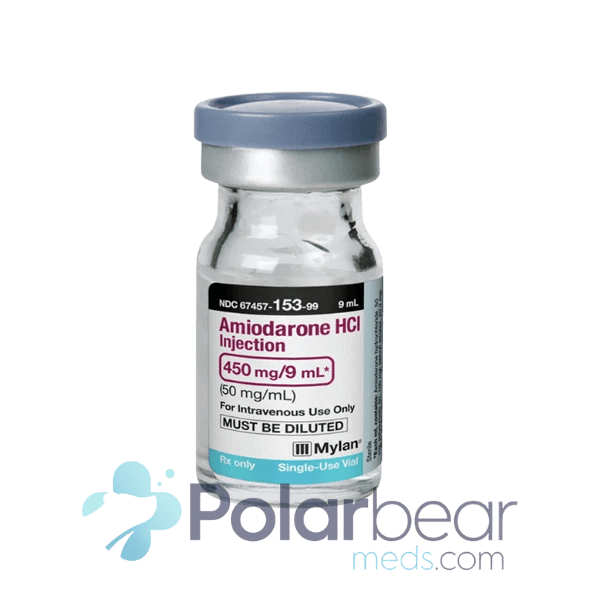
Amiodarone Vial - Image 1

Amiodarone Vial

No packages found
price-match-guarantee

Price Match Guarantee

We offer competitive pricing on all our medications. Find a lower price? We'll match it from any verified Canadian online pharmacy! Know More

Similar Medications

How to Order

Ordering your medication online is simple and convenient.

STEP 01

Select the prescribed dosage and quantity, then proceed to checkout.

STEP 02

Sign in or create a new account.

STEP 03

Upload your prescription.

STEP 04

Complete your purchase by processing the payment.

Shipping takes approximately 3-5 business days.

5 Star Excellence award from Shopper Approved for collecting at least 100 5 star reviews

Product Details

Description

Description

Amiodarone Vial is a potent antiarrhythmic medication used to manage life-threatening heart rhythm disorders, including ventricular fibrillation and ventricular tachycardia. Typically administered in a hospital setting, this drug works by stabilizing electrical activity in the heart to restore a normal heartbeat. Due to its potential for serious side effects—including lung, liver, and thyroid complications—patients require close monitoring. Amiodarone is prescribed when other treatments prove ineffective. While highly effective, it interacts with various medications and requires careful dosage adjustments based on individual health conditions and potential risks.

Amiodarone Vial is a powerful antiarrhythmic drug prescribed for life-threatening heart rhythm disorders such as ventricular fibrillation and ventricular tachycardia. It is typically administered intravenously in a hospital setting, allowing doctors to closely monitor the patient’s response and manage any side effects. This medication works by altering the electrical signals in the heart, helping to regulate and maintain a steady heartbeat.

Due to its potency, amiodarone carries significant risks, including lung toxicity, liver damage, thyroid dysfunction, and vision disturbances. Patients must undergo regular health screenings, including lung function tests, liver enzyme monitoring, and eye exams, to detect potential complications early. Amiodarone also has numerous drug interactions, requiring careful consideration before combining it with other medications.

While amiodarone is often used when other treatments fail, alternatives such as dronedarone, sotalol, or propafenone may be considered in certain cases. Given the complexity of its effects, amiodarone should only be used under strict medical supervision, ensuring both safety and efficacy in managing severe arrhythmias.

Uses and Benefits

Uses and Benefits

Amiodarone Vial is a strong medication used to treat serious and life-threatening irregular heartbeats (arrhythmias):

  • Ventricular Fibrillation (VF) – A dangerous heart rhythm that can cause the heart to stop pumping properly.
  • Ventricular Tachycardia (VT) – A fast and abnormal heart rhythm that can lead to serious complications, including cardiac arrest.
Dosage

Dosage

What Strengths Does Amiodarone Injection Come In?

Amiodarone injection typically comes in the following strengths:

  • 50 mg/mL
  • 100 mg
  • 150 mg/150 mL (0.5%)
  • 200 mg
  • 300 mg
  • 400 mg
  • 450 mg/250 mL (D5%)
  • 900 mg/500 mL (D5%)

These different strengths allow healthcare providers to tailor the dosage according to the specific needs of the patient and the type of arrhythmia being treated.

What Is the Typical Dosage of Amiodarone Injection?

The dosage of Amiodarone Injection depends on several factors, including your specific heart condition, overall health, and how you respond to the medication. Doctors usually start with a low dose and adjust it over time to find the most effective and safest amount for you.

Your doctor will prescribe the smallest dose necessary to achieve the desired effect while minimizing side effects. The information provided here includes commonly recommended dosages, but your exact dosage may vary. Always follow your doctor’s instructions for taking Amiodarone, as they will determine the best dosage based on your needs.

Usual Adult Dosage for Arrhythmias: Intravenous (IV) Dosage

  • Initial Dosage (First 24 Hours)
    • Total dose: 1000 mg over 24 hours, given in three stages:
      • Loading Infusion: 150 mg over 10 minutes (at a rate of 15 mg per minute)
      • Continued Loading: 360 mg over the next 6 hours (at a rate of 1 mg per minute)
      • Maintenance Infusion: 540 mg over the remaining 18 hours (at a rate of 0.5 mg per minute)
  • Maintenance Dosage (After 24 Hours)
    • Continue infusion at 0.5 mg per minute
    • If arrhythmia persists: Infusion rate can be increased based on patient response.
  • Supplemental Infusions for Severe Cases
  • For breakthrough VF or unstable VT: 150 mg over 10 minutes (at a rate of 15 mg per minute)
  • Maximum Dosage Limits
    • Maximum initial infusion rate: 30 mg per minute
  • Duration of IV therapy:
    • Most patients need treatment for 48 to 96 hours
    • Maintenance infusion at 0.5 mg per minute can continue for up to 3 weeks
  • Important Notes:
    • Daily doses exceeding 2100 mg in the first 24 hours can increase the risk of low blood pressure (hypotension).
    • Treatment should be closely monitored for effectiveness and side effects.

Oral Dosage

  • Loading Phase (High Dose for Rapid Control)
    • 800 to 1600 mg per day for 1 to 3 weeks
    • Treatment continues until arrhythmia is under control or side effects appear.
  • Adjustment Phase
    • 600 to 800 mg per day for 1 month
    • If stable, the dose is gradually reduced to the maintenance level.
  • Maintenance Dose (Long-Term Use)
    • 400 mg per day (may be taken once daily)
    • If the daily dose is 1000 mg or more, it is recommended to split into two doses for better tolerance.
    • Some patients may need up to 600 mg per day, while others can manage on lower doses.

Switching from IV to Oral Amiodarone

When switching from IV infusion to oral amiodarone, the oral dosage depends on how long IV treatment was given:

  • Less than 1 week: Take 800 to 1600 mg per day
  • 1 to 3 weeks: Take 600 to 800 mg per day
  • More than 3 weeks: Take 400 mg per day

[Note: Remember, these recommendations may vary from person to person. Discuss it with your doctor, and they’ll customize your dosage accordingly.]

Usage Guide

Usage Guide

If your doctor has prescribed Amiodarone Injection, it is important to understand how it is used to ensure safe and effective treatment.

  • How Amiodarone Injection Is Given:
      • Your first dose of Amiodarone will be given by a healthcare provider in a hospital or clinic setting. This is to monitor your heart and make sure you do not have serious side effects.
      • The injection is given into a vein (IV infusion), usually in a large vein in the upper chest (central IV line).
      • You will continue to receive this medication in a controlled hospital environment where your heart activity will be monitored closely.
  • Monitoring and Precautions During Treatment:
      • While receiving Amiodarone Injection, your doctor will monitor your health with blood tests, eye exams, and chest X-rays to check for potential side effects.
      • If you are scheduled for surgery, including laser eye surgery, inform your surgeon and healthcare team that you have been treated with Amiodarone.
      • Amiodarone may affect medical test results, so always tell any doctor treating you that you are using this medication.
  • Switching to Oral Amiodarone:
    • After your IV treatment is complete, your doctor may switch you to an oral form of Amiodarone (taken by mouth) to continue managing your condition.
    • Make sure to read the medication guide provided with the oral form and follow your doctor’s instructions carefully.

Using Amiodarone correctly and under medical supervision is crucial for your safety. If you have any concerns or side effects, talk to your doctor or pharmacist immediately.

[Note: Your doctor will decide the right amount for you based on your condition, following guidelines and studies on the drug. They’ll adjust it as needed over time.]

How It Works

How It Works

Amiodarone is a type of antiarrhythmic medication, which means it helps control irregular heartbeats. It works by affecting the electrical signals in your heart, helping it maintain a steady and normal rhythm.

Inside the heart’s muscle cells, Amiodarone regulates contractions and slows down abnormal electrical activity, preventing conditions like ventricular fibrillation (VF) and ventricular tachycardia (VT). By doing this, it helps reduce the risk of serious heart rhythm problems that could lead to complications. If you have questions about how Amiodarone works in your specific case, your doctor can provide personalized guidance based on your health condition.

Side Effects

Side Effects

Like any medication, Amiodarone Injection can cause side effects, ranging from mild to serious. While not everyone experiences them, it’s important to be aware of what to watch for. Some side effects may go away on their own, but others could require medical attention. If you notice any unusual symptoms while taking Amiodarone, talk to your doctor or pharmacist. They can provide guidance on how to manage side effects or determine if the medication needs to be adjusted. Although Amiodarone doesn’t cause drowsiness, it may lead to other reactions that can affect your overall well-being. If you have concerns, don’t hesitate to reach out to your healthcare provider.

Common Side Effects of Amiodarone Injection

Like any medication, Amiodarone Injection can cause side effects, but most are mild and temporary, lasting a few days to weeks. If any of these persist, become bothersome, or feel severe, talk to your doctor or pharmacist for advice. Here are some common side effects you might experience:

  • Nausea and Vomiting – You may feel queasy or have an upset stomach. Eating light meals and staying hydrated may help.
  • Fatigue – Feeling more tired than usual is common. Rest and a good sleep routine can help.
  • Tremors and Lack of Coordination – Some people notice shaky hands or trouble with precise movements. If it affects daily tasks, let your doctor know.
  • Constipation – You might have difficulty passing stools. Drinking more water and eating fiber-rich foods may ease this.
  • Insomnia – Trouble sleeping? Try avoiding caffeine and screen time before bed.
  • Headache and Stomach Pain – Mild discomfort in your head or stomach may occur, but it usually improves with time.
  • Decreased Sex Drive or Performance – Some people notice changes in libido, which can return to normal over time.
  • Uncontrollable or Unusual Movements – If you notice jerky movements or twitching, check with your doctor.

These side effects are usually manageable, but if anything feels severe or unusual, don’t hesitate to seek medical advice.

Serious Side Effects of Amiodarone Injection

While Amiodarone Injection is effective in treating irregular heartbeats, it can sometimes cause serious side effects. These don’t happen to everyone, but if you experience any of them, contact your doctor immediately. If the symptoms seem severe or life-threatening, call 911 or seek emergency medical care right away. Here are some serious side effects to watch for:

  • Allergic Reactions: Some people may have allergic reactions to Amiodarone. Signs to look out for include:
    • Skin rash, itching, or hives – Your skin may become red, swollen, or irritated.
    • Swelling of the lips, face, or tongue – This can make it difficult to breathe and requires immediate medical help.
  • Lung Problems: Since Amiodarone can affect your lungs, it’s important to tell your doctor if you notice:
    • Wheezing or trouble breathing – You may feel short of breath even without exertion.
    • Persistent coughing or chest pain – If you start coughing up blood, seek medical help immediately.
  • Vision Changes: This medication can affect your eyesight, so pay attention to:
    • Blurred vision or increased sensitivity to light – Bright lights may feel uncomfortable.
    • Seeing halos around objects (blue or green circles) – This could be a sign of vision issues.
  • Liver Problems: Your liver helps clear medications from your body, and Amiodarone may sometimes cause liver damage. Symptoms include:
    • Dark urine and yellowing of the skin or eyes – These can indicate jaundice, a sign of liver distress.
    • Unusual fatigue or weakness – Feeling extremely tired without explanation.
  • Heart Problems: Because Amiodarone affects the heart, it may sometimes cause irregularities instead of fixing them. Look out for:
    • Fast or irregular heartbeat – Your pulse may feel uneven or unusually rapid.
    • Chest pain, dizziness, or fainting – This could signal a serious heart issue.
  • Stomach Problems: Your digestive system may also be affected. Tell your doctor if you experience:
    • Severe stomach pain or vomiting blood – These may indicate internal bleeding.
    • Ongoing nausea or discomfort – If it doesn’t go away, it needs medical attention.
  • Thyroid Problems: Amiodarone can impact thyroid function, leading to:
    • Weight loss or gain – Sudden unexplained changes in weight.
    • Sweating more than usual or feeling extremely hot or cold – This can be a sign of an overactive or underactive thyroid.
    • Hair thinning – Your hair may start shedding noticeably.
  • Nerve Damage: This medication can affect your nerves, leading to:
    • Tingling or numbness in hands or feet – This can be mild or severe.
    • Trouble walking or muscle weakness – You may feel unsteady or struggle with coordination.
  • Skin Reactions: In rare cases, Amiodarone can cause serious skin issues like:
    • A blue-gray skin tint – Your skin may develop a bluish discoloration, especially after sun exposure.
    • Severe sunburn – Your skin may burn easily, so always wear sunscreen when outdoors.

If you notice any of these symptoms, it’s crucial to speak with your doctor as soon as possible. Early detection can help manage these effects and keep you safe while taking Amiodarone.

[Note: Remember, this list may not cover all possible side effects. Always consult with your healthcare giver for medical advice about side effects.]

Warnings

Warnings

If you are taking Amiodarone Injection, there are some important warnings you should be aware of to ensure your safety.

  • Sun Sensitivity Warning
    • Amiodarone can make your skin more sensitive to the sun or cause your skin to turn a blue-gray color with prolonged sun exposure.
    • Try to stay out of direct sunlight while taking this medication.
    • If you need to be outside, wear sunscreen and protective clothing to reduce the risk of sunburn or skin changes.
    • Avoid using tanning beds or sun lamps, as they can worsen skin sensitivity.
  • Risk of Vision Problems:
    • Amiodarone may cause vision issues, such as blurry vision, seeing halos around lights, or increased sensitivity to bright light.
    • To monitor for any changes, you should have regular eye exams while on this medication.
    • If you experience any vision problems, contact your doctor right away.
  • Risk of Lung Problems:
    • In rare cases, Amiodarone can cause serious lung issues, which may be life-threatening.
    • If you already have lung disease, your risk may be higher.
    • Call your doctor immediately if you experience:
      • Shortness of breath
      • Wheezing or trouble breathing
      • Chest pain
      • Coughing up blood
  • Allergy Warning:
    • If you have ever had an allergic reaction to Amiodarone, do not take it again.
    • Taking it again could be dangerous and potentially life-threatening.
    • If you are unsure, talk to your doctor before starting this medication.
  • Food Interactions Warning:
    • Avoid drinking grapefruit juice while taking Amiodarone.
    • Grapefruit juice can increase the levels of Amiodarone in your body, leading to a higher risk of side effects.

Always follow your doctor’s instructions while taking Amiodarone. If you have any concerns or notice unusual symptoms, contact your healthcare provider immediately.

What Are the FDA Boxed Warning for Amiodarone Injection?

The Food and Drug Administration (FDA) has issued serious warnings for Amiodarone Injection due to the potential risks associated with this medication. These warnings, called boxed warnings, highlight possible life-threatening side effects that both patients and doctors should be aware of.

  • Use Only for Life-Threatening Irregular Heartbeats: Amiodarone should only be used for life-threatening heart rhythm problems (arrhythmias). This medication carries serious risks, so it should not be used for minor heart rhythm issues.
    • Risk of Severe Side Effects: Taking Amiodarone comes with potentially dangerous side effects, including:
      • Lung problems – These can be severe and even fatal in some cases.
      • Liver damage – The drug may affect liver function, and in some cases, it can cause serious liver disease.
      • Worsening of heart rhythm problems – Instead of improving your irregular heartbeat, Amiodarone can sometimes make it worse.
  • Hospital Monitoring is Required:
    • If you need Amiodarone to treat an irregular heartbeat, you must be in a hospital for the first dose.
    • This is to ensure that the drug is working effectively and to monitor for any serious side effects.
    • Your doctor may also require continued hospital monitoring when adjusting your dose.

Since Amiodarone carries significant risks, it should only be used when other treatments have not worked. Your doctor will closely monitor your condition while you are on this medication. If you experience any unusual symptoms, contact your healthcare provider right away.

Safety Guide

Safety Guide

If you are receiving Amiodarone Injection, there are certain precautions you should be aware of to ensure your safety. Your doctor will consider your medical history and overall health before prescribing this medication. Below are some important precautions for different groups of people.

Precautions for People with Certain Health Conditions

  • For people with an iodine allergy: Do not use Amiodarone if you are allergic to iodine, as this drug contains iodine and may cause a severe reaction.
  • For people with heart failure or heart disease: If you have a weak heart or a slow heart rate, Amiodarone may make these conditions worse. If you have severe heart rhythm problems, such as sinus node dysfunction, second- or third-degree heart block, or cardiogenic shock, you should not take this drug.
  • For people with lung disease: If you have chronic lung conditions, like chronic obstructive pulmonary disease (COPD) or reduced lung function, you should use Amiodarone with extreme caution. This drug can cause lung toxicity, which may be severe or even life-threatening.
  • For people with liver disease: If you have liver problems, such as cirrhosis or liver damage, Amiodarone may build up in your body and lead to liver toxicity. Your doctor may need to monitor your liver function while you take this drug.
  • For people with thyroid disease: Amiodarone can disrupt thyroid hormone levels, causing them to become too high or too low. This may make existing thyroid problems worse.
  • For people with nerve disease: If you have neurological conditions, such as peripheral neuropathy, Parkinson’s disease, muscular dystrophy, or epilepsy, Amiodarone may cause nerve damage and worsen your symptoms.

Precautions for Other Groups

  • For pregnant women: Amiodarone can harm an unborn baby if taken during pregnancy. If you are pregnant or planning to become pregnant, inform your doctor right away. Even if you stop taking Amiodarone, the drug can stay in your body for months, so it’s important to discuss your options with your doctor.
  • For women who are breastfeeding: Amiodarone can pass into breast milk and may cause serious side effects in a nursing baby. If you are breastfeeding, talk to your doctor about alternative feeding options for your child.
  • For seniors: As you age, your liver, kidneys, and heart may not work as efficiently, which could cause Amiodarone to stay in your body longer and increase the risk of side effects. Your doctor may need to adjust your dose accordingly.
  • For children: The safety and effectiveness of Amiodarone haven’t been established in children under 18 years old. This drug is not typically prescribed for young patients.

If you have any concerns about taking Amiodarone, speak with your doctor. They can help determine if this medication is safe for you based on your health history.

Contraindications

Contraindications

Before receiving Amiodarone Injection, it’s important to know that some people should not take this medication due to serious health risks. If you fall into any of the following categories, Amiodarone may not be safe for you.

  • Allergy to Amiodarone or iodine: If you have a known allergy to Amiodarone, iodine, or any of its ingredients, you should not take this medication. Allergic reactions could be severe and potentially life-threatening.
  • Cardiogenic shock: If your heart is unable to pump enough blood to the rest of your body, you should not receive Amiodarone. This condition, known as cardiogenic shock, can be dangerous, and Amiodarone may worsen it.
  • Severe heart rhythm problems: Amiodarone should not be used in people with:
    • Marked sinus bradycardia (a very slow heart rate)
    • Second- or third-degree AV block (a serious electrical signal blockage in the heart)
      unless they have a functioning pacemaker to regulate their heartbeat.

If you have any of these conditions or concerns, speak with your doctor. They will help you determine if Amiodarone Injection is the right treatment for you or suggest alternative options.

Missed Dose

Missed Dose

It’s important to take Amiodarone as directed by your doctor to keep your heart rhythm stable. However, if you happen to miss a dose, here’s what you should do:

  • Take it as soon as you remember. If you realize you missed a dose, take it right away.
  • Skip it if it’s almost time for your next dose. If your next scheduled dose is coming up soon, just take the next dose as planned.
  • Do not double up on doses. Taking extra doses to make up for a missed one can be dangerous and may increase the risk of side effects.

If you’re unsure about what to do, talk to your doctor or pharmacist for guidance. Setting a reminder or alarm may help keep you on track with your medication schedule.

[Note: If you have missed a dose of your medication and are unsure about when to take the next one, immediately consult your doctor or pharmacist.]

Overdose

Overdose

Taking too much Amiodarone Injection can be dangerous and may lead to serious side effects. If you accidentally take more than the prescribed amount, here’s what you should do:

  • Seek emergency medical help immediately. Go to the nearest emergency room or call 911 if you experience severe symptoms.
  • Contact poison control. You can also call your local poison control center at 800-222-1222 for guidance on what to do next.

Never take extra doses or try to adjust your medication without talking to your doctor. If you’re unsure about your dosage, always check with your healthcare provider.

[Note: If you consumed more than the recommended dose, get medical help right away, or call the Poison Help line at 1-800-222-1222.]

Storage Guide

Storage Guide

Proper storage of Amiodarone Injection is important to keep it safe and effective. Here’s how you should store it:

  • Keep it at room temperature between 68°F to 77°F (20°C to 25°C).
  • Short-term exposure to temperatures between 59°F to 86°F (15°C to 30°C) is acceptable, such as during transport.
  • Protect the medication from light. Store it in its original packaging or a light-resistant container.

If you have any unused or expired Amiodarone, talk to your pharmacist about the safest way to dispose of it properly.

[Note: Discuss with your healthcare professional about the proper disposal of any unused medicine and any questions you may have regarding its storage.]

Interactions

Interactions

Amiodarone can interact with several medications, and these interactions can have different effects. Some may reduce how well a drug works, while others can increase side effects. It’s important to be aware of these potential interactions to ensure safe and effective use of your medications. To avoid drug interactions:

  • Tell your doctor and pharmacist about all prescription and over-the-counter medications you take.
  • Inform them about any vitamins, herbs, or supplements you use.
  • Fill all prescriptions at the same pharmacy so the pharmacist can check for possible interactions.

If you have any concerns about drug interactions, talk to your doctor or pharmacist for guidance.

Medications That Can Interact with Amiodarone

  • Antibiotics: Some antibiotics can affect your heart rate when taken with Amiodarone, leading to an irregular heartbeat. Examples include:
    • Clarithromycin
    • Levofloxacin
    • Erythromycin
    • Fluconazole
  • Antiviral Drugs: Certain antiviral medications can increase the amount of Amiodarone in your body, raising the risk of serious side effects, including an irregular heartbeat. Your doctor may need to monitor you closely if these drugs are taken together. Examples include:
    • Saquinavir (Invirase)
    • Lopinavir/Ritonavir (Kaletra)
    • Indinavir (Crixivan)
    • Darunavir (Prezista)
    • Ritonavir (Norvir)
    • Tipranavir (Aptivus)
    • Nelfinavir (Viracept)
    • Fosamprenavir (Lexiva)
    • Atazanavir (Reyataz)
  • Blood Thinners (Anticoagulants): Taking warfarin with Amiodarone can increase the effect of blood thinners, raising the risk of serious bleeding. Your doctor may lower your blood thinner dosage and closely monitor your blood clotting levels.
  • Over-the-Counter Cough Medicine: Dextromethorphan (common in cough syrups) may build up in your body when taken with Amiodarone, which can lead to toxicity.
  • Depression Medication: Trazodone can increase the amount of Amiodarone in your body, raising the risk of dangerous heart rhythm problems.
  • Organ Transplant Medications: Cyclosporine levels may increase when taken with Amiodarone, leading to serious side effects.
  • GERD (Acid Reflux) Medications: Cimetidine can increase Amiodarone levels in your body, raising the risk of irregular heartbeats.
  • Heart Failure and Heart Medications: Ivabradine may slow your heart rate too much and cause irregular rhythms. Certain heart drugs may build up in your body and cause serious side effects. If taken with Amiodarone, your doctor may adjust the dosage. Examples:
    • Digoxin
    • Quinidine
    • Procainamide
    • Flecainide
  • Hepatitis C Medications: Some Hepatitis C treatments can slow your heart rate too much and cause life-threatening complications. Examples:
    • Ledipasvir/Sofosbuvir (Harvoni)
    • Sofosbuvir with Simeprevir
  • Herbal Supplements: St. John’s wort may lower Amiodarone levels, making the drug less effective.
  • High Blood Pressure Medications: These drugs may cause heart-related side effects when taken with Amiodarone.
    • Beta-blockers: Metoprolol, Atenolol, Propranolol, Nebivolol
    • Calcium channel blockers: Amlodipine, Nifedipine, Nicardipine
  • High Cholesterol Medications: Statins (cholesterol-lowering drugs) may build up in your body when taken with Amiodarone, increasing the risk of side effects like muscle pain or liver damage. Examples:
    • Simvastatin
    • Atorvastatin
    • Cholestyramine can lower Amiodarone levels, making it less effective.
  • Local Anesthesia Drugs: Lidocaine may cause low heart rate and seizures if combined with Amiodarone.
  • Pain Medications: Fentanyl can slow your heart rate and lower blood pressure. It may also reduce the amount of blood your heart pumps.
  • Allergy Medications: Loratadine (Claritin) can increase Amiodarone levels, raising the risk of irregular heartbeats.
  • Seizure Medications: Phenytoin can lower Amiodarone levels, making it less effective.
  • Tuberculosis Medications: Rifampin can reduce the effectiveness of Amiodarone.

What Are the Other Amiodarone Injection Interactions?

Amiodarone can interact with certain supplements, foods, and lifestyle habits, which may affect how well the drug works or increase the risk of side effects. Below are some known interactions you should be aware of.

  • Herbal Supplements: St. John’s Wort – This herbal supplement can reduce the effectiveness of Amiodarone by lowering the amount of the drug in your body.
  • Vitamins and Amiodarone:
    • Vitamin D – Amiodarone can slow down the metabolism of Vitamin D, which may lead to lower levels of Vitamin D in your body.
    • Amprenavir and Apalutamide – When combined with Amiodarone, these medications can also reduce Vitamin D levels.
  • Caffeine and Cigarettes: Caffeine (found in coffee, tea, and some soft drinks) and smoking can increase heart irritability and reduce the effectiveness of Amiodarone. If you regularly consume caffeine or smoke, discuss this with your doctor to see if you need to make any changes.
  • Grapefruit and Grapefruit Juice: Avoid eating grapefruit or drinking grapefruit juice while taking Amiodarone. Grapefruit can increase the amount of Amiodarone in your body, which may lead to serious side effects such as irregular heart rhythms.

Before taking any new medications, supplements, or vitamins, check with your doctor or pharmacist. Some OTC drugs and herbal remedies may interact with Amiodarone and cause unwanted side effects. Always ensure you have enough Amiodarone on hand to avoid missed doses, especially when traveling or during holidays.

[Note: This isn’t a complete list, and there could be other drugs that interact with Amiodarone Injection. Make sure to tell your doctor about any prescription, over-the-counter medicines, and herbal products you’re taking.]

Alternatives

Alternatives

Amiodarone is a powerful medication used to control serious heart rhythm problems, but it can come with significant side effects. Some people experience digestive issues, lung problems, or thyroid complications while using this drug. If you’re unable to tolerate Amiodarone, don’t worry—there are other treatment options available.

Doctors often consider alternative medications for managing arrhythmias (irregular heartbeats), including atrial fibrillation and ventricular arrhythmias. In many cases, they may try safer medications first before prescribing Amiodarone. The right alternative depends on your specific heart condition, medical history, and overall health. Here are they:

  • Tikosyn (dofetilide)
  • Betapace (sotalol)
  • Tambocor (flecainide)
  • Pacerone (amiodarone)
  • Rythmol SR (propafenone)
  • Multaq (dronedarone)

[Note: Your doctor will choose what’s best for you. Don’t use any of these alternative medications without consulting your healthcare provider. Taking them by yourself may cause serious side effects.]

Cost & Coupons

Cost & Coupons

Amiodarone Injection, a critical medication for serious heart arrhythmias, can be extremely costly in the U.S., often running into thousands of dollars without insurance. Polar Bear Meds ensures you get Amiodarone Injection at a very low price when you buy Amiodarone Injection online from Canada. Use our Amiodarone Injection coupon code WELCOMEPB10 to save 10% on your first purchase. Additionally, our referral program lets you save up to $200 on future orders.

FAQ

FAQ

Guarantee

Guarantee

AtPolarBearMeds.com, we assure you the most affordable price to buy Amiodarone Injection online from Canada. Rest easy knowing that your order will be dispatched from a reputable Licensed Canada Pharmacy Online, adhering to the highest standards of quality and authenticity. Our discounted medications are shipped directly from Canada to your doorstep, ensuring a swift and secure delivery experience. To conveniently buy Amiodarone Injection online to treat heart rhythm disorders at a substantial cost, call us at 1-888-779-2193 toll-free.

Important Notice

Important Notice

The content provided on the Polar Bear Meds website serves to increase knowledge about healthcare products and medical conditions and is strictly for informational purposes. It should not replace professional medical advice. We urge you to consult with a qualified healthcare professional prior to utilizing any prescription or over-the-counter medication. Our platform grants access to an extensive array of products, sourced internationally, including Canada. We collaborates with a licensed pharmacy partner in Canada and trusted dispensing pharmacies globally. All affiliated fulfillment centers are accredited by the regulatory authorities of their respective countries.

Dr. Jackson Miller

Medically Reviewed by Dr. Jackson Miller (M.D)

Dr. Jackson Miller is a board-certified medicine physician & hospitalist. He is a healthcare professional with a strong background in patient care. With years of experience and a patient-first approach, he believes the foundation of good health is a patient who feels informed and empowered. He contributes to medical content review, drawing on his background in clinical practice and patient education. He focuses on presenting health information in a clear, accurate, and accessible way to help readers make informed decisions. His work emphasizes clarity, evidence-based guidance, and understandable explanations of medical topics.

Find Dr. Jackson Miller on:LinkedIn

Learn more about Amiodarone Vial and related topics

Price matching guarantee certificate

We offer competitive pricing on all our medications. We'll match if you find a lower price on an identical product at a verified Canadian online pharmacy!

Eligibility Criteria:

  • The competitor's price must be active (no past/future sales).
  • It is only valid for Canadian online pharmacies with a verifiable address.
  • The product must match the strength, pack size, quantity, manufacturer & origin.
  • There are no price matches on used/expired medications.
  • You must submit your requests before placing an order.
  • We cannot adjust prices after purchase.
  • Request via live chat or phone before placing your order.

Need help? Call our friendly support team at 1-888-779-2193 or fill out the Contact Form