Polarbearmeds - Home
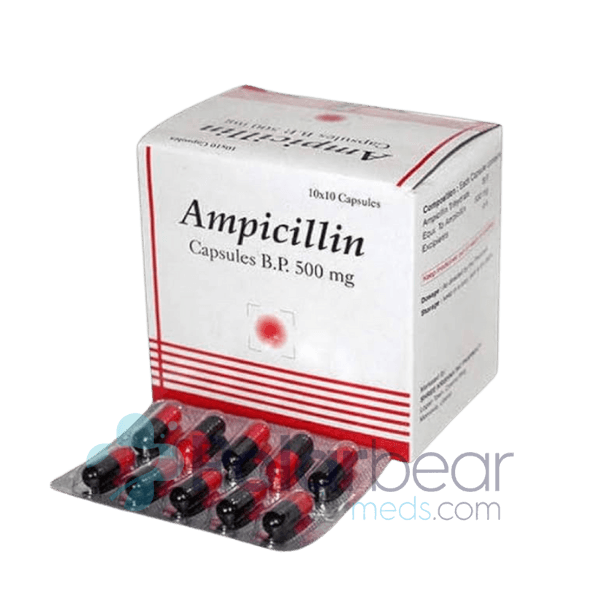
Ampicillin - Image 1

Ampicillin

No packages found
price-match-guarantee

Price Match Guarantee

We offer competitive pricing on all our medications. Find a lower price? We'll match it from any verified Canadian online pharmacy! Know More

How to Order

Ordering your medication online is simple and convenient.

STEP 01

Select the prescribed dosage and quantity, then proceed to checkout.

STEP 02

Sign in or create a new account.

STEP 03

Upload your prescription.

STEP 04

Complete your purchase by processing the payment.

Shipping takes approximately 3-5 business days.

5 Star Excellence award from Shopper Approved for collecting at least 100 5 star reviews

Product Details

Description

Description

Ampicillin is a versatile antibiotic used to treat various types of bacterial infections. It includes those affecting the respiratory, gastrointestinal, and genitourinary tracts and meningitis. It belongs to the penicillin class of medications and works by eliminating bacteria. Available in 250 mg & 500 mg capsules, ampicillin requires careful dosage adjustments by healthcare professionals, especially for children, the elderly, and those with kidney issues, to prevent potential side effects and ensure effectiveness.

Ampicillin is an antibiotic belonging to the penicillin class, crucial for treating a range of bacterial infections. This drug combats infections by killing bacteria and preventing their growth, making it effective against conditions like respiratory tract infections, gastrointestinal tract infections, genitourinary infections including gonorrhea, and meningitis. Ampicillin is available in oral capsule forms of 250 mg and 500 mg.

Dosages vary based on the infection treated and patient characteristics like age and kidney function. Adults typically take 250 to 500 mg four times per day, while dosages for children are adjusted according to their weight. Elderly patients may require lower dosages due to decreased kidney efficiency. The medication should be taken on an empty stomach, either one hour before or two hours after meals, to enhance absorption.

Consistent dosing is critical for the drug's effectiveness, and treatment should not be discontinued prematurely to avoid a resurgence of the infection. Patients need to be aware of potential side effects, ranging from mild nausea and diarrhea to severe allergic reactions. Regular monitoring by healthcare providers is recommended to adjust dosages and prevent complications. This thorough approach ensures that ampicillin is both safe and effective for treating bacterial infections.

Uses and Benefits

Uses and Benefits

Ampicillin is an antibiotic designed to treat infections from specific bacteria. It is often combined with other medications as part of a broader treatment strategy. Here are the main types of infections it targets:

Meningitis: Ampicillin is used to treat meningitis caused by Neisseria meningitidis, a serious infection of the protective membranes covering the brain and spinal cord.

Genitourinary Tract Infections: This includes infections like gonorrhea, which are caused by bacteria such as E. coli, Proteus mirabilis, enterococci, Shigella, Salmonella, and certain types of Neisseria gonorrhoeae that do not produce penicillinase, an enzyme that breaks down penicillin.

Gastrointestinal Tract Infections: It treats infections caused by bacteria including Shigella, certain types of Salmonella, E. coli, Proteus mirabilis, and enterococci, which affect the stomach and intestines.

Respiratory Tract Infections: Ampicillin is effective against infections in the lungs and airways caused by bacteria like non-penicillinase-producing Haemophilus influenzae, staphylococci, and Streptococcus pneumoniae.

Dosage

Dosage

What Strengths Does Ampicillin Come In?

This medication comes in the form of oral capsule and is available in two strengths:

  • Ampicillin 250 mg capsule
  • Ampicillin 500 mg capsule

What Is the Typical Dosage of Ampicillin?

The typical dosage of ampicillin varies depending on the type and severity of the infection being treated, as well as individual factors such as age and kidney function. The information provided here specifically relates to ampicillin oral capsules, although ampicillin can come in other forms as well. It's important to remember that the dosages listed here are commonly used for treating a range of bacterial infections, but they may not cover all the conditions for which your doctor might prescribe ampicillin.

Dosage for Genitourinary Tract Infections and Gonorrhea

  • Adult Dosage (Ages 18–64 years):
    • For Genitourinary Tract Infections (excluding gonorrhea): The standard dosage is 500 mg taken four times a day. Higher doses may be necessary for severe or long-lasting infections.
    • For Gonorrhea: A single dose of 3.5 grams, taken with 1 gram of probenecid, is typical.
  • Child Dosage:
    • Children over 20 kg (for infections other than gonorrhea): The usual dosage is 500 mg four times daily.
    • Children 20 kg or less:
      • For Genitourinary Tract Infections: The recommended dosage is 100 mg per kg of body weight daily, divided into four equal doses.
      • For Gonorrhea: A single dose of 3.5 grams.
  • Senior Dosage (Ages 65 years and older):
    • Due to the potential decrease in kidney function with age, older adults may process drugs more slowly. This can lead to higher levels of the drug in the body for a longer period, increasing the risk of side effects.
    • Doctors may prescribe a lower dosage or a different dosing schedule for seniors to prevent the drug from accumulating too much in the body.

Dosage for Respiratory Tract Infections

  • Adult Dosage (Ages 18–64 years):
    • Standard Dosage: 250 mg taken four times per day.
  • Child Dosage:
    • Children Over 20 kg: The dosage is the same as adults, 250 mg four times daily.
    • Children Under 20 kg: The recommended dosage is 50 mg per kg of body weight per day. This total daily dose should be divided and given three to four times throughout the day.
  • Senior Dosage (Ages 65 years and older):
    • Older adults may experience reduced kidney function, leading to slower processing of medications. This slower processing can increase the duration the drug stays in the body, potentially heightening the risk of side effects.
    • Healthcare providers may prescribe a reduced dosage or adjust the dosing schedule for seniors to prevent excessive accumulation of the drug in the body.

Dosage for Gastrointestinal Tract Infections

  • Adult Dosage (Ages 18–64 years):
    • Standard Dosage: 500 mg taken four times per day.
  • Child Dosage:
    • Children Over 20 kg: The dosage is the same as adults, 500 mg four times daily.
    • Children Under 20 kg: The recommended dosage is 100 mg per kg of body weight per day. This should be divided into four equal doses given throughout the day.
  • Senior Dosage (Ages 65 years and older):
    • Due to potential decreases in kidney function with age, older adults may process medications more slowly. This can lead to higher levels of the drug remaining in the body for a longer period, which increases the risk of side effects.
    • Doctors may prescribe a lower dosage or adjust the medication schedule for seniors to prevent excessive drug accumulation.

Dosage for Meningitis

  • Adult Dosage (Ages 18–64 years):
    • Customized Dosage: The appropriate dosage for adults will be determined by your doctor based on individual health factors and the severity of the infection.
  • Child Dosage (Ages 0–17 years):
    • Customized Dosage: The dosage for children will be specifically calculated by their doctor, taking into account the child's weight, age, and the severity of the condition.
  • Senior Dosage (Ages 65 years and older):
    • Older adults often experience decreased kidney function, which can slow the processing of medications. This slower processing may result in higher and prolonged levels of the drug in the body, increasing the likelihood of side effects.
    • To mitigate this, doctors may prescribe a reduced dosage or adjust the dosing schedule for elderly patients to prevent the drug from accumulating excessively in their system.

If you're unsure about the specifics of your dosage or the form of ampicillin you're taking, it's always a good idea to have a conversation with your doctor. They can provide guidance tailored to your particular health needs and circumstances, ensuring you use the medication effectively and safely.

[Note: These dosages are general guidelines, and the exact dosage should be determined by a healthcare provider based on individual needs and health conditions. Always consult with a doctor before starting any new medication regimen.]

Usage Guide

Usage Guide

Ampicillin is an antibiotic used to treat various bacterial infections. Here's how you can use this medication effectively and safely:

  • How to Take Ampicillin:
    • Take ampicillin orally as your doctor prescribes, typically four times a day — every six hours.
    • It’s best taken on an empty stomach, either one hour before meals or two hours after eating, accompanied by a full glass of water.
    • Staying hydrated is important while on this medication unless advised otherwise by your doctor.
  • Dosage Instructions:
    • The amount of ampicillin you take depends on your specific medical condition and how well you respond to the treatment.
    • Make sure to take it at regular intervals to maintain a consistent level of medication in your body.
    • Setting reminders can help you take it at the same time each day.
  • Duration of Treatment:
    • Continue taking ampicillin for the entire duration prescribed, even if your symptoms improve or disappear after a few days.
    • Stopping too early can cause the infection to return and potentially become resistant to the antibiotic.
  • Monitoring Your Health:
    • Inform your doctor if your condition doesn’t improve or worsens.
    • If you are using ampicillin over a long period, your doctor might check your kidney and liver function, as well as your blood cell count, to monitor for side effects.
  • Precautions:
    • Always shake the oral suspension (liquid form) well before measuring a dose.
    • Use the measuring syringe provided or a proper medicine measuring device, not a kitchen spoon.
    • It's important not to share your medication with others, even if their symptoms are similar.
  • Additional Health Checks:
    • If you’re being treated for gonorrhea, your doctor might also test you for syphilis, another sexually transmitted disease.
    • Make sure any healthcare provider who treats you knows you are taking ampicillin, as it can affect the results of certain medical tests.
  • Complete the Course:
    • Use this medicine for the full length of time prescribed.
    • Skipping doses or not completing the treatment may increase your risk of further infection that is resistant to antibiotics.
    • Remember, ampicillin does not work for viral infections like the flu or the common cold.

Following these guidelines ensures that you use ampicillin effectively, helping to clear your infection and prevent complications. Always follow the directions on your prescription label and read any medication guides or instruction sheets provided with your medicine.

[Note: Your doctor will decide the right amount for you based on your condition, following guidelines and studies on the drug. They'll adjust it as needed over time.]

How It Works

How It Works

Ampicillin is part of a group of medications known as penicillins, which are antibiotics that share a common mechanism of action. Essentially, these drugs work in similar ways and are often used to treat related health conditions. Ampicillin functions by attacking and killing bacteria, which helps to halt the spread of infections within your body. This action stops the bacteria from growing and multiplying, allowing your immune system to regain control and help you recover from the infection more effectively. If you're prescribed ampicillin, it's because your doctor has identified a bacterial infection that this specific type of antibiotic is well-suited to treat.

Side Effects

Side Effects

What Are the Side Effects of Ampicillin?

Ampicillin, like any medication, can lead to side effects which may vary from mild to severe. It's important to note that not everyone will experience these side effects, but being informed about potential reactions is crucial. Some side effects might disappear as your body adjusts to the medication, while others may persist and require consultation with a healthcare professional. If you experience any unexpected symptoms or changes in your health while taking Ampicillin, it's a good idea to discuss these with your doctor or pharmacist. They can offer advice on how to handle these side effects or decide if your treatment plan needs to be modified for better comfort and efficacy.

Common Side Effects of Ampicillin

Ampicillin, like many medications, can cause side effects, though they usually resolve on their own within a few days to weeks. However, if you find that these side effects persist, become bothersome, or intensify, it’s important to reach out to your doctor or pharmacist for advice. Here are some common side effects associated with ampicillin:

  • Nausea: You might feel queasy or sick to your stomach, which is a relatively common reaction your body might have as it adjusts to the medication.
  • Vomiting: In some cases, this feeling of nausea might lead to vomiting. It’s important to stay hydrated and speak with your healthcare provider if this occurs.
  • Diarrhea: Ampicillin can disrupt the balance of bacteria in your gut, leading to loose or watery stools. If diarrhea is severe or doesn’t stop, it’s crucial to consult a healthcare professional.
  • Rash: Some people might notice changes in their skin, such as redness or itchy spots. This can be a sign of an allergic reaction, especially if accompanied by other symptoms like difficulty breathing or swelling.
  • Drowsiness: Feeling unusually tired or drowsy can also occur, which may affect your daily activities.

If you experience any of these side effects, it’s helpful to keep a record of your symptoms and discuss them with your healthcare provider to determine the best course of action, whether it’s adjusting the dosage or possibly switching medications. Remember, managing side effects effectively is key to maintaining your health and well-being while on treatment.

Serious Side Effects of Ampicillin

Ampicillin, like all medications, has the potential to cause serious side effects, although these are less common. If you experience any severe reactions while taking ampicillin, it's crucial to seek medical attention immediately. For life-threatening symptoms or if you believe you are having a medical emergency, call 911 or contact your local emergency services without delay. Here are some serious side effects associated with ampicillin that you should be aware of:

  • Allergic Reactions: Watch for signs that may resemble the flu, such as fever and body aches. You might also notice a painful red or purple rash that spreads, or blisters that form and may lead to the breakdown of the skin. These symptoms can escalate quickly and require urgent medical attention.
  • Persistent Diarrhea: If you experience diarrhea that doesn't resolve even after you've stopped taking ampicillin, it could be a sign of a more serious condition. Symptoms to be aware of include diarrhea that occurs with or without stomach cramps, or diarrhea accompanied by a fever. This may indicate a severe inflammation of the gut that needs immediate treatment.

If you experience any of these serious side effects, don't wait to see if they go away on their own. Contact your healthcare provider right away to discuss the best course of action. Remember, managing these side effects promptly can help prevent more severe health issues down the line.

[Note: Remember, this list may not cover all possible side effects. Always consult with your healthcare giver for medical advice about side effects.]

Warnings

Warnings

Ampicillin, like all medications, comes with specific warnings to ensure it's used safely. Here’s what you need to know if you're considering this drug:

  • Allergies: Ampicillin can sometimes trigger severe allergic reactions. Symptoms of an allergic reaction include a rash, difficulty breathing, and swelling of the throat or tongue. If you experience these symptoms, seek immediate medical help by calling your doctor, local poison control center, or emergency services. If you know you are allergic to ampicillin, avoid taking it again as it could be life-threatening.
  • Health Conditions:
    • Gonorrhea and Syphilis: Ampicillin alone does not treat syphilis. If you have both gonorrhea and syphilis, you'll need an injectable dose of penicillin.
    • Diabetes: Ampicillin may interfere with urine glucose tests, possibly showing sugar in your urine even if there isn’t any. Discuss with your doctor whether ampicillin is safe for you.
    • Kidney Problems: If you have kidney issues, ampicillin may not clear from your body as effectively, which could increase drug levels and side effects. It's important to manage this with your healthcare provider.
  • Other Groups:
    • Pregnant Women: Ampicillin is classified as a Category B drug for pregnancy. Animal studies haven't shown harm to the fetus, but human studies are lacking. If you’re pregnant or planning to become pregnant, only use this drug if absolutely necessary.
    • Breastfeeding: Ampicillin can pass into breast milk and may affect a nursing baby. If you are breastfeeding, you’ll need to discuss with your doctor whether to stop breastfeeding or stop taking the medication.
    • Seniors: Older adults may process drugs more slowly due to decreased kidney function, leading to higher levels of the drug in the body for a longer time and increasing side effects.
    • Children: Very young children, especially newborns and infants, should be given the lowest possible dosage because their kidneys are not fully developed. This can lead to the drug staying in their system longer, increasing the risk of side effects.

It's crucial to have a conversation with your healthcare provider about these considerations to determine if ampicillin is the right medication for you, considering all health aspects and any potential risks.

What Are the FDA Boxed Warning for Ampicillin?

Ampicillin comes with important FDA warnings that you should be aware of to ensure you use the medication safely and effectively:

  • Prescription Completion Warning: It’s crucial to finish all of your ampicillin medication as your doctor prescribes. Even if you start feeling better, continue to take the full course of the drug. Stopping early or skipping doses can not only prolong your infection but also increase the risk of the bacteria becoming resistant to ampicillin. This means that ampicillin might not work in the future if you get another bacterial infection.
  • Diarrhea Warning: Ampicillin can cause diarrhea, which is a common side effect of many antibiotics. If you experience diarrhea that is bloody or watery, with or without stomach cramps and fever, especially after you have finished your course of medication, contact your doctor right away. This could be a sign of a new or worsening condition that needs prompt medical attention.

These warnings are in place to help you use ampicillin safely while minimizing potential risks. Always follow your healthcare provider's instructions and reach out to them if you have any concerns about your treatment.

Safety Guide

Safety Guide

When taking ampicillin, it's important to follow certain precautions to ensure your safety and maximize the effectiveness of the treatment. Here are some key points to keep in mind:

  • Medication Sharing and Use:
    • Do not share ampicillin with others, as it has been prescribed specifically for your current health condition.
    • Use this medication only for the infection for which it was prescribed. If you have another type of infection later, consult your doctor before using leftover medication, as a different treatment may be necessary.
  • Monitoring Health During Treatment: If you are taking ampicillin for an extended period, regular lab and medical tests such as kidney and liver function tests, and complete blood counts will be necessary. These tests help monitor how well the medication is working and check for potential side effects. Make sure to keep all your medical and lab appointments.
    • Kidney Function: Your doctor may perform blood tests to see how well your kidneys are working. If there are issues, the frequency of your medication might need adjustment.
    • Liver Function: Blood tests may also be done to check your liver's health. Depending on the results, your dosage might need to be adjusted.
    • Blood Cell Counts: Regular tests may be done to ensure that ampicillin isn't affecting your blood cells. If there are changes, your doctor might modify your dose or stop the medication.
    • Syphilis Testing: If you are being treated for gonorrhea, your doctor will also test you for syphilis, both when you start taking ampicillin and three months later, as gonorrhea treatment can hide syphilis symptoms.
  • Allergies and Medical History:
    • Before starting ampicillin, tell your doctor or pharmacist if you are allergic to it, to other penicillin or cephalosporin antibiotics, or if you have other allergies. This product may contain inactive ingredients that can cause allergic reactions.
    • Share your medical history with your healthcare provider, particularly if you have kidney disease or a history of viral infections like infectious mononucleosis.
  • Vaccinations: Inform your healthcare provider that you are taking ampicillin before receiving any vaccines, especially live bacterial vaccines like the typhoid vaccine. Ampicillin can make these vaccines less effective.
  • Use in Specific Populations:
    • Older adults may be more susceptible to side effects when using ampicillin.
    • If you are pregnant, use ampicillin only when clearly needed and after discussing the potential risks and benefits with your doctor.
    • Ampicillin can pass into breast milk, so consult your doctor before breastfeeding while on this medication.

Following these precautions will help ensure that you use ampicillin safely and effectively, minimizing potential risks and side effects.

Contraindications

Contraindications

  • Ampicillin is not safe for individuals who are allergic to penicillin or similar antibiotics. This is crucial because an allergy to penicillins can lead to severe, potentially life-threatening allergic reactions known as anaphylaxis.
  • Symptoms of such hypersensitivity reactions may include frequent skin rashes, hives, a severe skin condition called exfoliative dermatitis, a type of rash known as erythema multiforme, and a drop in both red and white blood cell counts.
Missed Dose

Missed Dose

  • It’s important to keep a consistent level of ampicillin in your body to effectively fight the infection. If you miss a dose, take it as soon as you remember. However, if it's almost time for your next dose, just take the one dose.
  • Do not double up or try to take two doses at once, as this could lead to side effects.
  • Continuing to take your medication as prescribed, even if you start to feel better, is crucial.
  • Stopping early or skipping doses can make your infection last longer or become resistant to treatment, meaning ampicillin might not work if the infection returns.

[Note: If you have missed a dose of your medication and are unsure about when to take the next one, immediately consult your doctor or pharmacist.]

Overdose

Overdose

Taking more ampicillin than your doctor recommends can be harmful. Overdosing on this medication might lead to symptoms like an upset stomach and diarrhea. If you accidentally take too much, contact your doctor or local poison control center immediately for advice. In cases where symptoms feel severe, you should call 911 or go to the nearest emergency room to ensure you receive prompt treatment.

[Note: If you consumed more than the recommended dose, get medical help right away, or call the Poison Help line at 1-800-222-1222.]

Storage Guide

Storage Guide

Proper storage of ampicillin is crucial to maintain its effectiveness. Here’s how to ensure your medication remains in the best condition:

  • Keep ampicillin at room temperature and make sure it’s away from direct light and moisture.
  • Avoid storing it in the bathroom where it’s often humid, as moisture can affect the medication’s quality.
  • Always keep ampicillin and all other medications out of reach of children and pets to prevent accidental ingestion.
  • When ampicillin is expired or no longer needed, do not just throw it away in the trash, flush it down the toilet, or pour it down a drain unless specifically instructed to do so.
  • This can be harmful to the environment. Instead, talk to your pharmacist or contact your local waste disposal company to find out the safest way to dispose of your medication.
  • They can guide you on how to responsibly handle the disposal, ensuring that the medication does not harm others or the environment.

[Note: Discuss with your healthcare professional about the proper disposal of any unused medicine and any questions you may have regarding its storage.]

Interactions

Interactions

Ampicillin can interact with various other substances, including medications, vitamins, and herbal supplements. When interactions occur, they may affect how well ampicillin or the other substances work, or they could increase your risk of side effects. To minimize these interactions, it’s important that your healthcare provider oversees your medication regimen closely.

  • Interactions Increasing Side Effects:
    • Probenecid: This medication can increase the levels of ampicillin in your body, leading to an increased risk of side effects like severe nausea, vomiting, and diarrhea.
    • Allopurinol: When taken with ampicillin, allopurinol can increase the risk of skin rashes.
  • Interactions Reducing Drug Effectiveness:
    • Ampicillin with Certain Antibiotics: Some antibiotics, such as chloramphenicol, macrolides, sulfonamides, and tetracyclines, can make ampicillin less effective. This happens because these antibiotics stop bacteria from growing, and since ampicillin kills bacteria by targeting their growth, it won’t work well without actively growing bacteria.
    • Ampicillin with Oral Contraceptives: Ampicillin can decrease the effectiveness of oral contraceptives (birth control pills). If you are using oral contraceptives, your doctor might need to prescribe a different form of birth control during your treatment with ampicillin.

Always be open with your doctor about everything you're taking, from prescription drugs to over-the-counter products and herbal supplements. This will help them determine whether ampicillin is likely to interact with anything and advise you accordingly. If you have any concerns about how ampicillin might interact with other medications you are taking, don’t hesitate to discuss them with your doctor or pharmacist.

What Are the Other Ampicillin Interactions?

Ampicillin capsules can interact with more than just other drugs. Here are some of the non-drug interactions to consider:

Food Interactions: Ampicillin should be taken on an empty stomach, usually 1 hour before or 2 hours after eating. Food can decrease the absorption of ampicillin, which may lead to reduced effectiveness.

Disease Interactions:

  • Mononucleosis: Ampicillin can cause a rash if taken by someone with mononucleosis (also known as "mono").
  • Renal Impairment: Patients with kidney disease may require an adjustment in ampicillin dosage due to decreased drug clearance.
  • Colitis: Ampicillin can exacerbate colitis, an inflammation of the colon, particularly in those predisposed to this condition.

Lab Interactions: Ampicillin may interfere with urinary glucose tests and Coombs' tests. It can cause false-positive results in these tests.

Vitamin Interactions: The absorption of ampicillin can be reduced by taking large amounts of certain vitamins and minerals, such as vitamin C and possibly others that affect stomach acidity and intestinal flora.

When considering ampicillin, it's important to consult with healthcare providers about all potential interactions, including any dietary restrictions, existing diseases, and the current regimen of vitamins and supplements.

[Note: This isn't a complete list, and there could be other drugs that interact with Ampicillin. Make sure to tell your doctor about any prescription, over-the-counter medicines, and herbal products you’re taking.]

Alternatives

Alternatives

If Ampicillin doesn't work for you, whether due to ineffective treatment results or undesirable side effects, there are numerous alternative antibiotics available that might be more suitable. It's common for different medications to work better for some people than others, and thankfully, the range of antibiotics on the market allows for flexibility in finding the right one for your specific infection. When considering alternatives, it’s important to discuss with your healthcare provider which options may be effective. Below are the examples of drugs that can be your alternative to Ampicillin in treating bacterial infection effectively:

  • Recarbrio (imipenem/ cilastatin/ relebactam)
  • Ery-Tab (erythromycin)
  • Vibramycin (doxycycline hyclate)
  • Spectracef (cefditoren pivoxil)
  • Augmentin (amoxicillin clavulanate)
  • Bicillin C-R (penicillin G benzathine/ penicillin G procaine)
  • Azactam (aztreonam)
  • Fortaz (ceftazidime sodium)
  • Unasyn (ampicillin/sulbactam)
  • Nallpen (nafcillin)
  • Zerbaxa (ceftolozane/ tazobactam)
  • Sumycin (tetracycline)
  • Claforan (cefotaxime)
  • Omnicef (cefdinir)
  • Dynapen (dicloxacillin)
  • Kefzol (cefazolin)
  • Amoxil, Moxatag (amoxicillin)
  • Primaxin (imipenem/cilastatin)
  • Suprax (cefixime)
  • Solodyn (minocycline)
  • Zithromax (azithromycin)
  • Teflaro (ceftaroline fosamil)
  • Cayston (aztreonam inhaled)
  • Merrem (meropenem)
  • Zosyn (piperacillin)
  • Maxipime (cefepime)
  • Avycaz (ceftazidime/ avibactam)
  • Bicillin L-A (penicillin G benzathine)
  • Ceclor (cefaclor)
  • Rocephin (ceftriaxone)
  • Mefoxin (cefoxitin)
  • Pfizerpen (penicillin G sodium)
  • Levaquin (levofloxacin)
  • Tazicef (ceftazidime sodium)
  • Cefzil (cefprozil)
  • Cipro (ciprofloxacin)
  • Bactrim (sulfamethoxazole/trimethoprim)
  • Truxcillin VK (penicillin V potassium)
  • Keflex (cephalexin)
  • Tazicef (ceftazidime sodium)
  • Fetroja (cefiderocol)
  • Zinacef (cefuroxime sodium)
  • Bactocill (oxacillin)
  • Ivanz (ertapenem)
  • Vantin (cefpodoxime proxetil)
  • Ceclor (cefaclor)
  • Cefotan (cefotetan)
  • Vabomere (meropenem/ vaborbactam)
  • Ceftin (cefuroxime axetil)

[Note: Your doctor will choose what’s best for you. Don’t use any of these alternative medications without consulting your healthcare provider. Taking them by yourself may cause serious side effects.]

Cost & Coupons

Cost & Coupons

Ampicillin, a crucial antibiotic for treating a variety of bacterial infections, often comes with a high price tag in the U.S. At Polar Bear Meds, we understand the need for affordable medication solutions. By choosing to buy Ampicillin online from Canada through our platform, American residents can enjoy significantly reduced costs. Additionally, customers can use the Ampicillin coupon code “WELCOMEPB10” for an extra 10% off on their first purchase. Our commitment to making healthcare more accessible doesn't stop there; join our referral program to save up to $200 on your ongoing medical expenses. With Polar Bear Meds, you're not just purchasing medication, you're investing in a cost-effective healthcare journey.

FAQ

FAQ

Guarantee

Guarantee

AtPolarBearMeds.com, we assure you the most affordable price to buy Ampicillin online from Canada. Rest easy knowing that your order will be dispatched from a reputable Licensed Canada Pharmacy Online, adhering to the highest standards of quality and authenticity. Our discounted medications are shipped directly from Canada to your doorstep, ensuring a swift and secure delivery experience. To conveniently buy Ampicillin online to treat bacterial infections at a substantial cost, call us at1-888-779-2193toll-free.

Important Notice

Important Notice

The content provided on the Polar Bear Meds website serves to increase knowledge about healthcare products and medical conditions and is strictly for informational purposes. It should not replace professional medical advice. We urge you to consult with a qualified healthcare professional prior to utilizing any prescription or over-the-counter medication. Our platform grants access to an extensive array of products, sourced internationally, including Canada. We collaborates with a licensed pharmacy partner in Canada and trusted dispensing pharmacies globally. All affiliated fulfillment centers are accredited by the regulatory authorities of their respective countries.

Dr. Jackson Miller

Medically Reviewed by Dr. Jackson Miller (M.D)

Dr. Jackson Miller is a board-certified medicine physician & hospitalist. He is a healthcare professional with a strong background in patient care. With years of experience and a patient-first approach, he believes the foundation of good health is a patient who feels informed and empowered. He contributes to medical content review, drawing on his background in clinical practice and patient education. He focuses on presenting health information in a clear, accurate, and accessible way to help readers make informed decisions. His work emphasizes clarity, evidence-based guidance, and understandable explanations of medical topics.

Find Dr. Jackson Miller on:LinkedIn

Similar Medications

Price matching guarantee certificate

We offer competitive pricing on all our medications. We'll match if you find a lower price on an identical product at a verified Canadian online pharmacy!

Eligibility Criteria:

  • The competitor's price must be active (no past/future sales).
  • It is only valid for Canadian online pharmacies with a verifiable address.
  • The product must match the strength, pack size, quantity, manufacturer & origin.
  • There are no price matches on used/expired medications.
  • You must submit your requests before placing an order.
  • We cannot adjust prices after purchase.
  • Request via live chat or phone before placing your order.

Need help? Call our friendly support team at 1-888-779-2193 or fill out the Contact Form