Polarbearmeds - Home
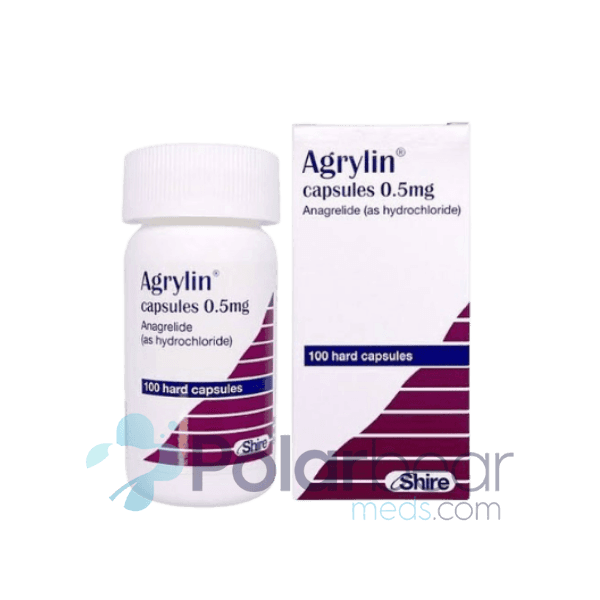
Anagrelide - Image 1

Anagrelide

No packages found
price-match-guarantee

Price Match Guarantee

We offer competitive pricing on all our medications. Find a lower price? We'll match it from any verified Canadian online pharmacy! Know More

How to Order

Ordering your medication online is simple and convenient.

STEP 01

Select the prescribed dosage and quantity, then proceed to checkout.

STEP 02

Sign in or create a new account.

STEP 03

Upload your prescription.

STEP 04

Complete your purchase by processing the payment.

Shipping takes approximately 3-5 business days.

5 Star Excellence award from Shopper Approved for collecting at least 100 5 star reviews

Product Details

Description

Description

Anagrelide is prescribed to help control high platelet counts in conditions like essential thrombocythemia (ET), reducing the risk of dangerous blood clots that can lead to strokes or heart attacks. By slowing platelet production in the bone marrow, it supports healthy blood circulation. Available in 0.5 mg and 1 mg capsules, Anagrelide is taken orally, with dosage adjustments based on platelet levels. Common side effects include headaches, dizziness, nausea, and palpitations, while more serious risks involve heart and bleeding complications. Patients with liver, kidney, or heart conditions should consult their doctor before starting treatment. For a trusted and cost-effective option, buy Anagrelide online from Canada through reputable pharmacies. Take control of your health with Anagrelide under medical supervision.

Anagrelide is a prescription medication used to manage essential thrombocythemia (ET) and other conditions characterized by an abnormally high platelet count. Elevated platelet levels can increase the risk of blood clots, leading to severe complications such as stroke, heart attack, or deep vein thrombosis (DVT). Anagrelide reduces platelet production in the bone marrow, lowering the risk of clotting disorders while maintaining overall blood health.

Available in 0.5 mg and 1 mg capsule formulations, Anagrelide is typically taken orally, with or without food. The dosage is carefully adjusted based on individual platelet levels, with regular monitoring required to ensure safety and effectiveness. Common side effects of Anagrelide include headache, dizziness, nausea, palpitations, and fluid retention, while more serious risks involve heart problems, bleeding disorders, and pulmonary complications. To ensure safe use, patients should avoid caffeine, grapefruit, and other medications that may interact with Anagrelide.

If you're seeking an effective treatment for high platelet count, buy Anagrelide online from Canada for a reliable and cost-effective solution. Online pharmacies provide easy access to Anagrelide at competitive prices, with convenient home delivery options. Buy Anagrelide today to manage your condition effectively under the guidance of a healthcare professional.

Uses and Benefits

Uses and Benefits

Anagrelide is primarily used to treat conditions characterized by elevated platelet counts. The main uses include:

  • Essential Thrombocythemia (ET)
  • Polycythemia Vera (PV)
  • Myelofibrosis (MF)
  • Thrombocythemia Secondary to Myeloproliferative NeoplasmsWhat Are the Forms & Strengths of Anagrelide?

Anagrelide is available in the following forms and strengths:

  • Form: Capsule
  • Strengths:
    • 0.5 mg
    • 1 mg

What Is the Recommended Dosage of Anagrelide?

The correct dosage of Anagrelide is crucial for effectively managing platelet levels while minimizing potential risks. Dosage recommendations differ for adults and pediatric patients, with adjustments based on individual responses. Special considerations are necessary for those with liver or kidney impairments. Below is a detailed guide on the recommended dosages and adjustments for safe use.

For Adults

  • Initial Dosage: Typically, 0.5 mg is taken orally four times a day or 1 mg twice a day for at least one week.
  • Maintenance Dosage: Adjust the dosage to the minimum effective amount needed to reduce and maintain the platelet count below 600,000 cells/microliter. The dosage can be increased by no more than 0.5 mg per day in any one week. The maximum daily dosage should not exceed 10 mg; no single dose should exceed 2.5 mg.

For Pediatric Patients

  • Initial Dosage: Generally, the starting dose is 0.5 mg per day, which can be adjusted up to 0.5 mg four times daily depending on the response and clinical condition of the patient.
  • Maintenance Dosage: Similar to adults, the dosage is adjusted to achieve and maintain the platelet count below 600,000 cells/microliter, with the same limitations on dosage increments and maximum dosages.

Special Considerations

  • Patients with Hepatic Impairment: The use of Anagrelide is not recommended in patients with severe hepatic impairment. Those with moderate hepatic impairment should start with a reduced dosage of 0.5 mg daily, closely monitoring cardiovascular effects.
  • Renal Impairment: No significant adjustments are necessary for patients with severe renal impairment, but monitoring is advised due to the potential for altered drug metabolism and excretion.

[Note: Remember, these recommendations may vary from person to person. Discuss it with your doctor, and they'll customize your dosage accordingly.]


Dosage

Dosage

What Are the Forms & Strengths of Anagrelide?

Anagrelide is available in the following forms and strengths:

  • Form: Capsule
  • Strengths:
    • 0.5 mg
    • 1 mg

What Is the Recommended Dosage of Anagrelide?

The correct dosage of Anagrelide is crucial for effectively managing platelet levels while minimizing potential risks. Dosage recommendations differ for adults and pediatric patients, with adjustments based on individual responses. Special considerations are necessary for those with liver or kidney impairments. Below is a detailed guide on the recommended dosages and adjustments for safe use.

For Adults

  • Initial Dosage: Typically, 0.5 mg is taken orally four times a day or 1 mg twice a day for at least one week.
  • Maintenance Dosage: Adjust the dosage to the minimum effective amount needed to reduce and maintain the platelet count below 600,000 cells/microliter. The dosage can be increased by no more than 0.5 mg per day in any one week. The maximum daily dosage should not exceed 10 mg; no single dose should exceed 2.5 mg.

For Pediatric Patients

  • Initial Dosage: Generally, the starting dose is 0.5 mg per day, which can be adjusted up to 0.5 mg four times daily depending on the response and clinical condition of the patient.
  • Maintenance Dosage: Similar to adults, the dosage is adjusted to achieve and maintain the platelet count below 600,000 cells/microliter, with the same limitations on dosage increments and maximum dosages.

Special Considerations

  • Patients with Hepatic Impairment: The use of Anagrelide is not recommended in patients with severe hepatic impairment. Those with moderate hepatic impairment should start with a reduced dosage of 0.5 mg daily, closely monitoring cardiovascular effects.
  • Renal Impairment: No significant adjustments are necessary for patients with severe renal impairment, but monitoring is advised due to the potential for altered drug metabolism and excretion.

[Note: Remember, these recommendations may vary from person to person. Discuss it with your doctor, and they'll customize your dosage accordingly.]

Usage Guide

Usage Guide

Proper usage of Anagrelide is essential to ensure its effectiveness in managing platelet levels while minimizing potential risks. Following prescribed dosing schedules, undergoing regular medical monitoring, and adhering to your doctor’s instructions are crucial for safe treatment. Below are key guidelines on how to take Anagrelide correctly.

  • Take Anagrelide orally, with or without food, as prescribed by your doctor.
  • Maintain consistent dosing times each day to optimize therapeutic effects.
  • Follow your doctor's instructions regarding the dosage.
  • Do not adjust the dose or frequency without consulting your healthcare provider.
  • Regular blood tests are necessary to monitor platelet levels and assess liver and kidney function.
  • Attend all scheduled medical appointments to ensure proper monitoring and dosage adjustments.

[Note: Your doctor will decide the right amount for you based on your condition, following guidelines and studies on the drug. They'll adjust it as needed over time.]

How It Works

How It Works

Anagrelide works by slowing down the production of platelets in the bone marrow. Platelets are tiny blood cells that help in clotting, but when there are too many, they can increase the risk of blood clots, leading to serious health issues like strokes or heart attacks. Anagrelide specifically targets the cells in the bone marrow that produce platelets (called megakaryocytes), reducing their activity. As a result, the number of platelets in the blood gradually decreases to safer levels. This helps prevent complications in people with essential thrombocythemia, where the body produces too many platelets. The medication takes some time to show effects, so regular monitoring is needed to ensure the platelet count stays within a healthy range.

Side Effects

Side Effects

Common Side Effects of Anagrelide: Anagrelide is associated with several common side effects, each affecting patients differently. Below are some of the frequently reported side effects, along with detailed explanations:

  • Headache: Patients often experience headaches, ranging from mild discomfort to severe migraines. These headaches may result from the medication's effect on blood vessels, leading to changes in blood flow and pressure within the brain. Managing this side effect may involve adjusting the dosage or using prescribed pain relievers.
  • Gastrointestinal Issues: Many individuals report gastrointestinal disturbances, including nausea, vomiting, diarrhea, and abdominal pain. These symptoms occur as the digestive system reacts to the medication, potentially leading to discomfort and dehydration. Taking Anagrelide with food and staying hydrated can help alleviate these effects.
  • Palpitations: Some patients experience palpitations, characterized by an awareness of rapid, strong, or irregular heartbeats. This side effect arises because Anagrelide can increase heart rate and affect heart rhythm, potentially causing discomfort or anxiety. Monitoring heart function and consulting a healthcare provider is essential if palpitations occur.
  • Dizziness: A common complaint, especially when standing up quickly. This sensation may result from blood pressure fluctuations caused by the medication. To minimize dizziness, patients are advised to rise slowly from sitting or lying positions and ensure adequate hydration.
  • Fluid Retention (Edema): Anagrelide may cause the body to retain fluid, leading to swelling in the extremities, such as the hands, feet, or ankles. This occurs due to changes in blood vessel permeability and kidney function. Monitoring weight and swelling, reducing salt intake, and consulting a healthcare provider can help manage this side effect.
  • Fatigue: Some patients report feelings of unusual tiredness or weakness. This fatigue can stem from the body's adjustment to the medication or from decreased blood counts. Ensuring adequate rest, maintaining a balanced diet, and discussing energy levels with a healthcare provider are important steps in addressing this issue.
  • Abdominal Pain: Some individuals experience discomfort or pain in the stomach area. This can be a direct effect of the medication on the gastrointestinal tract, leading to cramping or aching sensations. Taking the medication with meals and avoiding irritating foods may help reduce abdominal pain.
  • Nausea and Vomiting: Feelings of nausea and instances of vomiting are common, particularly when starting the medication. These symptoms occur as the body adjusts to Anagrelide. Eating small, frequent meals and avoiding rich or spicy foods can help manage nausea.
  • Diarrhea: Anagrelide can cause increased bowel movements or loose stools. This side effect may lead to dehydration if not managed properly. Patients should maintain fluid intake and consult their healthcare provider if diarrhea persists.
  • Loss of Appetite: A decrease in appetite has been observed in some patients. This can lead to unintentional weight loss and nutritional deficiencies. Monitoring food intake and discussing dietary concerns with a healthcare provider or nutritionist is advisable.

Serious Side Effects of Anagrelide: This medication is used to manage elevated platelet counts and may lead to several serious side effects. It's crucial to recognize these potential adverse reactions and seek immediate medical attention if they occur. Below are some of the serious side effects associated with Anagrelide:

  • Heart Problems: Anagrelide can cause serious heart-related issues, including fast, pounding, or irregular heartbeats, known as arrhythmias. Patients may experience chest pain, palpitations, or a sensation of fluttering in the chest. These symptoms indicate that the heart's normal rhythm is disrupted, which can lead to complications like heart failure if not addressed promptly. Individuals with existing heart conditions should use Anagrelide cautiously and under strict medical supervision.
  • Bleeding Disorders: Anagrelide may increase the risk of bleeding due to its effect on platelet function. Patients might notice unusual bruising, nosebleeds, bleeding gums, or blood in the urine or stools. In severe cases, internal bleeding can occur, presenting as black, tarry stools or vomiting blood. These signs suggest that the body's ability to form clots is compromised, necessitating immediate medical evaluation to prevent significant blood loss.
  • Pulmonary Complications: Some individuals may develop respiratory issues while taking Anagrelide, such as shortness of breath, persistent cough, or difficulty breathing. These symptoms could indicate fluid accumulation in the lungs or other pulmonary conditions exacerbated by the medication. Respiratory distress requires prompt medical attention to prevent further complications and to assess whether Anagrelide therapy should be adjusted or discontinued.
  • Liver Dysfunction: Anagrelide has been associated with liver-related side effects, including elevated liver enzymes, which may indicate liver inflammation or damage. Patients might experience symptoms such as yellowing of the skin or eyes (jaundice), dark urine, persistent nausea, vomiting, or abdominal pain. These manifestations suggest impaired liver function, and it's essential to conduct liver function tests to determine the extent of the damage and consider alternative treatments if necessary.
  • Allergic Reactions: Although rare, some patients may experience severe allergic reactions to Anagrelide, characterized by symptoms such as rash, hives, itching, swelling of the face, lips, tongue, or throat, and difficulty breathing. These signs indicate a hypersensitivity reaction, which can be life-threatening if not treated immediately. Discontinuation of the medication and prompt medical intervention are crucial in managing such reactions.

[Note: Remember, this list may not cover all possible side effects. Always consult with your healthcare giver for medical advice about side effects.]

Warnings

Warnings

Understanding the key warnings associated with medication is crucial to ensuring safe usage and preventing serious health risks. Certain conditions, pre-existing health issues, and sudden changes in dosage can lead to complications if not properly managed. Monitoring organ function, recognizing potential side effects, and following medical guidance can help mitigate these risks. Patients should remain vigilant about any unusual symptoms and seek immediate medical attention if needed. Below are important warnings to consider for a safer and more effective treatment experience.

  • Heart Disease: Anagrelide can cause increased heart rate, palpitations, and swelling in the legs or ankles. Patients with known heart conditions should discuss potential risks with their healthcare provider before starting treatment.
  • Liver Function: This medication is processed by the liver. Individuals with liver problems may experience a buildup of the drug, leading to adverse effects. Regular liver function tests are recommended to monitor for potential complications.
  • Kidney Function: Anagrelide may affect kidney function, especially in those with pre-existing kidney issues. Monitoring kidney function during treatment is essential to detect and manage any arising problems promptly.
  • Lung Inflammation: Rare cases of lung inflammation, causing difficulty breathing, have been reported. Patients should immediately report new or worsening respiratory symptoms to their doctor for evaluation.
  • Sudden Discontinuation: Abruptly stopping Anagrelide can rapidly increase platelet counts, posing serious health risks. Under medical supervision, any changes to the dosage or cessation of the medication should be made.
Safety Guide

Safety Guide

Before starting any medication, understanding the necessary precautions is crucial to ensure safety and effectiveness. Below are essential precautions to consider helping patients manage their health responsibly while minimizing complications. Always consult a healthcare professional for personalized advice and regular monitoring during treatment.

  • Cardiovascular Monitoring: Anagrelide may cause heart-related side effects, including fast or irregular heartbeats and chest pain. Patients should immediately inform their doctor of any existing heart conditions and report symptoms like chest discomfort or palpitations.
  • Bleeding Risk: This medication can increase the likelihood of bleeding. Patients should watch for unusual bruising, nosebleeds, or blood in stools and inform their healthcare provider promptly if such symptoms occur.
  • Liver and Kidney Function: The liver processes anagrelide, which is excreted through the kidneys. Individuals with liver or kidney issues should discuss their medical history with their doctor, as dosage adjustments or additional monitoring may be necessary.
  • Potential for Dizziness: Some patients may experience dizziness or lightheadedness, especially when starting treatment. It's advisable to avoid driving or operating heavy machinery until the medication's effects are known.
  • Sun Sensitivity: Anagrelide can make the skin more sensitive to sunlight, increasing the risk of sunburn. Patients should wear sunscreen-protective clothing and avoid prolonged sun exposure.
  • Drug Interactions: Inform your doctor about all medications and supplements you're taking, as Anagrelide can interact with other substances, potentially altering its effectiveness or increasing side effects.
  • Pregnancy and Breastfeeding: Women who are pregnant, planning to become pregnant, or breastfeeding should consult their healthcare provider before starting Anagrelide, as it may pose risks to the fetus or infant.
Contraindications

Contraindications

Before starting Anagrelide treatment, it’s crucial to understand the conditions in which its use is not recommended. Certain health conditions can increase the risk.

  • Severe Hepatic Impairment: Due to extensive liver metabolism, patients with severe liver dysfunction may experience increased drug exposure, heightening the risk of adverse effects.
  • Severe Renal Impairment: Individuals with significant kidney dysfunction (creatinine clearance <50 mL/min) may have altered drug excretion, leading to potential toxicity.
  • Known Hypersensitivity to Anagrelide or Its Components: Allergic reactions to anagrelide or any of its ingredients necessitate avoidance of the medication.
  • Patients with Known Risk Factors for QT Interval Prolongation: This includes those with congenital long QT syndrome, a history of acquired QTc prolongation, or those taking medications that can prolong the QT interval.
  • Pregnancy and Lactation: Anagrelide is not recommended during pregnancy or breastfeeding due to potential risks to the fetus or infant.
Missed Dose

Missed Dose

If you miss a dose of Anagrelide, take it as soon as you remember. However, if it's almost time for your next scheduled dose, skip the missed dose and continue with your regular dosing schedule. Do not take a double dose to make up for the missed one.

[Note: If you have missed a medication dose and are unsure when to take the next one, immediately consult your doctor or pharmacist.]

Overdose

Overdose

Taking an excessive amount of Anagrelide can lead to serious health complications. Overdose symptoms may include:

  • Cardiovascular Effects: Symptoms such as fast, pounding, or irregular heartbeats (sinus tachycardia) and low blood pressure (hypotension) may occur.
  • Gastrointestinal Distress: Nausea and vomiting are common signs of overdose.
  • Bleeding Risks: Due to its platelet-lowering effect, an overdose can cause significant thrombocytopenia, increasing the risk of unusual bleeding or bruising.

In case of an overdose, immediate medical attention is crucial. Contact emergency services or the poison control helpline at 1-800-222-1222. To manage and mitigate potential complications, vital signs and platelet counts must be closely monitored.

[Note: If you consumed more than the recommended dose, get medical help right away or call the Poison Help line at 1-800-222-1222.]

Storage Guide

Storage Guide

Proper storage of Anagrelide is essential to maintain its effectiveness and ensure safety. Here are the recommended guidelines:

  • Storage Conditions:
    • Keep Anagrelide in its original, tightly sealed container.
    • Store at room temperature, specifically between 20°C to 25°C (68°F to 77°F).
    • Protect the medication from light, heat, and moisture. Avoid storing it in bathrooms or areas prone to humidity.
  • Safety Measures:
    • Ensure the medication is out of reach and sight of children and pets.
    • Use child-resistant caps and store the medication securely to prevent accidental ingestion.
  • Disposal Instructions:
    • Do not flush unused or expired Anagrelide down the toilet or pour it into drains.
    • Consult your pharmacist or local waste disposal authority about take-back programs in your area for proper disposal.

[Note: Discuss with your healthcare professional the proper disposal of unused medicine and any questions you may have regarding its storage.]

Interactions

Interactions

Anagrelide, a medication used to reduce elevated platelet counts, can interact with various drugs, potentially leading to significant health risks. Notable interactions include:

  • QT Interval-Prolonging Agents: Anagrelide may prolong the QT interval, increasing the risk of arrhythmias. Combining it with other QT-prolonging drugs, such as amiodarone or sotalol, can amplify this effect, potentially leading to severe cardiac events. Caution and regular cardiac monitoring are advised when these medications are used concurrently.
  • Anticoagulants and Antiplatelet Agents: Concurrent use of anagrelide with anticoagulants (e.g., warfarin) or antiplatelet agents (e.g., aspirin) can enhance bleeding risk due to additive effects on platelet function and coagulation pathways. Patients should be closely monitored for signs of bleeding, and dosage adjustments may be necessary.
  • CYP1A2 Inhibitors: Anagrelide is metabolized primarily by the CYP1A2 enzyme. Co-administration with CYP1A2 inhibitors, such as fluvoxamine or ciprofloxacin, can elevate anagrelide plasma concentrations, increasing the likelihood of adverse effects. Dose modifications and therapeutic drug monitoring are recommended in such cases.
  • CYP1A2 Inducers: Drugs that induce CYP1A2, like omeprazole or carbamazepine, may decrease anagrelide levels, potentially reducing its therapeutic efficacy. This interaction may necessitate an increase in anagrelide dosage under careful medical supervision to maintain the desired platelet-lowering effects.
  • Phosphodiesterase III Inhibitors: Combining anagrelide with other phosphodiesterase III inhibitors, such as milrinone, can lead to additive cardiovascular effects, including tachycardia and hypotension. This combination should be cautiously approached, and patients should be monitored for exacerbated hemodynamic responses.
  • Aspirin and NSAIDs: The use of aspirin or nonsteroidal anti-inflammatory drugs (NSAIDs) alongside anagrelide can increase bleeding tendencies due to their effects on platelet function. Patients are generally advised to avoid such combinations unless deemed necessary by a healthcare provider, with appropriate monitoring in place.
  • Caffeine: Anagrelide may inhibit caffeine metabolism, increasing caffeine levels in the body. This can result in heightened caffeine-related side effects, such as jitteriness, insomnia, or palpitations. Patients may need to limit caffeine intake during anagrelide therapy.

What Are the Other Anagrelide Interactions?

Anagrelide can interact with certain foods, beverages, and medical conditions. It's important to be aware of these interactions to manage your treatment effectively.

  • Food and Beverage Interactions:
    • Caffeine: Anagrelide may increase the blood levels and effects of caffeine. This can lead to heightened side effects such as nausea, nervousness, or sleeplessness. It's advisable to limit the intake of caffeine-containing products like coffee, tea, colas, and chocolate while on anagrelide therapy.
    • Grapefruit and Grapefruit Juice: Consuming grapefruit products may increase the amount of anagrelide in your blood, potentially enhancing side effects. Therefore, it's recommended to avoid grapefruit and related products during treatment.
  • Disease Interactions:
    • Cardiac Disease: Anagrelide has been associated with cardiovascular effects such as vasodilation, tachycardia, palpitations, and congestive heart failure. Patients with existing heart conditions should use anagrelide cautiously and under close medical supervision.
    • Liver Disease: Liver function plays a role in metabolizing anagrelide. Impaired hepatic function can lead to increased drug levels and a higher risk of adverse effects. Dose adjustments and careful monitoring are recommended for patients with liver disease.
    • Renal Dysfunction: Kidney impairment may affect the excretion of anagrelide, leading to elevated blood levels and potential toxicity. Patients with renal dysfunction should be monitored closely, and dosage adjustments may be necessary.
    • Pulmonary Dysfunction: Interstitial lung disease associated with anagrelide use has been reported. Symptoms include progressive shortness of breath and lung infiltrations. The onset can range from one week to several years after starting therapy. Patients with existing pulmonary conditions should be cautious, and any new respiratory symptoms should be evaluated promptly.

[Note: This isn't a complete list, and there could be other drugs that interact with Anagrelide. Make sure to tell your doctor about any prescription, over-the-counter medicines, and herbal products you’re taking.]

Alternatives

Alternatives

If Anagrelide isn't the right fit for you due to side effects, medical conditions, or treatment response, there are several alternative medications available. These alternatives work in different ways to help manage elevated platelet levels and related conditions effectively. Below is a list of commonly used Anagrelide alternatives, including both brand and generic names, to discuss with your healthcare provider.

  • Hydrea (hydroxyurea)
  • Intron A, Roferon-A (interferon-alpha)
  • Pegasys, Pegintron (pegylated interferon-alpha)
  • Myleran (busulfan)
  • Vercyte (pipobroman)
  • Various brands (low-dose aspirin)

[Note: Your doctor will choose what’s best for you. Don’t use any of these alternative medications without consulting your healthcare provider. Taking them by yourself may cause serious side effects.]

Cost & Coupons

Cost & Coupons

Managing high platelet counts shouldn’t be a financial burden. While Anagrelide is an effective medication for controlling elevated platelet levels and reducing the risk of blood clots, its cost can make long-term use challenging. At Polar Bear Meds, we prioritize affordability, offering high-quality medications at competitive prices. If you need a budget-friendly solution, Buy Anagrelide at low cost from Canada and receive the same trusted medication at a reduced price. To make your purchase even more affordable, buy Anagrelide with coupon and enjoy exclusive savings. Use the code “WELCOMEPB10” at checkout to get 10% off your first order. With reliable suppliers, fast shipping, and a commitment to quality, we ensure you get genuine Anagrelide without overspending. Take control of your health today—order Anagrelide online and manage your platelet levels with ease and affordability!

FAQ

FAQ

Guarantee

Guarantee

AtPolarBearMeds.com, we assure you the most affordable price to buy Anagrelide online from Canada. Rest easy knowing that your order will be dispatched from a reputable Licensed Canada Pharmacy Online, adhering to the highest standards of quality and authenticity. Our discounted medications are shipped directly from Canada to your doorstep, ensuring a swift and secure delivery experience. To conveniently buy Anagrelide online at a substantial cost, call us at1-888-779-2193toll-free.

Important Notice

Important Notice

The content provided on the Polar Bear Meds website serves to increase knowledge about healthcare products and medical conditions and is strictly for informational purposes. It should not replace professional medical advice. We urge you to consult with a qualified healthcare professional prior to utilizing any prescription or over-the-counter medication. Our platform grants access to an extensive array of products, sourced internationally, including Canada. We collaborates with a licensed pharmacy partner in Canada and trusted dispensing pharmacies globally. All affiliated fulfillment centers are accredited by the regulatory authorities of their respective countries.

Dr. Jackson Miller

Medically Reviewed by Dr. Jackson Miller (M.D)

Dr. Jackson Miller is a board-certified medicine physician & hospitalist. He is a healthcare professional with a strong background in patient care. With years of experience and a patient-first approach, he believes the foundation of good health is a patient who feels informed and empowered. He contributes to medical content review, drawing on his background in clinical practice and patient education. He focuses on presenting health information in a clear, accurate, and accessible way to help readers make informed decisions. His work emphasizes clarity, evidence-based guidance, and understandable explanations of medical topics.

Find Dr. Jackson Miller on:LinkedIn

Learn more about Anagrelide and related topics

Price matching guarantee certificate

We offer competitive pricing on all our medications. We'll match if you find a lower price on an identical product at a verified Canadian online pharmacy!

Eligibility Criteria:

  • The competitor's price must be active (no past/future sales).
  • It is only valid for Canadian online pharmacies with a verifiable address.
  • The product must match the strength, pack size, quantity, manufacturer & origin.
  • There are no price matches on used/expired medications.
  • You must submit your requests before placing an order.
  • We cannot adjust prices after purchase.
  • Request via live chat or phone before placing your order.

Need help? Call our friendly support team at 1-888-779-2193 or fill out the Contact Form