



Search for 'Ozempic'


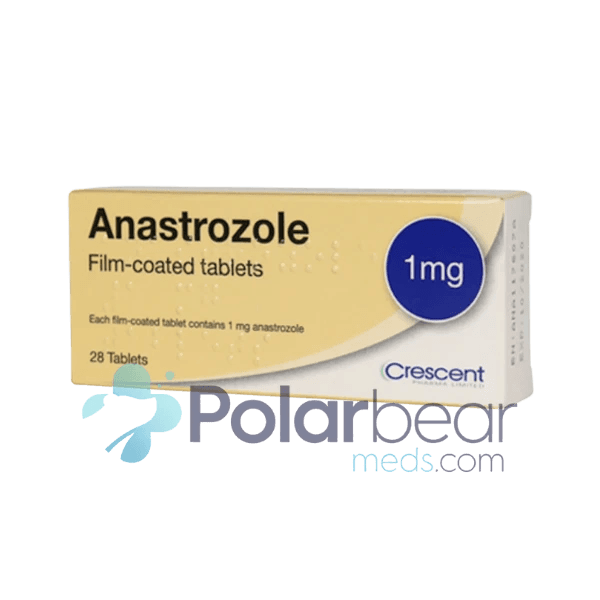
Arimidex, with the active ingredient anastrozole, is a hormone therapy prescribed for certain types of breast cancer in postmenopausal women. As an aromatase inhibitor, it works by reducing estrogen levels, thus inhibiting cancer growth. Approved by the FDA, Arimidex is used for early hormone receptor-positive breast cancer as adjuvant treatment, and as a first-line treatment for locally advanced or metastatic cancer. Arimidex is available as a 1 mg oral tablet. It's also administered when cancer persists or returns after tamoxifen therapy.
Arimidex, known generically as anastrozole, is an essential hormone therapy medication approved by the FDA for treating specific breast cancer types in postmenopausal females. It operates as an aromatase inhibitor, significantly reducing estrogen levels to prevent the growth and spread of hormone receptor-positive breast cancers. Arimidex is prescribed for early-stage, hormone receptor-positive breast cancer as an adjuvant treatment to lower recurrence risks post-surgery.
Additionally, it serves as the first-line treatment for patients with locally advanced or metastatic breast cancer that is hormone receptor-positive or hormone receptor-unknown, where surgery isn’t viable. Moreover, it’s used when cancer returns or spreads after initial tamoxifen treatment. Arimidex is available in a 1 mg tablet form and is typically taken once daily. The medication's efficacy hinges on consistent administration, ideally at the same time each day, and it can be consumed with or without food.
While it offers significant therapeutic benefits, Arimidex also poses potential side effects ranging from mild symptoms like hot flashes and nausea to more severe conditions such as liver issues and bone density reduction. It is crucial for users to have ongoing consultations with their healthcare provider to tailor the treatment to their specific health needs and monitor any side effects.

[Note: If the cancer is estrogen receptor-negative (ER-negative) or did not respond to previous tamoxifen treatment, Arimidex is unlikely to be effective.]

The typical dosage of Arimidex can vary depending on your specific condition and medical needs. The information provided here includes common dosages that are often recommended. However, it's important to follow your doctor’s instructions and take the exact dose they prescribe for you. Your doctor will determine the best dosage based on your individual health needs, so never adjust your dose without consulting them first. If you have any questions or concerns about how much Arimidex to take, be sure to talk to your doctor or pharmacist for guidance.
Dosage for Breast Cancer
[Note: Remember, these recommendations may vary from person to person. Discuss it with your doctor, and they'll customize your dosage accordingly.]

It’s important to take Arimidex exactly as your doctor or healthcare provider advises. Following the correct routine will help ensure the medication works effectively.
By taking Arimidex as directed, you can help ensure the medication works properly. If you have any concerns, be sure to check with your doctor for guidance.
[Note: Your doctor will decide the right amount for you based on your condition, following guidelines and studies on the drug. They'll adjust it as needed over time.]

Arimidex is a hormone therapy used to treat certain types of breast cancer. It belongs to a class of drugs called aromatase inhibitors, which work by blocking an enzyme called aromatase. This enzyme helps convert other hormones, like testosterone, into estrogen—a hormone that can fuel the growth of some breast cancers. Before menopause, most estrogen is produced by the ovaries, but after menopause, the body relies on the aromatase enzyme to make estrogen. By stopping aromatase from working, Arimidex lowers estrogen levels, which helps slow down or stop the growth of estrogen-dependent breast cancer.

Arimidex can cause both mild and serious side effects. The side effects you may experience can vary depending on the condition you’re taking it for. While some side effects are common and manageable, others may be more serious and require medical attention. Keep in mind that this is not a complete list of all possible side effects, and your experience may be different. If you have any concerns or notice any unusual symptoms, talk to your doctor or pharmacist. They can provide more details about potential side effects and suggest ways to manage any that become bothersome.
Common Side Effects of Arimidex: Arimidex is a medication that can cause a variety of side effects, which are generally temporary, typically lasting from a few days to a few weeks. If you find that these effects persist beyond this period or become particularly bothersome, it's important to speak with your doctor or pharmacist. Here’s a breakdown of the common side effects you might experience with Arimidex:
Serious Side Effects of Arimidex: While Arimidex is effective in treating certain conditions, it can also cause serious side effects. If you notice any of these serious side effects, you should contact your doctor right away. If the side effects seem life-threatening, or if you think you’re having a medical emergency, immediately call 911 or your local emergency number. Here’s a detailed look at some serious side effects you might encounter with Arimidex:
[Note: Remember, this list may not cover all possible side effects. Always consult with your healthcare giver for medical advice about side effects.]

Before starting Arimidex, it’s important to discuss your health history with your doctor. This medication may not be suitable for everyone, especially if you have certain medical conditions. Here are some important warnings to keep in mind:
If you have any of these conditions, discuss them with your doctor before starting Arimidex to ensure it’s the right medication for you.

Before taking Arimidex, it’s important to know a few precautions to ensure your safety. Here are some key things to keep in mind:
Always follow your doctor’s guidance and discuss any concerns you may have before starting Arimidex.

If you forget to take a dose of Arimidex, don’t panic. Here’s what you should do:
To help you stay on track with your medication, try setting a reminder on your phone or using a medication timer. If you often forget to take your dose, talk to your doctor about ways to help you remember.
[Note: If you have missed a dose of your medication and are unsure about when to take the next one, immediately consult your doctor or pharmacist.]

Taking more than the recommended dose of Arimidex can be dangerous and may lead to serious side effects. It’s important to follow your doctor’s instructions and never take more than prescribed.
If you’re ever unsure about your dosage or what to do in case of an overdose, contact your doctor or pharmacist for advice.
[Note: If you consumed more than the recommended dose, get medical help right away, or call the Poison Help line at 1-800-222-1222.]

Storing your medication the right way is important to keep it effective and safe to use. How long Arimidex stays good depends on where and how you store it.
If you’re unsure about how to store or dispose of Arimidex, don’t hesitate to ask your doctor or pharmacist for more details.
[Note: Discuss with your healthcare professional about the proper disposal of any unused medicine and any questions you may have regarding its storage.]

Arimidex can interact with certain medications, which may affect how well it works or increase the risk of side effects. Some drug interactions can make Arimidex less effective, while others can cause side effects to become stronger or more serious. It’s important to let your doctor or pharmacist know about all the medications, vitamins, or supplements you’re taking before starting Arimidex. They can help you avoid potential interactions and ensure that your treatment is as safe and effective as possible. If you have any concerns about drug interactions, be sure to ask your healthcare provider for guidance.
Arimidex and Other Medications
Arimidex can interact with certain medications, which may affect how well it works or increase the risk of side effects. Below are some medications that may interact with Arimidex. This list does not include all possible drug interactions. Before starting Arimidex, be sure to talk to your doctor or pharmacist about all the medications you take. This includes prescription drugs, over-the-counter medicines, vitamins, herbs, and supplements. Sharing this information can help prevent any potential interactions. If you have any concerns, don’t hesitate to ask your doctor or pharmacist for advice.
If you are using any of these medications, talk with your doctor before taking Arimidex. They can help you find a suitable alternative if needed.
Arimidex can interact with certain herbs, supplements, foods, and alcohol. While some interactions may affect how well the medication works, others can increase side effects. Below is a breakdown of important interactions to keep in mind. If you have any concerns, talk to your doctor or pharmacist before making any changes to your routine.
Arimidex and Herbs/Supplements
There aren’t any herbs or supplements that have been specifically reported to interact with Arimidex. However, it’s still important to check with your doctor before using any herbal products while taking this medication.
For example, supplements like red clover and wild yam are sometimes used to help with menopause symptoms like hot flashes. These supplements contain phytoestrogens, which are plant-based substances that act like weak estrogens in the body. Since Arimidex works by lowering estrogen levels, taking supplements with phytoestrogens could reduce the medication’s effectiveness. However, there isn’t enough research to confirm this. If you’re considering taking any herbal supplements, consult your doctor first.
Arimidex and Foods
There are no known food interactions with Arimidex. However, if you have any dietary concerns while taking this medication, talk with your doctor to see if there are any foods you should limit or avoid.
Arimidex and Alcohol
Alcohol is not known to interact directly with Arimidex, but drinking alcohol could make some side effects worse. These include:
Drinking large amounts of alcohol while taking Arimidex can also increase your risk of osteoporosis (weak bones). Because of this, it’s best to limit alcohol while on this medication.
Additionally, alcohol is linked to a higher risk of developing breast cancer. It’s unclear whether drinking alcohol after a breast cancer diagnosis can make the condition worse or increase the chances of it coming back. If you drink alcohol and are concerned about its effects on your treatment, talk to your doctor. They can advise you on whether it’s safe for you to drink and how much is okay.
[Note: This isn't a complete list, and there could be other drugs that interact with Arimidex. Make sure to tell your doctor about any prescription, over-the-counter medicines, and herbal products you’re taking.]

There are other medications available to treat breast cancer, and some may be a better option for you than Arimidex. If you're looking for an alternative, your doctor can help you explore other treatments that might work well for your specific condition. Different medications work in different ways, and the best choice depends on factors like your health history, type of breast cancer, and how your body responds to treatment. If you're considering switching from Arimidex or want to learn about other options, talk to your doctor about what alternatives might be right for you. Examples of alternative drugs that can be used for breast cancer treatment include:
[Note: Your doctor will choose what’s best for you. Don’t use any of these alternative medications without consulting your healthcare provider. Taking them by yourself may cause serious side effects.]

Arimidex, commonly prescribed for hormone receptor-positive breast cancer, can be expensive in the U.S., often stretching healthcare budgets. Polar Bear Meds offers a cost-effective solution by providing Arimidex at considerably lower prices, tailored to fit the needs of American patients seeking budget-friendly options. Buy Arimidex online with coupon code WELCOMEPB10 and enjoy a 10% discount on your initial purchase. Additionally, participate in our referral program to maximize your savings, potentially reducing your medication costs by up to $200. Choose Polar Bear Meds for your Arimidex needs and experience significant financial relief.

.png)
AtPolarBearMeds.com, we assure you the most affordable price to buy Arimidex online from Canada. Rest easy knowing that your order will be dispatched from a reputable Licensed Canada Pharmacy Online, adhering to the highest standards of quality and authenticity. Our discounted medications are shipped directly from Canada to your doorstep, ensuring a swift and secure delivery experience. To conveniently buy Arimidex online for breast cancer treatment at a substantial cost, call us at 1-888-779-2193 toll-free

Dr. Jackson Miller is a board-certified medicine physician & hospitalist. He is a healthcare professional with a strong background in patient care. With years of experience and a patient-first approach, he believes the foundation of good health is a patient who feels informed and empowered. He contributes to medical content review, drawing on his background in clinical practice and patient education. He focuses on presenting health information in a clear, accurate, and accessible way to help readers make informed decisions. His work emphasizes clarity, evidence-based guidance, and understandable explanations of medical topics.
Learn more about Arimidex and related topics



We offer competitive pricing on all our medications. We'll match if you find a lower price on an identical product at a verified Canadian online pharmacy!
Need help? Call our friendly support team at 1-888-779-2193 or fill out the Contact Form